
Skeleton binding protein-1 介导的寄生虫隔离抑制疟疾相关急性呼吸窘迫综合征的自发缓解。
Skeleton binding protein-1-mediated parasite sequestration inhibits spontaneous resolution of malaria-associated acute respiratory distress syndrome.
机构信息
Laboratory of Immunoparasitology, Department of Microbiology, Immunology and Transplantation, Rega Institute for Medical research, KU Leuven, Belgium.
Currently at Clinical Immunology Unit, Department of Clinical Sciences, Institute of Tropical Medicine Antwerp, Belgium.
出版信息
PLoS Pathog. 2021 Nov 29;17(11):e1010114. doi: 10.1371/journal.ppat.1010114. eCollection 2021 Nov.
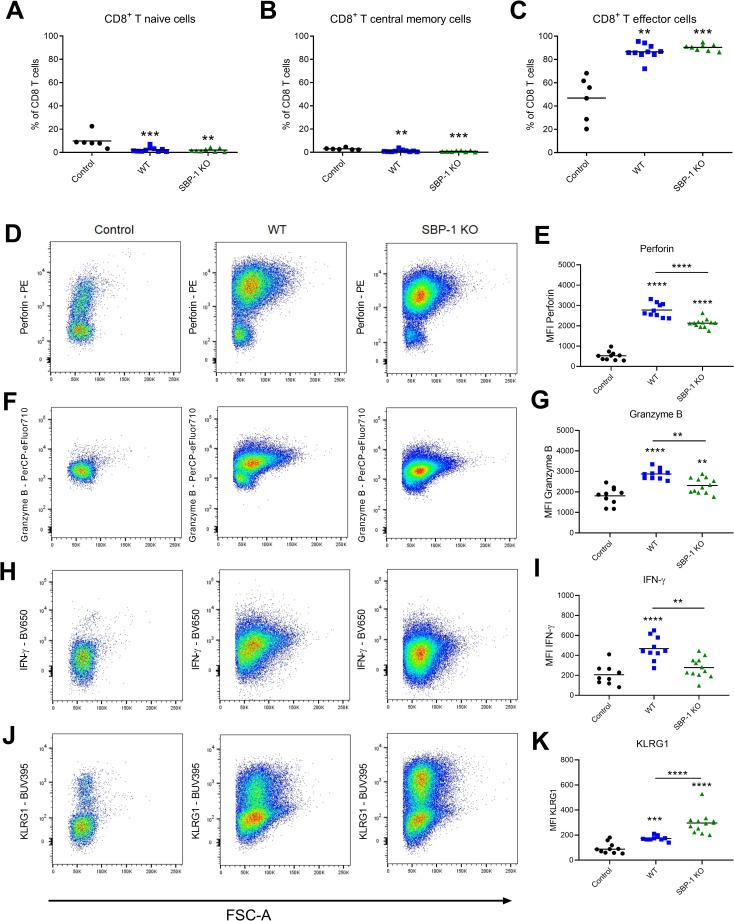
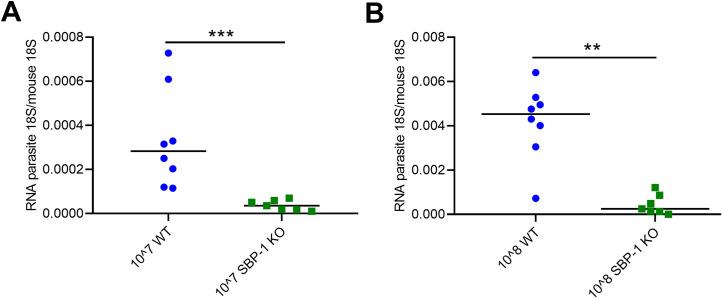
Malaria is a hazardous disease caused by Plasmodium parasites and often results in lethal complications, including malaria-associated acute respiratory distress syndrome (MA-ARDS). Parasite sequestration in the microvasculature is often observed, but its role in malaria pathogenesis and complications is still incompletely understood. We used skeleton binding protein-1 (SBP-1) KO parasites to study the role of sequestration in experimental MA-ARDS. The sequestration-deficiency of these SBP-1 KO parasites was confirmed with bioluminescence imaging and by measuring parasite accumulation in the lungs with RT-qPCR. The SBP-1 KO parasites induced similar lung pathology in the early stage of experimental MA-ARDS compared to wildtype (WT) parasites. Strikingly, the lung pathology resolved subsequently in more than 60% of the SBP-1 KO infected mice, resulting in prolonged survival despite the continuous presence of the parasite. This spontaneous disease resolution was associated with decreased inflammatory cytokine expression measured by RT-qPCR and lower expression of cytotoxic markers in pathogenic CD8+ T cells in the lungs of SBP-1 KO infected mice. These data suggest that SBP-1-mediated parasite sequestration and subsequent high parasite load are not essential for the development of experimental MA-ARDS but inhibit the resolution of the disease.
疟疾是一种由疟原虫引起的危险疾病,常导致致命的并发症,包括疟疾相关的急性呼吸窘迫综合征(MA-ARDS)。寄生虫在微血管中的隔离常常被观察到,但它在疟疾发病机制和并发症中的作用仍不完全清楚。我们使用骨架结合蛋白-1(SBP-1)KO 寄生虫来研究隔离在实验性 MA-ARDS 中的作用。通过生物发光成像和 RT-qPCR 测量寄生虫在肺部的积累,证实了这些 SBP-1 KO 寄生虫的隔离缺陷。与野生型(WT)寄生虫相比,SBP-1 KO 寄生虫在实验性 MA-ARDS 的早期阶段引起相似的肺部病理。令人惊讶的是,在超过 60%的 SBP-1 KO 感染小鼠中,随后肺部病理得到缓解,尽管寄生虫持续存在,但存活时间延长。这种自发性疾病缓解与 RT-qPCR 测量的炎症细胞因子表达减少以及 SBP-1 KO 感染小鼠肺部致病性 CD8+T 细胞中细胞毒性标记物的表达降低有关。这些数据表明,SBP-1 介导的寄生虫隔离和随后的高寄生虫载量对于实验性 MA-ARDS 的发展不是必需的,但抑制了疾病的缓解。


 Zotero 插件