Stamm Arne, Öhlin Johannes, Mosbech Caroline, Olsén Peter, Guo Boyang, Söderberg Elisabeth, Biundo Antonino, Fogelström Linda, Bhattacharyya Shubhankar, Bornscheuer Uwe T, Malmström Eva, Syrén Per-Olof
School of Engineering Sciences in Chemistry, Biotechnology and Health, Department of Fibre and Polymer Technology, Division of Coating Technology, KTH Royal Institute of Technology, Teknikringen 56-58, SE-100 44 Stockholm, Sweden.
School of Engineering Sciences in Chemistry, Biotechnology and Health, Science for Life Laboratory, KTH Royal Institute of Technology, Tomtebodavägen 23, Box 1031, SE-171 21 Solna, Sweden.
JACS Au. 2021 Oct 8;1(11):1949-1960. doi: 10.1021/jacsau.1c00312. eCollection 2021 Nov 22.
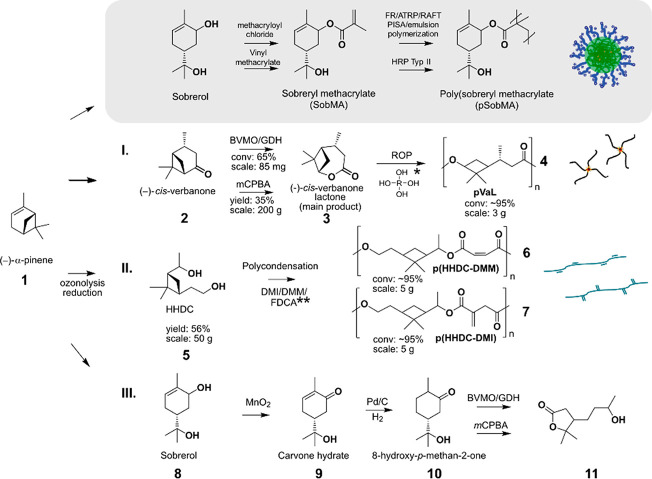
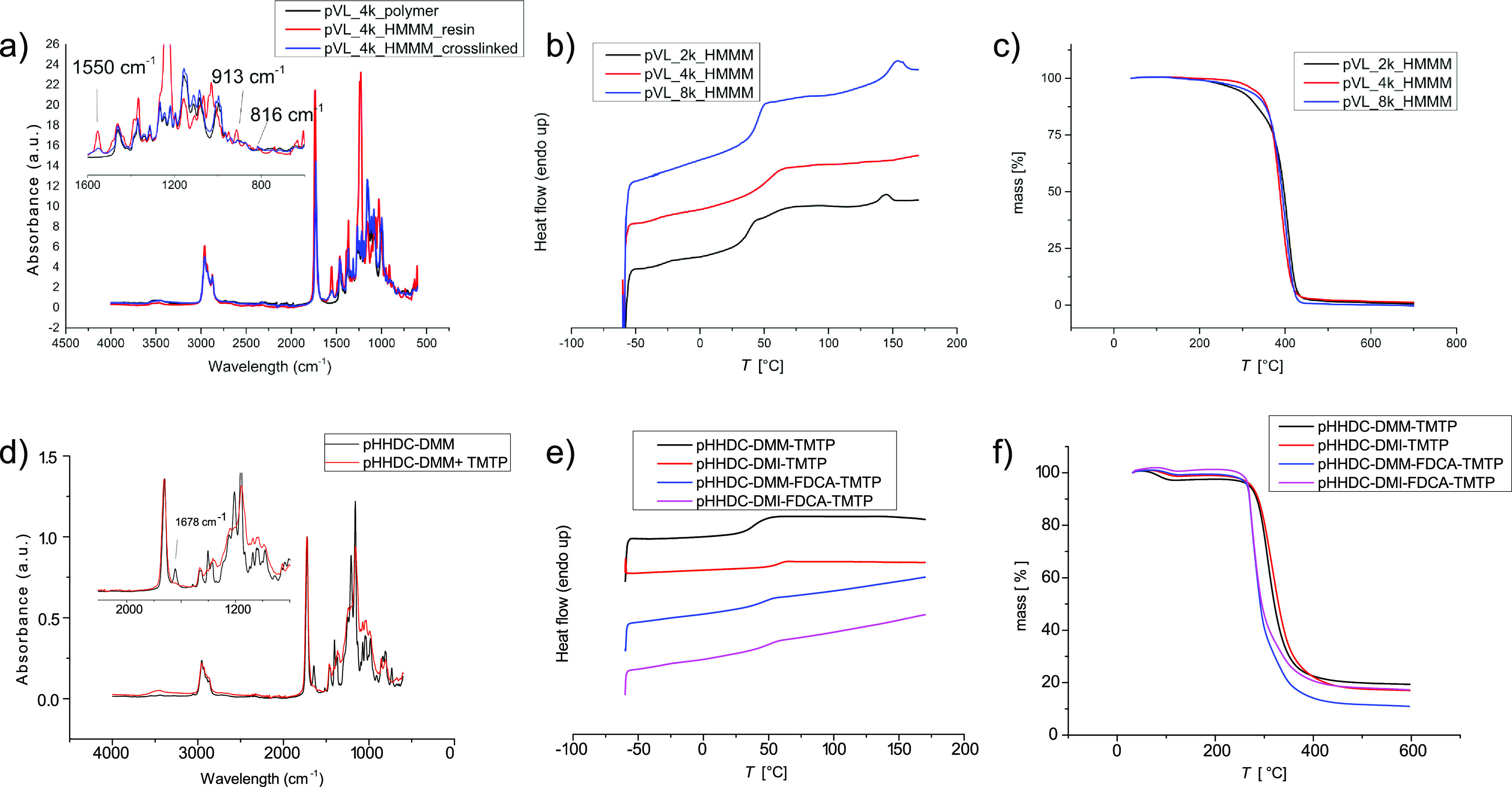
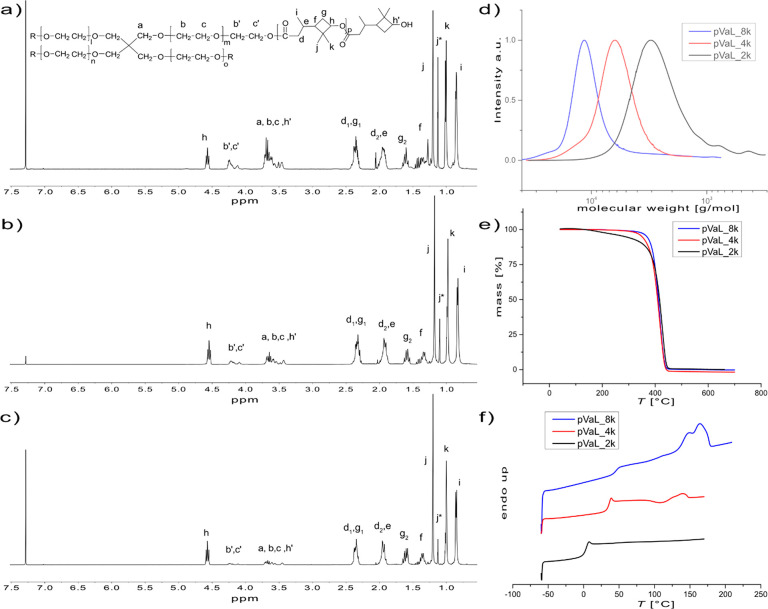
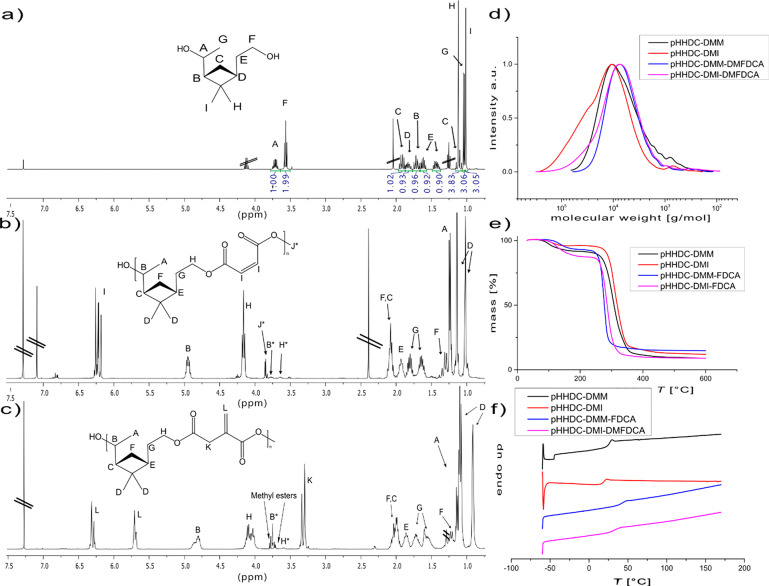
Generation of renewable polymers is a long-standing goal toward reaching a more sustainable society, but building blocks in biomass can be incompatible with desired polymerization type, hampering the full implementation potential of biomaterials. Herein, we show how conceptually simple oxidative transformations can be used to unlock the inherent reactivity of terpene synthons in generating polyesters by two different mechanisms starting from the same α-pinene substrate. In the first pathway, α-pinene was oxidized into the bicyclic verbanone-based lactone and subsequently polymerized into star-shaped polymers via ring-opening polymerization, resulting in a biobased semicrystalline polyester with tunable glass transition and melting temperatures. In a second pathway, polyesters were synthesized via polycondensation, utilizing the diol 1-(1'-hydroxyethyl)-3-(2'-hydroxy-ethyl)-2,2-dimethylcyclobutane (HHDC) synthesized by oxidative cleavage of the double bond of α-pinene, together with unsaturated biobased diesters such as dimethyl maleate (DMM) and dimethyl itaconate (DMI). The resulting families of terpene-based polyesters were thereafter successfully cross-linked by either transetherification, utilizing the terminal hydroxyl groups of the synthesized verbanone-based materials, or by UV irradiation, utilizing the unsaturation provided by the DMM or DMI moieties within the HHDC-based copolymers. This work highlights the potential to apply an oxidative toolbox to valorize inert terpene metabolites enabling generation of biosourced polyesters and coatings thereof by complementary mechanisms.
生成可再生聚合物是迈向更可持续社会的长期目标,但生物质中的结构单元可能与所需的聚合类型不兼容,这阻碍了生物材料的全面实施潜力。在此,我们展示了如何通过概念上简单的氧化转化,从相同的α-蒎烯底物出发,利用两种不同机制来释放萜烯合成子的固有反应性以生成聚酯。在第一条途径中,α-蒎烯被氧化成基于双环马鞭草烯酮的内酯,随后通过开环聚合聚合成星形聚合物,得到一种具有可调节玻璃化转变温度和熔点的生物基半结晶聚酯。在第二条途径中,利用通过α-蒎烯双键氧化裂解合成的二醇1-(1'-羟乙基)-3-(2'-羟乙基)-2,2-二甲基环丁烷(HHDC)与不饱和生物基二酯如马来酸二甲酯(DMM)和衣康酸二甲酯(DMI),通过缩聚反应合成聚酯。此后,通过利用合成的基于马鞭草烯酮材料的末端羟基进行酯交换反应,或利用基于HHDC的共聚物中DMM或DMI部分提供的不饱和键进行紫外线照射,成功地使所得的萜烯基聚酯家族交联。这项工作突出了应用氧化工具箱来增值惰性萜烯代谢物的潜力,从而能够通过互补机制生成生物源聚酯及其涂层。