Institute for Transformative Molecular Medicine, Department of Medicine, Case Western Reserve University School of Medicine, Cleveland, OH, 44106, USA; Harrington Discovery Institute, University Hospitals Cleveland Medical Center, Cleveland, OH, 44106, USA.
Department of Chemistry and Biochemistry, Montana State University, Bozeman, MT, 59717, USA.
Mol Aspects Med. 2022 Apr;84:101056. doi: 10.1016/j.mam.2021.101056. Epub 2021 Nov 28.
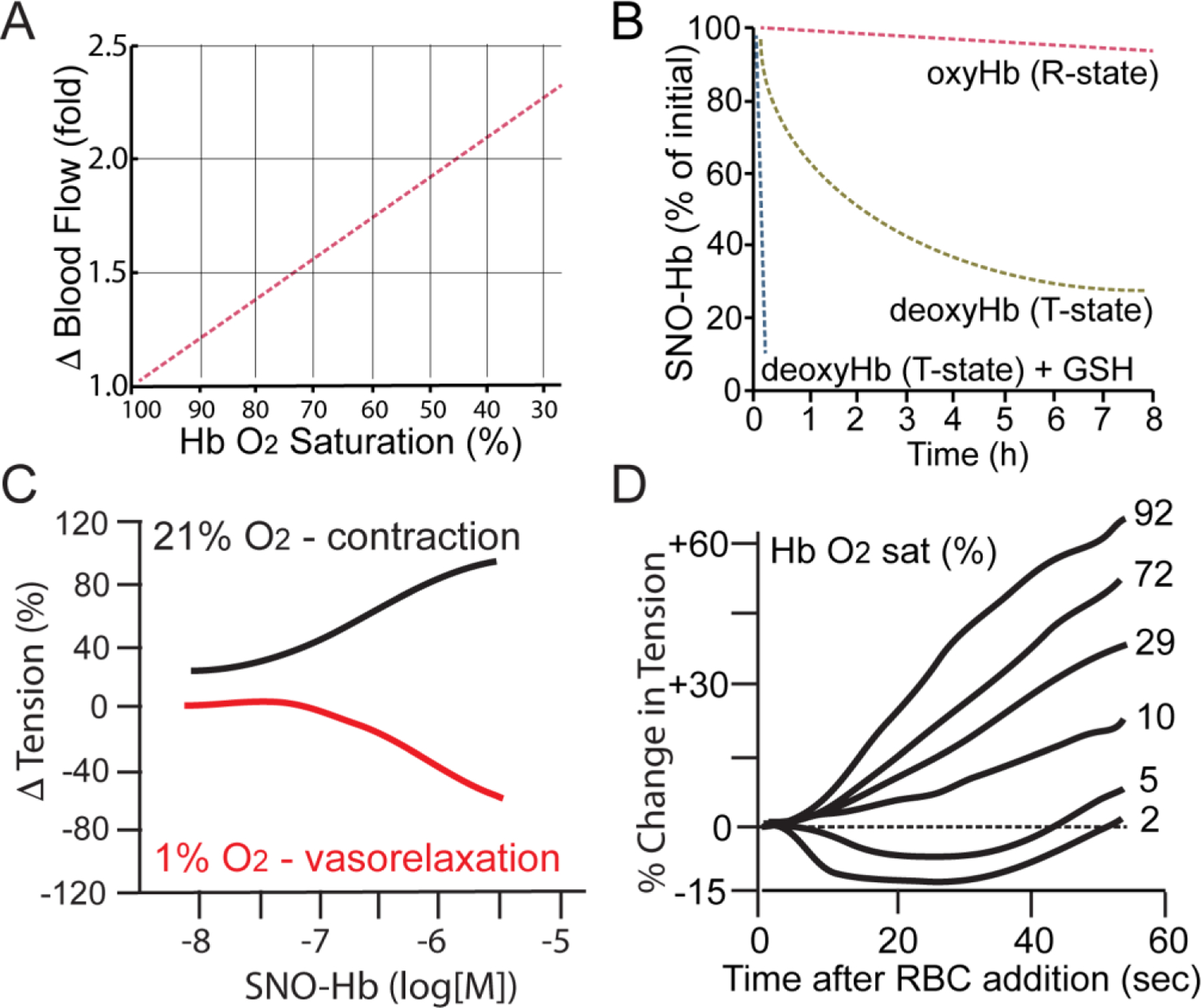
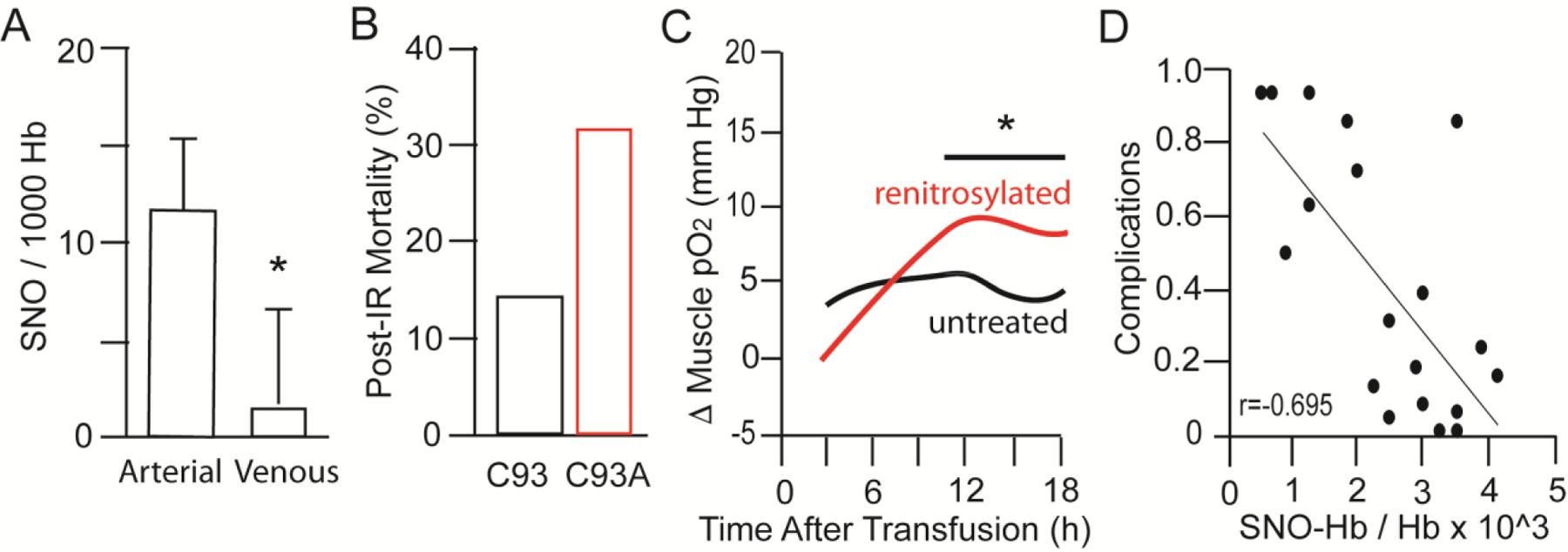
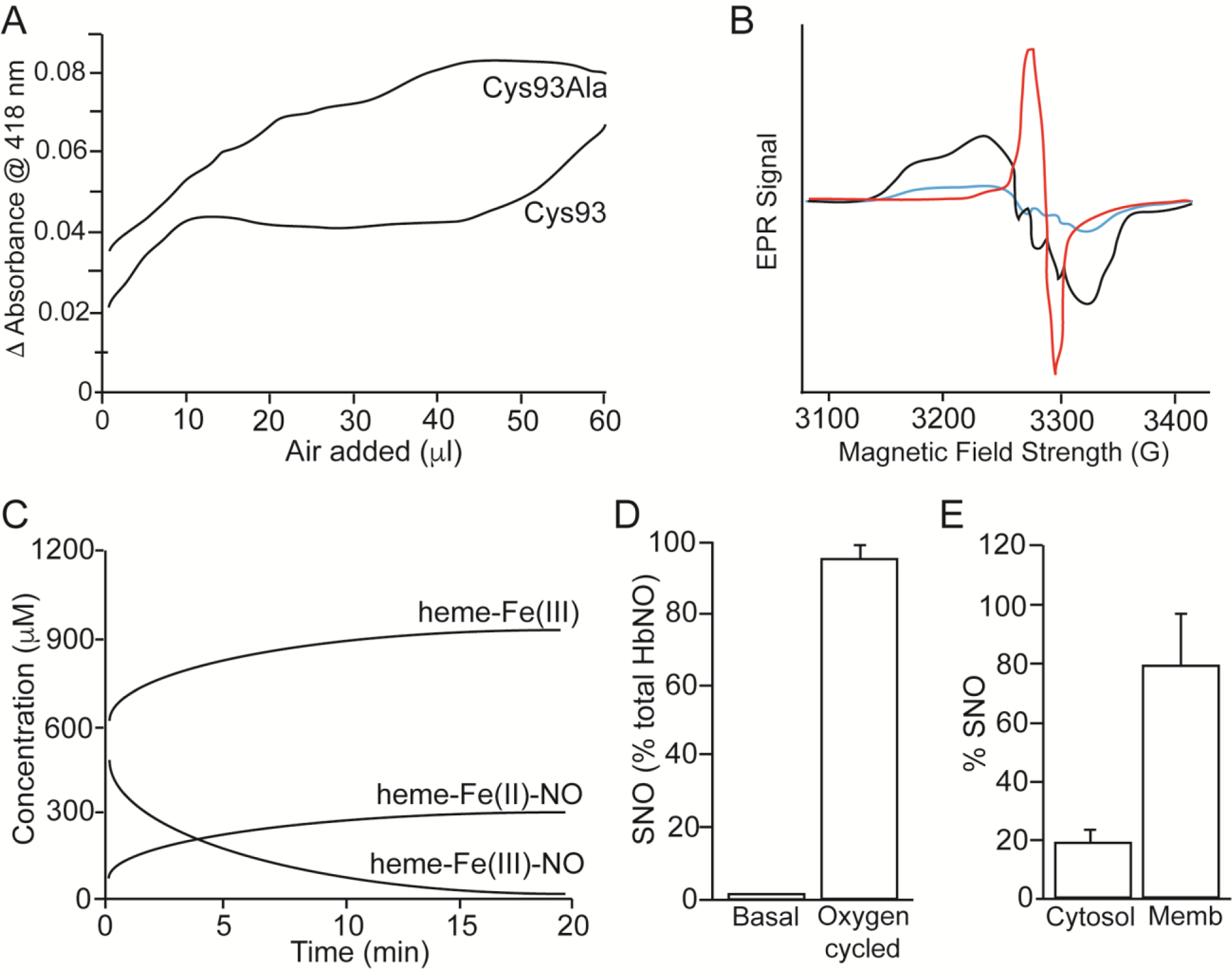
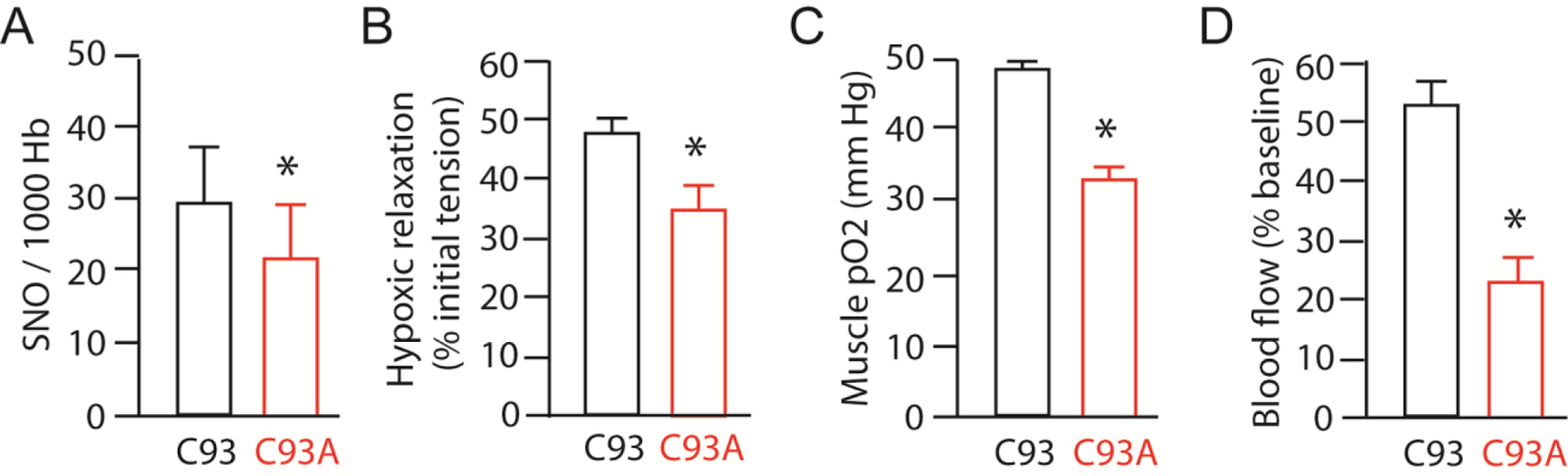
The allosteric transition within tetrameric hemoglobin (Hb) that allows both full binding to four oxygen molecules in the lung and full release of four oxygens in hypoxic tissues would earn Hb the moniker of 'honorary enzyme'. However, the allosteric model for oxygen binding in hemoglobin overlooked the essential role of blood flow in tissue oxygenation that is essential for life (aka autoregulation of blood flow). That is, blood flow, not oxygen content of blood, is the principal determinant of oxygen delivery under most conditions. With the discovery that hemoglobin carries a third biologic gas, nitric oxide (NO) in the form of S-nitrosothiol (SNO) at β-globin Cys93 (βCys93), and that formation and export of SNO to dilate blood vessels are linked to hemoglobin allostery through enzymatic activity, this title is honorary no more. This chapter reviews evidence that hemoglobin formation and release of SNO is a critical mediator of hypoxic autoregulation of blood flow in tissues leading to oxygen delivery, considers the physiological implications of a 3-gas respiratory cycle (O/NO/CO) and the pathophysiological consequences of its dysfunction. Opportunities for therapeutic intervention to optimize oxygen delivery at the level of tissue blood flow are highlighted.
四聚体血红蛋白(Hb)内的变构转变既能使 Hb 完全结合肺中的四个氧分子,又能使 Hb 在缺氧组织中完全释放四个氧分子,这将使 Hb 获得“荣誉酶”的称号。然而,血红蛋白氧结合的变构模型忽略了血流在组织氧合中的重要作用,而组织氧合对生命至关重要(即血流的自身调节)。也就是说,在大多数情况下,决定氧输送的主要因素是血流,而不是血液中的氧含量。随着血红蛋白携带第三种生物气体——以 S-亚硝基硫醇(SNO)形式存在的一氧化氮(NO)的发现,以及 SNO 的形成和向血管输出与血红蛋白变构通过酶活性相关联,这个称号不再是荣誉性的了。本章回顾了血红蛋白形成和 SNO 释放是组织缺氧性血流自身调节导致氧输送的关键介质的证据,考虑了 3 气体呼吸循环(O/NO/CO)的生理意义及其功能障碍的病理生理后果。强调了在组织血流水平优化氧输送的治疗干预机会。