Lanthio Health B.V., Rozenburglaan 13B, 9727 DL, Groningen, Netherlands.
Institute for Translational Medicine, Medical School, University of Pécs, 12 Szigeti út, H-7624, Pécs, Hungary.
Neurotherapeutics. 2021 Oct;18(4):2737-2752. doi: 10.1007/s13311-021-01155-x. Epub 2021 Dec 2.
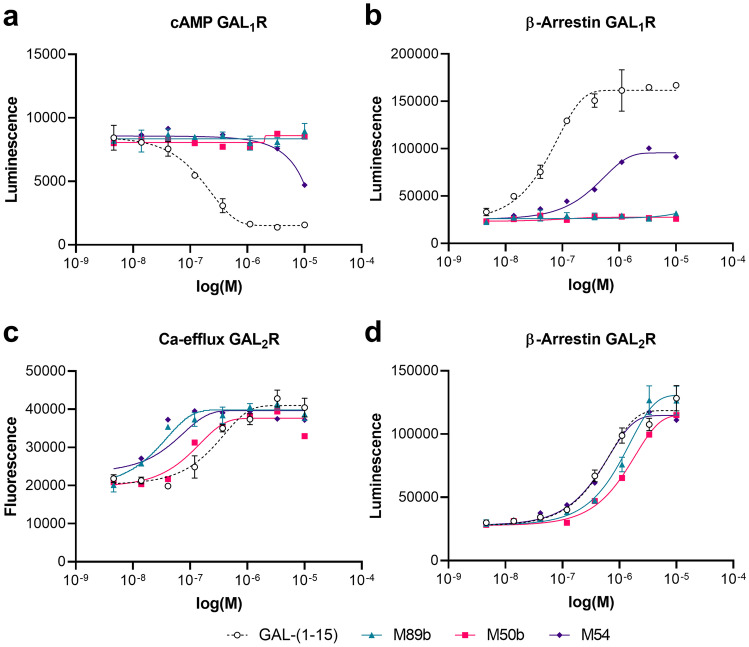
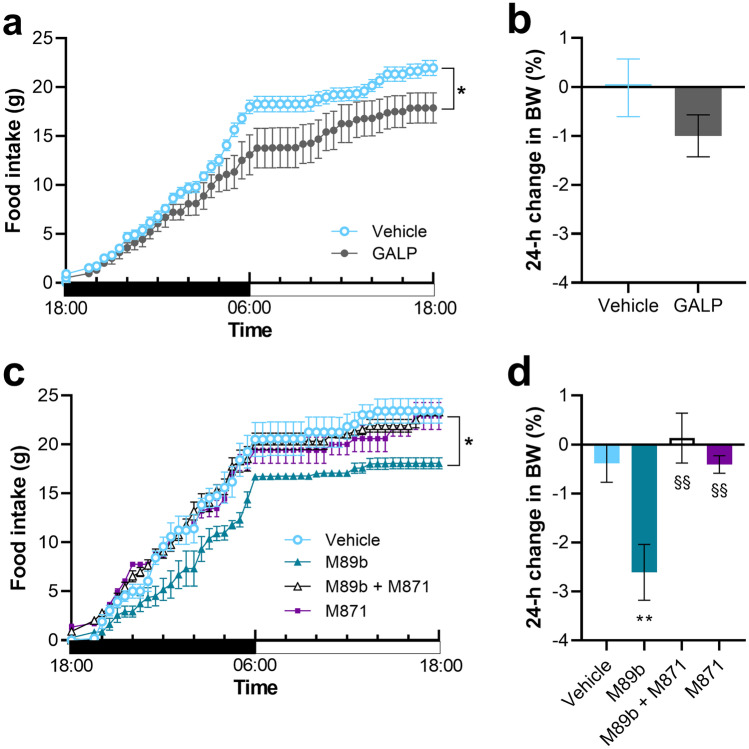
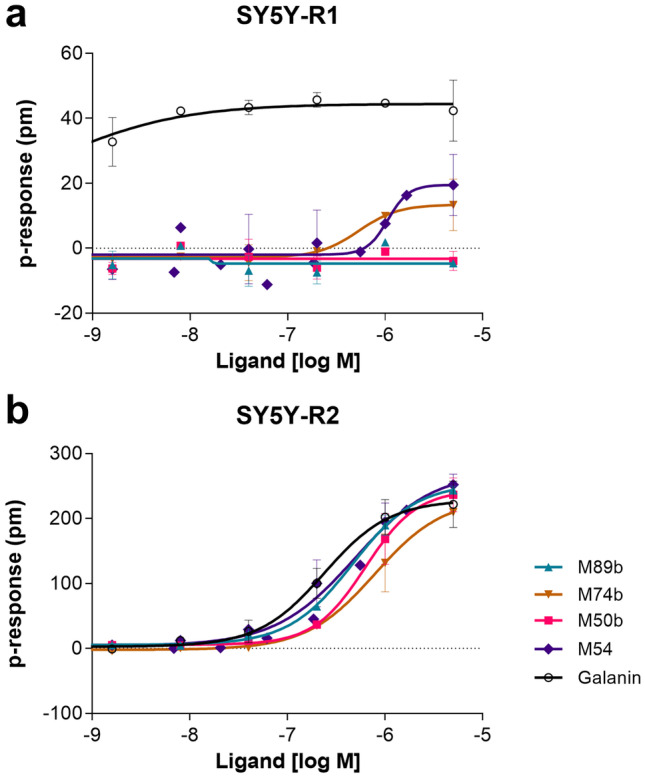
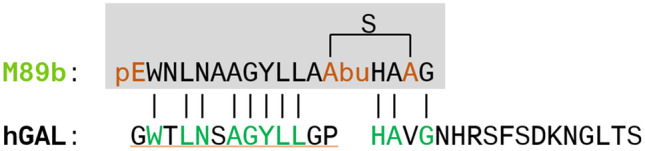
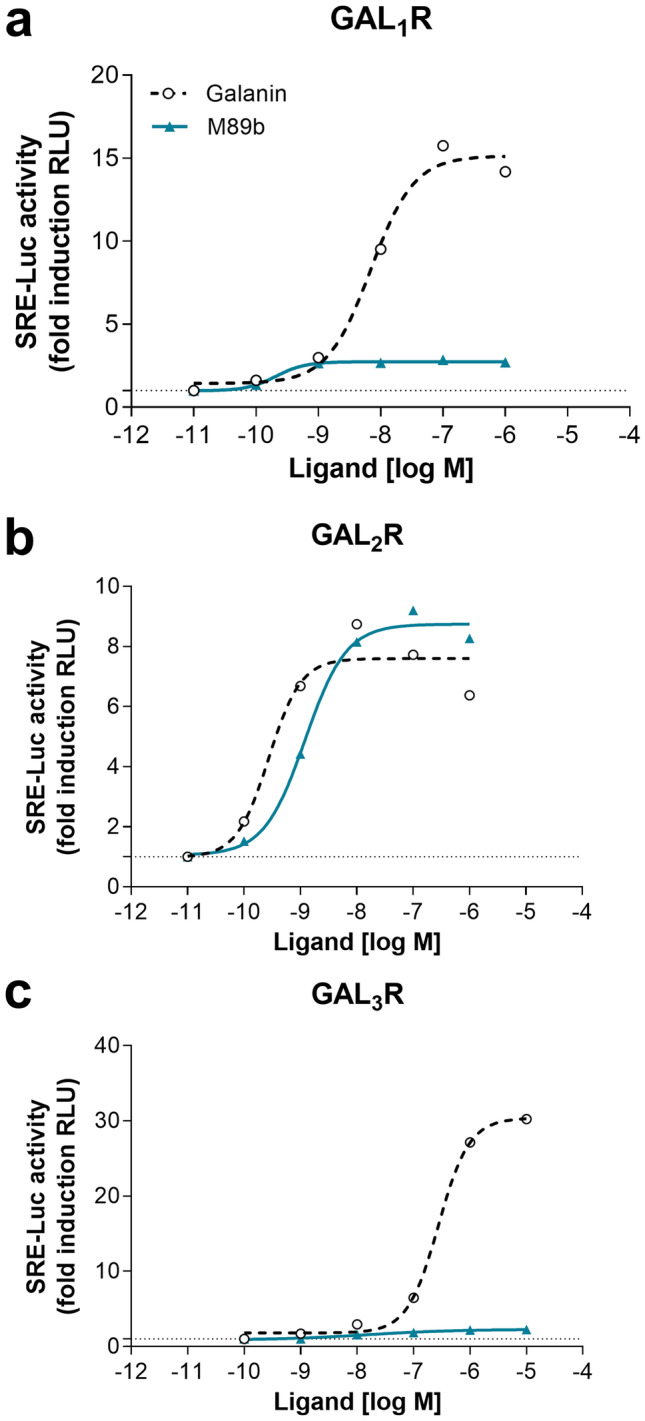
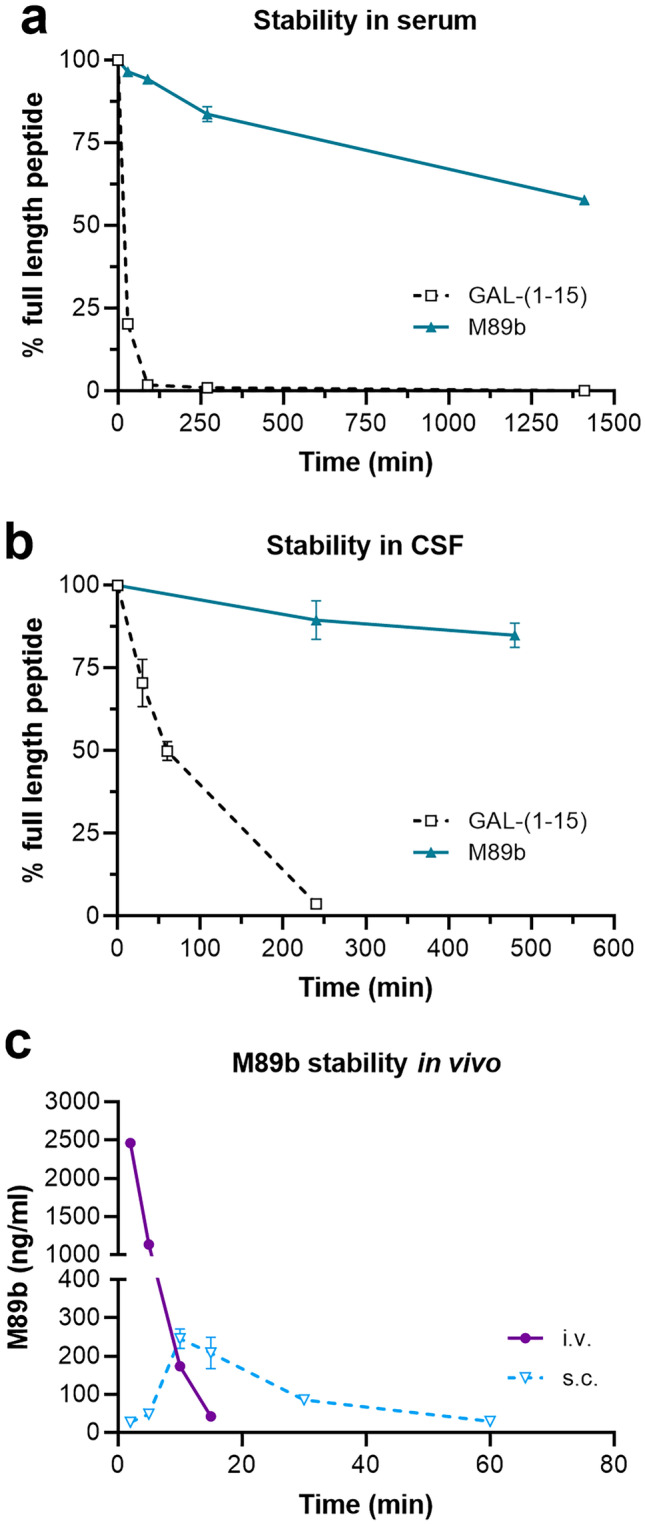
The regulatory (neuro)peptide galanin is widely distributed in the central and peripheral nervous systems, where it mediates its effects via three G protein-coupled receptors (GALR). Galanin has a vast diversity of biological functions, including modulation of feeding behavior. However, the clinical application of natural galanin is not practicable due to its rapid in vivo breakdown by peptidases and lack of receptor subtype specificity. Much effort has been put into the development of receptor-selective agonists and antagonists, and while receptor selectivity has been attained to some degree, most ligands show overlapping affinity. Therefore, we aimed to develop a novel ligand with specificity to a single galanin receptor subtype and increased stability. To achieve this, a lanthionine amino acid was enzymatically introduced into a galanin-related peptide. The residue's subsequent cyclization created a conformational constraint which increased the peptide's receptor specificity and proteolytic resistance. Further exchange of certain other amino acids resulted in a novel methyllanthionine-stabilized galanin receptor agonist, a G1pE-T3N-S6A-G12A-methyllanthionine[13-16]-galanin-(1-17) variant, termed M89b. M89b has exclusive specificity for GALR and a prolonged half-life in serum. Intranasal application of M89b to unfasted rats significantly reduced acute 24 h food intake inducing a drop in body weight. Combined administration of M89b and M871, a selective GALR antagonist, abolished the anorexigenic effect of M89b, indicating that the effect of M89b on food intake is indeed mediated by GALR. This is the first demonstration of in vivo activity of an intranasally administered lanthipeptide. Consequently, M89b is a promising candidate for clinical application as a galanin-related peptide-based therapeutic.
调节(神经)肽甘丙肽广泛分布于中枢和外周神经系统,通过三种 G 蛋白偶联受体(GALR)发挥其作用。甘丙肽具有广泛的生物学功能,包括调节摄食行为。然而,由于其在体内被肽酶迅速分解以及缺乏受体亚型特异性,天然甘丙肽的临床应用并不实际。因此,人们致力于开发具有受体选择性的激动剂和拮抗剂,虽然在某种程度上已经实现了受体选择性,但大多数配体的亲和力存在重叠。因此,我们旨在开发一种新型配体,对单一甘丙肽受体亚型具有特异性并提高稳定性。为了实现这一目标,一种硫代亮氨酸氨基酸被酶引入到一种甘丙肽相关肽中。该残基随后的环化形成了构象约束,增加了该肽的受体特异性和抗蛋白水解性。进一步交换某些其他氨基酸导致了一种新型的甲基硫代亮氨酸稳定的甘丙肽受体激动剂,即 G1pE-T3N-S6A-G12A-甲基硫代亮氨酸[13-16]-甘丙肽(1-17)变体,称为 M89b。M89b 对 GALR 具有独特的特异性,并且在血清中的半衰期延长。鼻内给予 M89b 给未禁食的大鼠可显著减少急性 24 小时食物摄入,导致体重下降。M89b 与选择性 GALR 拮抗剂 M871 联合给药可消除 M89b 的厌食作用,表明 M89b 对食物摄入的作用确实是通过 GALR 介导的。这是首次证明经鼻内给予的硫代肽在体内具有活性。因此,M89b 作为一种基于甘丙肽相关肽的治疗药物具有很大的临床应用潜力。