Everhart S A, Cochran K M, Lambrou N H, Davies W H, Marik P K
20209Children's Hospital of Orange County, Orange, CA, USA.
14751University of Wisconsin-Milwaukee, Milwaukee, WI, USA.
Cleft Palate Craniofac J. 2022 Dec;59(12):1509-1519. doi: 10.1177/10556656211051222. Epub 2021 Dec 3.
Existing psychosocial research offers little information on the unique challenges and strengths of children adopted from China with cleft lip and/or palate (CL/P). The present study aimed to understand biopsychosocial factors that support positive self-concept in this population.
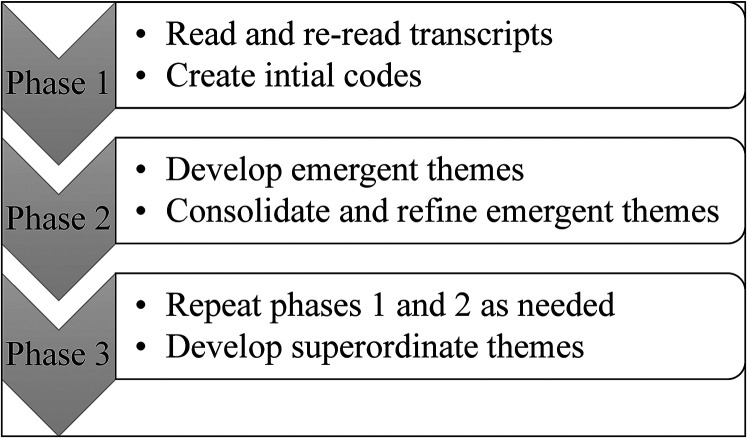
Qualitative, semistructured interviews were conducted with children and their parents. Interpretive phenomenological analysis of transcribed interviews was utilized for data analysis.
Participants were recruited in an outpatient, pediatric multidisciplinary cleft clinic during a standard team visit.
PATIENTS, PARTICIPANTS: Participants were ages 8 to 12 years with a diagnosis of isolated cleft lip-palate who were internationally adopted from China before the age of 2 years and English-speaking. Participants also included English-speaking parents.
Themes reflecting data from the child and parent subsamples include: (1) child's characteristics, (2) family strengths, (3) adoption identity, (4) cultural identity, (5) coping with a cleft, and (6) social factors. Additional 2 to 3 subthemes were identified for the parent and child subsamples within each broader theme.
Findings from this sample suggested factors supporting positive self-concept included pride and self-efficacy in activities, family support, instilment of family values, strategies for coping with a cleft, family belonging, cultural exposure, and normalization of differences. Medical providers can support patients and families by providing education on surgeries, CL/P sequelae and outcomes, and pediatric medical stress. Mental health providers can screen for social and emotional challenges and provide psychoeducation on racial/ethnic socialization, identity development, and coping.
现有的社会心理研究几乎没有提供关于中国领养的唇腭裂(CL/P)儿童所面临的独特挑战和优势的信息。本研究旨在了解支持该人群积极自我概念的生物心理社会因素。
对儿童及其父母进行了定性的半结构化访谈。对访谈转录本进行解释性现象学分析以进行数据分析。
参与者是在标准团队就诊期间于儿科多学科唇腭裂门诊招募的。
患者、参与者:参与者年龄在8至12岁之间,诊断为单纯性唇腭裂,2岁前从中国国际领养,且说英语。参与者还包括说英语的父母。
反映儿童和父母子样本数据的主题包括:(1)儿童特征,(2)家庭优势,(3)领养身份,(4)文化身份,(5)应对唇腭裂,以及(6)社会因素。在每个更广泛的主题中,为父母和儿童子样本确定了另外2至3个子主题。
该样本的研究结果表明,支持积极自我概念的因素包括在活动中的自豪感和自我效能感、家庭支持、家庭价值观的灌输、应对唇腭裂的策略、家庭归属感、文化接触以及差异的正常化。医疗服务提供者可以通过提供有关手术、唇腭裂后遗症和结果以及儿科医疗压力的教育来支持患者和家庭。心理健康服务提供者可以筛查社会和情感挑战,并提供有关种族/民族社会化、身份发展和应对的心理教育。