Department of Integrated Applied Life Science, Integrated Graduate School of Medicine, Engineering, and Agricultural Sciences, University of Yamanashi, Kofu, Japan.
Kiwa Laboratory Animals Co., Ltd., Kiminocho, Japan.
Front Endocrinol (Lausanne). 2021 Nov 2;12:746838. doi: 10.3389/fendo.2021.746838. eCollection 2021.
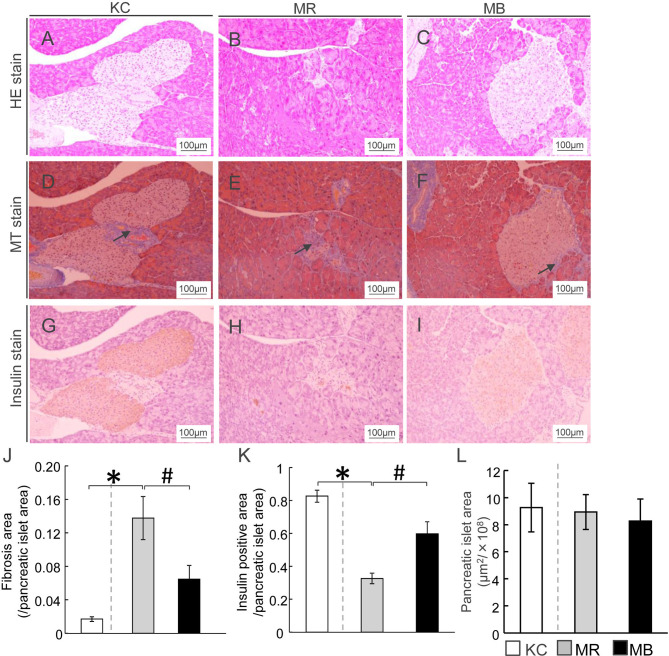
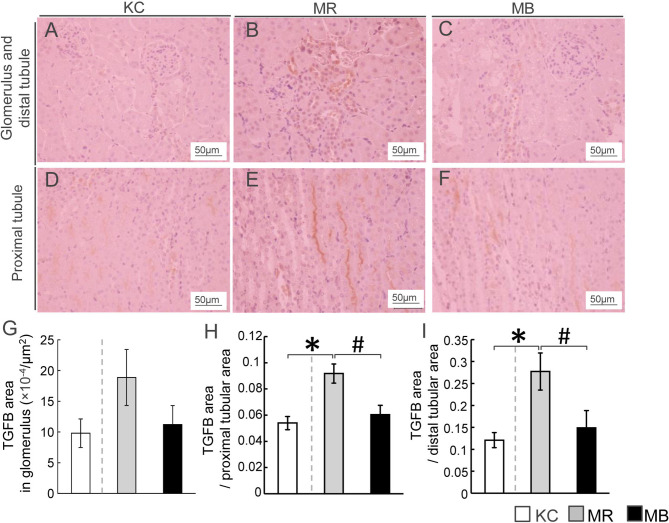
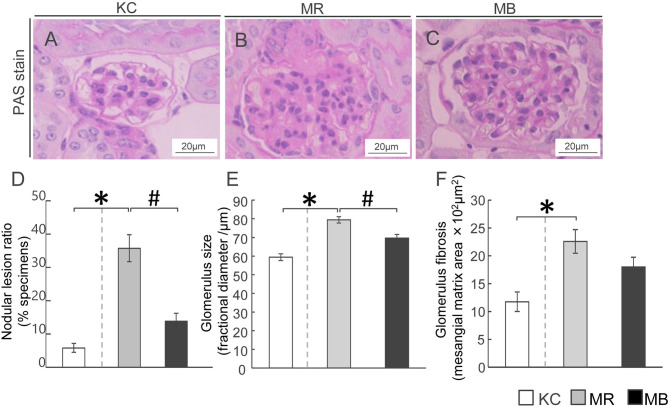
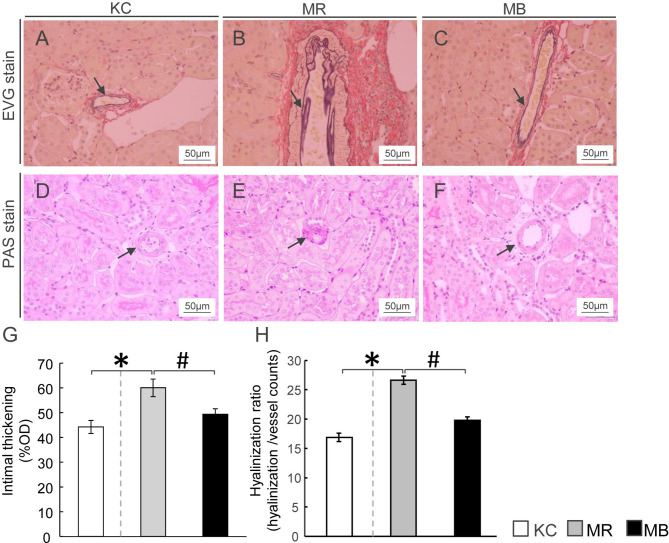
Diabetic kidney disease (DKD) is a critical complication associated with diabetes; however, there are only a few animal models that can be used to explore its pathogenesis. In the present study, we established a mouse model of DKD using a technique based on the Developmental Origins of Health and Disease theory, i.e., by manipulating the embryonic environment, and investigated whether a dietary intervention could ameliorate the model's pathology. Two-cell embryos were cultured in α-minimum essential medium (MEM; MEM mice) or in standard potassium simplex-optimized medium (KSOM) as controls (KSOM mice) for 48 h, and the embryos were reintroduced into the mothers. The MEM and KSOM mice born were fed a high-fat, high-sugar diet for 58 days after they were 8 weeks old. Subsequently, half of the MEM mice and all KSOM mice were fed a diet containing rice powder (control diet), and the remaining MEM mice were fed a diet containing barley powder (barley diet) for 10 weeks. Glomerulosclerosis and pancreatic exhaustion were observed in MEM mice, but not in control KSOM mice. Renal arteriolar changes, including intimal thickening and increase in the rate of hyalinosis, were more pronounced in MEM mice fed a control diet than in KSOM mice. Immunostaining showed the higher expression of transforming growth factor beta (TGFB) in the proximal/distal renal tubules of MEM mice fed a control diet than in those of KSOM mice. Pathologies, such as glomerulosclerosis, renal arteriolar changes, and higher TGFB expression, were ameliorated by barley diet intake in MEM mice. These findings suggested that the MEM mouse is an effective DKD animal model that shows glomerulosclerosis and renal arteriolar changes, and barley intake can improve these pathologies in MEM mice.
糖尿病肾病(DKD)是一种与糖尿病相关的严重并发症;然而,仅有少数几种动物模型可用于探索其发病机制。在本研究中,我们使用基于健康与疾病起源的发育理论的技术建立了一种 DKD 小鼠模型,即通过操纵胚胎环境,并研究饮食干预是否可以改善模型的病理学。将两细胞胚胎在 α-最小必需培养基(MEM;MEM 小鼠)或标准钾 simplex 优化培养基(KSOM;KSOM 小鼠)中培养 48 小时,并将胚胎重新引入母体。MEM 和 KSOM 出生的小鼠在 8 周龄后被喂食高脂肪、高糖饮食 58 天。随后,一半的 MEM 小鼠和所有的 KSOM 小鼠被喂食含米粉的饮食(对照饮食),而其余的 MEM 小鼠被喂食含大麦粉的饮食(大麦饮食)10 周。MEM 小鼠观察到肾小球硬化和胰腺衰竭,但对照 KSOM 小鼠未观察到。MEM 小鼠中肾小动脉变化,包括内膜增厚和玻璃样变性发生率增加,比 KSOM 小鼠更明显。免疫染色显示,在喂食对照饮食的 MEM 小鼠的近端/远端肾小管中转化生长因子β(TGFB)的表达更高。在 MEM 小鼠中,摄入大麦饮食可改善肾小球硬化、肾小动脉变化和 TGFB 表达升高的病理。这些发现表明,MEM 小鼠是一种有效的 DKD 动物模型,可显示肾小球硬化和肾小动脉变化,并且大麦摄入可改善 MEM 小鼠的这些病变。