Yao Cong, Zhu Meisong, Han Xiuguo, Xu Qiang, Dai Min, Nie Tao, Liu Xuqiang
Department of Orthopedics, The First Affiliated Hospital of Nanchang University, Artificial Joints Engineering and Technology Research Center of Jiangxi Province, Nanchang, China.
Department of Orthopaedics, Xinhua Hospital Affiliated to Shanghai Jiaotong University School of Medicine, Shanghai, China.
Front Bioeng Biotechnol. 2021 Nov 16;9:749910. doi: 10.3389/fbioe.2021.749910. eCollection 2021.
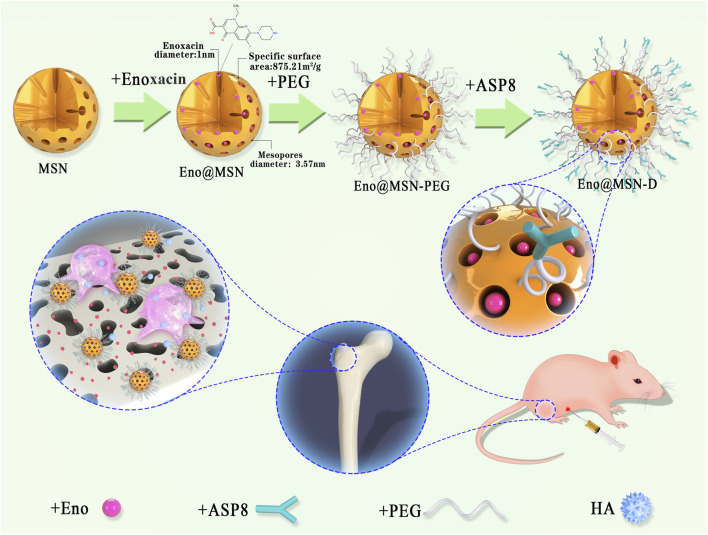
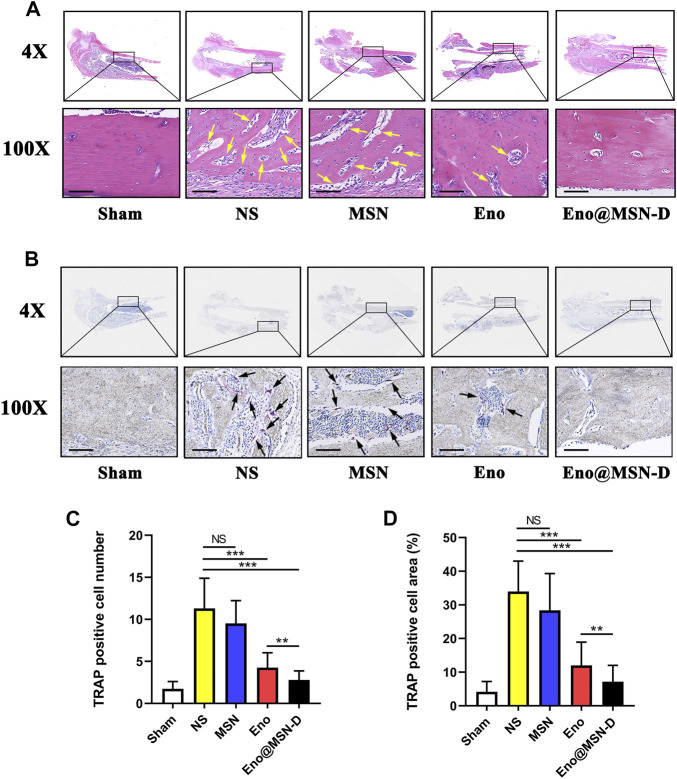
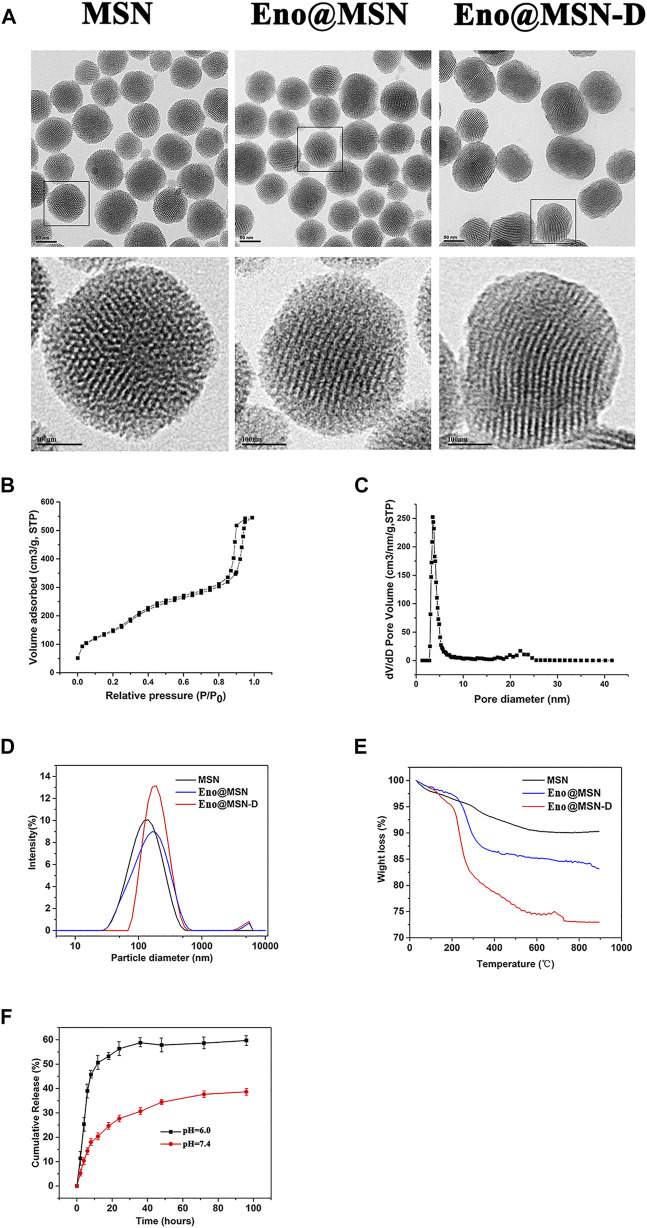
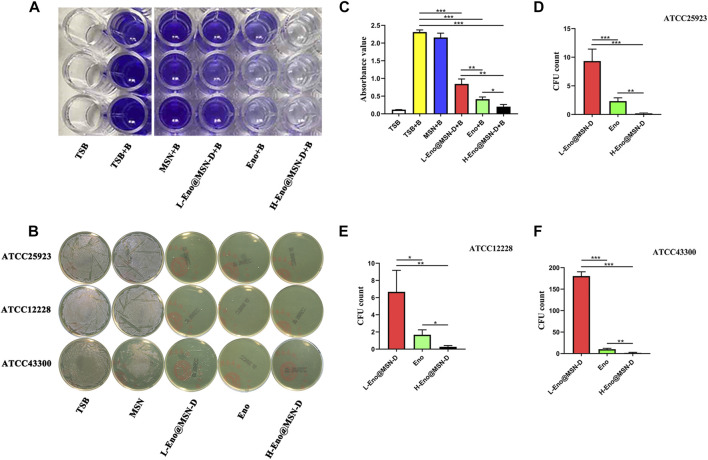
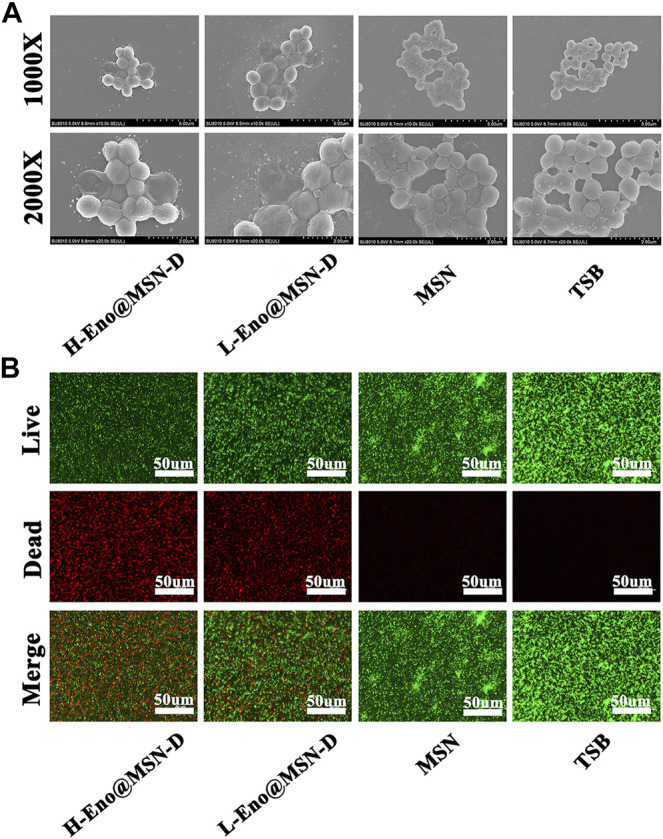
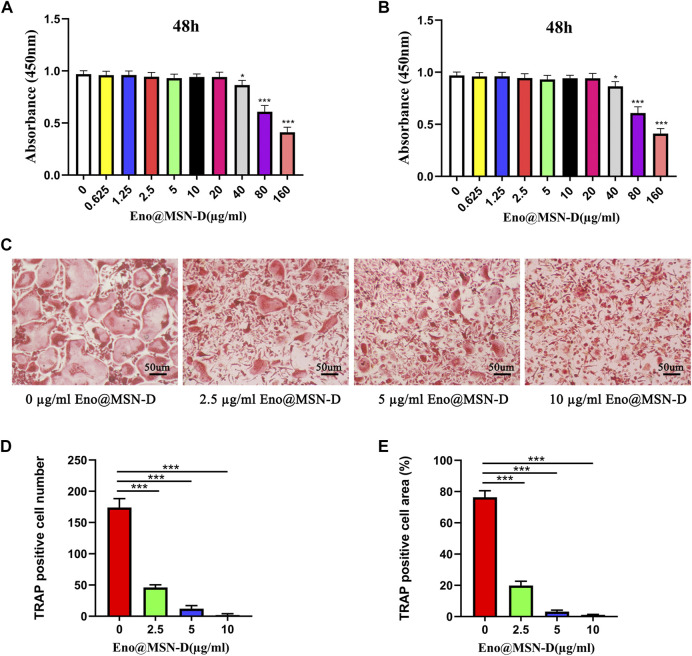
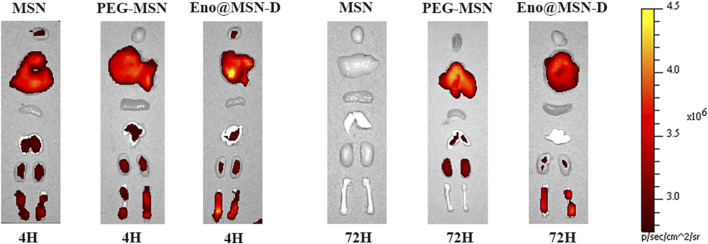
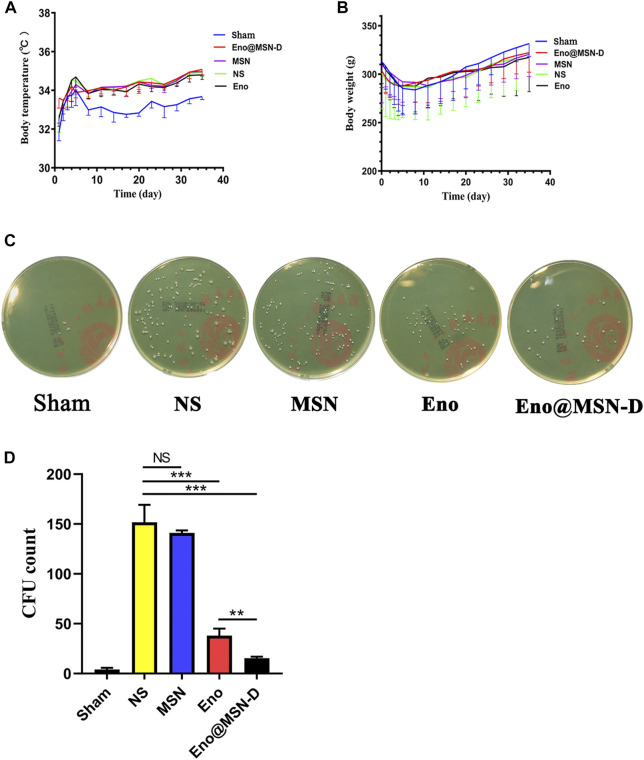
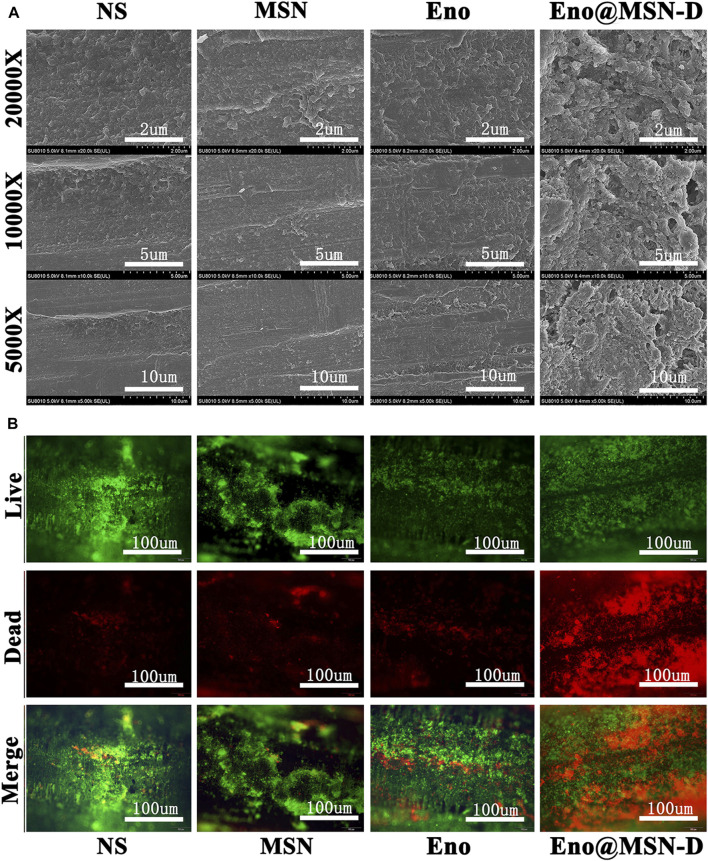
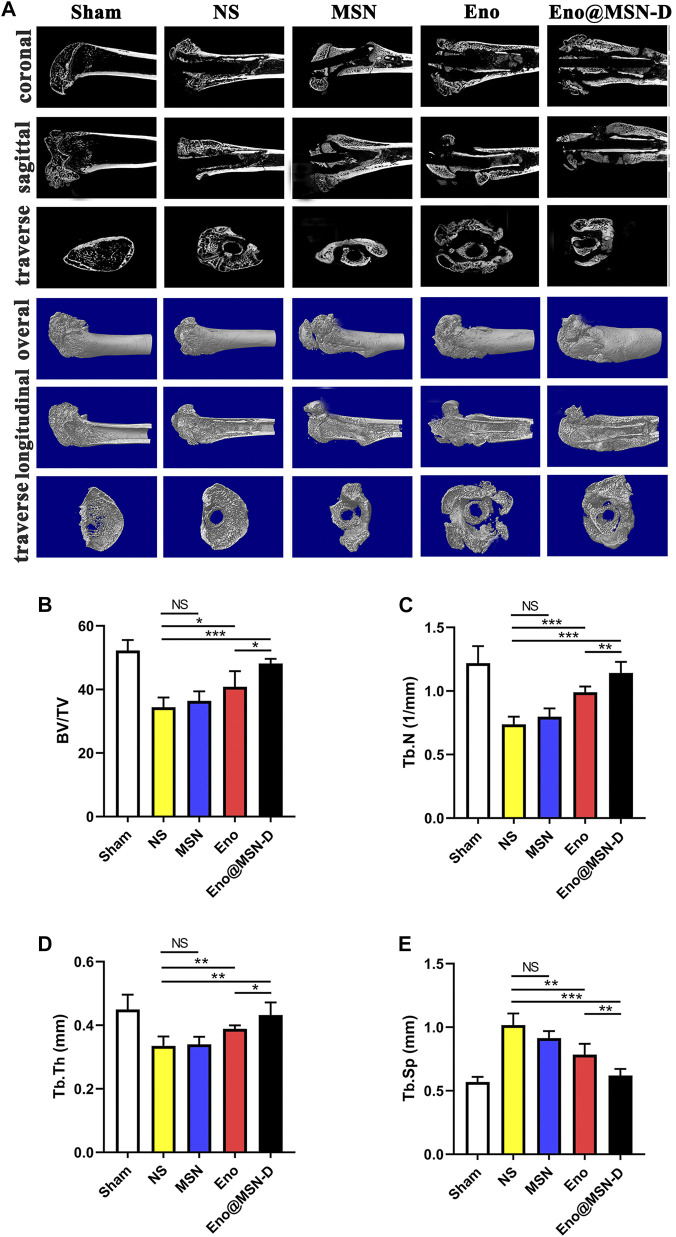
Post-operative infections in orthopaedic implants are severe complications that require urgent solutions. Although conventional antibiotics limit bacterial biofilm formation, they ignore the bone loss caused by osteoclast formation during post-operative orthopaedic implant-related infections. Fortunately, enoxacin exerts both antibacterial and osteoclast inhibitory effects, playing a role in limiting infection and preventing bone loss. However, enoxacin lacks specificity in bone tissue and low bioavailability-related adverse effects, which hinders translational practice. Here, we developed a nanosystem (Eno@MSN-D) based on enoxacin (Eno)-loaded mesoporous silica nanoparticles (MSN), decorated with the eight repeating sequences of aspartate (D-Asp8), and coated with polyethylene glycol The release results suggested that Eno@MSN-D exhibits a high sensitivity to acidic environment. Moreover, this Eno@MSN-D delivery nanosystem exhibited both antibacterial and anti-osteoclast properties . The cytotoxicity assay revealed no cytotoxicity at the low concentration (20 μg/ml) and Eno@MSN-D inhibited RANKL-induced osteoclast differentiation. Importantly, Eno@MSN-D allowed the targeted release of enoxacin in infected bone tissue. Bone morphometric analysis and histopathology assays demonstrated that Eno@MSN-D has antibacterial and antiosteoclastic effects , thereby preventing implant-related infections and bone loss. Overall, our study highlights the significance of novel biomaterials that offer new alternatives to treat and prevent orthopaedic Staphylococcus aureus-related implantation infections and bone loss.
骨科植入物术后感染是需要紧急解决的严重并发症。尽管传统抗生素能限制细菌生物膜形成,但它们忽视了骨科植入物相关感染术后破骨细胞形成所导致的骨质流失。幸运的是,依诺沙星具有抗菌和抑制破骨细胞的双重作用,在限制感染和预防骨质流失方面发挥作用。然而,依诺沙星在骨组织中缺乏特异性且存在与低生物利用度相关的不良反应,这阻碍了其转化应用。在此,我们开发了一种基于负载依诺沙星(Eno)的介孔二氧化硅纳米颗粒(MSN)的纳米系统(Eno@MSN-D),其装饰有八个天冬氨酸重复序列(D-Asp8),并包覆有聚乙二醇。释放结果表明Eno@MSN-D对酸性环境具有高敏感性。此外,这种Eno@MSN-D递送纳米系统兼具抗菌和抗破骨细胞特性。细胞毒性试验显示在低浓度(20μg/ml)时无细胞毒性,且Eno@MSN-D抑制RANKL诱导的破骨细胞分化。重要的是,Eno@MSN-D能使依诺沙星在感染的骨组织中靶向释放。骨形态计量分析和组织病理学检测表明Eno@MSN-D具有抗菌和抗破骨细胞作用,从而预防植入物相关感染和骨质流失。总体而言,我们的研究突出了新型生物材料的重要性,它们为治疗和预防骨科金黄色葡萄球菌相关植入感染及骨质流失提供了新的选择。