Yi Kezhen, Liu JingChong, Rong Yuan, Wang Cheng, Tang Xuan, Zhang XiaoPing, Xiong Yunhe, Wang Fubing
Department of Laboratory Medicine, Zhongnan Hospital of Wuhan University, Wuhan, China.
Department of Urology, Union Hospital, Tongji Medical College, Huazhong University of Science and Technology, Wuhan, China.
Front Mol Biosci. 2021 Nov 17;8:631152. doi: 10.3389/fmolb.2021.631152. eCollection 2021.
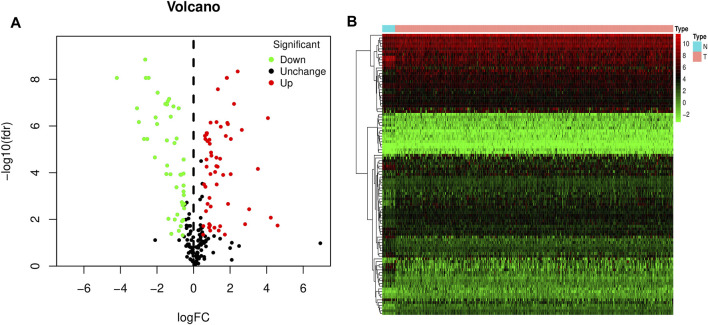
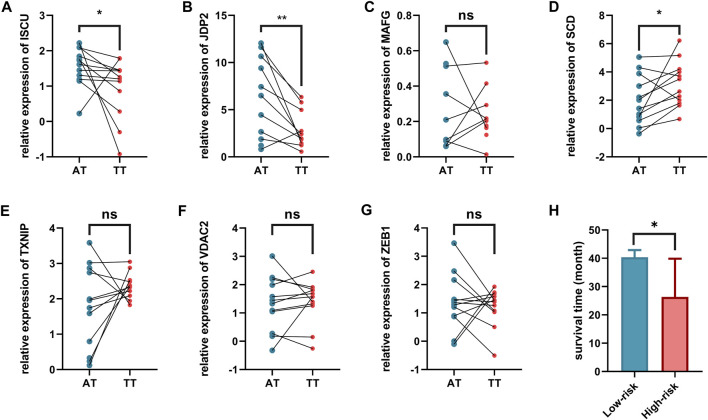
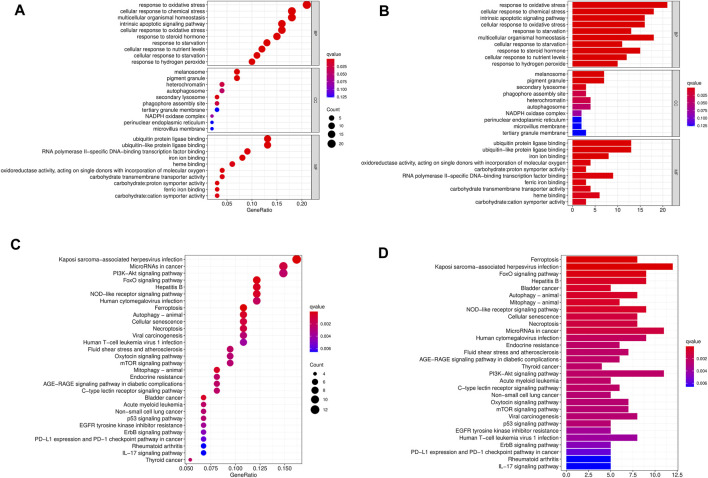
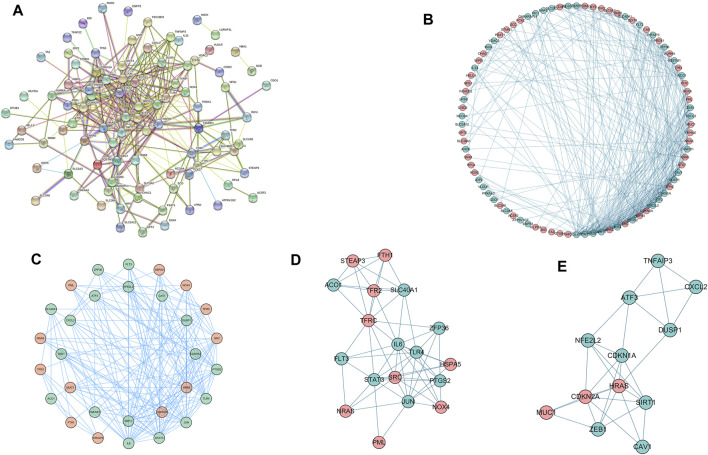
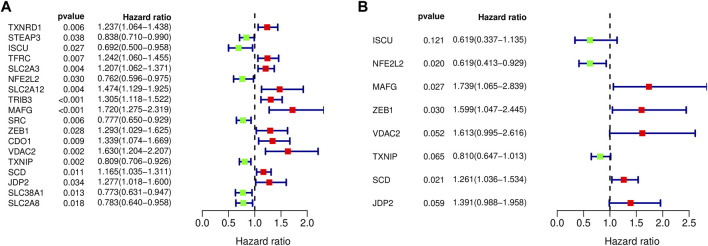
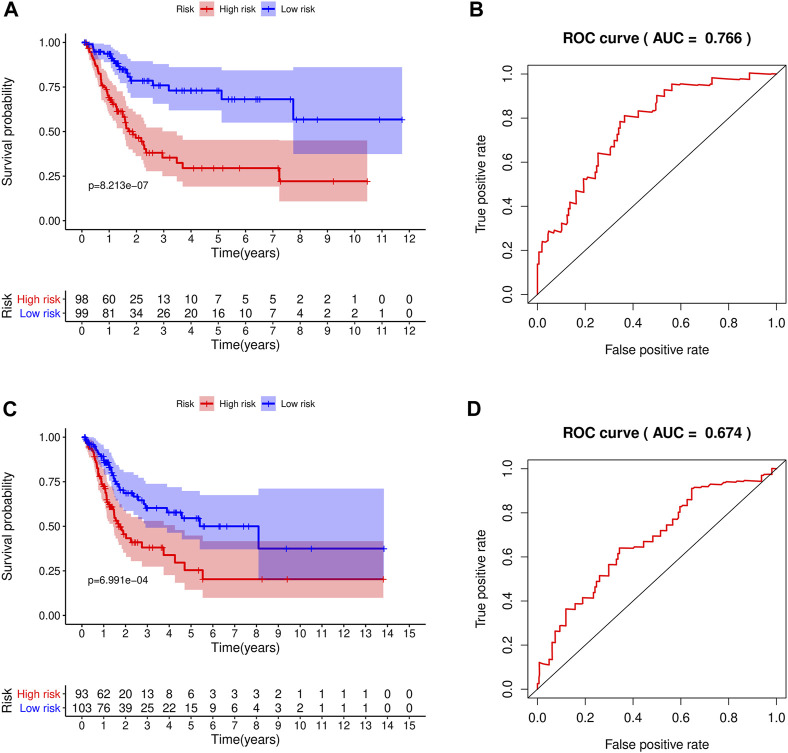
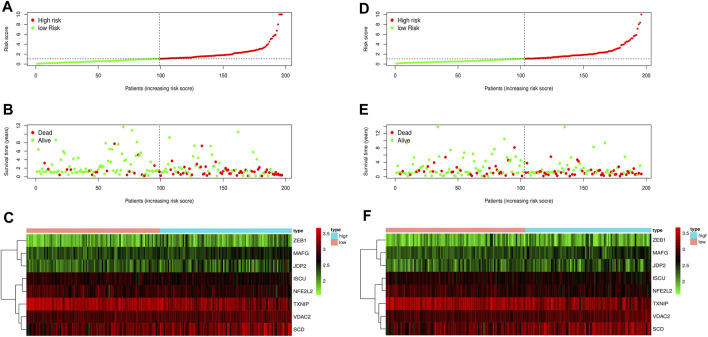
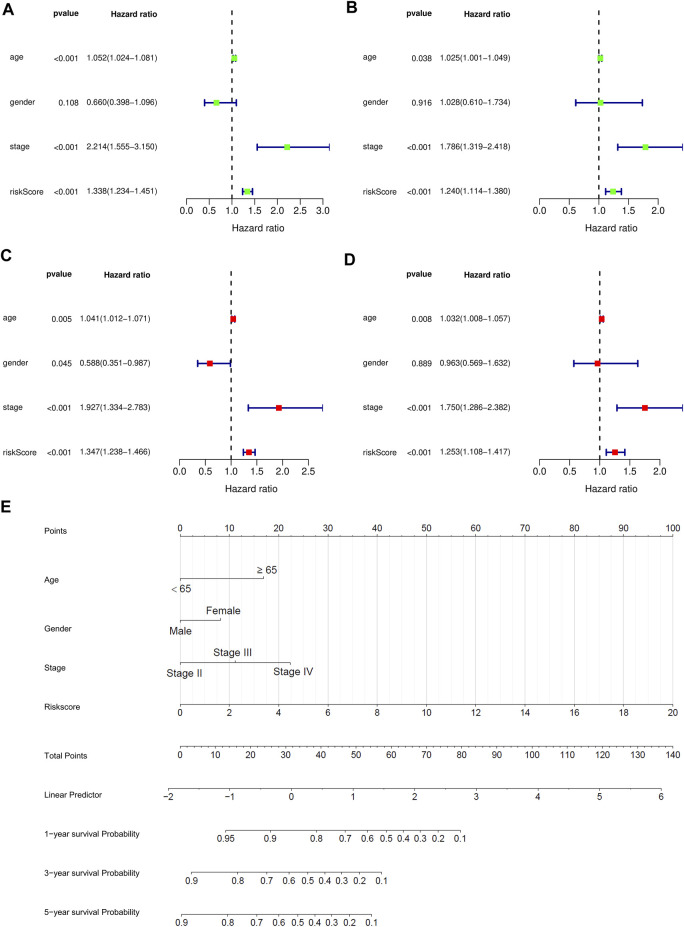
Every year, nearly 170,000 people die from bladder cancer worldwide. A major problem after transurethral resection of bladder tumor is that 40-80% of the tumors recur. Ferroptosis is a type of regulatory necrosis mediated by iron-catalyzed, excessive oxidation of polyunsaturated fatty acids. Increasing the sensitivity of tumor cells to ferroptosis is a potential treatment option for cancer. Establishing a diagnostic and prognostic model based on ferroptosis-related genes may provide guidance for the precise treatment of bladder cancer. We downloaded mRNA data in Bladder Cancer from The Cancer Genome Atlas and analyzed differentially expressed genes based on and extract ferroptosis-related genes. We identified relevant pathways and annotate the functions of ferroptosis-related DEGs using Kyoto Encyclopedia of Genes and Genomes pathway enrichment analysis and Gene Ontology functions. On the website of Search Tool for Retrieving Interacting Genes database (STRING), we downloaded the protein-protein interactions of DEGs, which were drawn by the Cytoscape software. Then the Cox regression analysis were performed so that the prognostic value of ferroptosis-related genes and survival time are combined to identify survival- and ferroptosis-related genes and establish a prognostic formula. Survival analysis and receiver operating characteristic curvevalidation were then performed. Risk curves and nomograms were generated for both groups to predict survival. Finally, RT-qPCR was applied to analyze gene expression. Eight ferroptosis-related genes with prognostic value (ISCU, NFE2L2, MAFG, ZEB1, VDAC2, TXNIP, SCD, and JDP2) were identified. With clinical data, we established a prognostic model to provide promising diagnostic and prognostic information of bladder cancer based on the eight ferroptosis-related genes. RT-qPCR revealed the genes that were differentially expressed between normal and cancer tissues. This study found that the ferroptosis-related genes is associated with bladder cancer, which may serve as new target for the treatment of bladder cancer.
全球每年有近17万人死于膀胱癌。经尿道膀胱肿瘤切除术后的一个主要问题是40%-80%的肿瘤会复发。铁死亡是一种由铁催化的多不饱和脂肪酸过度氧化介导的调节性坏死。提高肿瘤细胞对铁死亡的敏感性是癌症的一种潜在治疗选择。基于铁死亡相关基因建立诊断和预后模型可为膀胱癌的精准治疗提供指导。我们从癌症基因组图谱下载了膀胱癌的mRNA数据,并基于此分析差异表达基因并提取铁死亡相关基因。我们使用京都基因与基因组百科全书通路富集分析和基因本体功能来识别相关通路并注释铁死亡相关差异表达基因的功能。在检索相互作用基因数据库(STRING)的网站上,我们下载了差异表达基因的蛋白质-蛋白质相互作用关系,并由Cytoscape软件绘制。然后进行Cox回归分析,将铁死亡相关基因的预后价值与生存时间相结合,以识别与生存和铁死亡相关的基因并建立预后公式。随后进行生存分析和受试者工作特征曲线验证。为两组生成风险曲线和列线图以预测生存情况。最后,应用逆转录-定量聚合酶链反应(RT-qPCR)分析基因表达。我们鉴定出8个具有预后价值的铁死亡相关基因(ISCU、NFE2L2、MAFG、ZEB1、VDAC2、TXNIP、SCD和JDP2)。结合临床数据,我们基于这8个铁死亡相关基因建立了一个预后模型,为膀胱癌提供有前景的诊断和预后信息。RT-qPCR揭示了正常组织和癌组织之间差异表达的基因。本研究发现铁死亡相关基因与膀胱癌有关,这可能成为膀胱癌治疗的新靶点。