AP-HP, Hôpital Paul Brousse, Service de Virologie, 94800, Villejuif, France.
Laboratoire de Virologie, Hôpital Paul Brousse, 12 avenue Paul Vaillant Couturier, 94800, Villejuif, France.
BMC Infect Dis. 2021 Dec 7;21(1):1223. doi: 10.1186/s12879-021-06902-1.
To manage severe or potentially severe cases of CoronaVirus Disease 2019 (COVID-19), therapeutic monoclonal antibodies targeting Spike protein of Severe Acute Respiratory Syndrome Coronavirus-2 (SARS-CoV-2) have been designed. It has been noted in vitro that upon exposure to these treatments, mutations could be selected.
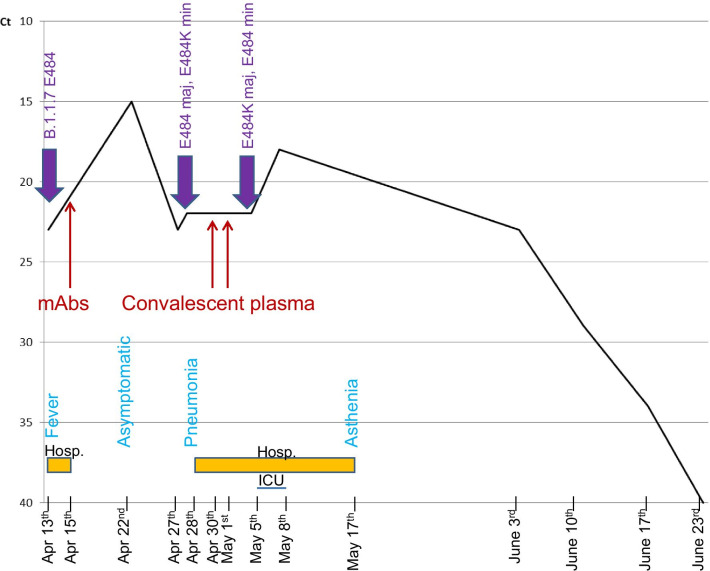
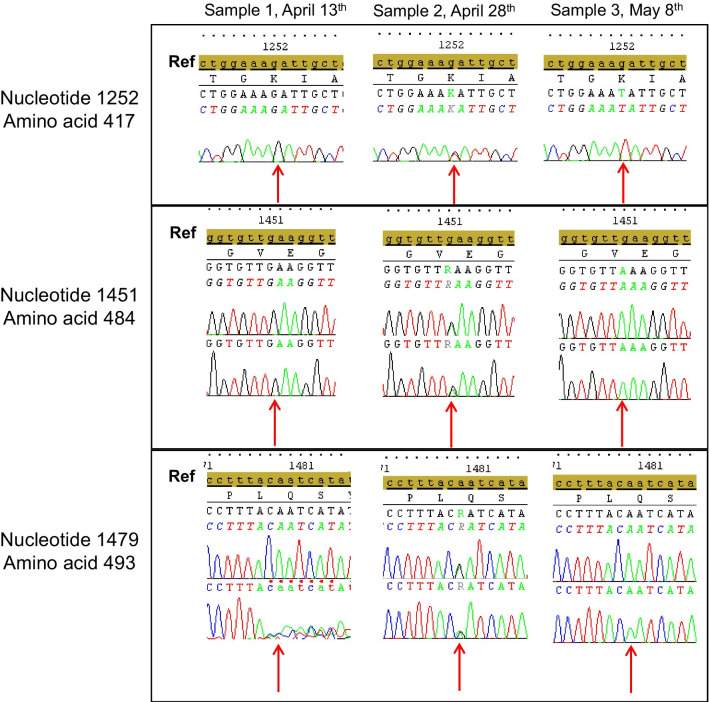
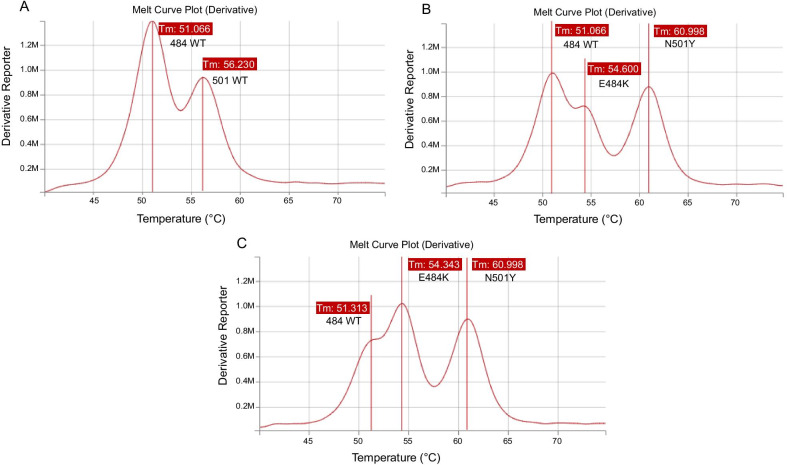
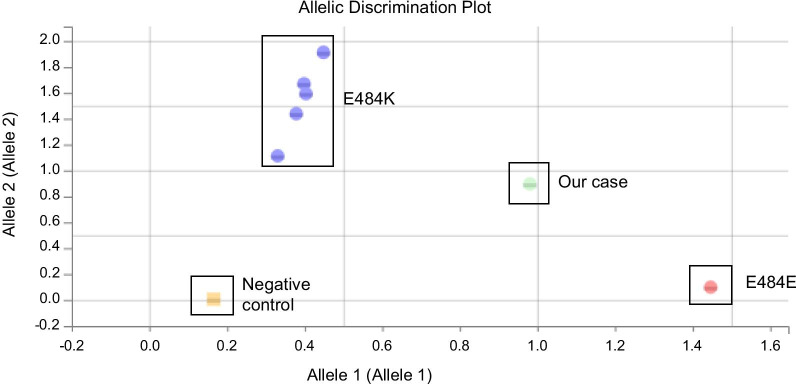
We here report the case of an immunosuppressed patient infected with a B.1.1.7 variant, who received a combination of monoclonal antibodies, and subsequently selected mutations K417N, E484K and Q493R on Spike protein of SARS-CoV-2.
Our case raises the importance of monitoring SARS-CoV-2 mutations in patients receiving monoclonal antibodies and having persistent excretion of the virus, in order to offer optimal management of their infection, and strengthen prevention measures to avoid subsequent transmission of these selected variants.
为了应对严重或潜在严重的 2019 年冠状病毒病(COVID-19)病例,设计了针对严重急性呼吸系统综合征冠状病毒 2(SARS-CoV-2)刺突蛋白的治疗性单克隆抗体。已经在体外注意到,在接触这些治疗方法后,可能会选择突变。
我们在此报告了一例患有 B.1.1.7 变异株的免疫抑制患者的病例,该患者接受了单克隆抗体联合治疗,随后在 SARS-CoV-2 的刺突蛋白上选择了 K417N、E484K 和 Q493R 突变。
我们的病例表明,对于接受单克隆抗体治疗且持续排出病毒的患者,监测 SARS-CoV-2 突变非常重要,以便为其感染提供最佳管理,并加强预防措施,避免这些选定变体的后续传播。