Du Genfa, Cheng Xinyuan, Zhang Zhen, Han Linjing, Wu Keliang, Li Yongjun, Lin Xiaosheng
Department of Orthopedics, Shenzhen Hospital of Integrated Traditional Chinese and Western Medicine, Guangzhou University of Chinese Medicine, Shenzhen, China.
The Fourth Clinical Medical College, Guangzhou University of Chinese Medicine, Shenzhen, China.
Front Genet. 2021 Nov 25;12:759596. doi: 10.3389/fgene.2021.759596. eCollection 2021.
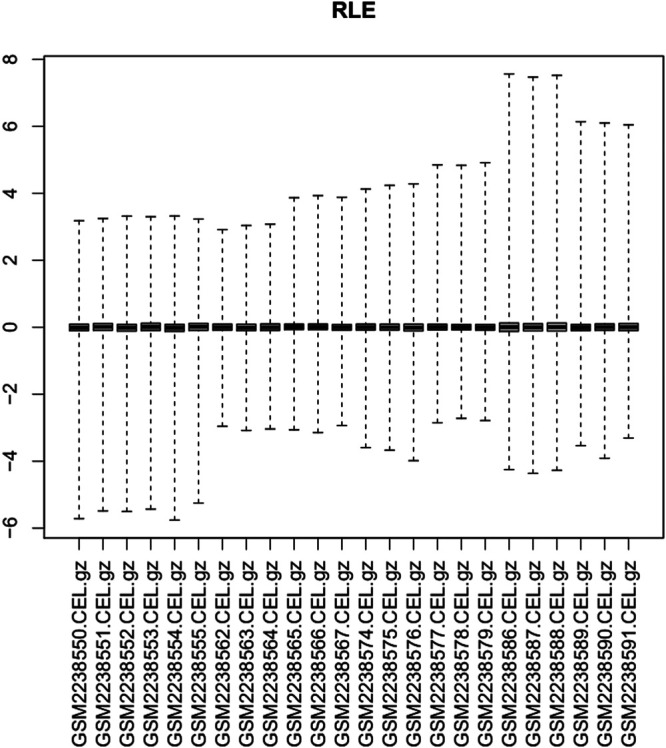
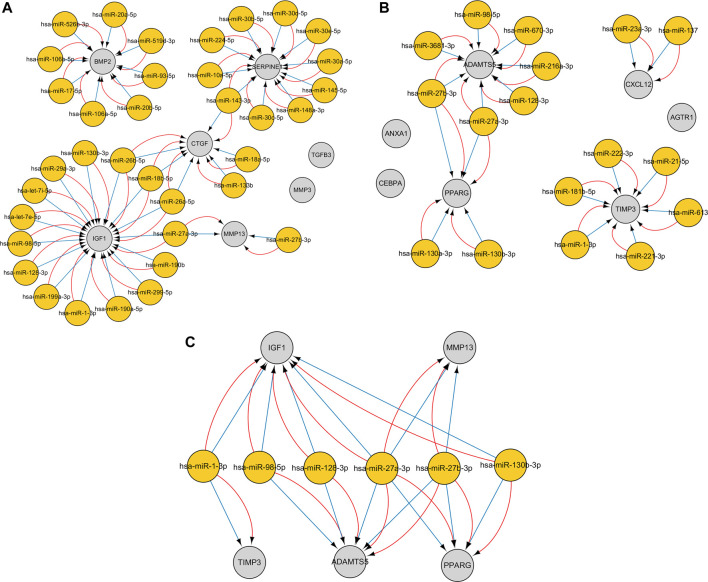
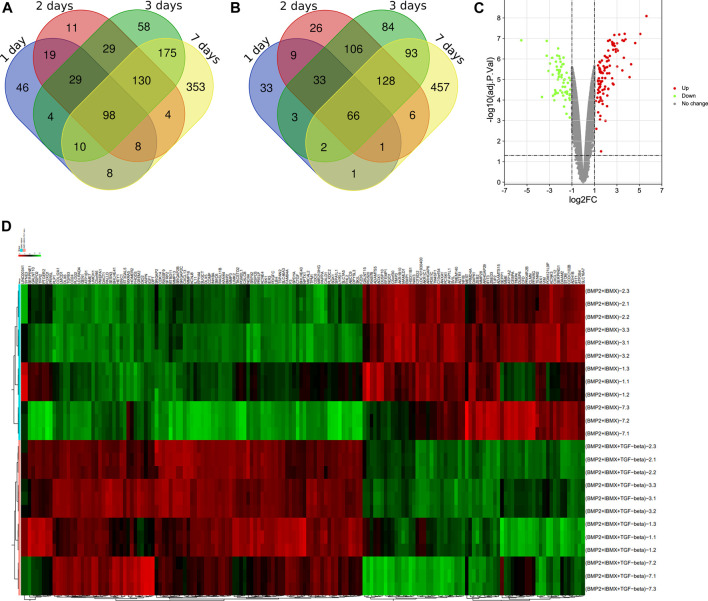
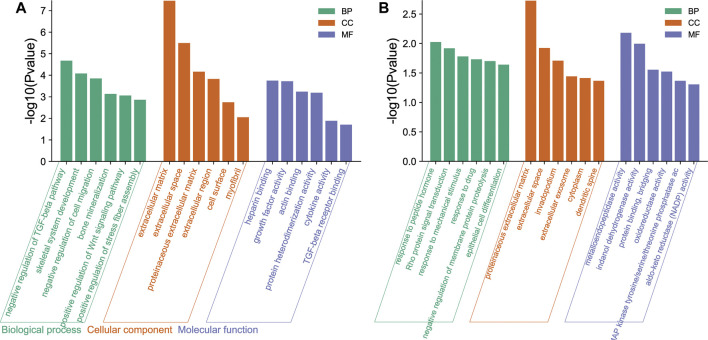
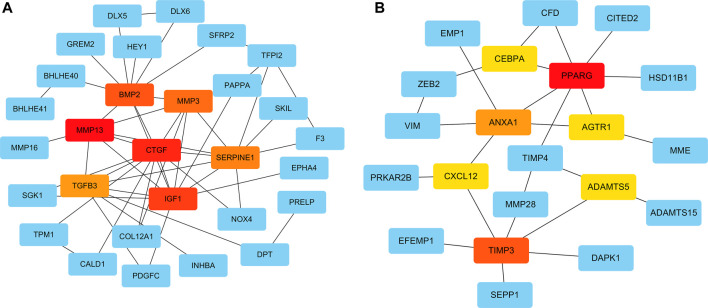
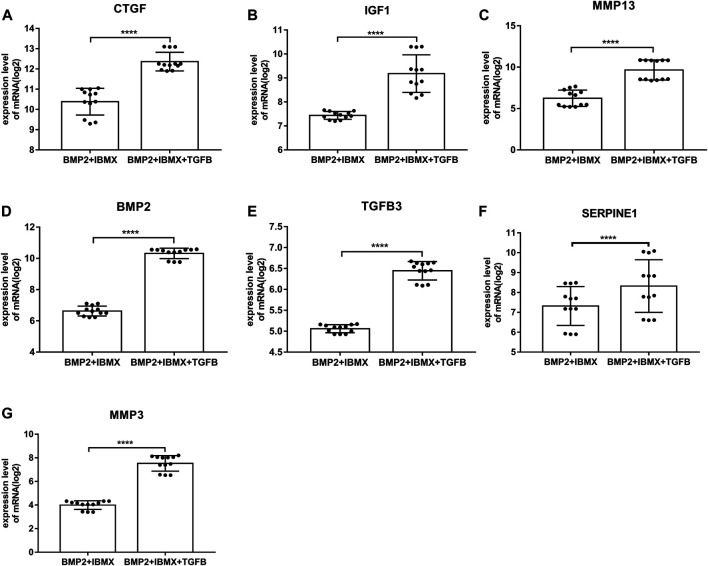
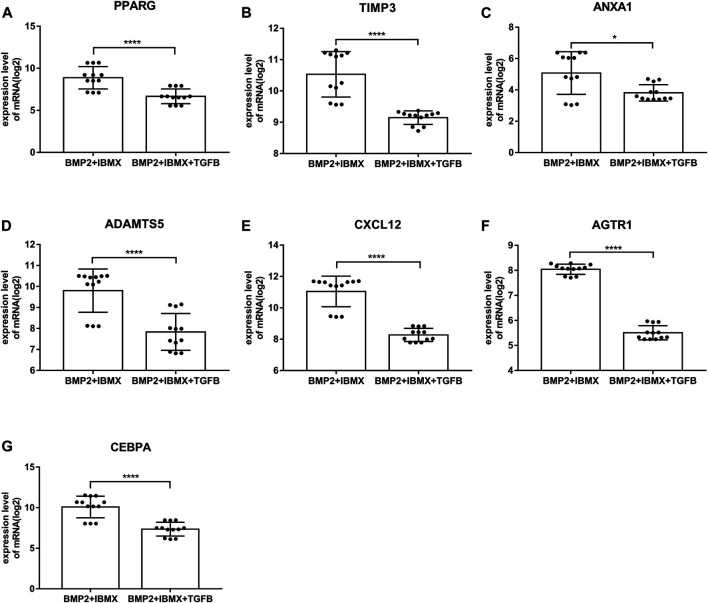
The clinical efficacy of osteoporosis therapy is unsatisfactory. However, there is currently no gold standard for the treatment of osteoporosis. Recent studies have indicated that a switch from osteogenic to adipogenic differentiation in human bone marrow mesenchymal stem cells (hMSCs) induces osteoporosis. This study aimed to provide a more comprehensive understanding of the biological mechanisms involved in this process and to identify key genes involved in osteogenic and adipogenic differentiation in hMSCs to provide new insights for the prevention and treatment of osteoporosis. Microarray and bioinformatics approaches were used to identify the differentially expressed genes (DEGs) involved in osteogenic and adipogenic differentiation, and the biological functions and pathways of these genes were analyzed. Hub genes were identified, and the miRNA-mRNA interaction networks of these hub genes were constructed. In an optimized microenvironment, transforming growth factor-beta (TGF-beta) could promote osteogenic differentiation and inhibit adipogenic differentiation of hMSCs. According to our study, 98 upregulated genes involved in osteogenic differentiation and 66 downregulated genes involved in adipogenic differentiation were identified, and associated biological functions and pathways were analyzed. Based on the protein-protein interaction (PPI) networks, the hub genes of the upregulated genes (CTGF, IGF1, BMP2, MMP13, TGFB3, MMP3, and SERPINE1) and the hub genes of the downregulated genes (PPARG, TIMP3, ANXA1, ADAMTS5, AGTR1, CXCL12, and CEBPA) were identified, and statistical analysis revealed significant differences. In addition, 36 miRNAs derived from the upregulated hub genes were screened, as were 17 miRNAs derived from the downregulated hub genes. Hub miRNAs (hsa-miR-27a/b-3p, hsa-miR-128-3p, hsa-miR-1-3p, hsa-miR-98-5p, and hsa-miR-130b-3p) coregulated both osteogenic and adipogenic differentiation factors. The upregulated hub genes identified are potential targets for osteogenic differentiation in hMSCs, whereas the downregulated hub genes are potential targets for adipogenic differentiation. These hub genes and miRNAs play important roles in adipogenesis and osteogenesis of hMSCs. They may be related to the prevention and treatment not only of osteoporosis but also of obesity.
骨质疏松症治疗的临床疗效并不理想。然而,目前尚无治疗骨质疏松症的金标准。最近的研究表明,人类骨髓间充质干细胞(hMSCs)从成骨分化向脂肪生成分化的转变会诱发骨质疏松症。本研究旨在更全面地了解这一过程中涉及的生物学机制,并确定hMSCs中参与成骨和脂肪生成分化的关键基因,为骨质疏松症的预防和治疗提供新的见解。采用微阵列和生物信息学方法来鉴定参与成骨和脂肪生成分化的差异表达基因(DEGs),并分析这些基因的生物学功能和途径。确定了枢纽基因,并构建了这些枢纽基因的miRNA-mRNA相互作用网络。在优化的微环境中,转化生长因子-β(TGF-β)可促进hMSCs的成骨分化并抑制其脂肪生成分化。根据我们的研究,鉴定出98个参与成骨分化的上调基因和66个参与脂肪生成分化的下调基因,并分析了相关的生物学功能和途径。基于蛋白质-蛋白质相互作用(PPI)网络,确定了上调基因的枢纽基因(CTGF、IGF1、BMP2、MMP13、TGFB3、MMP3和SERPINE1)以及下调基因的枢纽基因(PPARG、TIMP3、ANXA1、ADAMTS5、AGTR1、CXCL12和CEBPA),统计分析显示存在显著差异。此外,筛选出了源自上调枢纽基因的36个miRNA以及源自下调枢纽基因的17个miRNA。枢纽miRNA(hsa-miR-27a/b-3p、hsa-miR-128-3p、hsa-miR-1-3p、hsa-miR-98-5p和hsa-miR-130b-3p)共同调节成骨和脂肪生成分化因子。鉴定出的上调枢纽基因是hMSCs中成骨分化的潜在靶点,而下调枢纽基因是脂肪生成分化的潜在靶点。这些枢纽基因和miRNA在hMSCs的脂肪生成和成骨过程中发挥重要作用。它们可能不仅与骨质疏松症的预防和治疗有关,还与肥胖症的预防和治疗有关。