Shahraki Omolbanin, Ghaznavi Habib, Akbarzadeh-T Niloufar, Shahraki Sheida, Sheervalilou Roghayeh, Kondori Tahere
Cellular and Molecular Research Center, Resistant Tuberculosis Institute, Zahedan University of Medical Sciences, Zahedan, Iran.
Pharmacology Research Center, Zahedan University of Medical Sciences, Zahedan, Iran.
Iran J Pharm Res. 2021 Summer;20(3):618-635. doi: 10.22037/ijpr.2021.114685.14996.
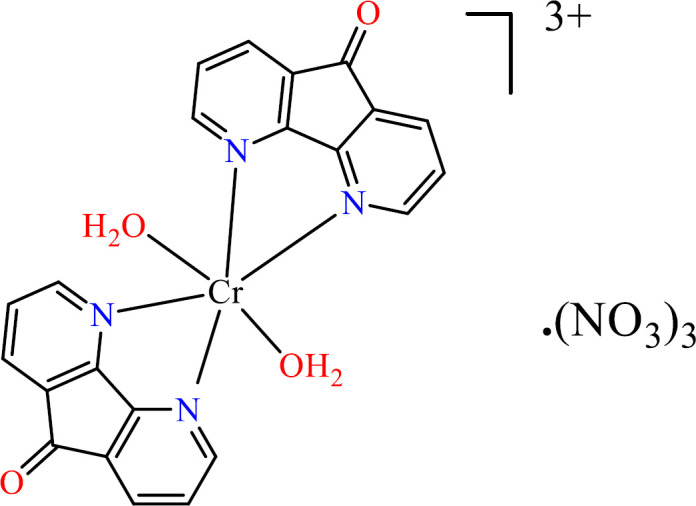
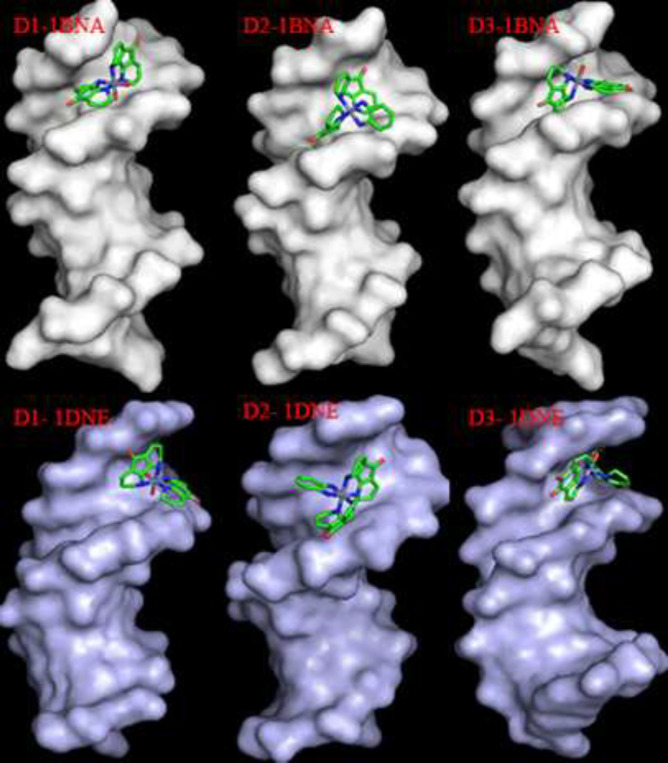
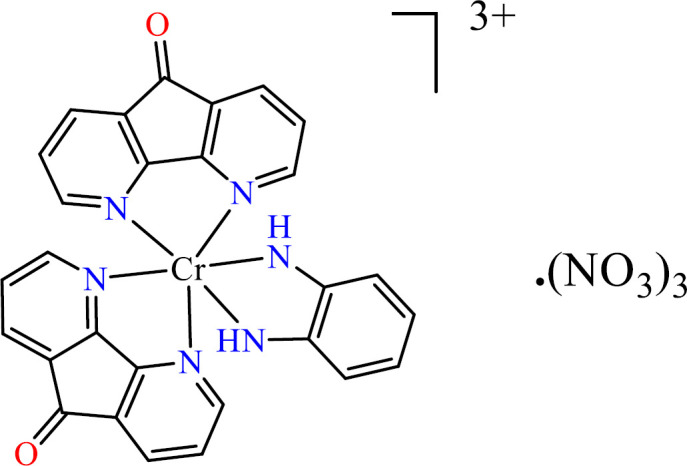
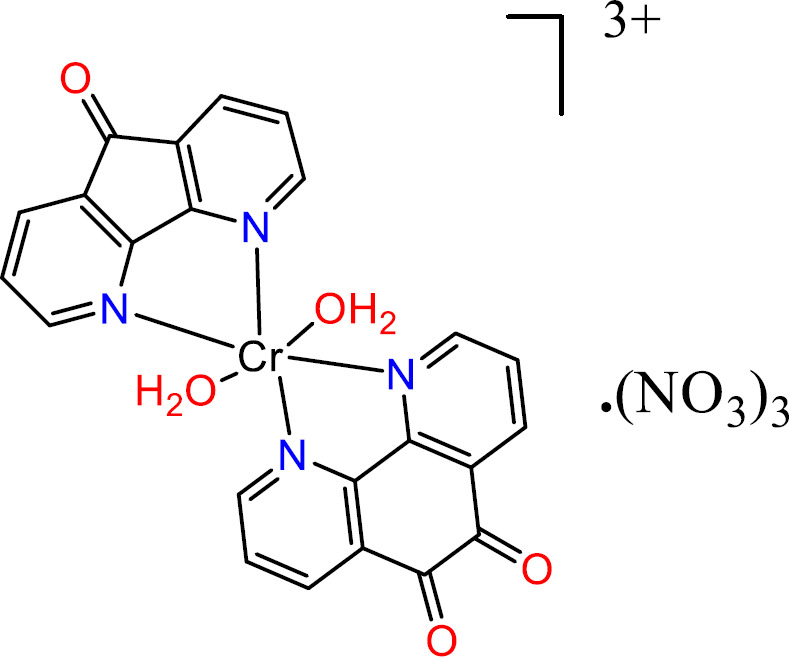
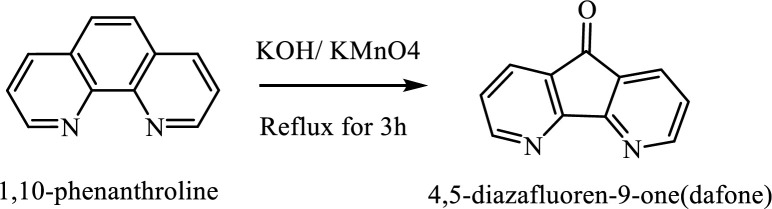
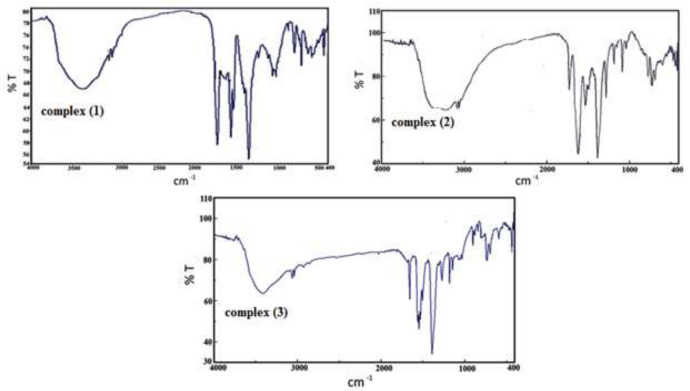
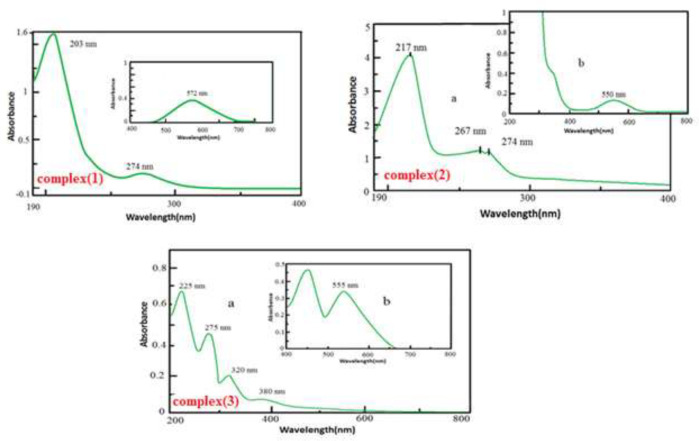
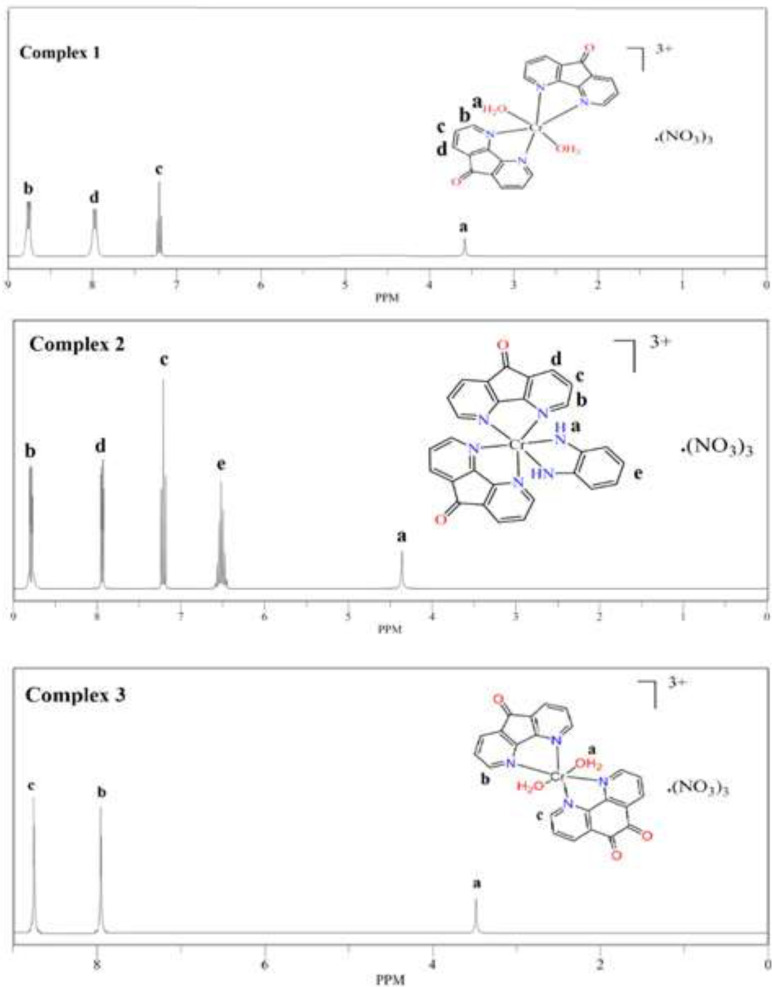
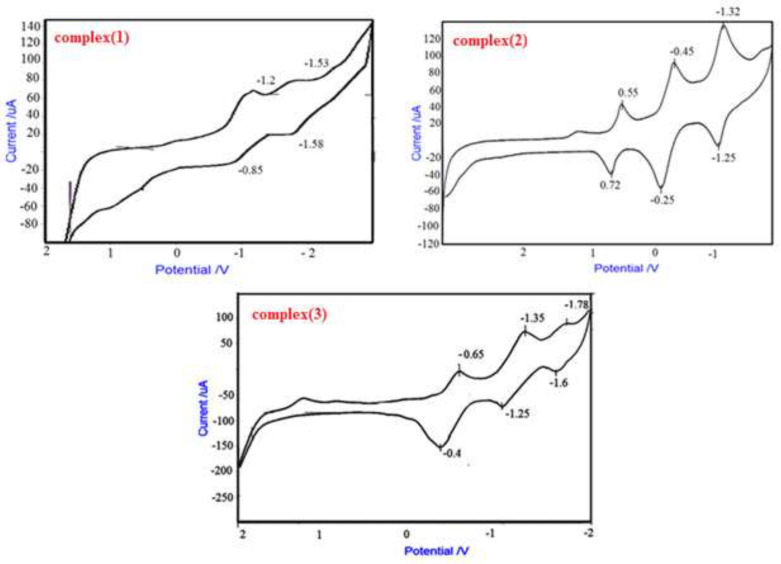
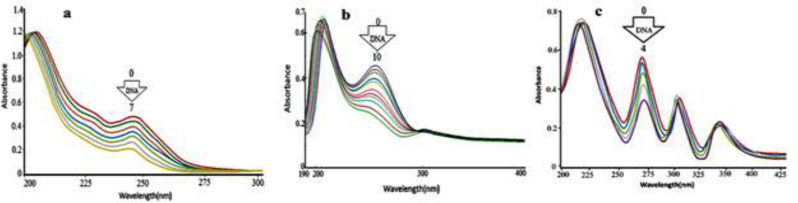
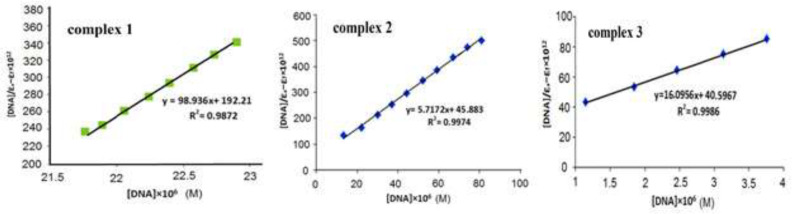
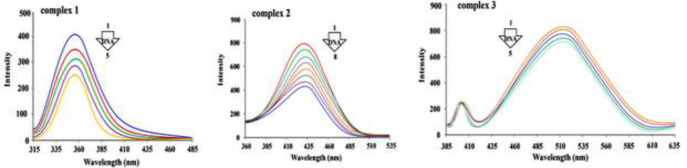
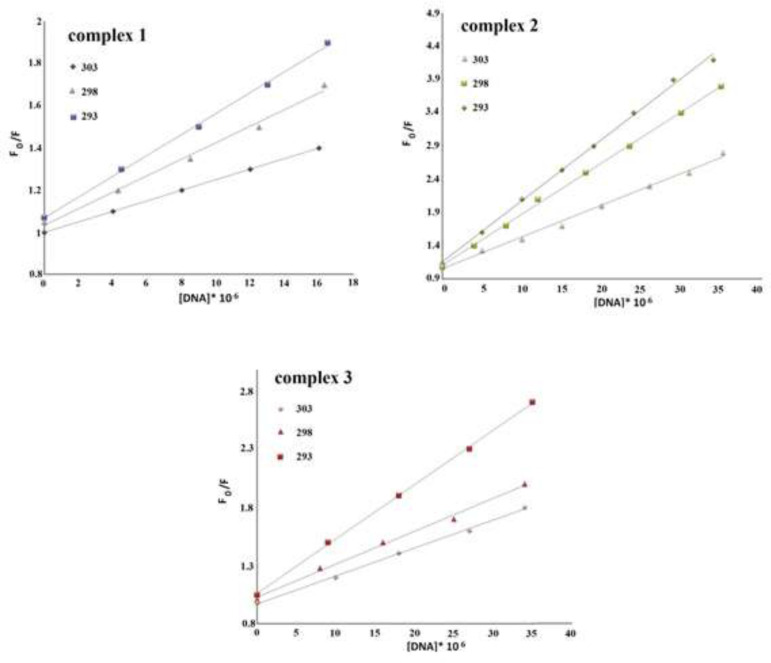
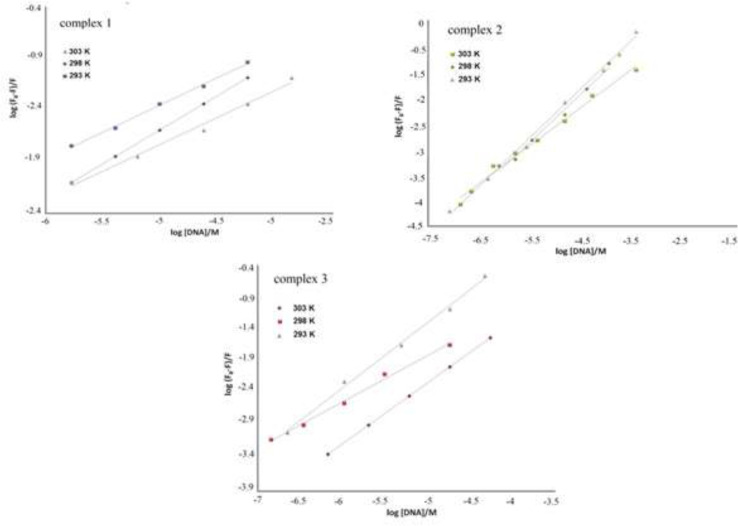
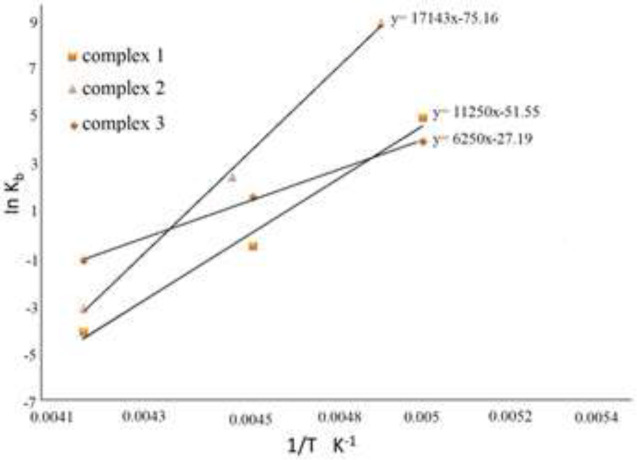
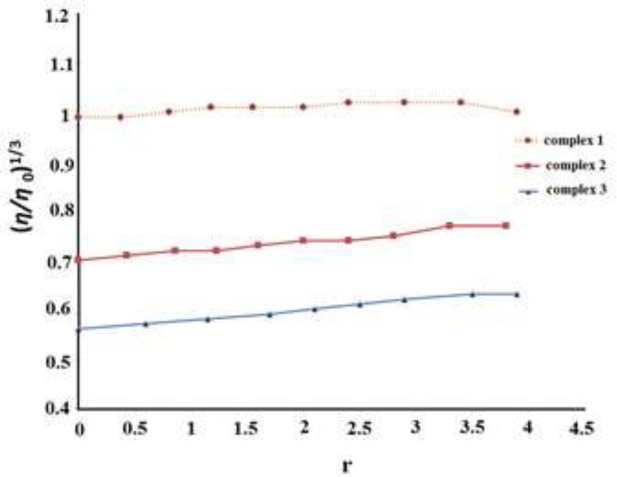
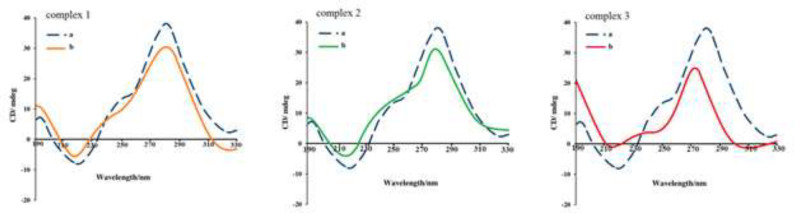
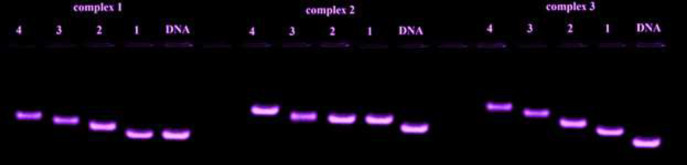
Three novel Cr(III) complexes, Cr(dafone)(HO) (), Cr(opd) (dafone) () and [Cr (phen-dione) (dafone) (HO)].(NO) () were synthesized and characterized by different techniques. Fluorescence spectroscopy, gel electrophoresis, viscosity measurement, and circular dichroism (CD) were applied to explore the interaction of Cr complexes with FS-DNA. The binding constant (K) was obtained from UV-Vis measurements. The obtained results exhibited the effective binding of target complexes to DNA double-strand. The fluorescence data appraised both binding and thermodynamic constants of complexes-DNA interactions. The measured thermodynamic factors (∆S˚, ∆H˚, ∆G˚) revealed that hydrogen bonding and van der Waals forces for DNA- Cr(III) complexes bear the most important roles. As well, the Stern-Volmer quenching constants (K) and the binding constants (K) of synthesized compounds and DNA were calculated. The results of thermodynamic parameters showed that the binding of synthesized Cr(III) compounds to DNA was driven mainly through hydrogen bonds and van der Waals interactions. Viscosity measurement results showed that increasing the concentration of synthesized compounds, did not make any major changes in specific viscosity of FS-DNA. The data of viscosity and circular dichroism (CD) support the groove binding mode.
合成了三种新型铬(III)配合物,即Cr(达氟酮)(水)(1)、Cr(邻苯二胺)(达氟酮)(2)和[Cr(苯醌)(达氟酮)(水)]·(硝酸根)(3),并采用不同技术对其进行了表征。应用荧光光谱、凝胶电泳、粘度测量和圆二色性(CD)来探究铬配合物与FS-DNA的相互作用。通过紫外可见光谱测量获得结合常数(K)。所得结果表明目标配合物能有效结合到DNA双链上。荧光数据评估了配合物与DNA相互作用的结合常数和热力学常数。测得的热力学因子(∆S˚、∆H˚、∆G˚)表明,DNA-铬(III)配合物中的氢键和范德华力起最重要作用。此外,还计算了合成化合物与DNA的斯特恩-沃尔默猝灭常数(Ksv)和结合常数(K)。热力学参数结果表明,合成的铬(III)化合物与DNA的结合主要是通过氢键和范德华相互作用驱动的。粘度测量结果表明,增加合成化合物的浓度,FS-DNA的比粘度没有发生任何重大变化。粘度和圆二色性(CD)数据支持沟槽结合模式。