Kuo Chien-Chung, Chen Sheng-Chang, Wang Jr-Yi, Ho Tsung-Jung, Lu Tung-Wu
Department of Orthopedics, China Medical University Hospital, Taichung, Taiwan.
Department of Orthopedics, School of Medicine, China Medical University, Taichung, Taiwan.
Front Bioeng Biotechnol. 2021 Dec 2;9:774771. doi: 10.3389/fbioe.2021.774771. eCollection 2021.
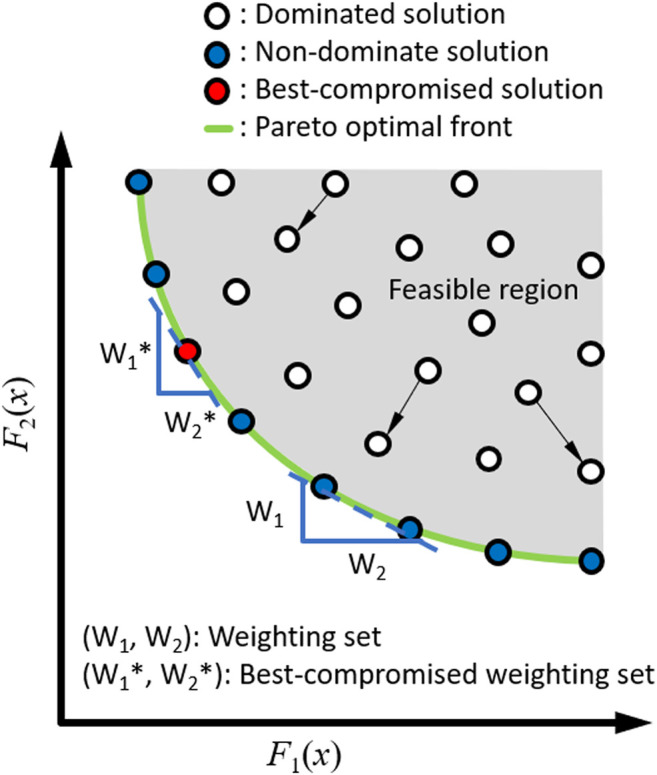
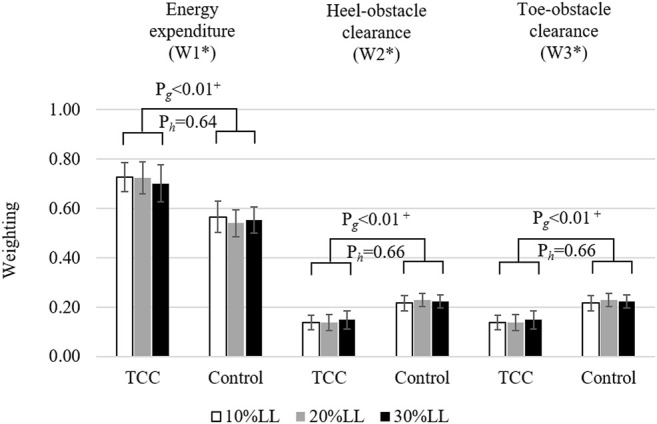
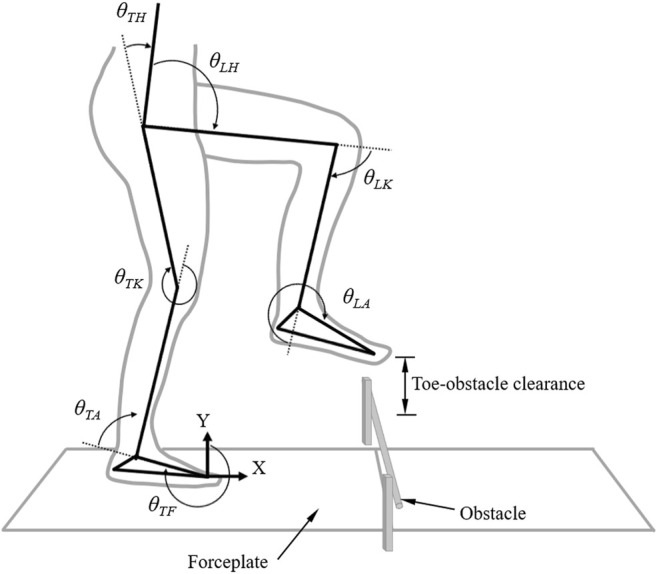
Obstacle-crossing increases the risk of falls in older people. This study aimed to identify the effects of long-term Tai-Chi Chuan (TCC) practice on the control strategies for obstacle-crossing in older people. A multi-objective optimal control technique with measured gait data was used to identify the control strategies adopted by 15 long-term TCC practitioners and 15 healthy controls when crossing obstacles of different heights, in terms of the best-compromise weighting sets for the conflicting objectives of minimizing energy expenditure and maximizing the toe-obstacle and heel-obstacle clearances. The long-term TCC older practitioners adopted a best-compromise control strategy similar to those adopted by young adults, with greater weightings on the minimization of the mechanical energy expenditure and smaller weightings on foot-clearance as compared to non-TCC controls (TCC: 0.72, 0.14, 0.14; Control: 0.55, 0.225, 0.225). This strategy enabled the long-term TCC older practitioners to cross obstacles with significantly greater leading-toe clearances but with relatively less mechanical energy expenditure. With the current approach, further simulations of obstacle-crossing mechanics with a given weighting set will be useful for answering clinically relevant what-if questions, such as what abilities would be needed if the non-TCC older people were to cross obstacles using the crossing strategy of the TCC people.
跨越障碍物会增加老年人跌倒的风险。本研究旨在确定长期练习太极拳(TCC)对老年人跨越障碍物控制策略的影响。采用一种结合实测步态数据的多目标最优控制技术,从最小化能量消耗和最大化脚趾与障碍物及脚跟与障碍物间隙这两个相互冲突目标的最佳折衷加权集方面,确定15名长期练习太极拳者和15名健康对照者在跨越不同高度障碍物时所采用的控制策略。长期练习太极拳的老年参与者采用了一种与年轻人相似的最佳折衷控制策略,与未练习太极拳的对照组相比,他们在最小化机械能消耗方面的权重更大,在脚部间隙方面的权重更小(太极拳组:0.72、0.14、0.14;对照组:0.55、0.225、0.225)。这种策略使长期练习太极拳的老年参与者能够以显著更大的前脚尖间隙跨越障碍物,但机械能消耗相对较少。采用当前方法,使用给定加权集对跨越障碍物力学进行进一步模拟,将有助于回答临床相关的假设性问题,例如,如果未练习太极拳的老年人要采用练习太极拳者的跨越策略跨越障碍物,需要具备哪些能力。