Lin Li-Chiung, Quon Tezz, Engberg Susanna, Mackenzie Amanda E, Tobin Andrew B, Milligan Graeme
The Centre for Translational Pharmacology, Institute of Molecular, Cellular and Systems Biology, College of Medical, Veterinary and Life Sciences, University of Glasgow, Glasgow G12 8QQ, United Kingdom.
Discovery Biology, Discovery Sciences, R&D, AstraZeneca, Pepparedsleden 1, 431 83 Mölndal, Sweden.
ACS Pharmacol Transl Sci. 2021 Nov 30;4(6):1835-1848. doi: 10.1021/acsptsci.1c00224. eCollection 2021 Dec 10.
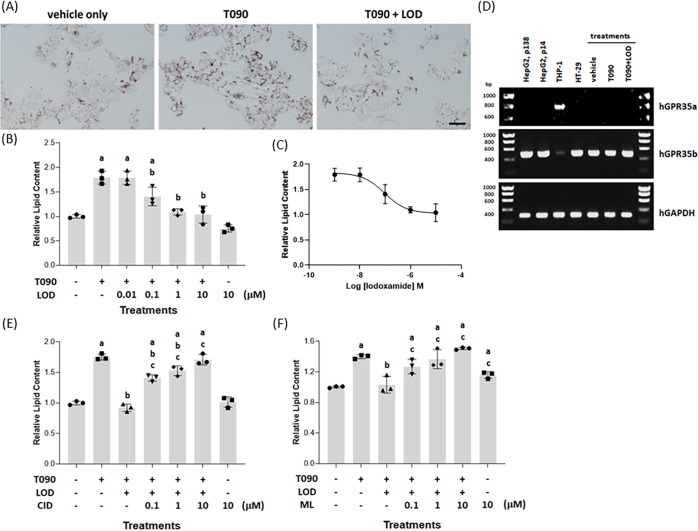
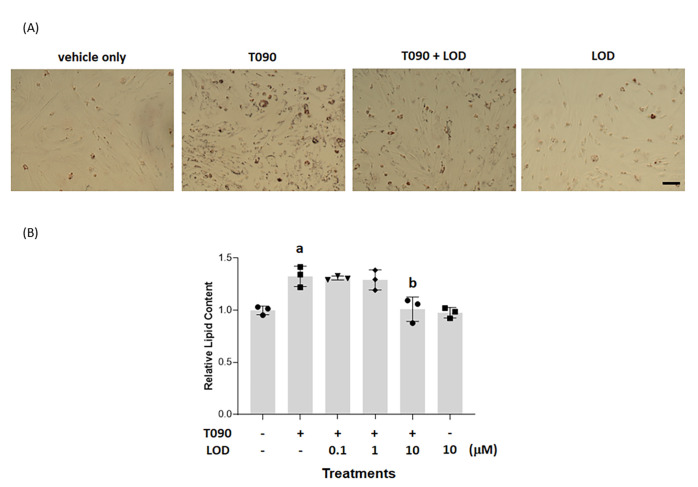
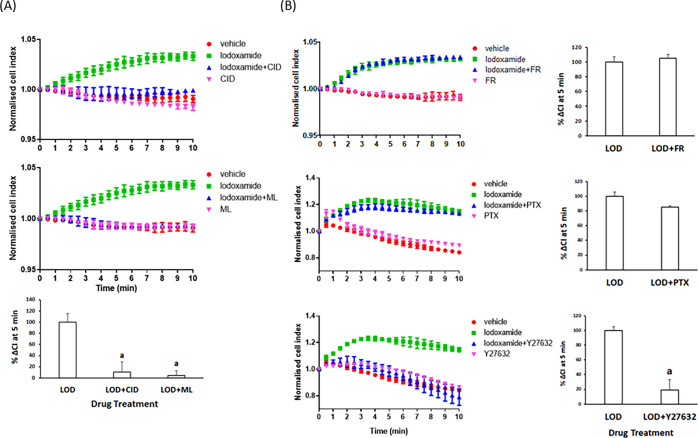
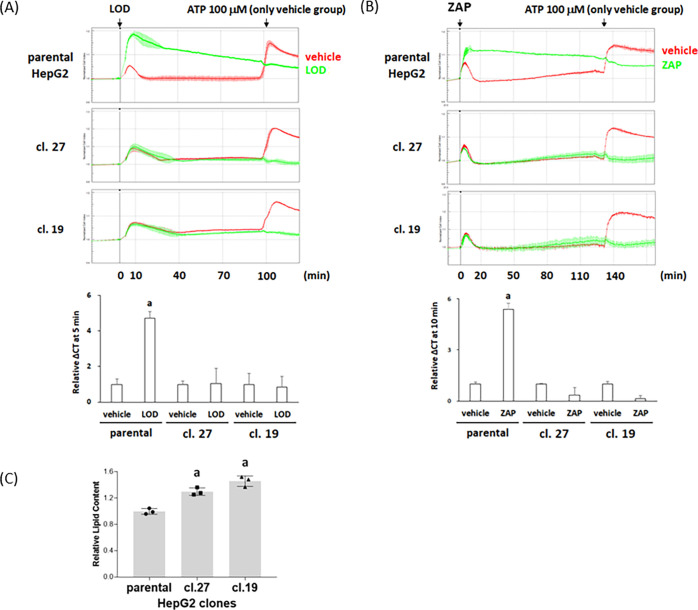
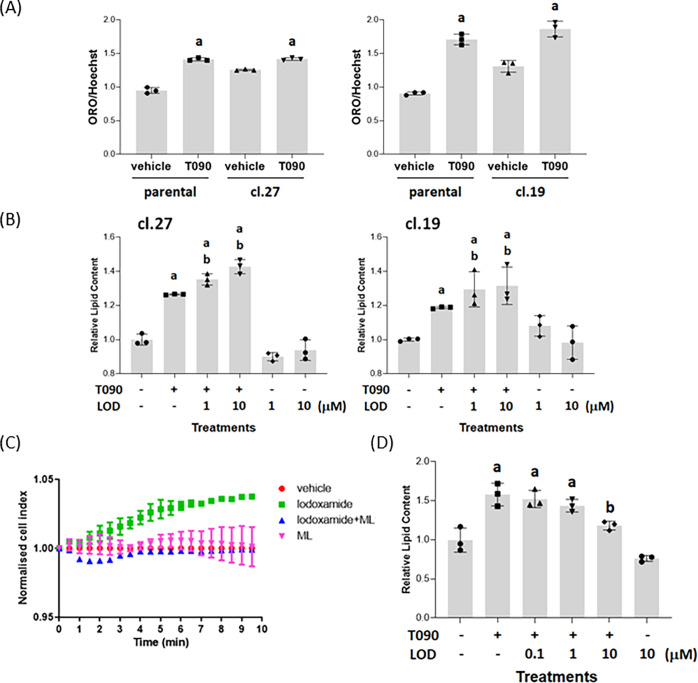
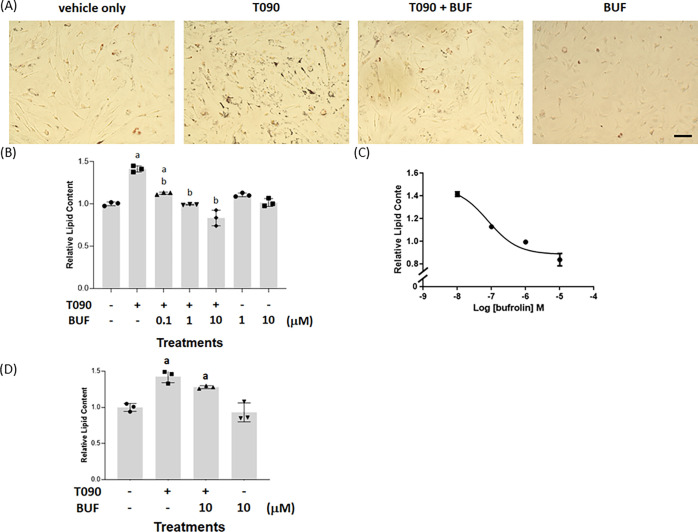
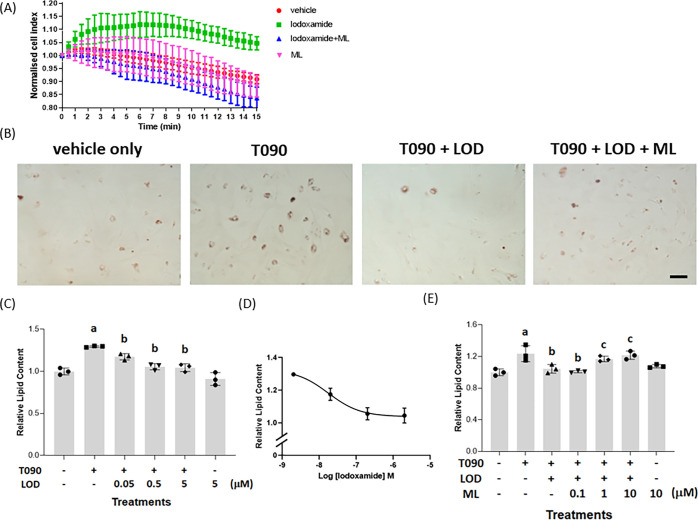
Although prevalent, nonalcoholic fatty liver disease is not currently treated effectively with medicines. Initially, using wild-type and genome-edited clones of the human hepatocyte cell line HepG2, we show that activation of the orphan G protein-coupled receptor GPR35 is both able and sufficient to block liver X-receptor-mediated lipid accumulation. Studies on hepatocytes isolated from both wild-type and GPR35 knock-out mice were consistent with a similar effect of GPR35 agonists in these cells, but because of marked differences in the pharmacology of GPR35 agonists and antagonists at the mouse and human orthologues, as well as elevated basal lipid levels in hepatocytes from the GPR35 knock-out mice, no definitive conclusion could be reached. To overcome this, we generated and characterized a transgenic knock-in mouse line in which the corresponding human GPR35 splice variant replaced the mouse orthologue. In hepatocytes from these humanized GPR35 mice, activation of this receptor was shown conclusively to prevent, and also reverse, lipid accumulation induced by liver X-receptor stimulation. These studies highlight the potential to target GPR35 in the context of fatty liver diseases.
尽管非酒精性脂肪性肝病很普遍,但目前药物治疗效果不佳。最初,我们使用人肝细胞系HepG2的野生型和基因编辑克隆,发现孤儿G蛋白偶联受体GPR35的激活既能且足以阻断肝脏X受体介导的脂质积累。对从野生型和GPR35基因敲除小鼠分离的肝细胞的研究与GPR35激动剂在这些细胞中的类似作用一致,但由于GPR35激动剂和拮抗剂在小鼠和人类同源物上的药理学存在显著差异,以及GPR35基因敲除小鼠肝细胞中的基础脂质水平升高,无法得出明确结论。为了克服这一问题,我们构建并鉴定了一种转基因敲入小鼠品系,其中相应的人类GPR35剪接变体取代了小鼠同源物。在这些人源化GPR35小鼠的肝细胞中,该受体的激活最终被证明可以预防并逆转肝脏X受体刺激诱导的脂质积累。这些研究突出了在脂肪性肝病背景下靶向GPR35的潜力。