Davey Steven, Halberstadt Jamin, Bell Elliot
Department of Psychological Medicine, University of Otago Wellington, Wellington, New Zealand.
Department of Psychology, University of Otago, Dunedin, New Zealand.
PLoS One. 2021 Dec 22;16(12):e0261685. doi: 10.1371/journal.pone.0261685. eCollection 2021.
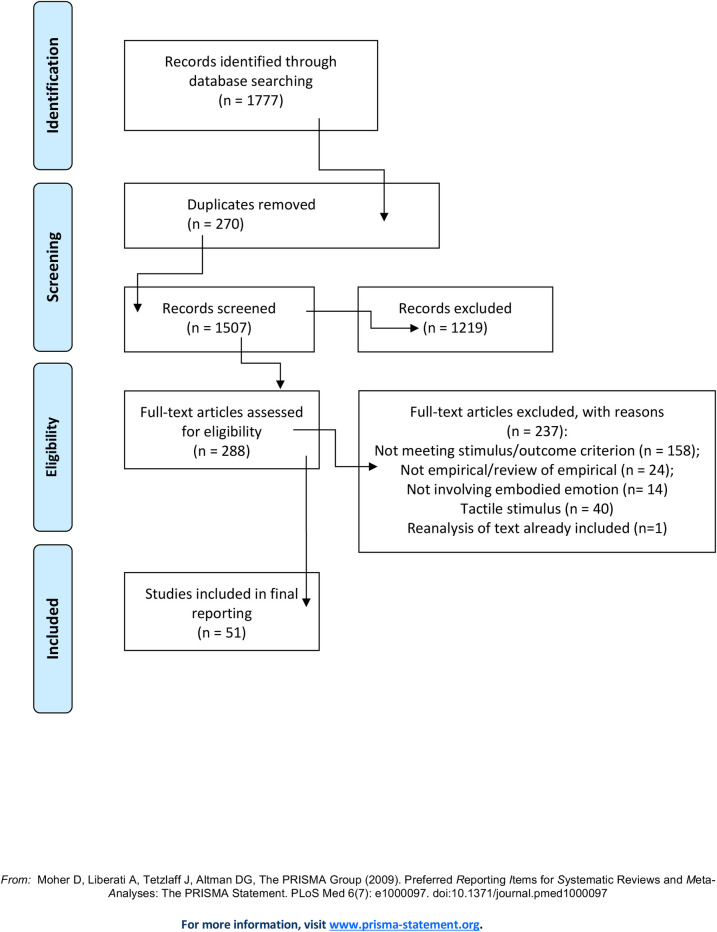
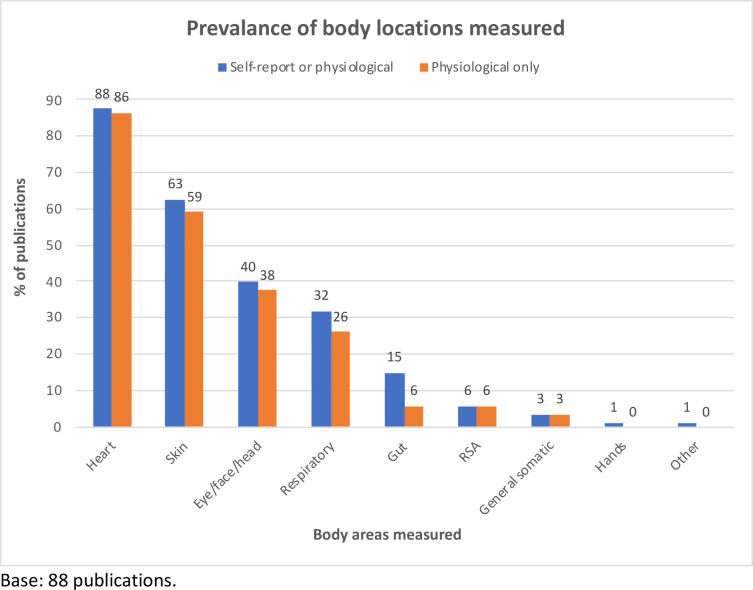
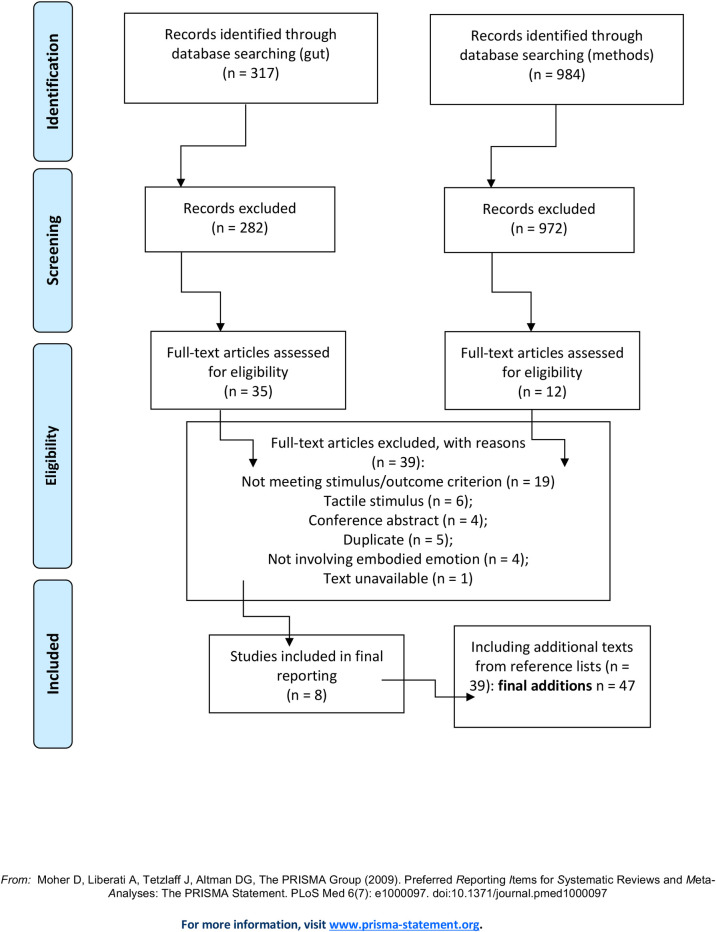
Contemporary research on "embodied emotion" emphasizes the role of the body in emotional feeling. The evidence base on interoception, arguably the most prominent strand of embodied emotion research, places emphasis on the cardiac, respiratory and gastrointestinal systems. In turn, interoception has evidence-based links with improved emotion regulation. Despite the focus on separate bodily systems, it is unclear whether particular interoceptive locations play a greater role in emotional feeling and emotion regulation. Further, according to Gross' "process model", the sooner that regulation of an emotion occurs, the better; hence, it is additionally important to identify the first body areas to activate. These issues are investigated in a two-stage integrative review. The first stage was preliminary, giving an overview of the evidence base to highlight the distribution of measured body areas. This indicated that 86% of publications (n = 88) measured cardiac activity, 26% measured the respiratory system, and six percent the gastrointestinal system. Given the emphasis placed on all three systems in interoception theory and research on emotion, this suggests a dearth of comprehensive findings pertaining to feeling locations. The second stage investigated the core issues of where emotional feelings are felt in the body and time-related implications for regulation. This was based on ten texts, which together suggested that the head, throat and chest are the most consistently detected locations across and within numerous emotional contexts. Caution is required, however, since-among other reasons discussed-measurement was not time-restricted in these latter publications, and direct physiological measurement was found in only a minority of cases.
当代关于“具身情感”的研究强调身体在情感体验中的作用。以内感受作用为基础的证据——可以说是具身情感研究中最突出的一个方面——着重关注心脏、呼吸和胃肠系统。相应地,内感受作用与改善情绪调节之间存在基于证据的联系。尽管研究聚焦于不同的身体系统,但尚不清楚特定的内感受部位在情感体验和情绪调节中是否发挥着更大的作用。此外,根据格罗斯的“过程模型”,情绪调节发生得越早越好;因此,确定首先激活的身体部位也格外重要。这些问题在一个两阶段的综合综述中进行了研究。第一阶段是初步研究,概述证据基础以突出所测量身体部位的分布情况。这表明86%的出版物(n = 88)测量了心脏活动,26%测量了呼吸系统,6%测量了胃肠系统。鉴于内感受作用理论及情绪研究对这三个系统均有所侧重,这表明有关感受部位全面的研究发现十分匮乏。第二阶段研究了身体中情感感受发生的位置以及与调节相关的时间影响这些核心问题依据十篇文献展开,这些文献共同表明,在众多情感情境中,头部、喉咙和胸部是最常被检测到的部位。然而,需要谨慎对待,因为——除其他讨论过原因外——在这些后期出版物中测量并非受时间限制进行的,而且仅在少数情况下进行了直接的生理测量。