Chato Lina, Latifi Shahram
Department of Electrical and Computer Engineering, Howard R. Hughes College of Engineering, University of Nevada, Las Vegas (UNLV), Las Vegas, NV 89154, USA.
J Pers Med. 2021 Dec 9;11(12):1336. doi: 10.3390/jpm11121336.
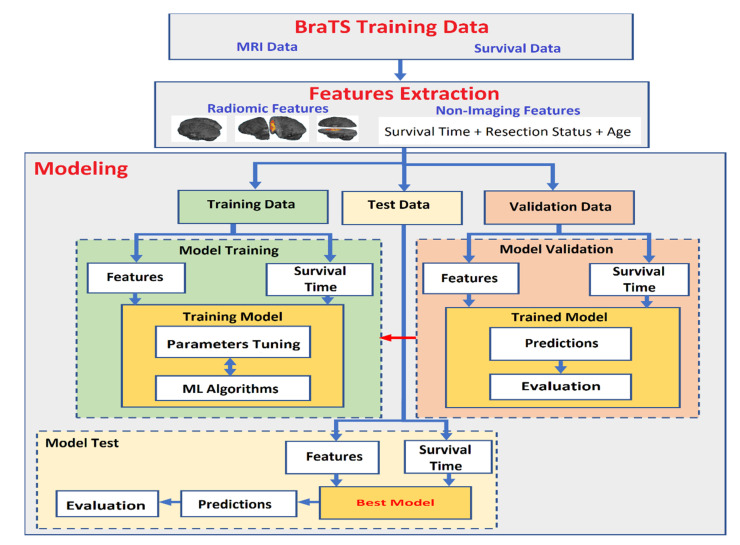
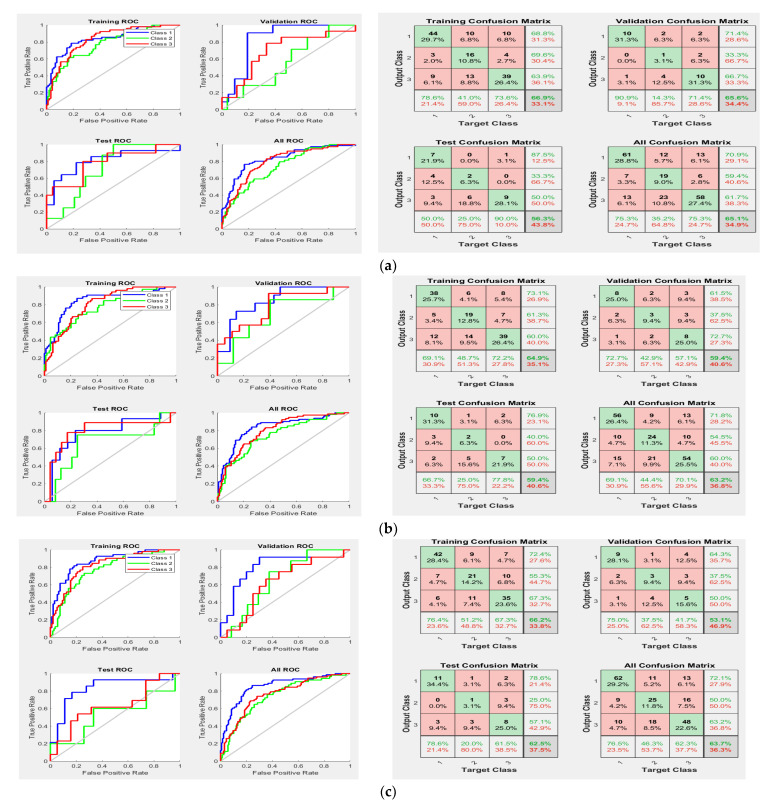
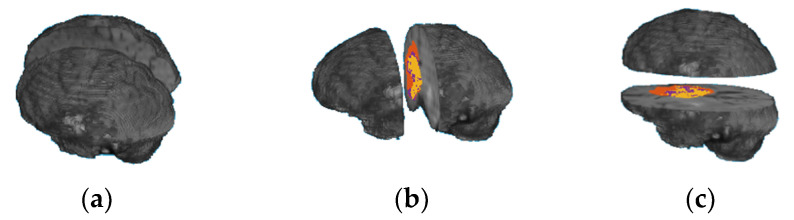
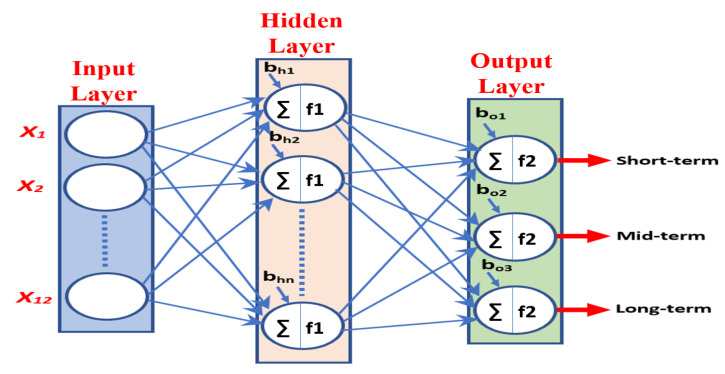
Glioblastoma is an aggressive brain tumor with a low survival rate. Understanding tumor behavior by predicting prognosis outcomes is a crucial factor in deciding a proper treatment plan. In this paper, an automatic overall survival time prediction system (OST) for glioblastoma patients is developed on the basis of radiomic features and machine learning (ML). This system is designed to predict prognosis outcomes by classifying a glioblastoma patient into one of three survival groups: short-term, mid-term, and long-term. To develop the prediction system, a medical dataset based on imaging information from magnetic resonance imaging (MRI) and non-imaging information is used. A novel radiomic feature extraction method is proposed and developed on the basis of volumetric and location information of brain tumor subregions extracted from MRI scans. This method is based on calculating the volumetric features from two brain sub-volumes obtained from the whole brain volume in MRI images using brain sectional planes (sagittal, coronal, and horizontal). Many experiments are conducted on the basis of various ML methods and combinations of feature extraction methods to develop the best OST system. In addition, the feature fusions of both radiomic and non-imaging features are examined to improve the accuracy of the prediction system. The best performance was achieved by the neural network and feature fusions.
胶质母细胞瘤是一种侵袭性脑肿瘤,生存率较低。通过预测预后结果来了解肿瘤行为是决定合适治疗方案的关键因素。本文基于放射组学特征和机器学习(ML)开发了一种用于胶质母细胞瘤患者的自动总生存时间预测系统(OST)。该系统旨在通过将胶质母细胞瘤患者分类为三个生存组之一来预测预后结果:短期、中期和长期。为了开发该预测系统,使用了一个基于磁共振成像(MRI)的成像信息和非成像信息的医学数据集。基于从MRI扫描中提取的脑肿瘤子区域的体积和位置信息,提出并开发了一种新颖的放射组学特征提取方法。该方法基于使用脑截面平面(矢状面、冠状面和水平面)从MRI图像中的全脑体积获得的两个脑亚体积计算体积特征。基于各种ML方法和特征提取方法的组合进行了许多实验,以开发最佳的OST系统。此外,还研究了放射组学特征和非成像特征的特征融合,以提高预测系统的准确性。神经网络和特征融合取得了最佳性能。