Department of Neurosurgery, University of New Mexico Health Science Center, Albuquerque, NM 87131, USA.
Department of Chemistry and Chemical Biology, University of New Mexico, Albuquerque, NM 87131, USA.
Genes (Basel). 2021 Nov 23;12(12):1860. doi: 10.3390/genes12121860.
Signaling pathways mediated by microRNAs (miRNAs) have been identified as one of the mechanisms that regulate stroke progression and recovery. Recent investigations using stroke patient blood and cerebrospinal fluid (CSF) demonstrated disease-specific alterations in miRNA expression. In this study, for the first time, we investigated miRNA expression signatures in freshly removed human stroke brain tissue.
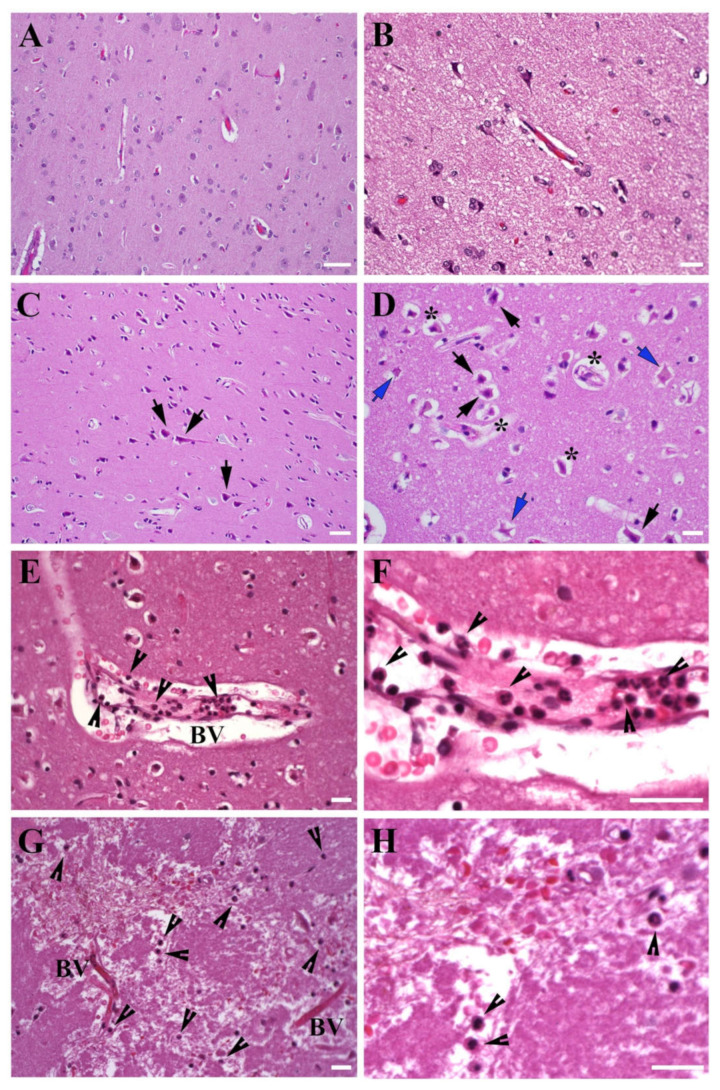
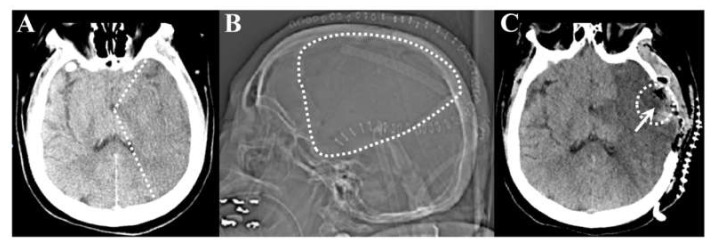
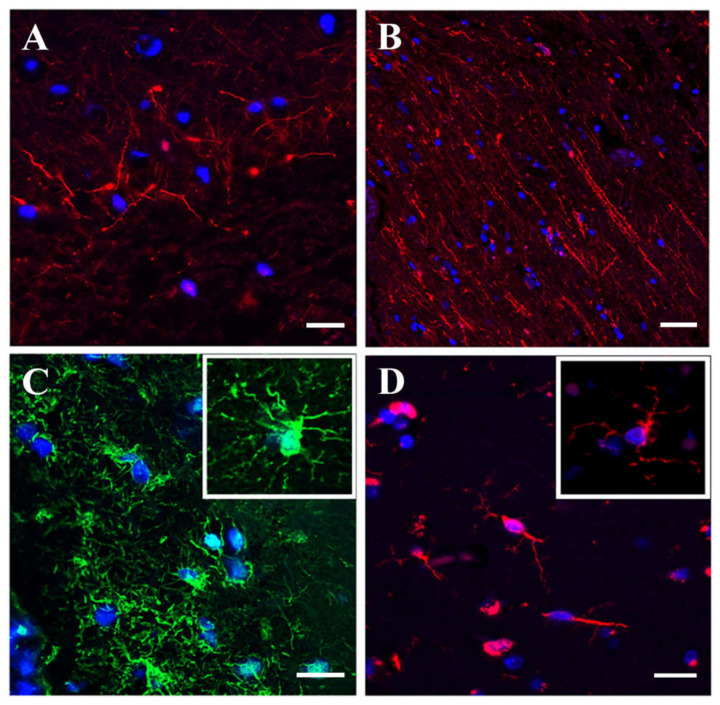
Human brain samples were obtained during craniectomy and brain tissue resection in severe stroke patients with life-threatening brain swelling. The tissue samples were subjected to histopathological and immunofluorescence microscopy evaluation, next generation miRNA sequencing (NGS), and bioinformatic analysis.
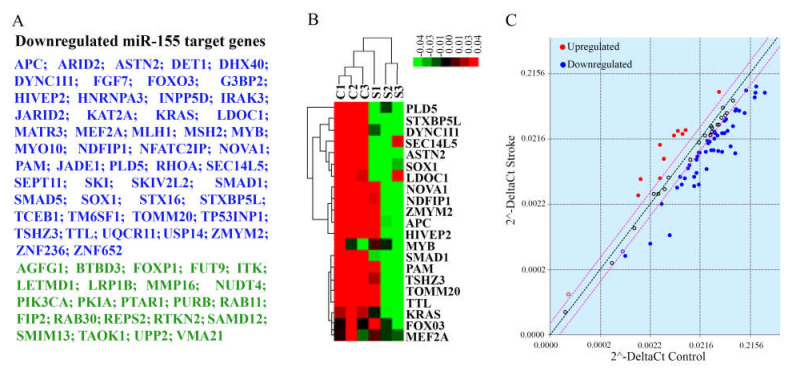
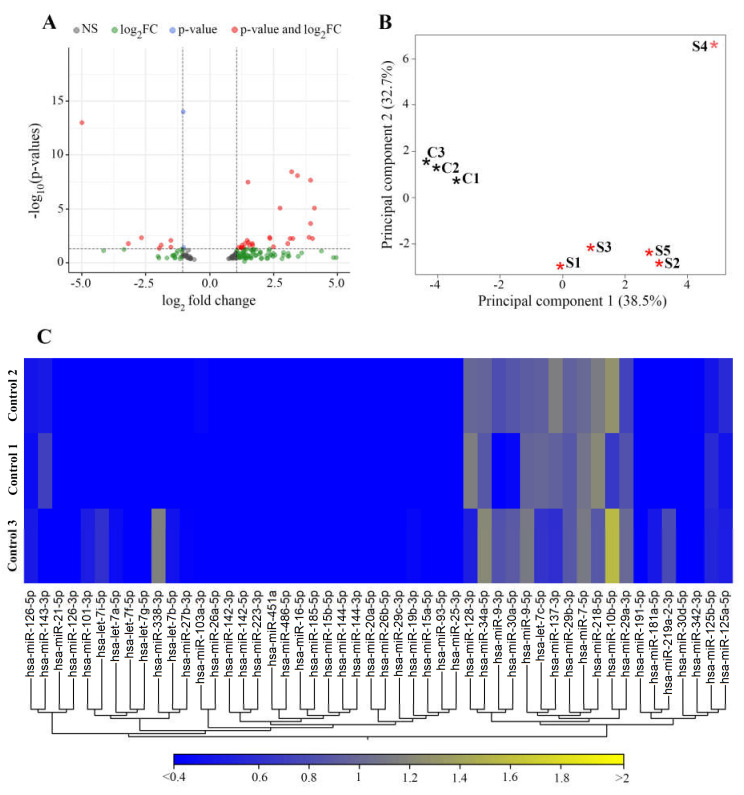
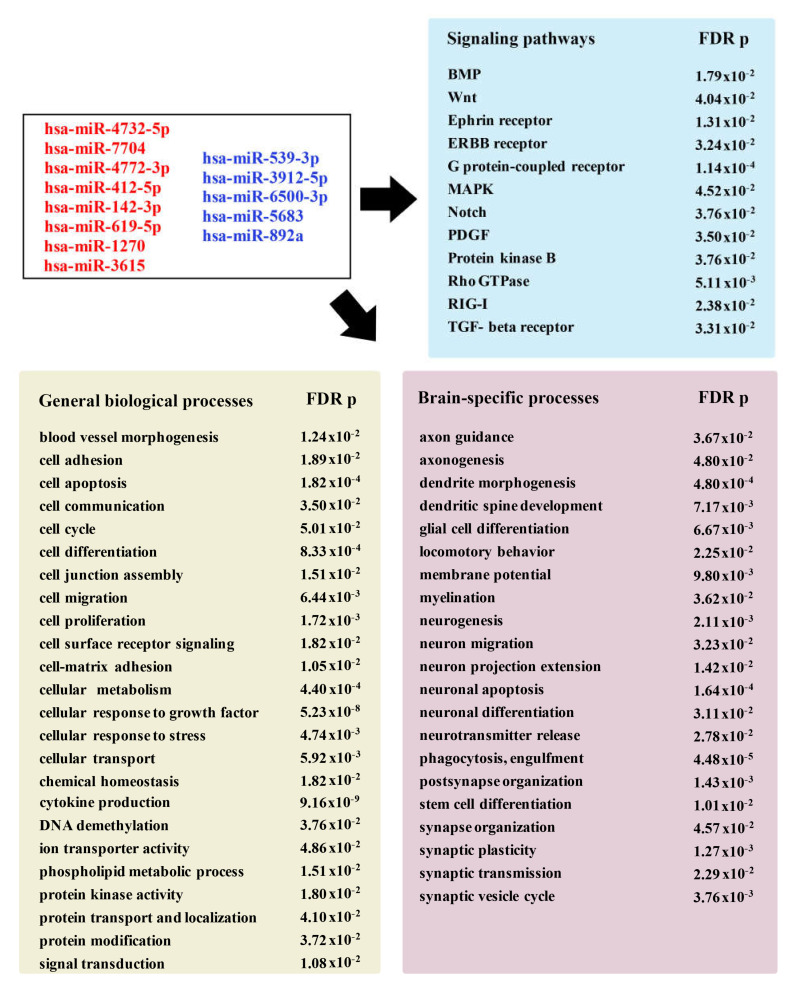
miRNA NGS analysis detected 34 miRNAs with significantly aberrant expression in stroke tissue, as compared to non-stroke samples. Of these miRNAs, 19 were previously identified in stroke patient blood and CSF, while dysregulation of 15 miRNAs was newly detected in this study. miRNA direct target gene analysis and bioinformatics approach demonstrated a strong association of the identified miRNAs with stroke-related biological processes and signaling pathways.
Dysregulated miRNAs detected in our study could be regarded as potential candidates for biomarkers and/or targets for therapeutic intervention. The results described herein further our understanding of the molecular basis of stroke and provide valuable information for the future functional studies in the experimental models of stroke.
微小 RNA(miRNAs)介导的信号通路已被确定为调节中风进展和恢复的机制之一。最近使用中风患者血液和脑脊液(CSF)进行的研究表明,miRNA 表达存在特定于疾病的改变。在这项研究中,我们首次研究了新鲜取出的人类中风脑组织中的 miRNA 表达特征。
在危及生命的脑水肿的严重中风患者开颅术和脑组织切除期间获得人脑样本。对组织样本进行组织病理学和免疫荧光显微镜评估、下一代 miRNA 测序(NGS)和生物信息学分析。
miRNA NGS 分析检测到 34 种 miRNA 在中风组织中的表达明显异常,与非中风样本相比。在这些 miRNA 中,有 19 种之前在中风患者的血液和 CSF 中被发现,而在本研究中则新发现了 15 种 miRNA 的失调。miRNA 直接靶基因分析和生物信息学方法表明,鉴定出的 miRNA 与中风相关的生物学过程和信号通路有很强的关联。
本研究中检测到的失调 miRNA 可以被视为生物标志物和/或治疗干预的潜在候选物。本文的研究结果进一步了解了中风的分子基础,并为未来中风实验模型的功能研究提供了有价值的信息。