Department of Surgery, University of Alabama at Birmingham, Birmingham, AL 35233, USA.
Int J Mol Sci. 2021 Dec 14;22(24):13408. doi: 10.3390/ijms222413408.
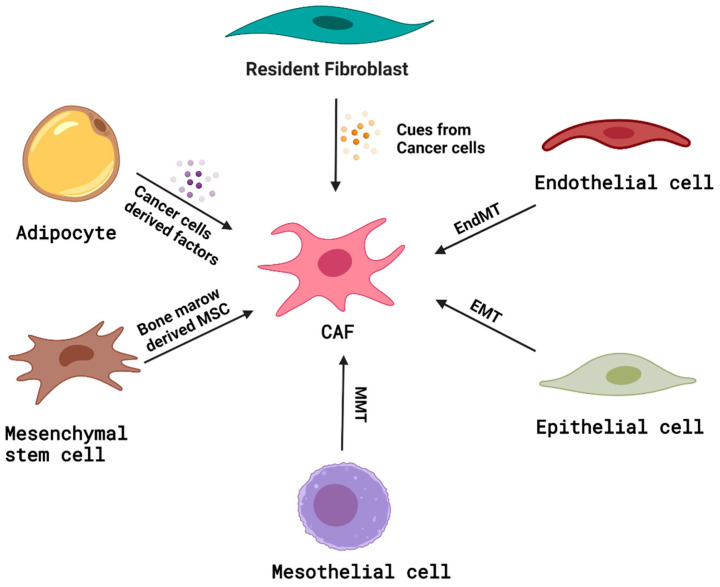
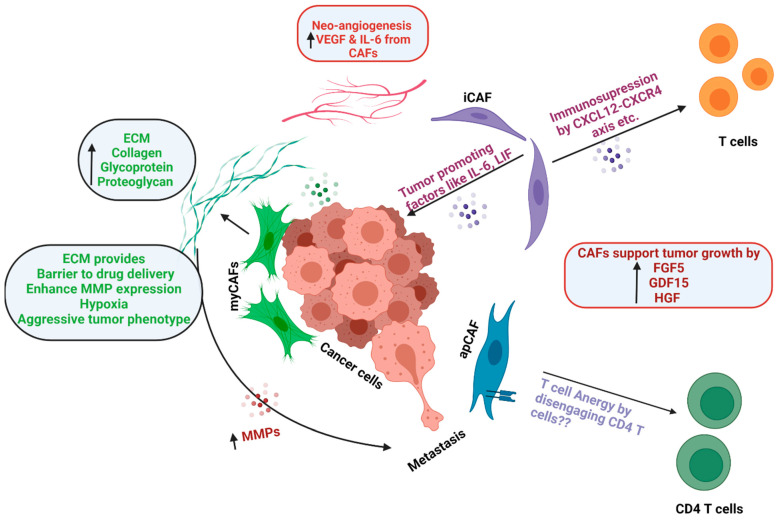
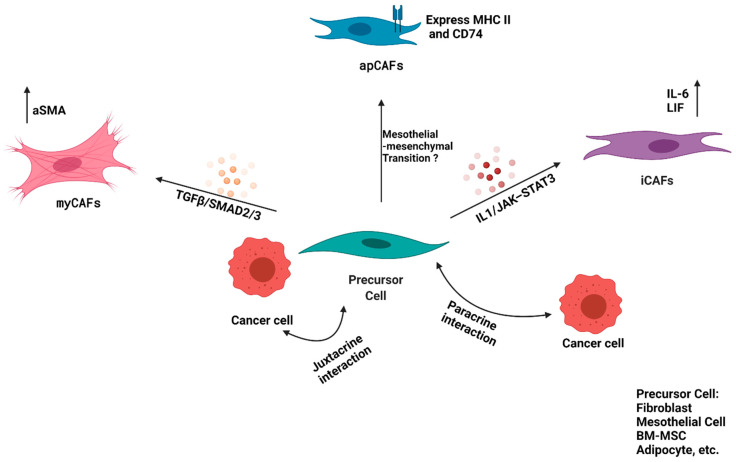
Pancreatic ductal adenocarcinoma (PDAC) is a leading cause of cancer-related morbidity and mortality in the western world, with limited therapeutic strategies and dismal long-term survival. Cancer-associated fibroblasts (CAFs) are key components of the pancreatic tumor microenvironment, maintaining the extracellular matrix, while also being involved in intricate crosstalk with cancer cells and infiltrating immunocytes. Therefore, they are potential targets for developing therapeutic strategies against PDAC. However, recent studies have demonstrated significant heterogeneity in CAFs with respect to their origins, spatial distribution, and functional phenotypes within the PDAC tumor microenvironment. Therefore, it is imperative to understand and delineate this heterogeneity prior to targeting CAFs for PDAC therapy.
胰腺导管腺癌(PDAC)是西方世界癌症相关发病率和死亡率的主要原因,其治疗策略有限,长期生存情况不佳。癌相关成纤维细胞(CAFs)是胰腺肿瘤微环境的关键组成部分,维持细胞外基质,同时还与癌细胞和浸润免疫细胞进行复杂的相互作用。因此,它们是开发针对 PDAC 的治疗策略的潜在靶点。然而,最近的研究表明,CAFs 在起源、空间分布和 PDAC 肿瘤微环境中的功能表型方面具有显著的异质性。因此,在针对 CAFs 进行 PDAC 治疗之前,了解和描绘这种异质性至关重要。