Department of Physiotherapy, Faculty of Health Sciences, Jagiellonian University Medical College, 9 Medyczna Str., 30-688 Krakow, Poland.
Institute of Physical Culture, PWSZ, 2 Kościuszki Str., 33-300 Nowy Sacz, Poland.
Int J Environ Res Public Health. 2021 Dec 8;18(24):12970. doi: 10.3390/ijerph182412970.
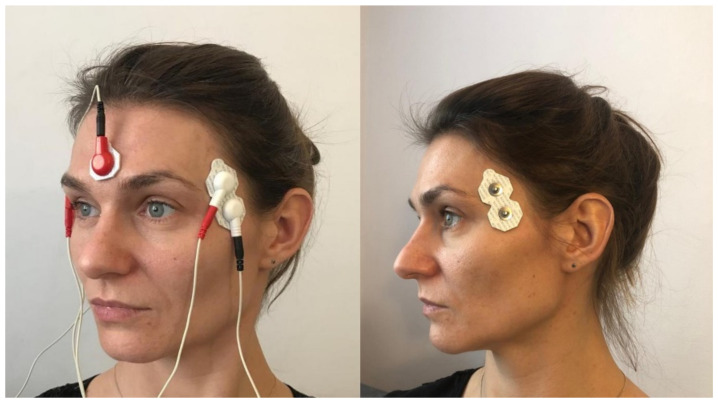
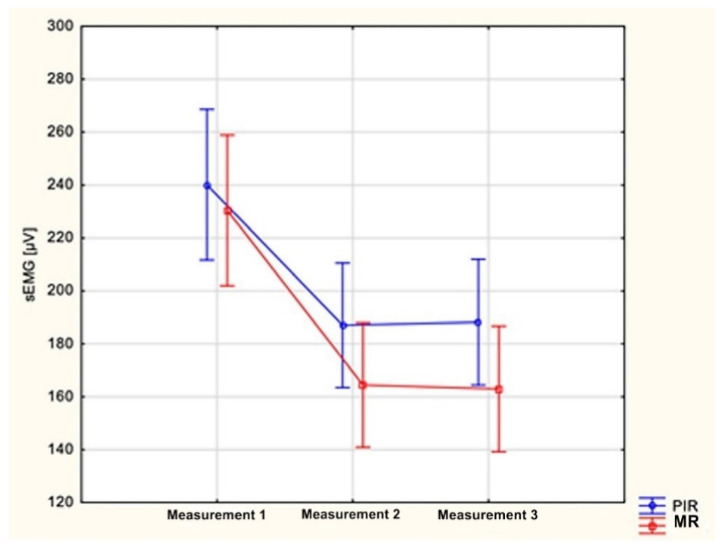
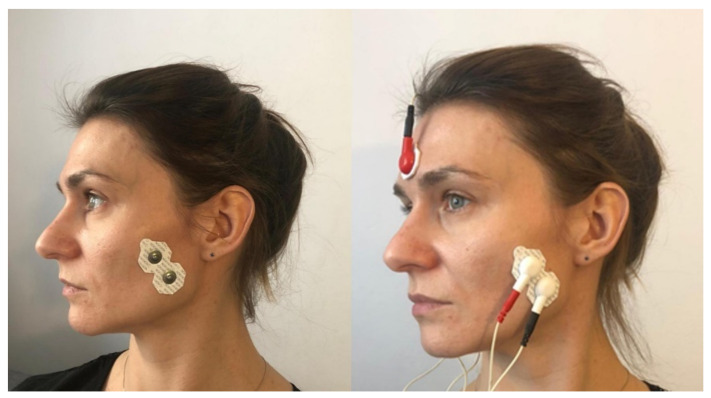
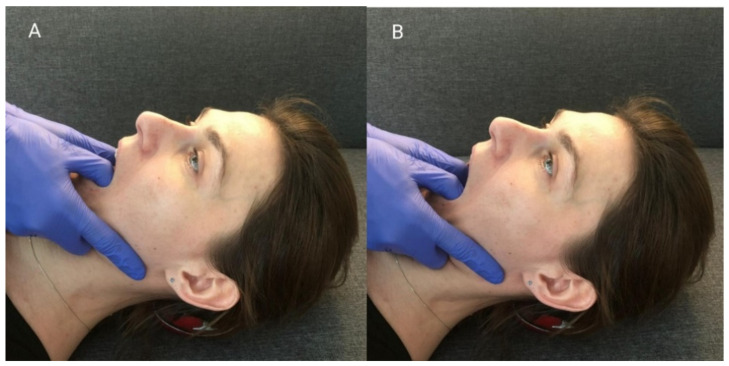
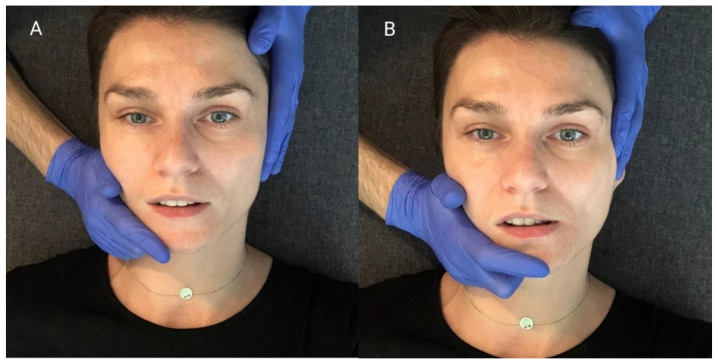
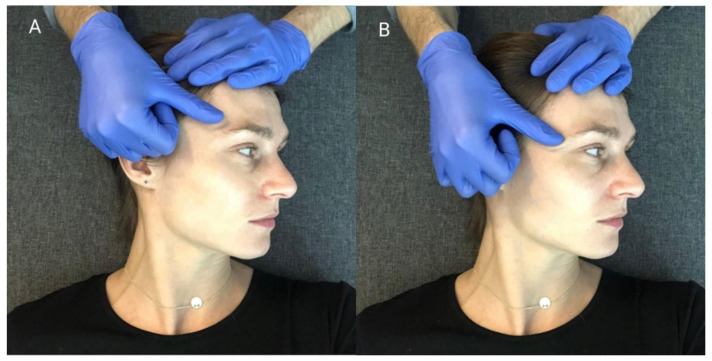
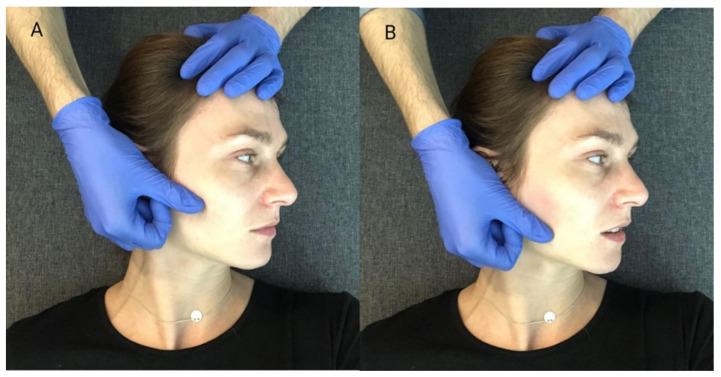
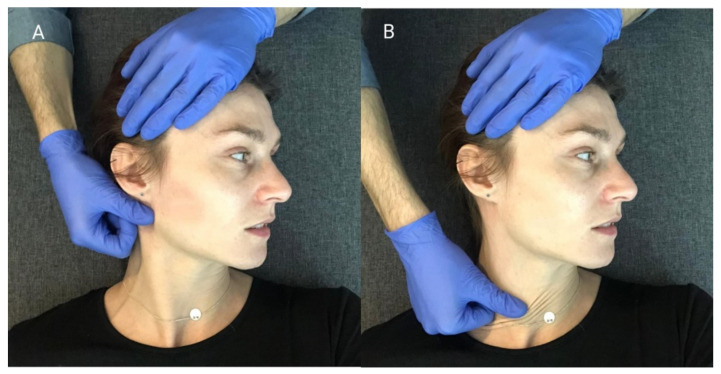
Temporomandibular disorders (TMD) are primarily characterized by pain as well as disorders concerning the proper functioning of individual elements of the stomatognathic system (SS). The aim of the study was to compare the degree of relaxation of the anterior part of the temporal muscles and the masseter muscles, achieved through the use of post-isometric relaxation and myofascial release methods in patients requiring prosthetic treatment due to temporomandibular joint disorders with a dominant muscular component. Sixty patients who met the inclusion criteria were alternately assigned to one of the two study groups, either group I-patients received post-isometric relaxation treatment (PIR), or group II-patients received myofascial release treatment (MR). The series of ten treatments were performed in both groups. The comparative assessment was based on physiotherapeutic examination, a surface electromyography (sEMG) of the anterior temporal and masseter muscles and the intensity of spontaneous masticatory muscle pain, assessed using the Visual Analogue Scale (VAS). We observed a significant decrease in the electrical activity of examined muscles and a significant drop in the intensity of spontaneous pain in the masticatory muscles both in group I and II. There were no significant differences between groups. Both therapeutic methods may be used as successful forms of adjunctive therapy in the prosthetic treatment of TMD. The trial was registered with an international clinical trials register.
颞下颌关节紊乱(TMD)主要表现为疼痛以及口腔颌面部系统(SS)各个元素功能紊乱。本研究的目的是比较因颞下颌关节紊乱而需要进行义齿治疗的患者,在使用等长后放松和肌筋膜松解两种方法时,颞肌前部分和咬肌的放松程度。符合纳入标准的 60 名患者被交替分配到两个研究组之一,I 组患者接受等长后放松治疗(PIR),或 II 组患者接受肌筋膜松解治疗(MR)。两组均进行十次治疗。基于理疗检查、颞肌和咬肌的表面肌电图(sEMG)和使用视觉模拟量表(VAS)评估的自发性咀嚼肌疼痛强度,对比较评估。我们观察到,I 组和 II 组患者的肌肉电活动显著降低,咀嚼肌自发性疼痛强度显著下降。两组之间没有显著差异。这两种治疗方法都可以作为 TMD 义齿治疗的辅助治疗的成功形式。该试验在国际临床试验注册处注册。