Department of Mathematical Sciences, Montana State University, Bozeman, MT 59717, USA.
Medical College of Wisconsin Center for AIDS Intervention Research, Milwaukee, WI 53202, USA.
Int J Environ Res Public Health. 2021 Dec 20;18(24):13394. doi: 10.3390/ijerph182413394.
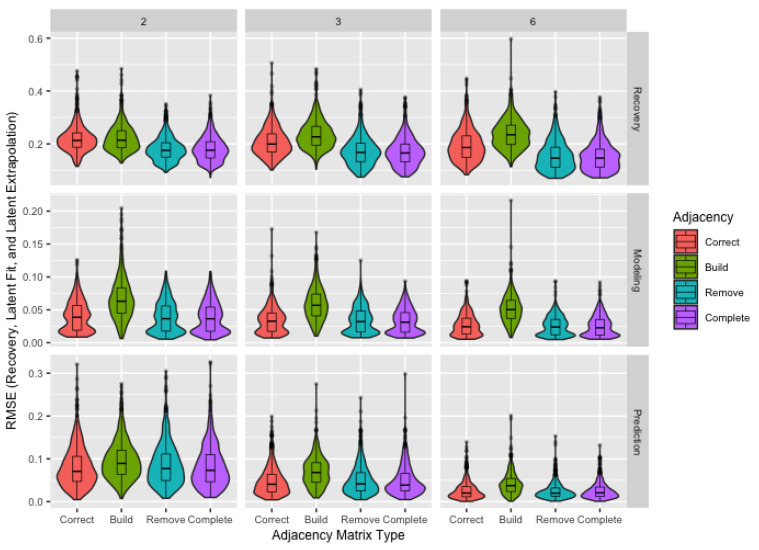
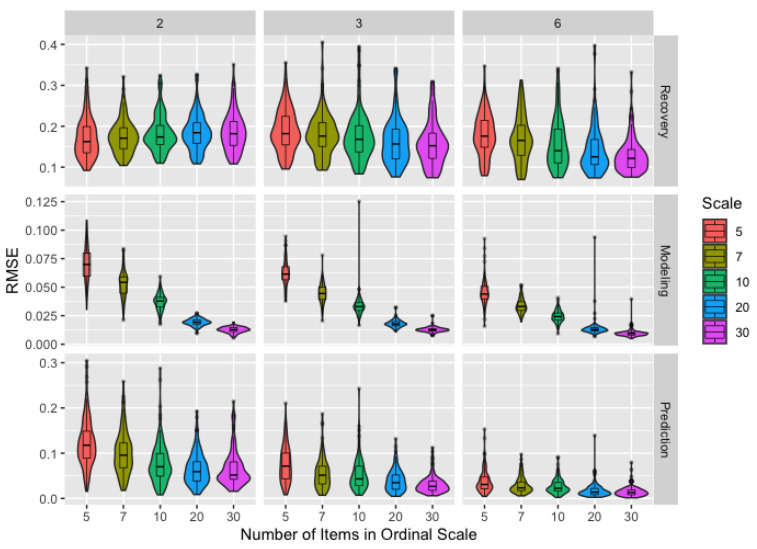
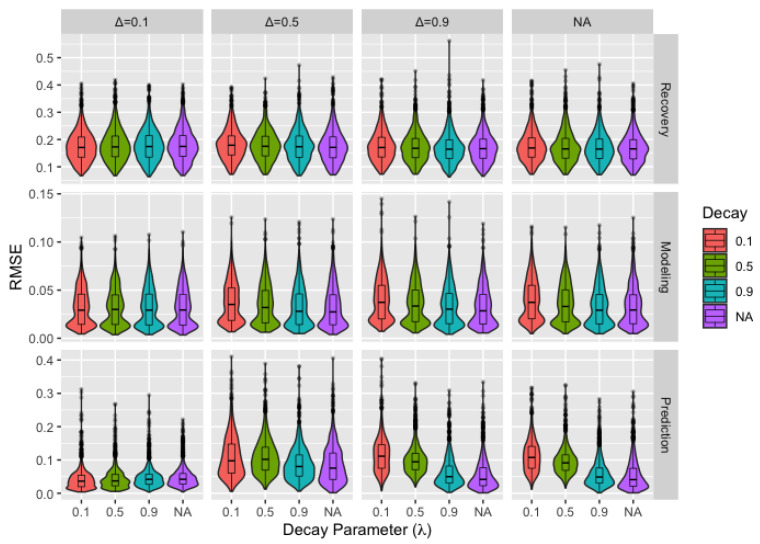
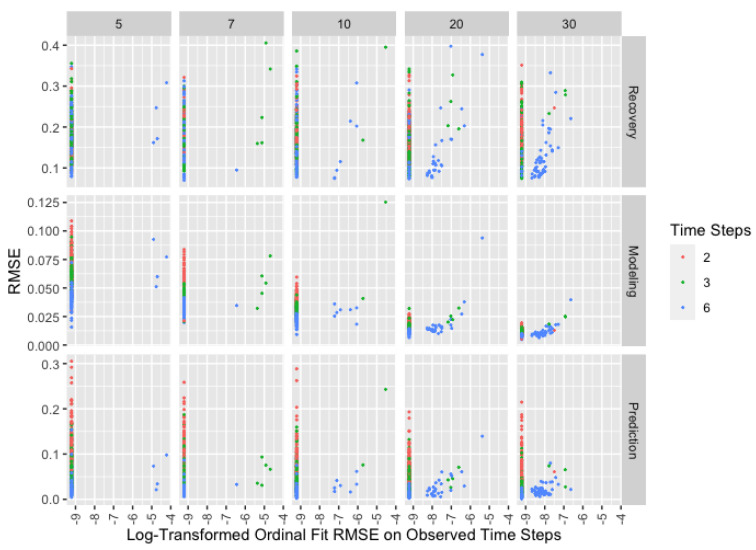
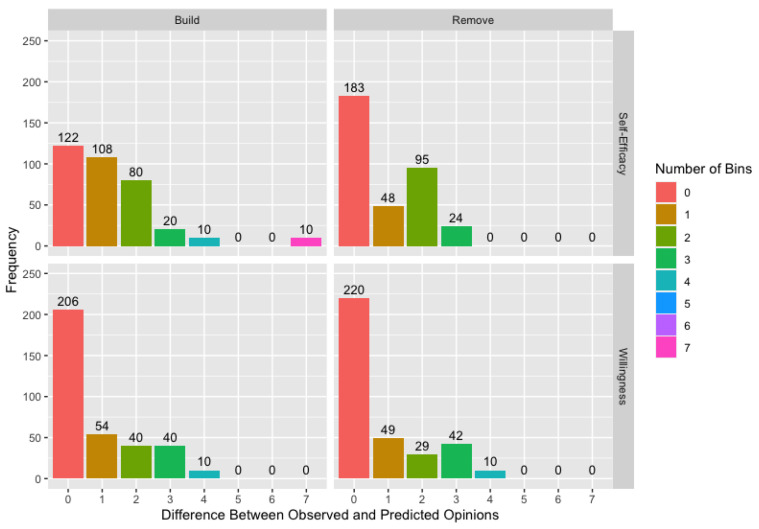
Leveraging social influence is an increasingly common strategy to change population behavior or acceptance of public health policies and interventions; however, assessing the effectiveness of these social network interventions and projecting their performance at scale requires modeling of the opinion diffusion process. We previously developed a genetic algorithm to fit the DeGroot opinion diffusion model in settings with small social networks and limited follow-up of opinion change. Here, we present an assessment of the algorithm performance under the less-than-ideal conditions likely to arise in practical applications. We perform a simulation study to assess the performance of the algorithm in the presence of ordinal (rather than continuous) opinion measurements, network sampling, and model misspecification. We found that the method handles alternate models well, performance depends on the precision of the ordinal scale, and sampling the full network is not necessary to use this method. We also apply insights from the simulation study to investigate notable features of opinion diffusion models for a social network intervention to increase uptake of pre-exposure prophylaxis (PrEP) among Black men who have sex with men (BMSM).
利用社会影响力是改变人口行为或接受公共卫生政策和干预措施的一种越来越常见的策略;然而,评估这些社交网络干预措施的有效性并预测其在大规模下的表现需要对意见传播过程进行建模。我们之前开发了一种遗传算法,用于拟合具有小社交网络和意见变化有限后续的 DeGroot 意见传播模型。在这里,我们根据实际应用中可能出现的不太理想的条件评估算法的性能。我们进行了一项模拟研究,以评估在存在有序(而不是连续)意见测量、网络抽样和模型误设的情况下算法的性能。我们发现该方法很好地处理了替代模型,性能取决于有序尺度的精度,并且不需要对整个网络进行抽样即可使用该方法。我们还从模拟研究中汲取了一些见解,以研究一项旨在提高男男性行为者中艾滋病毒前暴露预防(PrEP)使用率的社交网络干预措施的意见扩散模型的显著特征。