Tauc Michel, Cougnon Marc, Carcy Romain, Melis Nicolas, Hauet Thierry, Pellerin Luc, Blondeau Nicolas, Pisani Didier F
LP2M, CNRS, Université Côte d'Azur, Nice, France.
Laboratories of Excellence Ion Channel Science and Therapeutics, Nice, France.
Cell Biosci. 2021 Dec 24;11(1):219. doi: 10.1186/s13578-021-00733-y.
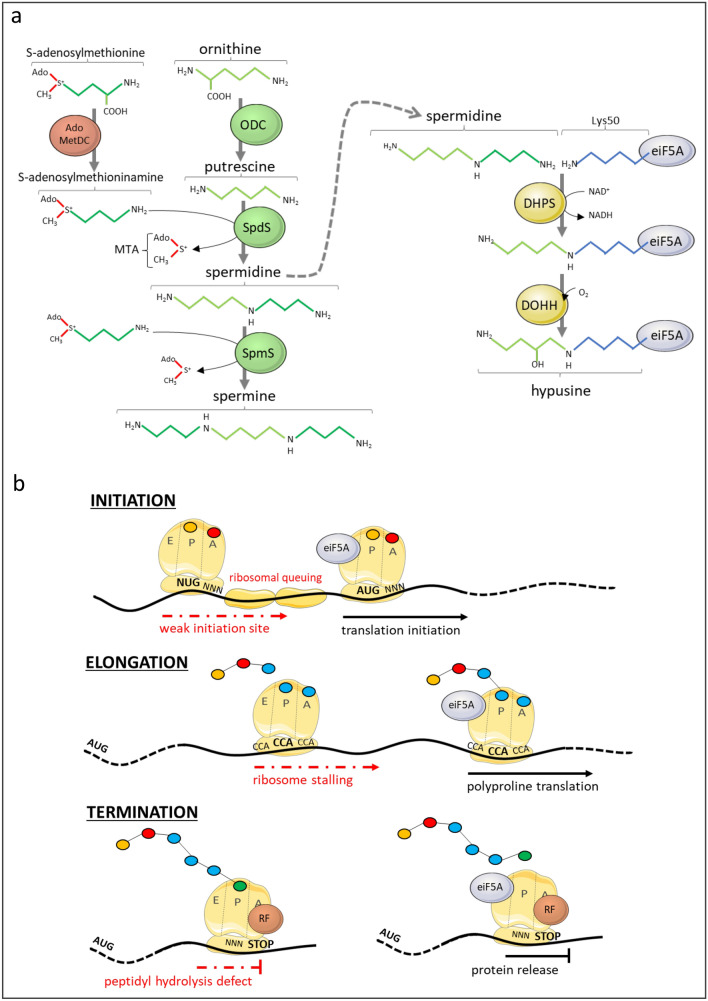
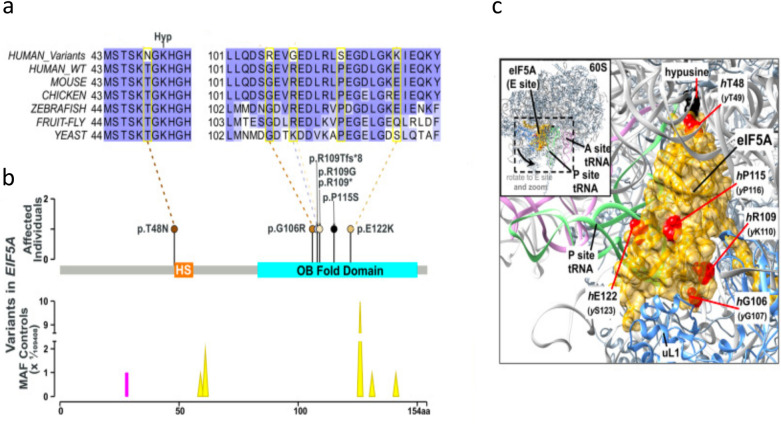
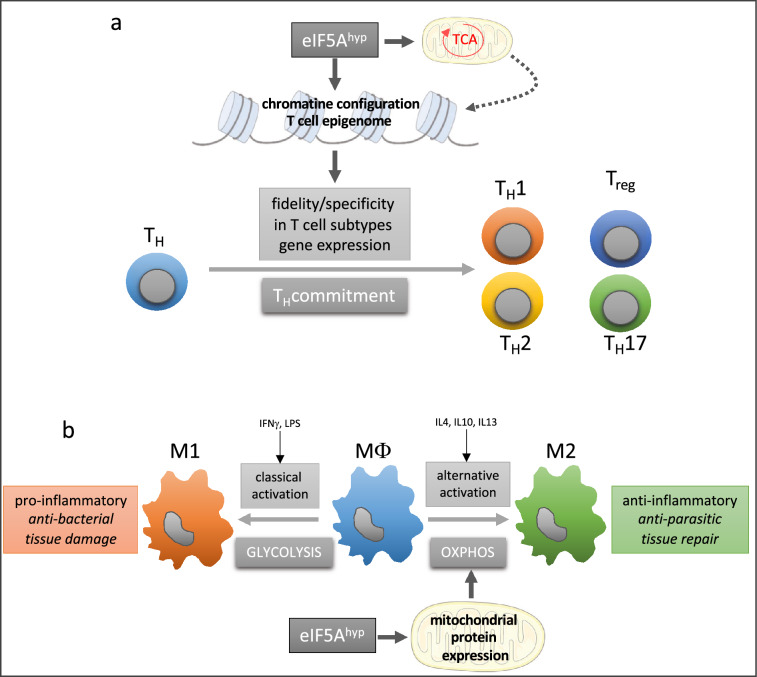
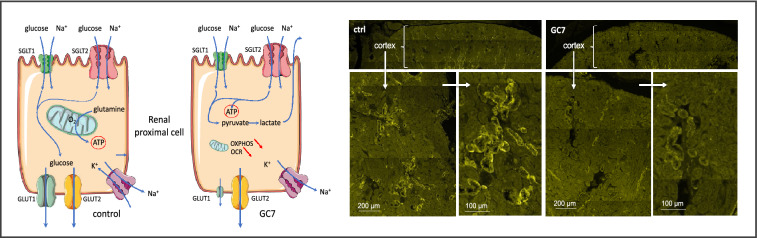
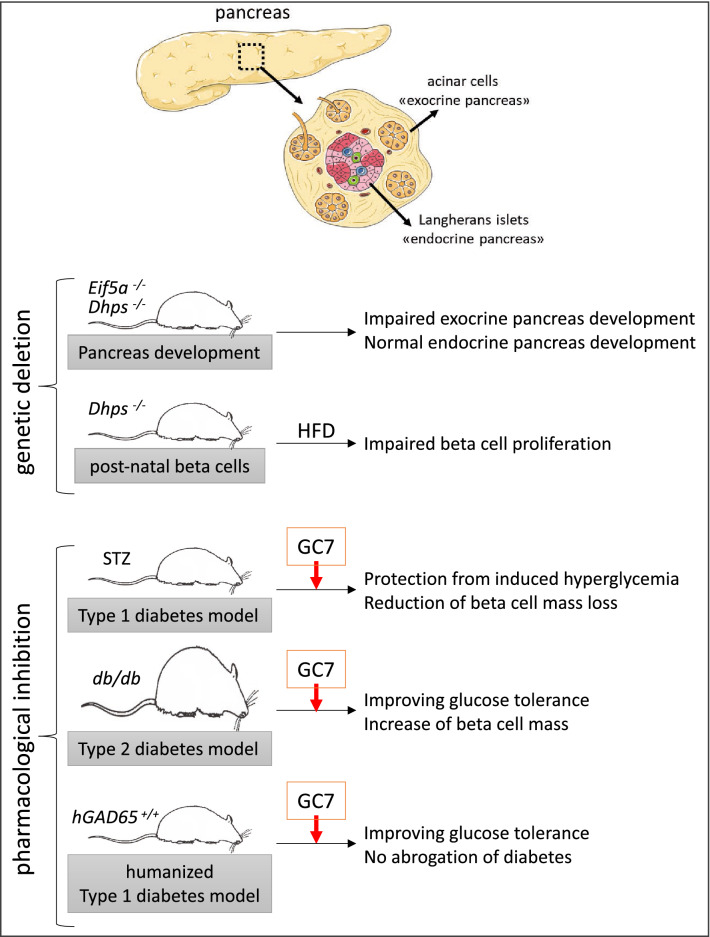
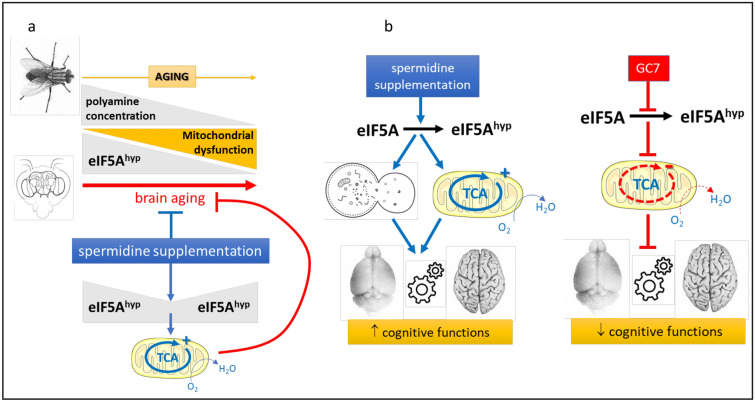
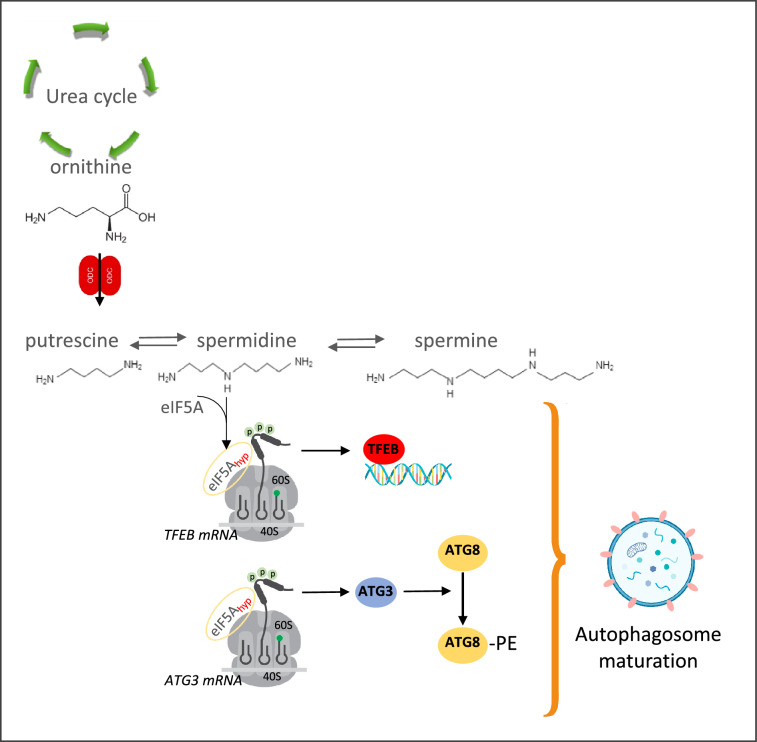
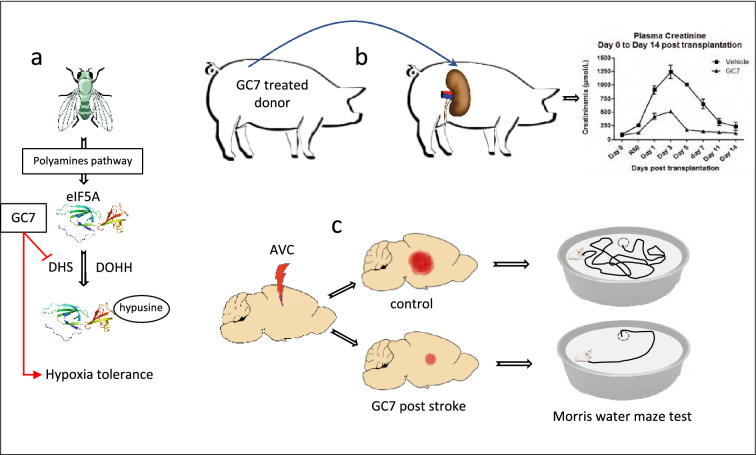
Since the demonstration of its involvement in cell proliferation, the eukaryotic initiation factor 5A (eIF5A) has been studied principally in relation to the development and progression of cancers in which the isoform A2 is mainly expressed. However, an increasing number of studies report that the isoform A1, which is ubiquitously expressed in normal cells, exhibits novel molecular features that reveal its new relationships between cellular functions and organ homeostasis. At a first glance, eIF5A can be regarded, among other things, as a factor implicated in the initiation of translation. Nevertheless, at least three specificities: (1) its extreme conservation between species, including plants, throughout evolution, (2) its very special and unique post-translational modification through the activating-hypusination process, and finally (3) its close relationship with the polyamine pathway, suggest that the role of eIF5A in living beings remains to be uncovered. In fact, and beyond its involvement in facilitating the translation of proteins containing polyproline residues, eIF5A is implicated in various physiological processes including ischemic tolerance, metabolic adaptation, aging, development, and immune cell differentiation. These newly discovered physiological properties open up huge opportunities in the clinic for pathologies such as, for example, the ones in which the oxygen supply is disrupted. In this latter case, organ transplantation, myocardial infarction or stroke are concerned, and the current literature defines eIF5A as a new drug target with a high level of potential benefit for patients with these diseases or injuries. Moreover, the recent use of genomic and transcriptomic association along with metadata studies also revealed the implication of eIF5A in genetic diseases. Thus, this review provides an overview of eIF5A from its molecular mechanism of action to its physiological roles and the clinical possibilities that have been recently reported in the literature.
自从真核生物起始因子5A(eIF5A)被证明参与细胞增殖以来,人们主要围绕主要表达亚型A2的癌症的发生和发展对其展开研究。然而,越来越多的研究报告称,在正常细胞中普遍表达的亚型A1具有新的分子特征,揭示了其在细胞功能与器官稳态之间的新关系。乍一看,eIF5A可被视为参与翻译起始的一个因子。然而,它至少有三个特性:(1)在包括植物在内的物种间进化过程中具有极高的保守性;(2)通过活化-羟腐胺赖氨酸化过程进行非常特殊且独特的翻译后修饰;最后(3)与多胺途径密切相关,这表明eIF5A在生物体内的作用仍有待揭示。事实上,除了参与促进含多脯氨酸残基蛋白质的翻译外,eIF5A还涉及多种生理过程,包括缺血耐受、代谢适应、衰老、发育和免疫细胞分化。这些新发现的生理特性为诸如氧气供应受阻等病症的临床治疗带来了巨大机遇。在后一种情况下,涉及器官移植、心肌梗死或中风,当前文献将eIF5A定义为对患有这些疾病或损伤的患者具有高度潜在益处的新药物靶点。此外,最近基因组和转录组关联研究以及元数据分析的应用还揭示了eIF5A与遗传疾病的关联。因此,本综述概述了eIF5A从其分子作用机制到其生理作用以及文献中最近报道的临床应用可能性。