Laurent Alexis, Porcello Alexandre, Fernandez Paula Gonzalez, Jeannerat Annick, Peneveyre Cédric, Abdel-Sayed Philippe, Scaletta Corinne, Hirt-Burri Nathalie, Michetti Murielle, de Buys Roessingh Anthony, Raffoul Wassim, Allémann Eric, Jordan Olivier, Applegate Lee Ann
Applied Research Department, LAM Biotechnologies SA, CH-1066 Épalinges, Switzerland.
Regenerative Therapy Unit, Lausanne University Hospital, University of Lausanne, CH-1066 Lausanne, Switzerland.
Pharmaceutics. 2021 Dec 19;13(12):2196. doi: 10.3390/pharmaceutics13122196.
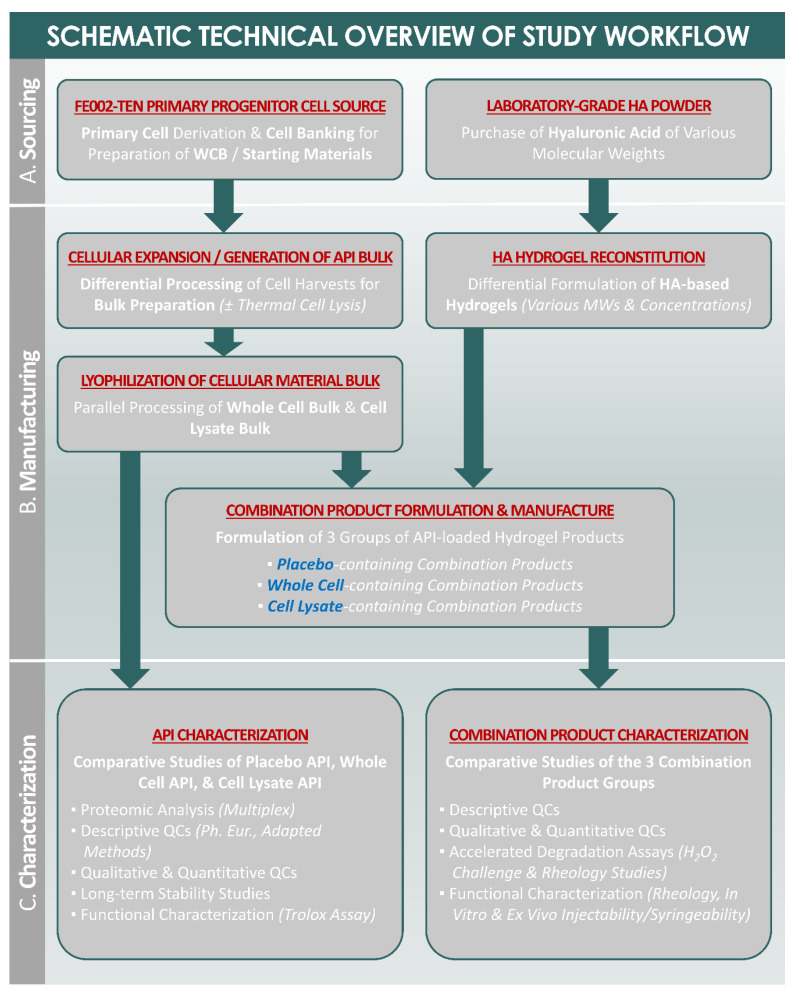
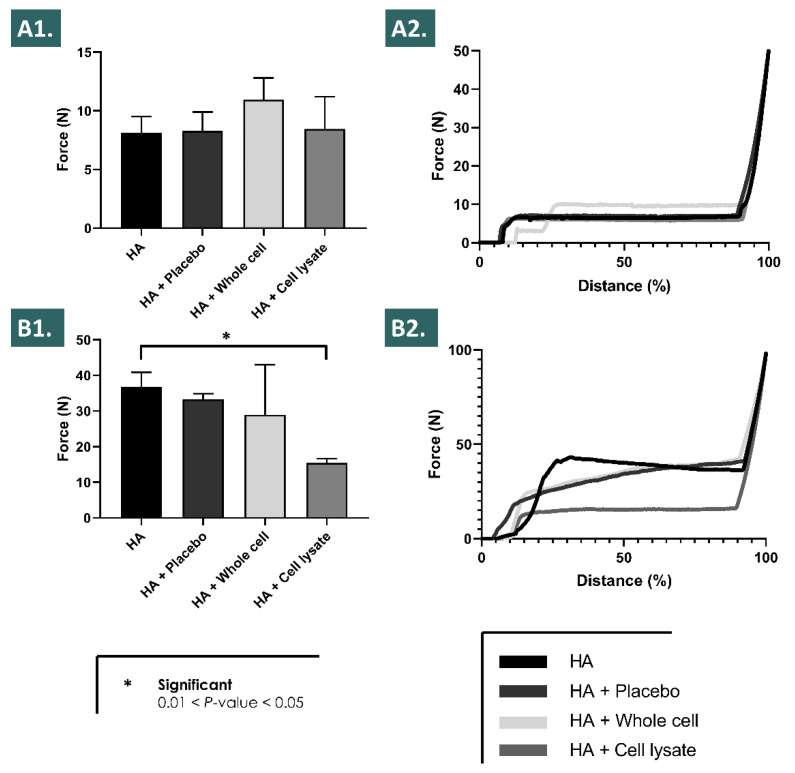
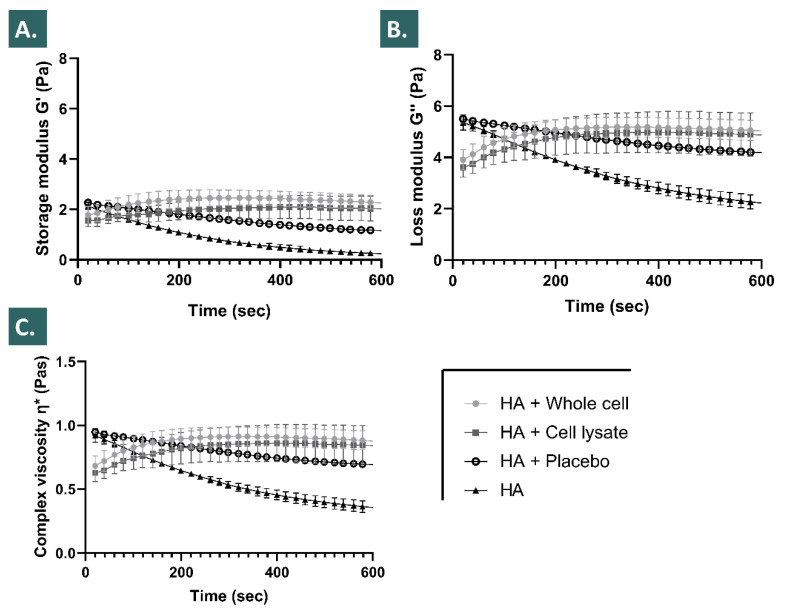
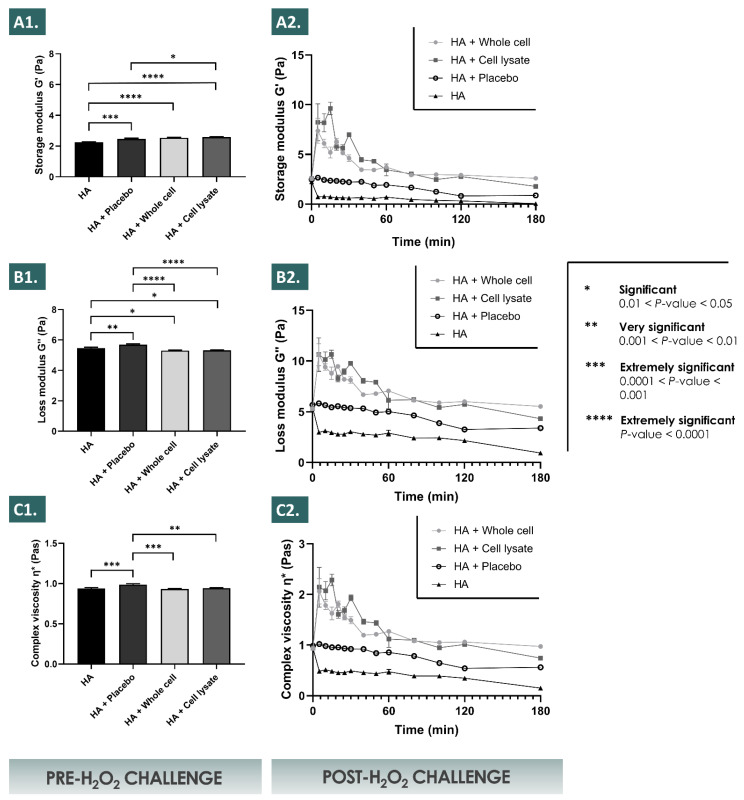
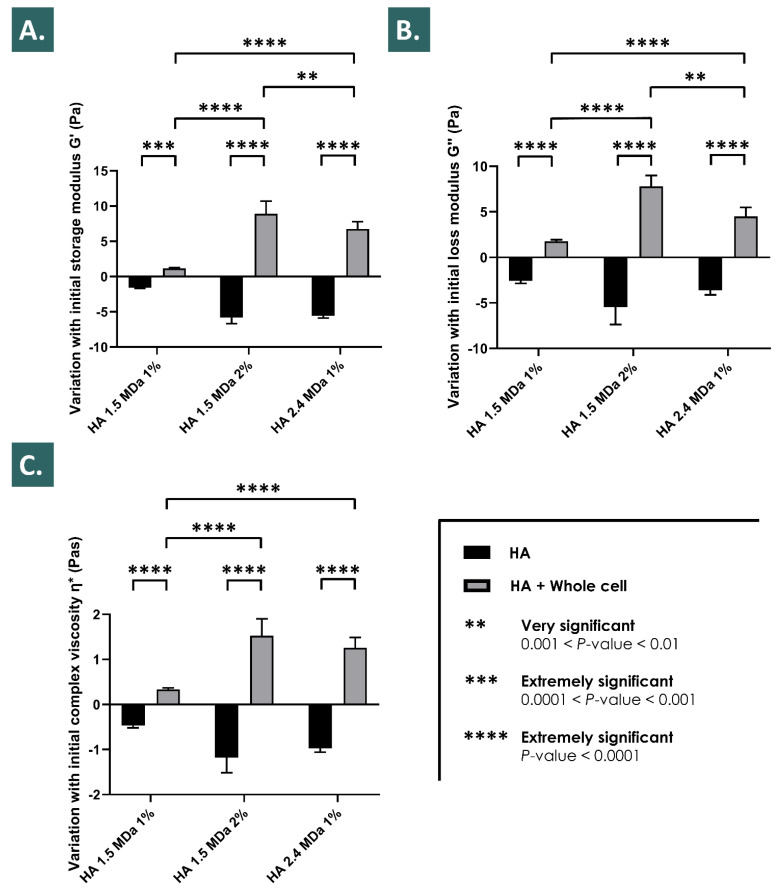
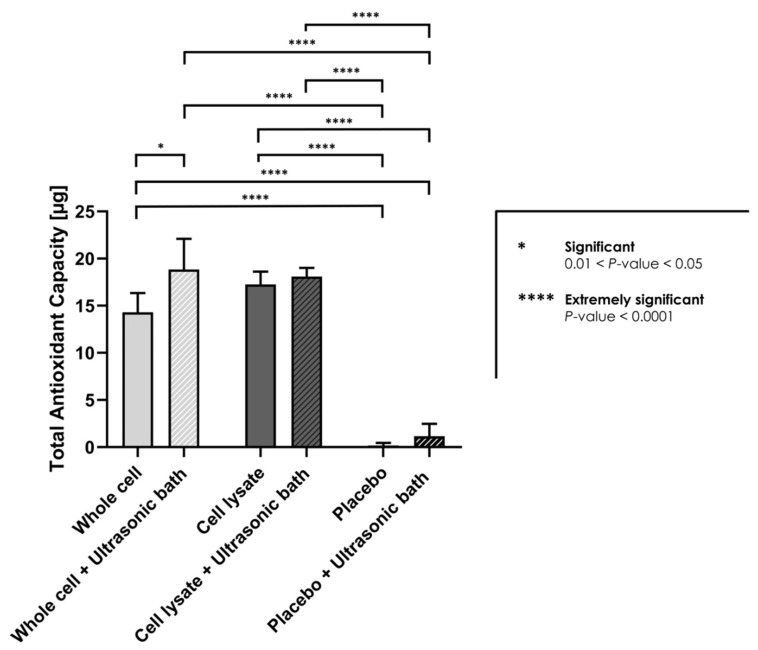
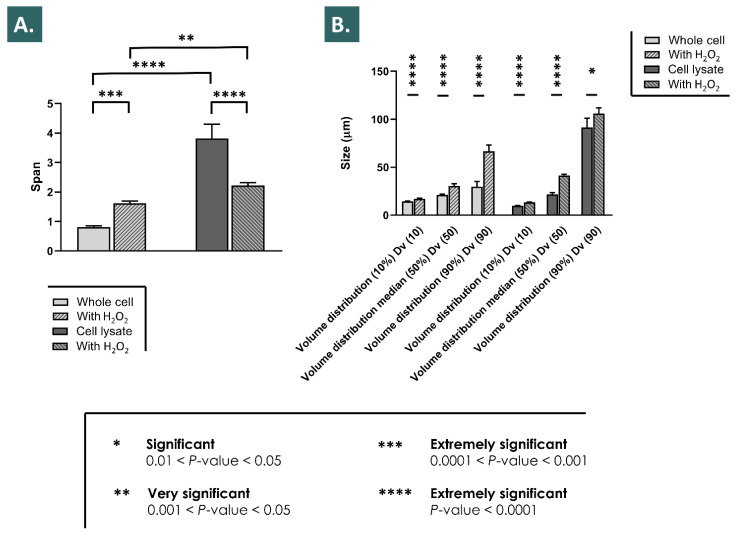
Cultured progenitor cells and derivatives have been used in various homologous applications of cutaneous and musculoskeletal regenerative medicine. Active pharmaceutical ingredients (API) in the form of progenitor cell derivatives such as lysates and lyophilizates were shown to retain function in controlled cellular models of wound repair. On the other hand, hyaluronan-based hydrogels are widely used as functional vehicles in therapeutic products for tendon tissue disorders. The aim of this study was the experimental characterization of formulations containing progenitor tenocyte-derived APIs and hyaluronan, for the assessment of ingredient compatibility and stability in view of eventual therapeutic applications in tendinopathies. Lyophilized APIs were determined to contain relatively low quantities of proteins and growth factors, while being physicochemically stable and possessing significant intrinsic antioxidant properties. Physical and rheological quantifications of the combination formulas were performed after hydrogen peroxide challenge, outlining significantly improved evolutive viscoelasticity values in accelerated degradation settings. Thus, potent effects of physicochemical protection or stability enhancement of hyaluronan by the incorporated APIs were observed. Finally, combination formulas were found to be easily injectable into ex vivo tendon tissues, confirming their compatibility with further translational clinical approaches. Overall, this study provides the technical bases for the development of progenitor tenocyte derivative-based injectable therapeutic products or devices, to potentially be applied in tendinous tissue disorders.
培养的祖细胞及其衍生物已被用于皮肤和肌肉骨骼再生医学的各种同源应用中。祖细胞衍生物形式的活性药物成分(API),如裂解物和冻干物,在伤口修复的可控细胞模型中显示出保留功能。另一方面,基于透明质酸的水凝胶被广泛用作肌腱组织疾病治疗产品中的功能性载体。本研究的目的是对含有祖细胞来源的肌腱细胞API和透明质酸的制剂进行实验表征,以评估其成分相容性和稳定性,为最终用于肌腱病的治疗应用做准备。经测定,冻干的API含有相对少量的蛋白质和生长因子,同时具有物理化学稳定性并具有显著的内在抗氧化特性。在过氧化氢刺激后对组合配方进行了物理和流变学定量分析,结果表明在加速降解环境中其进化粘弹性值有显著改善。因此,观察到所掺入的API对透明质酸具有显著的物理化学保护或稳定性增强作用。最后,发现组合配方易于注射到离体肌腱组织中,证实了它们与进一步的转化临床方法的相容性。总体而言,本研究为开发基于祖细胞来源的肌腱细胞衍生物的可注射治疗产品或装置提供了技术基础,有望应用于肌腱组织疾病。