Applied Research Department, LAM Biotechnologies SA, CH-1066 Épalinges, Switzerland.
Proteomics Core Facility and Technology Platform, Ecole Polytechnique Fédérale de Lausanne, CH-1015 Lausanne, Switzerland.
Cells. 2021 Oct 25;10(11):2872. doi: 10.3390/cells10112872.
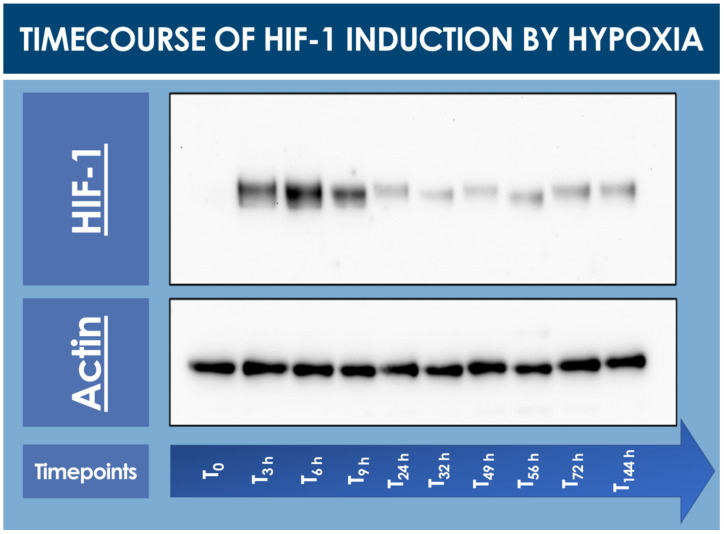
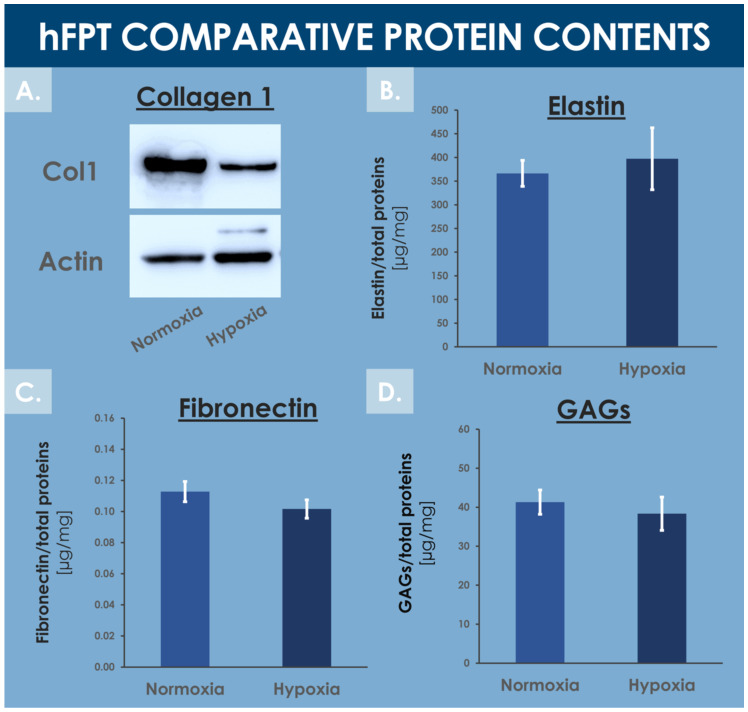
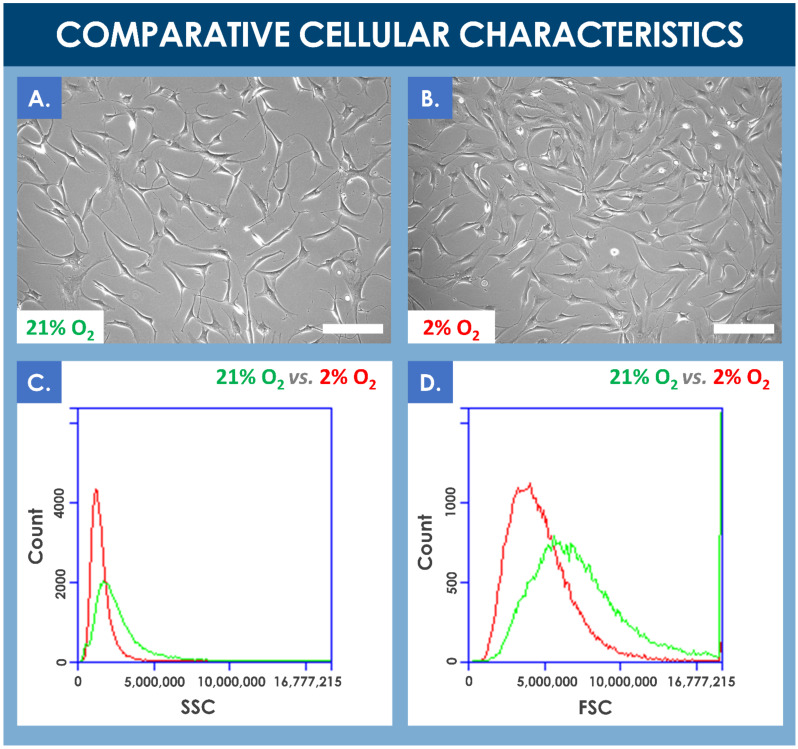
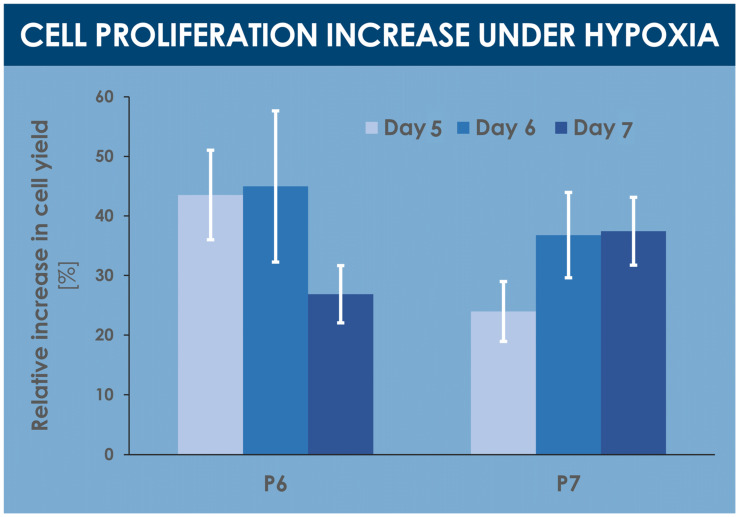
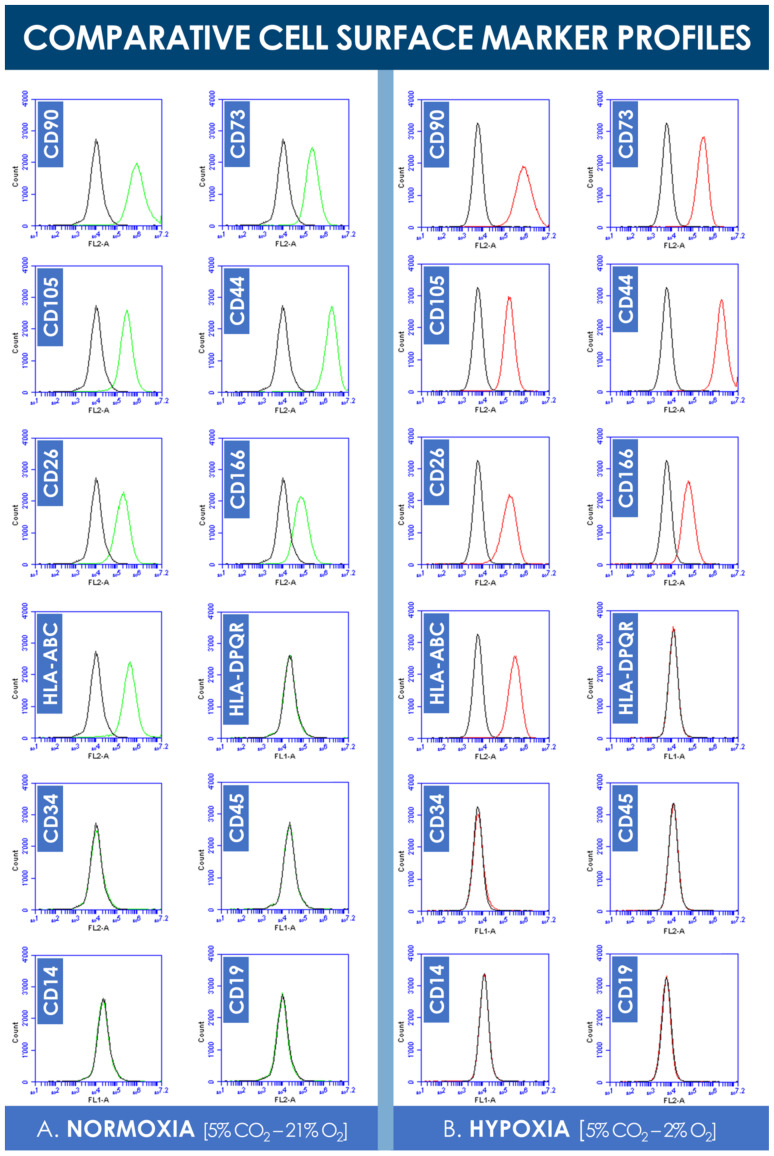
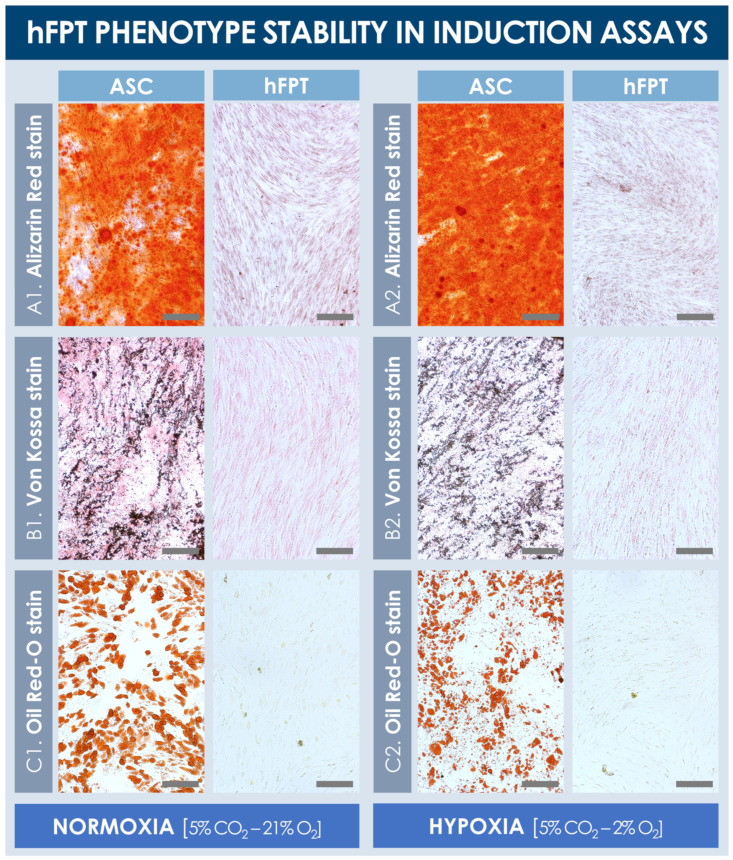
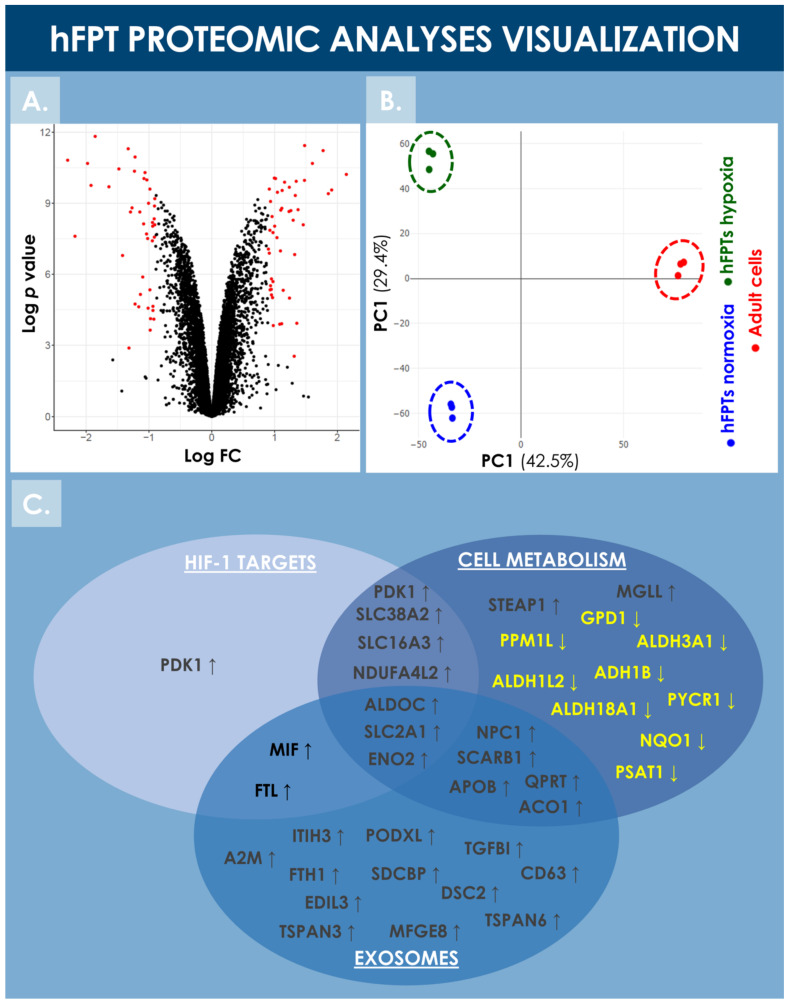
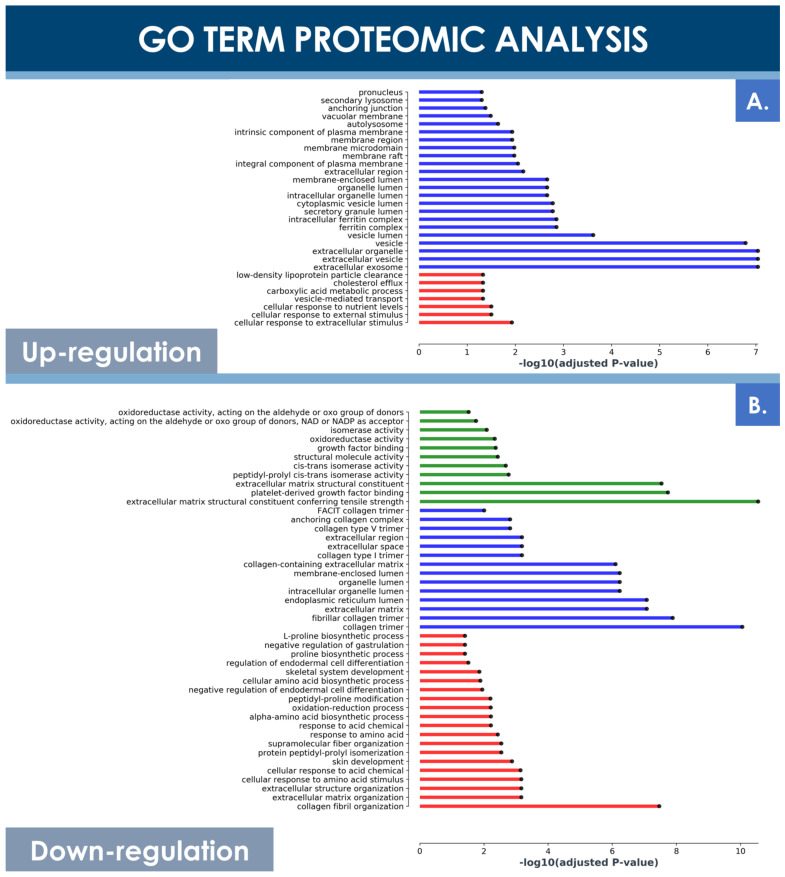
Human fetal progenitor tenocytes (hFPT) produced in defined cell bank systems have recently been characterized and qualified as potential therapeutic cell sources in tendon regenerative medicine. In view of further developing the manufacture processes of such cell-based active pharmaceutical ingredients (API), the effects of hypoxic in vitro culture expansion on key cellular characteristics or process parameters were evaluated. To this end, multiple aspects were comparatively assessed in normoxic incubation (i.e., 5% CO and 21% O, standard conditions) or in hypoxic incubation (i.e., 5% CO and 2% O, optimized conditions). Experimentally investigated parameters and endpoints included cellular proliferation, cellular morphology and size distribution, cell surface marker panels, cell susceptibility toward adipogenic and osteogenic induction, while relative protein expression levels were analyzed by quantitative mass spectrometry. The results outlined conserved critical cellular characteristics (i.e., cell surface marker panels, cellular phenotype under chemical induction) and modified key cellular parameters (i.e., cell size distribution, endpoint cell yields, matrix protein contents) potentially procuring tangible benefits for next-generation cell manufacturing workflows. Specific proteomic analyses further shed some light on the cellular effects of hypoxia, potentially orienting further hFPT processing for cell-based, cell-free API manufacture. Overall, this study indicated that hypoxic incubation impacts specific hFPT key properties while preserving critical quality attributes (i.e., as compared to normoxic incubation), enabling efficient manufacture of tenocyte-based APIs for homologous standardized transplant products.
人胎儿前体细胞肌腱细胞(hFPT)在定义明确的细胞库系统中产生,最近已被鉴定为肌腱再生医学中潜在的治疗性细胞来源。鉴于进一步开发基于细胞的此类活性药物成分(API)的制造工艺,评估了缺氧体外培养扩增对关键细胞特性或工艺参数的影响。为此,在常氧孵育(即 5%CO 和 21%O,标准条件)或低氧孵育(即 5%CO 和 2%O,优化条件)下比较评估了多个方面。实验研究的参数和终点包括细胞增殖、细胞形态和大小分布、细胞表面标志物谱、细胞对成脂和成骨诱导的敏感性,而相对蛋白表达水平则通过定量质谱分析进行分析。结果概述了保守的关键细胞特性(即细胞表面标志物谱、化学诱导下的细胞表型)和修改的关键细胞参数(即细胞大小分布、终点细胞产量、基质蛋白含量),为下一代细胞制造工作流程提供了切实的益处。具体的蛋白质组学分析进一步阐明了缺氧对细胞的影响,可能为基于细胞的无细胞 API 制造进一步定向 hFPT 处理。总体而言,这项研究表明,低氧孵育会影响特定的 hFPT 关键特性,同时保留关键质量属性(即与常氧孵育相比),从而能够高效制造基于肌腱细胞的 API,用于同源标准化移植产品。