Saric Petar, Young Kathleen A, Rodriguez-Porcel Martin, Chareonthaitawee Panithaya
Department of Cardiovascular Medicine, Mayo Clinic, 200 First Street SW, Rochester, MN 55905, USA.
Pharmaceuticals (Basel). 2021 Dec 9;14(12):1286. doi: 10.3390/ph14121286.
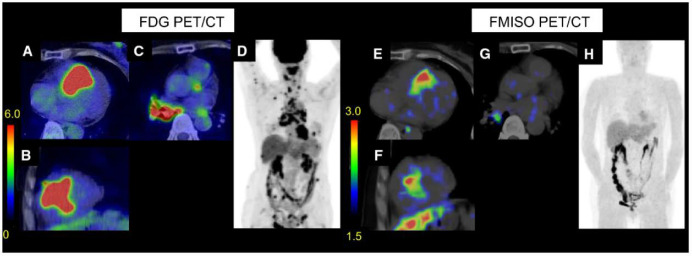
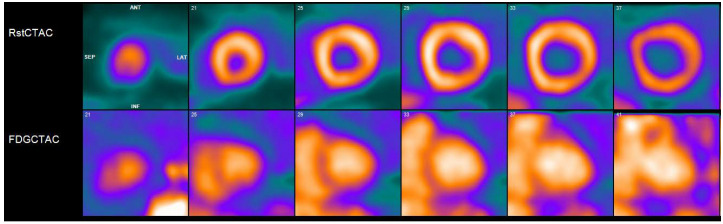
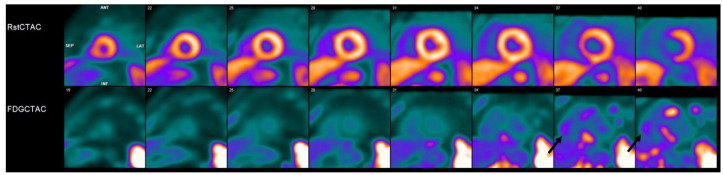
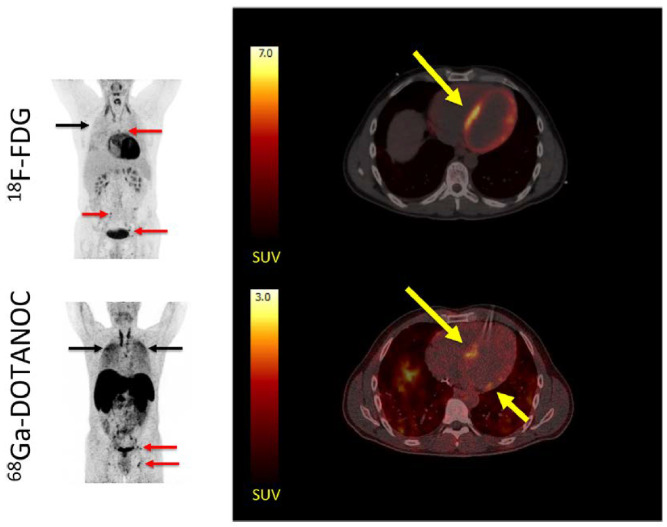
Sarcoidosis is a multi-system inflammatory disease characterized by the development of inflammation and noncaseating granulomas that can involve nearly every organ system, with a predilection for the pulmonary system. Cardiac involvement of sarcoidosis (CS) occurs in up to 70% of cases, and accounts for a significant share of sarcoid-related mortality. The clinical presentation of CS can range from absence of symptoms to conduction abnormalities, heart failure, arrhythmias, valvular disease, and sudden cardiac death. Given the significant morbidity and mortality associated with CS, timely diagnosis is important. Traditional imaging modalities and histologic evaluation by endomyocardial biopsy often provide a low diagnostic yield. Cardiac positron emission tomography (PET) has emerged as a leading advanced imaging modality for the diagnosis and management of CS. This review article will summarize several aspects of the current use of PET in CS, including indications for use, patient preparation, image acquisition and interpretation, diagnostic and prognostic performance, and evaluation of treatment response. Additionally, this review will discuss novel PET radiotracers currently under study or of potential interest in CS.
结节病是一种多系统炎症性疾病,其特征是炎症和非干酪样肉芽肿的形成,几乎可累及每个器官系统,尤其好发于肺部系统。结节病的心脏受累(CS)在高达70%的病例中出现,并在结节病相关死亡率中占相当大的比例。CS的临床表现范围可从无症状到传导异常、心力衰竭、心律失常、瓣膜病和心源性猝死。鉴于CS相关的高发病率和死亡率,及时诊断很重要。传统成像方式和心内膜心肌活检的组织学评估往往诊断率较低。心脏正电子发射断层扫描(PET)已成为诊断和管理CS的主要先进成像方式。这篇综述文章将总结PET目前在CS应用中的几个方面,包括使用指征、患者准备、图像采集与解读、诊断和预后性能以及治疗反应评估。此外,本综述将讨论目前正在研究或对CS有潜在意义的新型PET放射性示踪剂。