Auckland Cancer Society Research Centre, School of Medical Sciences, University of Auckland, Private Bag 92019, Auckland, 1142, New Zealand; Maurice Wilkins Centre, University of Auckland, Private V, Auckland, 1142, New Zealand.
Auckland Cancer Society Research Centre, School of Medical Sciences, University of Auckland, Private Bag 92019, Auckland, 1142, New Zealand.
Eur J Med Chem. 2022 Feb 5;229:114059. doi: 10.1016/j.ejmech.2021.114059. Epub 2021 Dec 21.
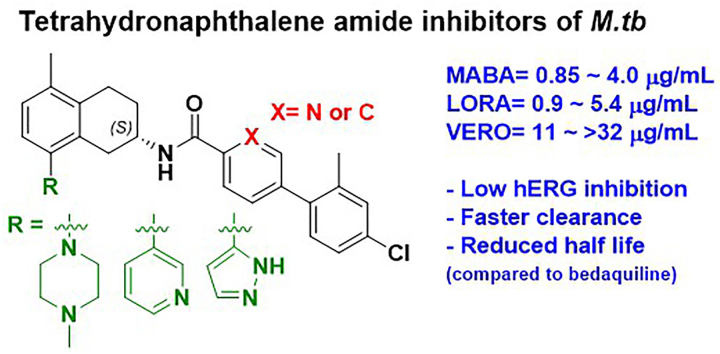
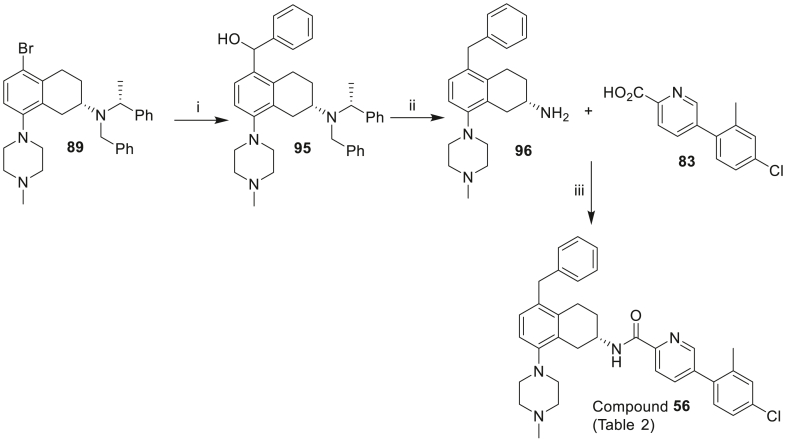
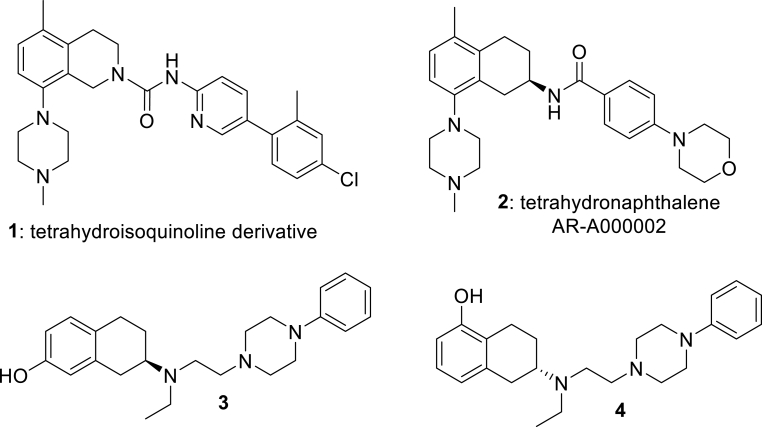
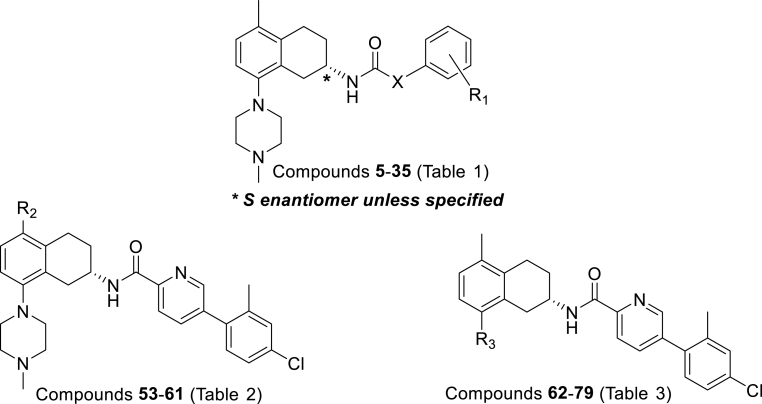
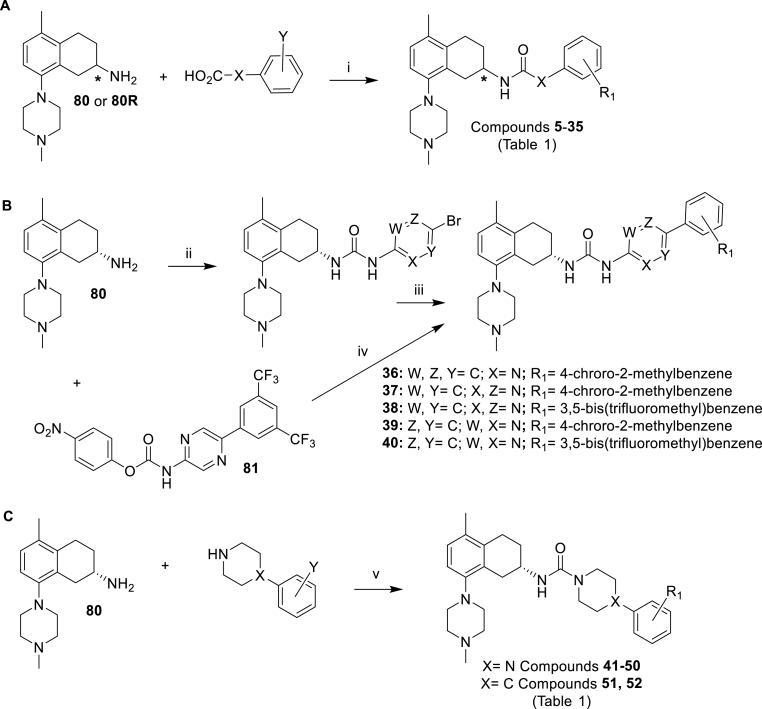
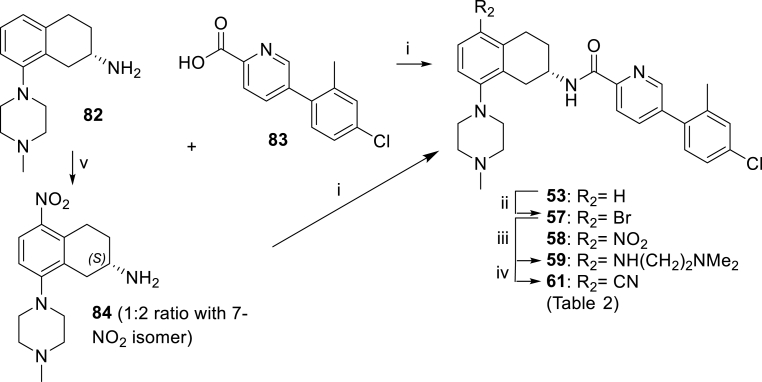
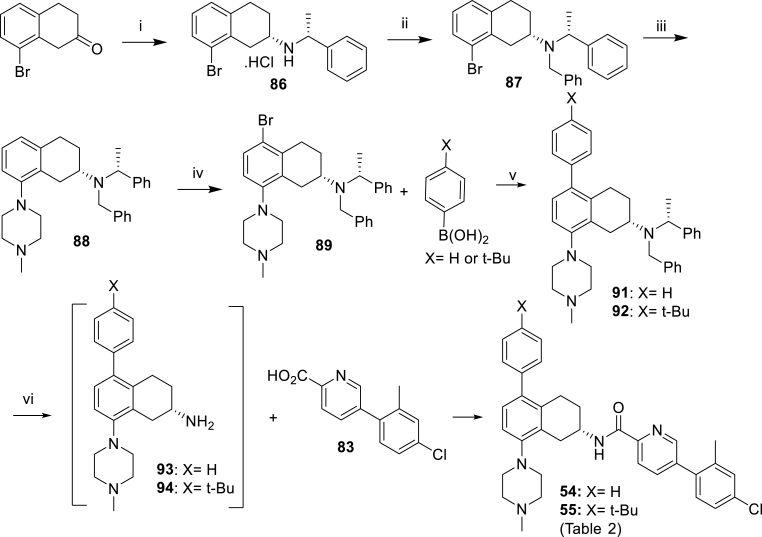
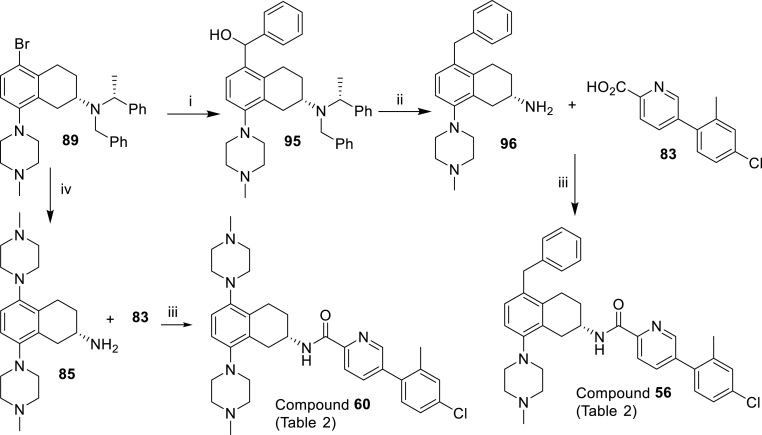
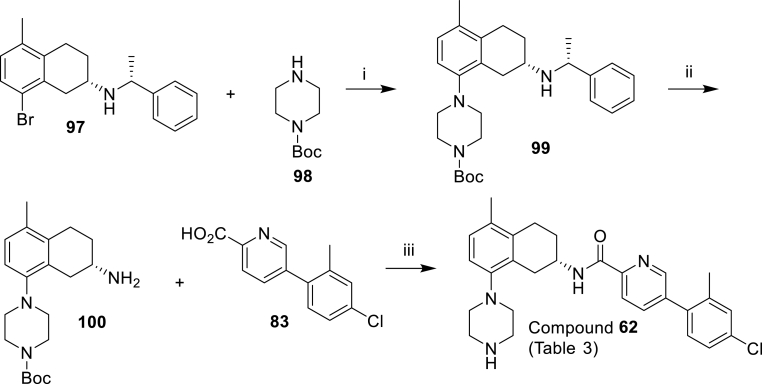
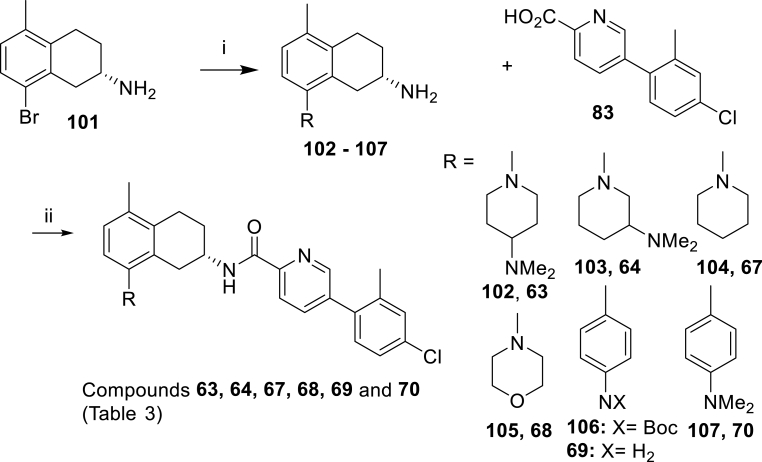
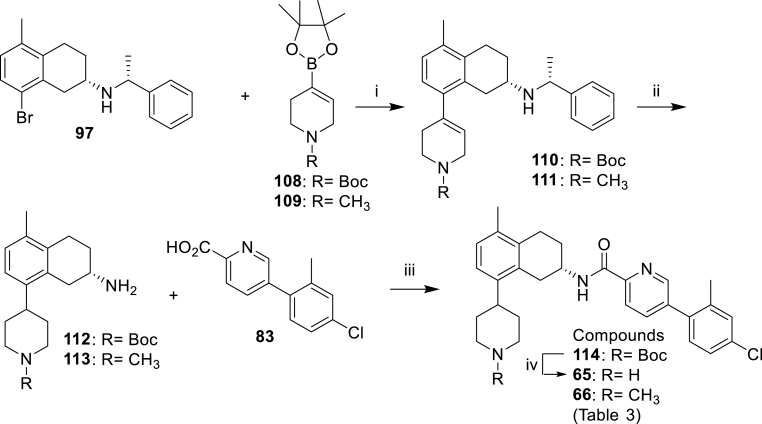
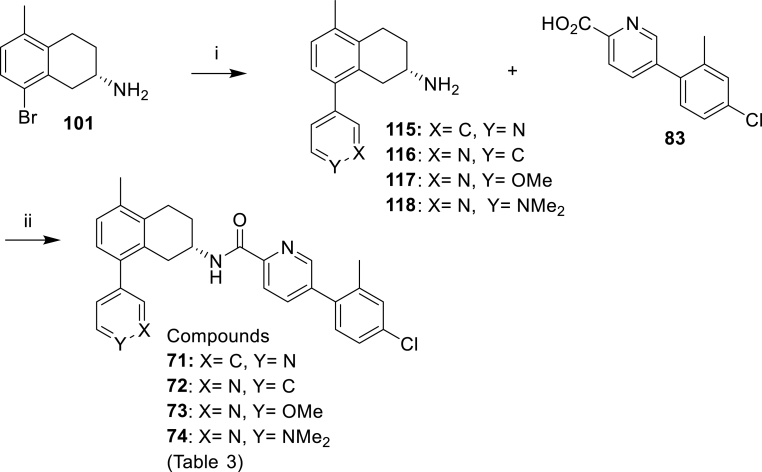
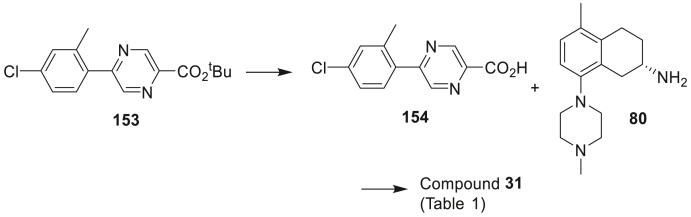
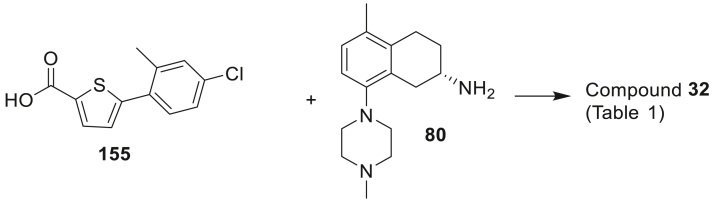
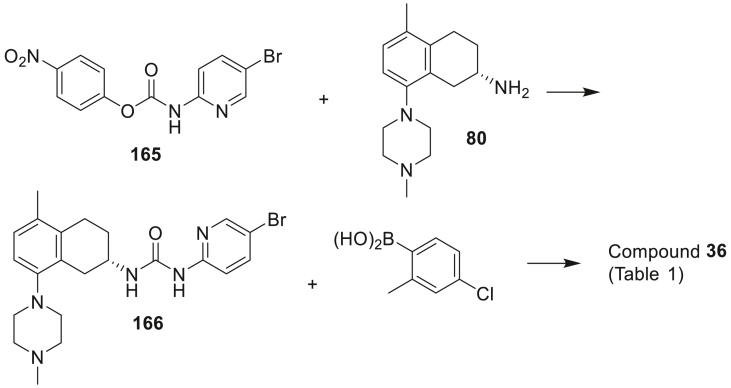
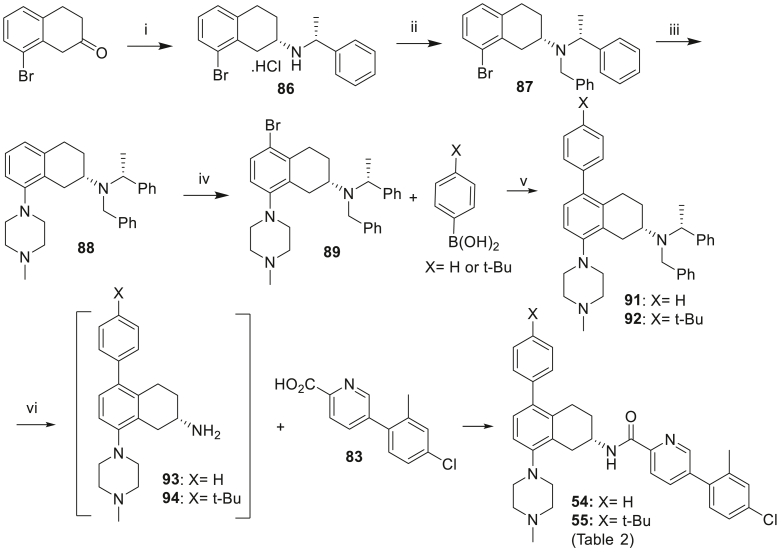
Drug resistant tuberculsosis (TB) is global health crisis that demands novel treatment strategies. Bacterial ATP synthase inhibitors such as bedaquiline and next-generation analogues (such as TBAJ-876) have shown promising efficacy in patient populations and preclinical studies, respectively, suggesting that selective targeting of this enzyme presents a validated therapeutic strategy for the treatment of TB. In this work, we report tetrahydronaphthalene amides (THNAs) as a new class of ATP synthase inhibitors that are effective in preventing the growth of Mycobacterium tuberculosis (M.tb) in culture. Design, synthesis and comprehensive structure-activity relationship studies for approximately 80 THNA analogues are described, with a small selection of compounds exhibiting potent (in some cases MIC <1 μg/mL) in vitro M.tb growth inhibition taken forward to pharmacokinetic and off-target profiling studies. Ultimately, we show that some of these THNAs possess reduced lipophilic properties, decreased hERG liability, faster mouse/human liver microsomal clearance rates and shorter plasma half-lives compared with bedaquiline, potentially addressing of the main concerns of persistence and phospholipidosis associated with bedaquiline.
耐药结核病(TB)是一场全球性的健康危机,需要新的治疗策略。细菌 ATP 合酶抑制剂,如贝达喹啉和新一代类似物(如 TBAJ-876),分别在患者人群和临床前研究中显示出有希望的疗效,这表明选择性靶向该酶是治疗结核病的一种经过验证的治疗策略。在这项工作中,我们报告了四氢萘甲酰胺(THNAs)作为一种新的 ATP 合酶抑制剂,可有效防止分枝杆菌(M.tb)在培养物中的生长。描述了大约 80 种 THNA 类似物的设计、合成和全面的结构-活性关系研究,其中一小部分化合物表现出很强的体外 M.tb 生长抑制作用(在某些情况下 MIC <1μg/mL),随后进行了药代动力学和非靶点分析研究。最终,我们表明,与贝达喹啉相比,其中一些 THNAs具有降低的亲脂性、降低的 hERG 风险、更快的小鼠/人肝微粒体清除率和更短的血浆半衰期,这可能解决了与贝达喹啉相关的持久性和磷脂病的主要问题。