Balijepalli Chakrapani, Yan Kevin, Gullapalli Lakshmi, Barakat Stephane, Chevrou-Severac Helene, Druyts Eric
Pharmalytics Group.
Alexion Pharmaceuticals.
J Health Econ Outcomes Res. 2021 Dec 8;8(2):105-113. doi: 10.36469/jheor.2021.29987. eCollection 2021.
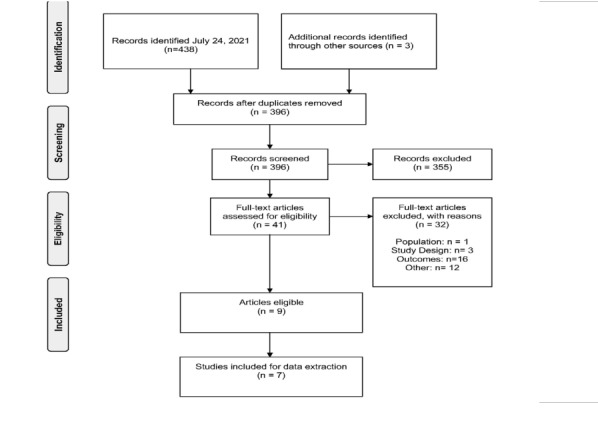
Wilson's disease (WD) is a rare inherited genetic disorder characterized by the progressive accumulation of copper in the brain, liver, and other major organ systems. To date, there have been no comprehensive studies synthesizing evidence pertaining to the quality of life (QOL) in WD. We conducted a systematic literature review to identify and synthesize the evidence on QOL in patients with WD. To address this gap in the literature, we conducted a systematic literature review in MEDLINE and EMBASE to identify observational studies and clinical trials reporting QOL outcomes among people living with WD. A total of 442 publications were identified, 41 publications were eligible for full-text screening, and 7 articles, representing 7 studies, met all inclusion criteria. QOL questionnaires used across studies included the 12-Item Short Form Health Survey Questionnaire (version 1) (SF-12) (n=2), the 36-Item Short Form Health Survey Questionnaire (version 1) (SF-36) (n=3), Global Assessment Scale (GAS) (n=1), and World Health Organization QOL brief questionnaire (WHO-QOL-BREF) (n=1). Overall, the pattern in QOL from most studies demonstrated a worse QOL in WD patients compared with the general population, a deterioration in QOL for patients presenting with neurologic symptoms, and more frequent psychiatric symptoms compared with the ones with hepatic symptoms. Although our understanding of the underlying pathophysiology of WD has advanced, and novel therapeutics are on the horizon, our understanding of how WD affects overall QOL remains limited. Evidence from this review demonstrates the substantial heterogeneity in reporting outcomes pertaining to the QOL associated with WD. These differences may be attributable to the fact that QOL is not typically assessed and the lack of a standardized method for assessing QOL in WD. This review demonstrates a need for more up-to-date studies with larger sample sizes to further evaluate QOL in patients with WD. The study also demonstrates the need for a WD-specific instrument to measure the QOL in WD patients.
威尔逊病(WD)是一种罕见的遗传性疾病,其特征是铜在脑、肝和其他主要器官系统中进行性蓄积。迄今为止,尚无综合研究对WD患者的生活质量(QOL)相关证据进行汇总。我们进行了一项系统的文献综述,以识别和汇总WD患者QOL的相关证据。为填补这一文献空白,我们在MEDLINE和EMBASE中进行了系统的文献综述,以识别报告WD患者QOL结局的观察性研究和临床试验。共识别出442篇出版物,41篇符合全文筛选条件,7篇文章(代表7项研究)符合所有纳入标准。各研究中使用的QOL问卷包括12项简短健康调查问卷(第1版)(SF - 12)(n = 2)、36项简短健康调查问卷(第1版)(SF - 36)(n = 3)、总体评估量表(GAS)(n = 1)和世界卫生组织生活质量简表(WHO - QOL - BREF)(n = 1)。总体而言,大多数研究显示,与一般人群相比,WD患者的QOL较差,出现神经症状的患者QOL恶化,且与出现肝脏症状的患者相比,精神症状更常见。尽管我们对WD潜在病理生理学的理解有所进展,且新疗法即将出现,但我们对WD如何影响整体QOL的理解仍然有限。本次综述的证据表明,在报告与WD相关的QOL结局方面存在很大异质性。这些差异可能归因于QOL通常未被评估以及缺乏评估WD患者QOL的标准化方法。本次综述表明需要进行更多样本量更大的最新研究,以进一步评估WD患者的QOL。该研究还表明需要一种针对WD的工具来测量WD患者的QOL。