Al Ramadan Mustafa, Salehi Saeed, Aljawad Murtada S, Teodoriu Catalin
College of Petroleum Engineering and Geosciences, King Fahd University of Petroleum and Minerals, Dhahran 31261, Saudi Arabia.
Center for Integrative Petroleum Research, King Fahd University of Petroleum and Minerals, Dhahran 31261, Saudi Arabia.
ACS Omega. 2021 Dec 7;6(50):34931-34944. doi: 10.1021/acsomega.1c05566. eCollection 2021 Dec 21.
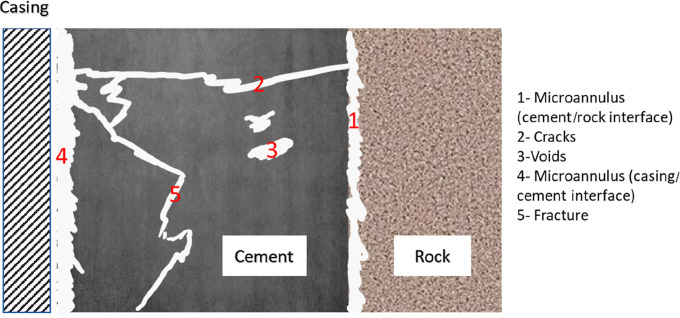
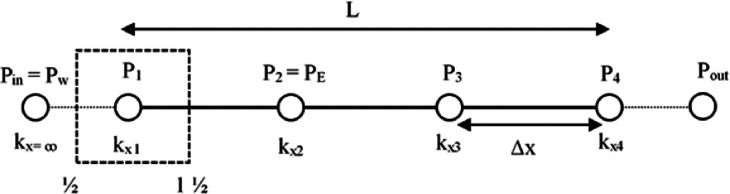
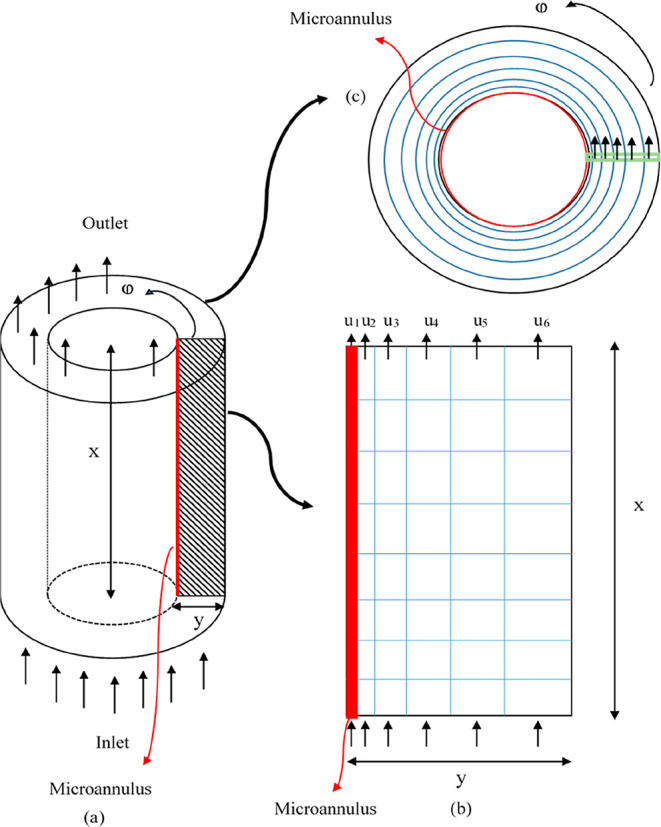
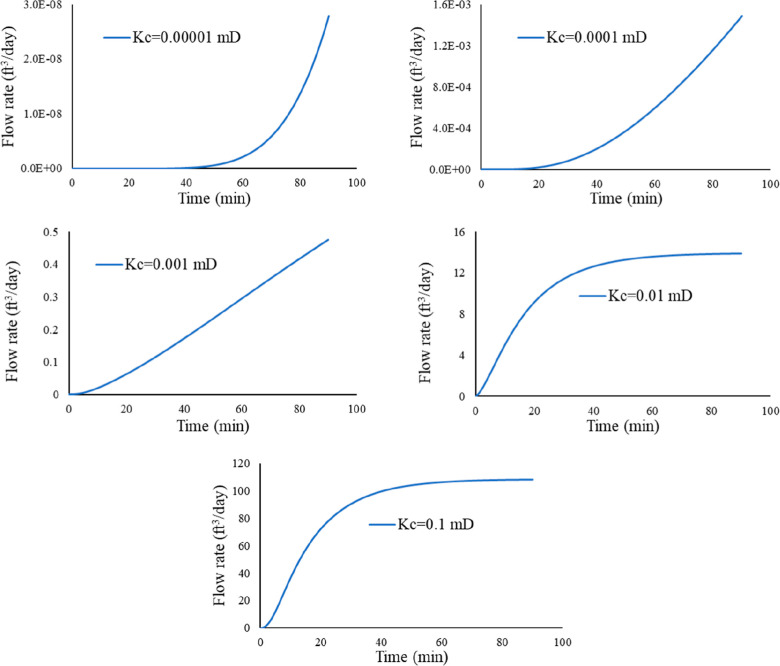
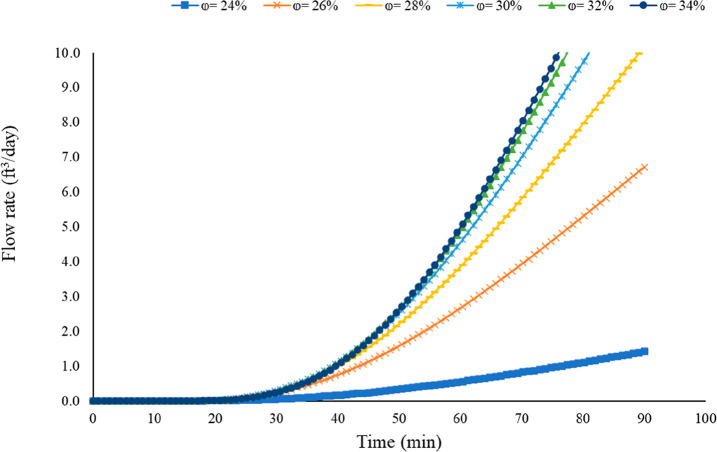
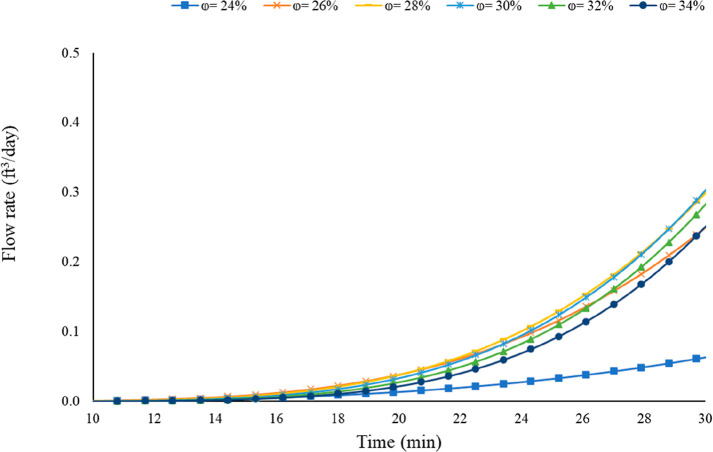
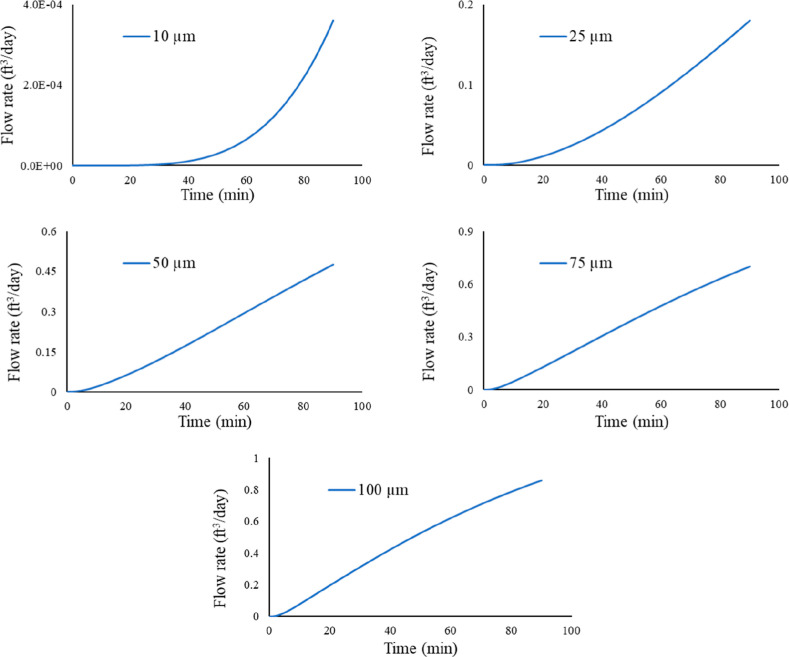
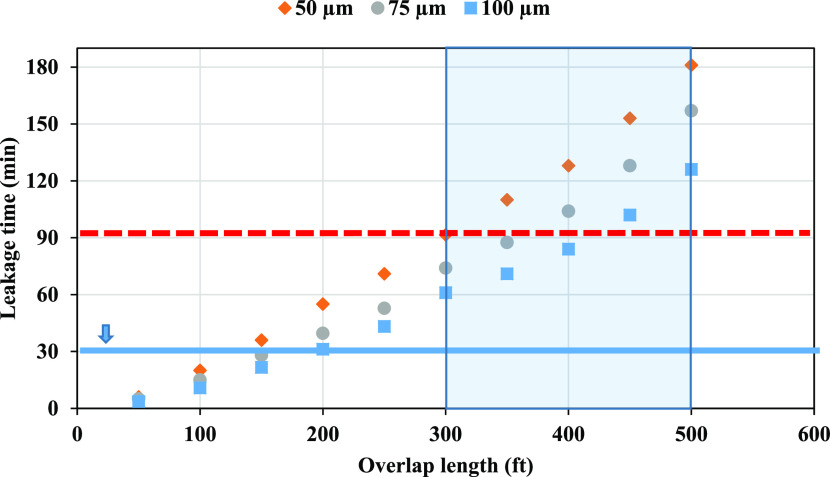
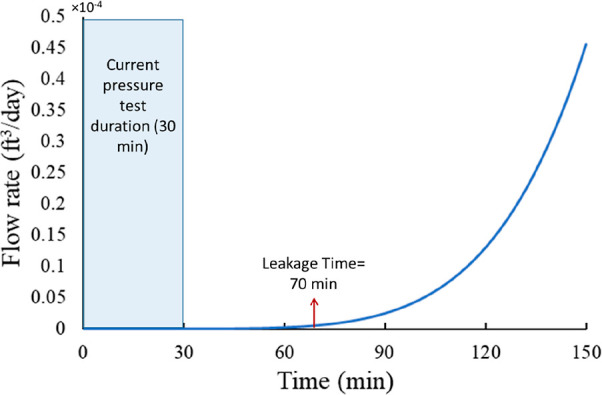
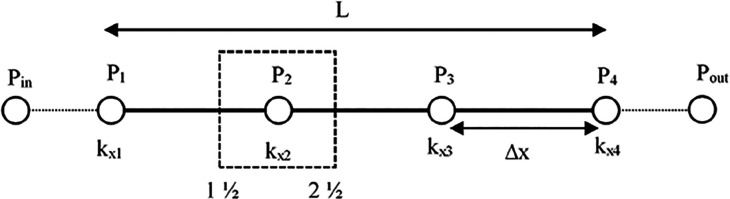
Cement sheath is considered an important barrier throughout the life cycle of the well. The integrity of the cement sheath plays a vital role in maintaining the integrity of wells. Cement's ability to seal the annular space or a wellbore, also known as cement sealability, is an important characteristic of the cement to maintain the well integrity. It is believed that placing cement in the annular space or wellbore can totally prevent any leakage; however, that is debatable. The reason why cement cannot completely prevent fluid leakage is that cement is considered as a porous medium, and also flaws in cement, such as microannuli, channels, and fractures, can develop within the cement sheath. Furthermore, the complexity of casing/cement and cement/formation interaction makes it very difficult to fully model the fluid migration. Hence, fluid can migrate between formations or to the surface. This article presents a numerical model for gas flow in cement sheath, including the microannulus flow. A parametric study of different variables and their effect on the leakage time is carried out, such as the microannulus gap size, cement matrix permeability, cement column length, and cement porosity. In addition, it presents leakage scenarios for different casing/liner overlap length with the existence of microannulus. The leakage scenarios revealed that the cement matrix permeability, microannulus gap size, and cement length can highly impact the leakage time; however, cement porosity has a minimal effect on the leakage time. In addition, modeling results revealed that the casing/liner overlap length should not be less than 300 ft, and the casing pressure duration should be beyond 30 min to detect any leak.
水泥环被认为是油井生命周期中的重要屏障。水泥环的完整性对于维持油井的完整性起着至关重要的作用。水泥密封环空或井筒的能力,即水泥的可密封性,是维持油井完整性的一项重要特性。人们认为在环空或井筒中注入水泥能够完全防止任何泄漏;然而,这一观点存在争议。水泥不能完全防止流体泄漏的原因在于,水泥被视为一种多孔介质,而且在水泥环内可能会出现水泥缺陷,如微环隙、通道和裂缝。此外,套管/水泥以及水泥/地层相互作用的复杂性使得对流体运移进行完全建模非常困难。因此,流体可能在地层之间或向地面运移。本文提出了一个用于模拟水泥环内气体流动(包括微环隙流动)的数值模型。对不同变量及其对泄漏时间的影响进行了参数研究,这些变量包括微环隙间隙尺寸、水泥基质渗透率、水泥柱长度和水泥孔隙率。此外,还给出了存在微环隙时不同套管/衬管重叠长度的泄漏情况。泄漏情况表明,水泥基质渗透率、微环隙间隙尺寸和水泥长度对泄漏时间有很大影响;然而,水泥孔隙率对泄漏时间的影响最小。此外,模拟结果表明,套管/衬管重叠长度不应小于300英尺,套管压力持续时间应超过30分钟才能检测到任何泄漏。