Division of Bioinformatics, Bose Institute, Kolkata, India.
Present Affiliation: Department of Orthopaedic Surgery, Keck School of Medicine, University of Southern California, Los Angeles, CA, USA.
RNA Biol. 2022;19(1):12-25. doi: 10.1080/15476286.2021.2010960. Epub 2021 Dec 31.
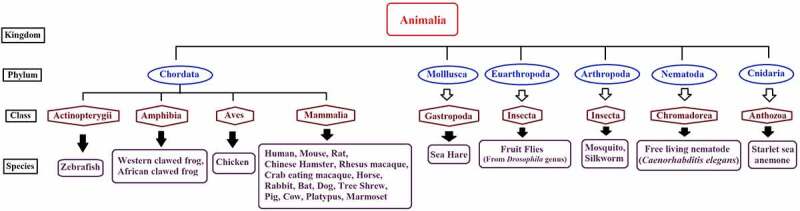
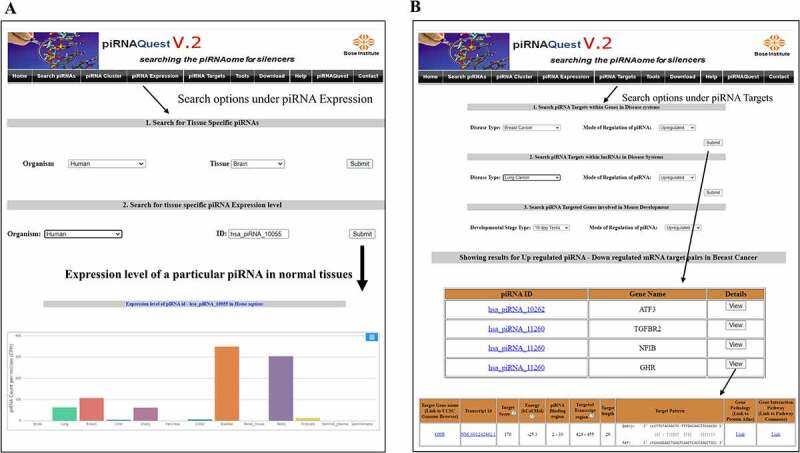
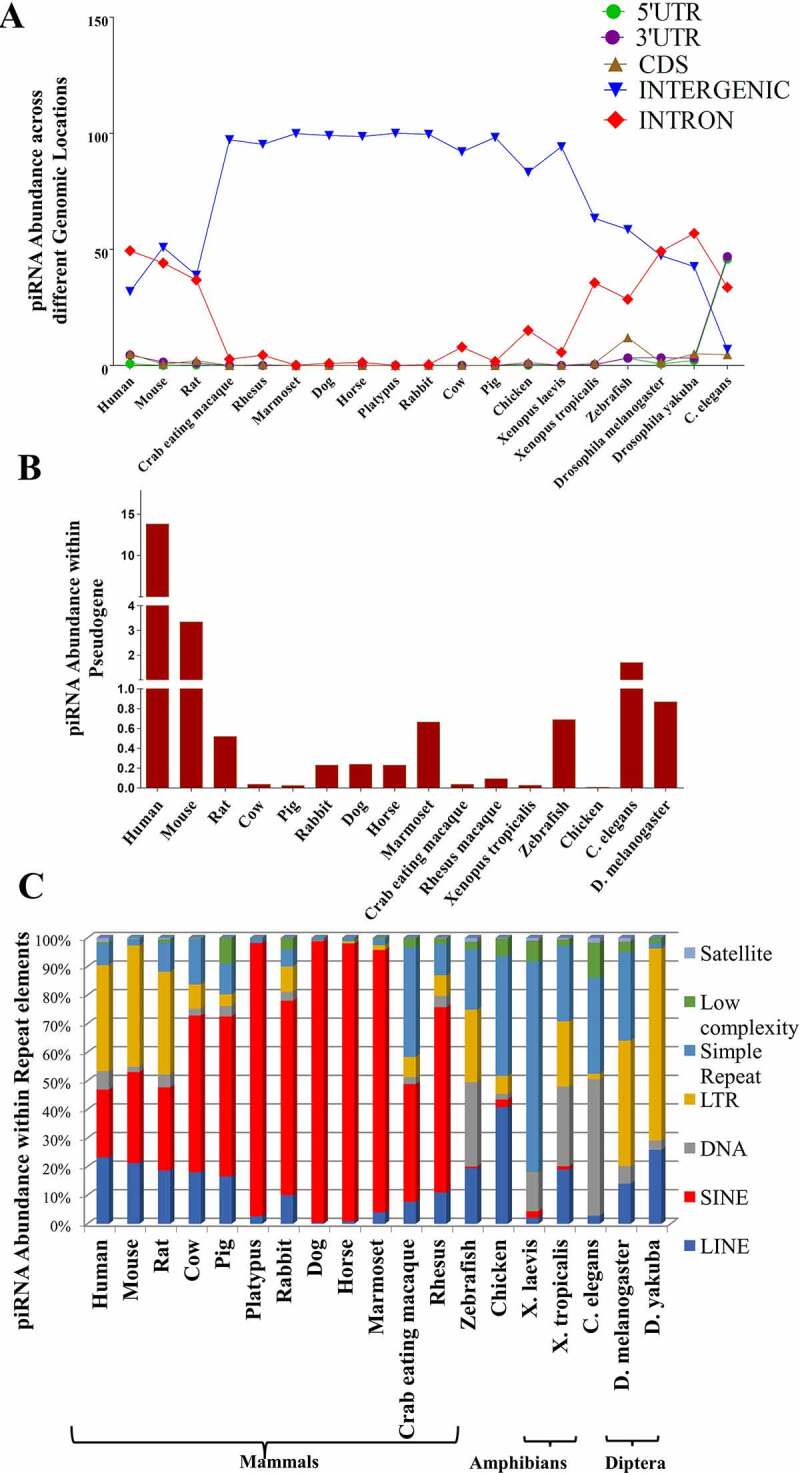
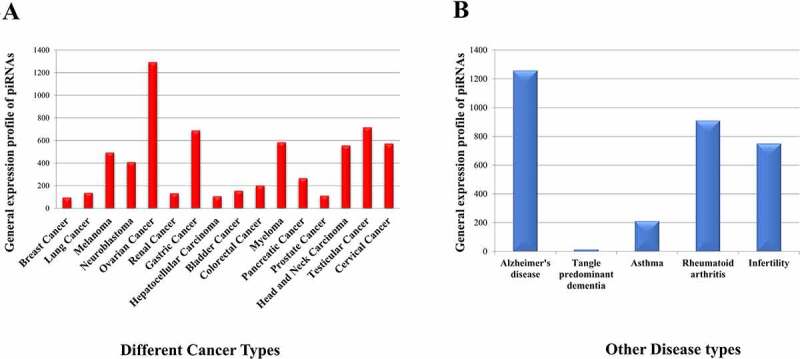
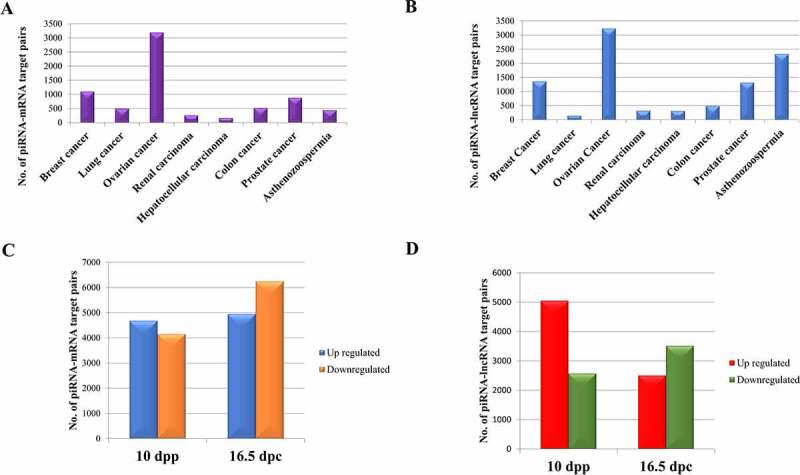
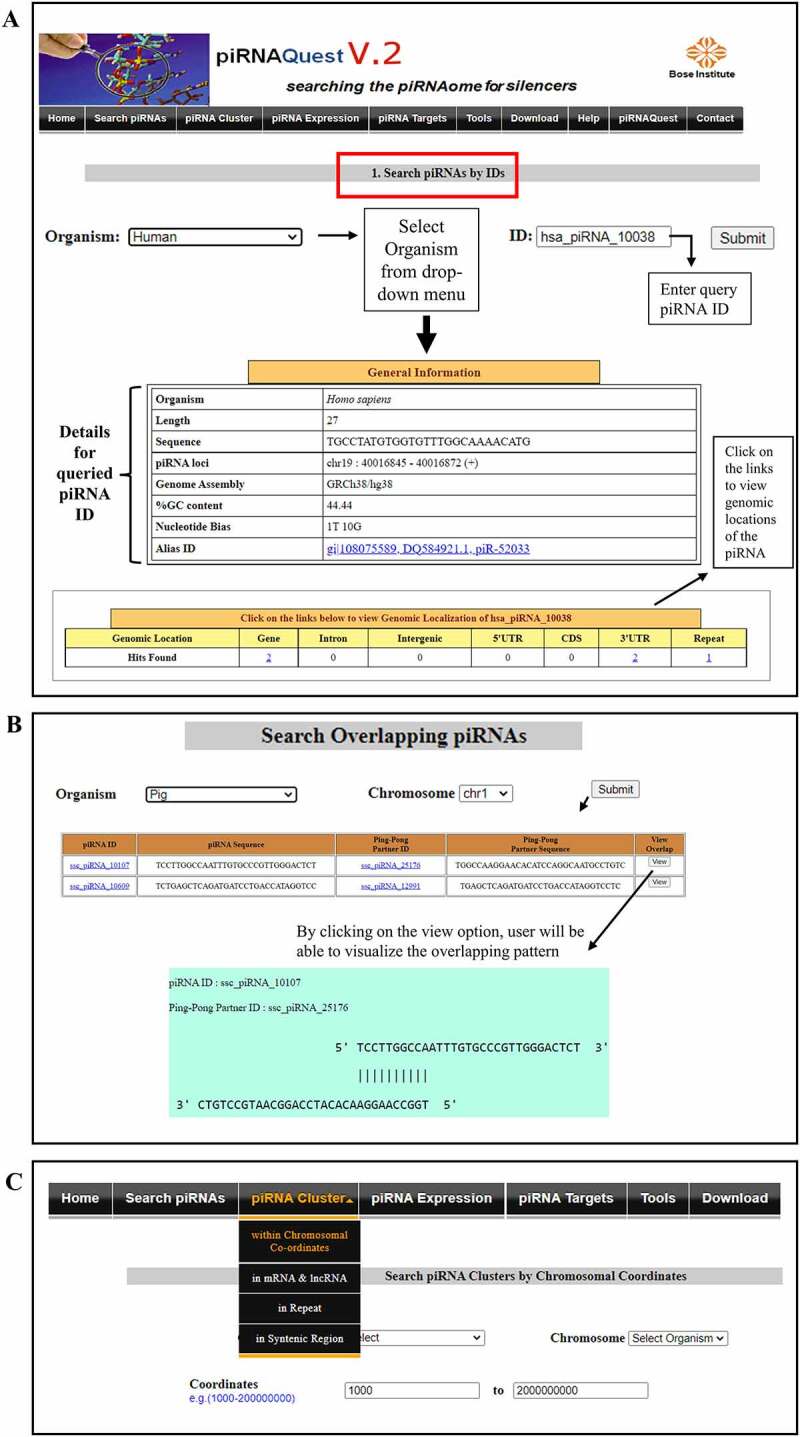
PIWI interacting RNAs (piRNAs) have emerged as important gene regulators in recent times. Since the release of our first version of piRNAQuest in 2014, lots of novel piRNAs have been annotated in different species other than human, mouse and rat. Such new developments in piRNA research have led us to develop an updated database piRNAQuest V.2. It consists of 92,77,689 piRNA entries for 25 new species of different phylum along with human, mouse and rat. Besides providing primary piRNA features which include their genomic location, with further information on piRNAs overlapping with repeat elements, pseudogenes and syntenic regions, etc., the novel features of this version includes (i) density based cluster prediction, (ii) piRNA expression profile across various healthy and disease systems and (iii) piRNA target prediction. The concept of density-based piRNA cluster identification is robust as it does not consider parametric distribution in its model. The piRNA expression profile for 21 disease systems including cancer have been hosted in addition to 32 tissue specific piRNA expression profile for various species. Further, the piRNA target prediction section includes both predicted and curated piRNA targets within eight disease systems and developmental stages of mouse testis. Further, users can visualize the piRNA-target duplex structure and the ping-pong signature pattern for all the ping-pong piRNA partners in different species. Overall, piRNAQuest V.2 is an updated user-friendly database which will serve as a useful resource to survey, search and retrieve information on piRNAs for multiple species. This freely accessible database is available at http://dibresources.jcbose.ac.in/zhumur/pirnaquest2.
PIWI 相互作用 RNA(piRNAs)在最近的研究中成为重要的基因调控因子。自 2014 年发布第一个版本的 piRNAQuest 以来,除了人类、小鼠和大鼠之外,不同物种中已经注释了许多新的 piRNAs。piRNA 研究的这些新进展促使我们开发了一个更新的数据库 piRNAQuest V.2。它包含 25 个不同门的新物种的 92,77,689 个 piRNA 条目,以及人类、小鼠和大鼠。除了提供包括基因组位置在内的主要 piRNA 特征外,该版本还提供了关于与重复元件、假基因和同线区域等重叠的 piRNA 的进一步信息,新版本的新特征包括(i)基于密度的簇预测,(ii)各种健康和疾病系统中的 piRNA 表达谱,以及(iii)piRNA 靶预测。基于密度的 piRNA 簇识别概念是稳健的,因为它在模型中不考虑参数分布。除了包括癌症在内的 21 个疾病系统的 piRNA 表达谱外,还包括 32 个不同物种的组织特异性 piRNA 表达谱。此外,piRNA 靶预测部分包括 8 个疾病系统和小鼠睾丸发育阶段的预测和 curated piRNA 靶。此外,用户可以可视化不同物种中所有乒乓 piRNA 伙伴的 piRNA-靶双链结构和乒乓签名模式。总体而言,piRNAQuest V.2 是一个更新的用户友好型数据库,可作为调查、搜索和检索多种物种 piRNAs 信息的有用资源。这个免费访问的数据库可在 http://dibresources.jcbose.ac.in/zhumur/pirnaquest2 上获取。