El-Kenawy El-Sayed M, Ibrahim Abdelhameed, Mirjalili Seyedali, Eid Marwa Metwally, Hussein Sherif E
Department of Communications and ElectronicsDelta Higher Institute of Engineering and Technology (DHIET) Mansoura 35111 Egypt.
Computer Engineering and Control Systems DepartmentFaculty of EngineeringMansoura University Mansoura 35516 Egypt.
IEEE Access. 2020 Sep 30;8:179317-179335. doi: 10.1109/ACCESS.2020.3028012. eCollection 2020.
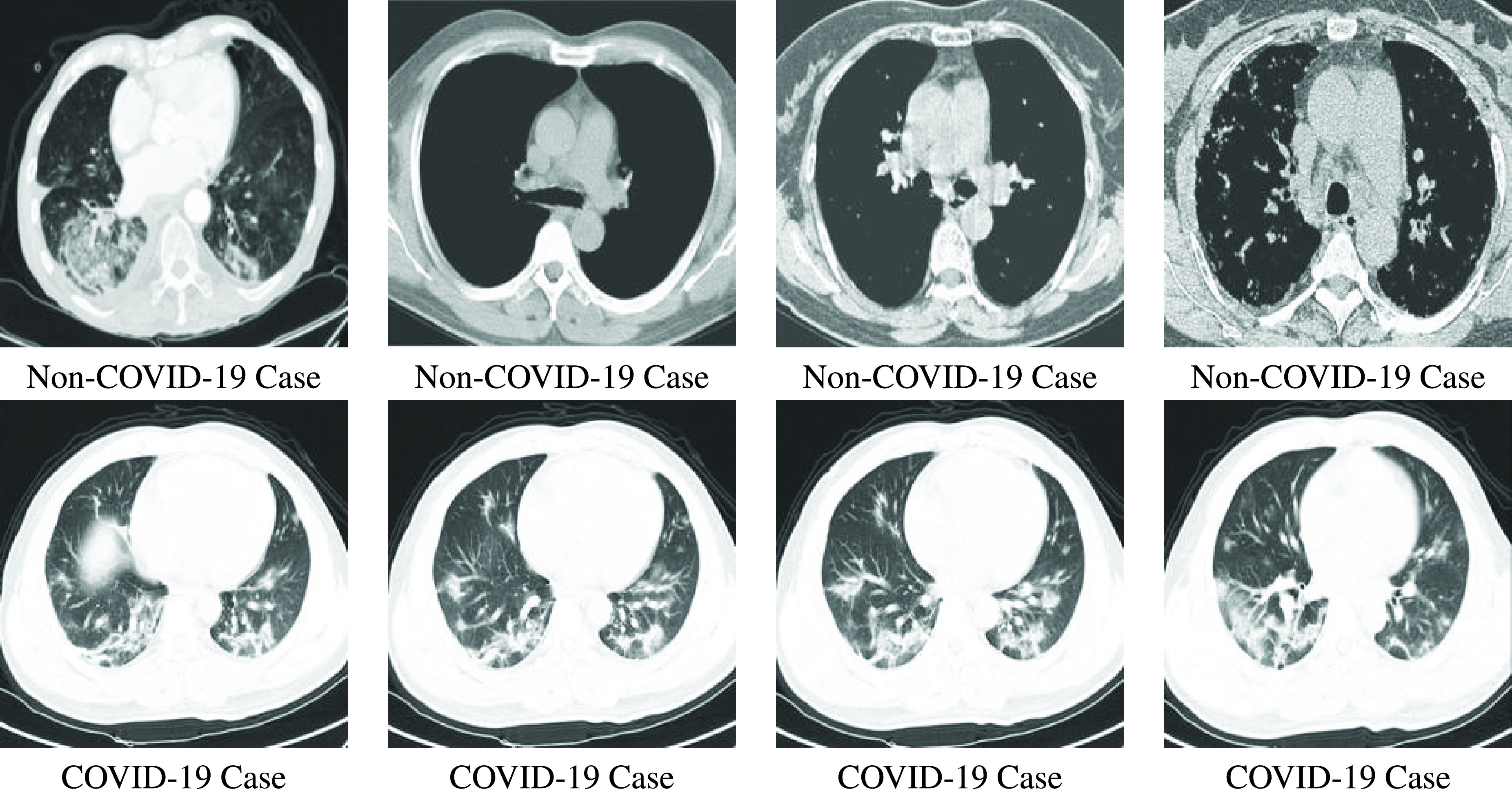
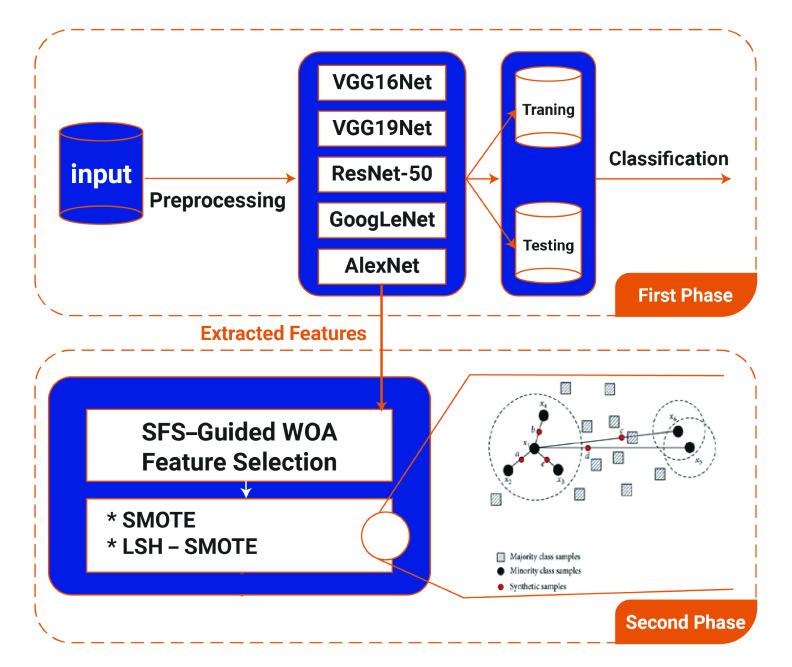
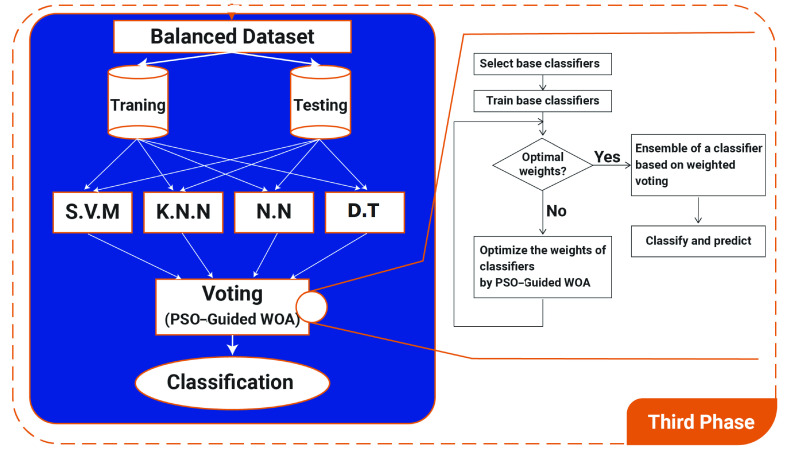
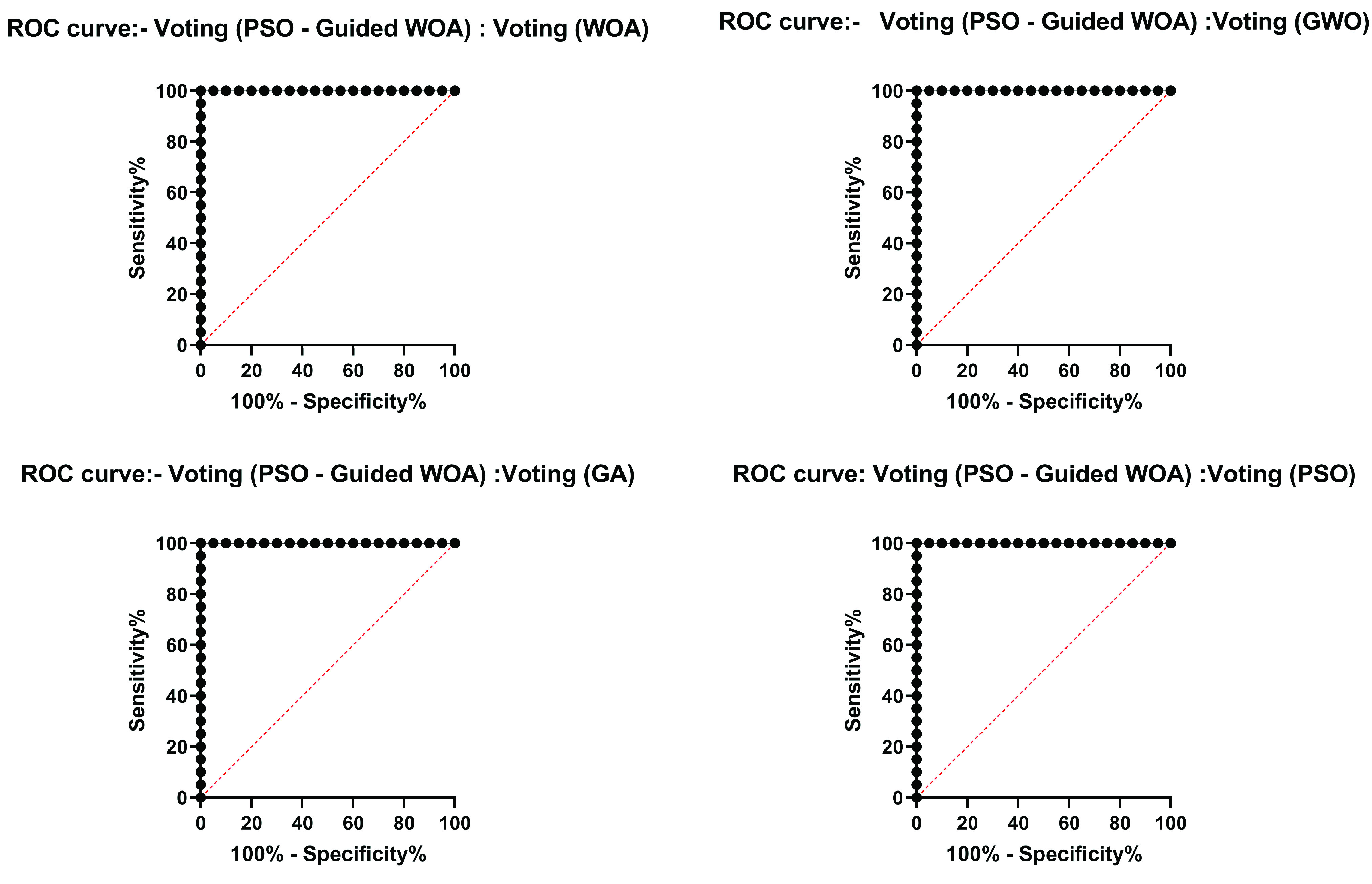
Diagnosis is a critical preventive step in Coronavirus research which has similar manifestations with other types of pneumonia. CT scans and X-rays play an important role in that direction. However, processing chest CT images and using them to accurately diagnose COVID-19 is a computationally expensive task. Machine Learning techniques have the potential to overcome this challenge. This article proposes two optimization algorithms for feature selection and classification of COVID-19. The proposed framework has three cascaded phases. Firstly, the features are extracted from the CT scans using a Convolutional Neural Network (CNN) named AlexNet. Secondly, a proposed features selection algorithm, Guided Whale Optimization Algorithm (Guided WOA) based on Stochastic Fractal Search (SFS), is then applied followed by balancing the selected features. Finally, a proposed voting classifier, Guided WOA based on Particle Swarm Optimization (PSO), aggregates different classifiers' predictions to choose the most voted class. This increases the chance that individual classifiers, e.g. Support Vector Machine (SVM), Neural Networks (NN), k-Nearest Neighbor (KNN), and Decision Trees (DT), to show significant discrepancies. Two datasets are used to test the proposed model: CT images containing clinical findings of positive COVID-19 and CT images negative COVID-19. The proposed feature selection algorithm (SFS-Guided WOA) is compared with other optimization algorithms widely used in recent literature to validate its efficiency. The proposed voting classifier (PSO-Guided-WOA) achieved AUC (area under the curve) of 0.995 that is superior to other voting classifiers in terms of performance metrics. Wilcoxon rank-sum, ANOVA, and T-test statistical tests are applied to statistically assess the quality of the proposed algorithms as well.
诊断是冠状病毒研究中的关键预防步骤,冠状病毒与其他类型的肺炎有相似的表现。CT扫描和X射线在这方面发挥着重要作用。然而,处理胸部CT图像并利用它们准确诊断COVID-19是一项计算成本高昂的任务。机器学习技术有潜力克服这一挑战。本文提出了两种用于COVID-19特征选择和分类的优化算法。所提出的框架有三个级联阶段。首先,使用名为AlexNet的卷积神经网络(CNN)从CT扫描中提取特征。其次,应用一种基于随机分形搜索(SFS)的特征选择算法——引导式鲸鱼优化算法(Guided WOA),然后对所选特征进行平衡。最后,一种基于粒子群优化(PSO)的引导式鲸鱼优化算法投票分类器汇总不同分类器的预测结果,以选择得票最多的类别。这增加了各个分类器(例如支持向量机(SVM)、神经网络(NN)、k近邻(KNN)和决策树(DT))出现显著差异的可能性。使用两个数据集来测试所提出的模型:包含COVID-19阳性临床结果的CT图像和COVID-19阴性CT图像。将所提出的特征选择算法(SFS-Guided WOA)与近期文献中广泛使用的其他优化算法进行比较,以验证其效率。所提出的投票分类器(PSO-Guided-WOA)在性能指标方面实现了0.995的曲线下面积(AUC),优于其他投票分类器。还应用了Wilcoxon秩和检验、方差分析和T检验统计测试来从统计学上评估所提出算法的质量。