Xu Shuting, Yang Peng, Qian Kang, Li Yixian, Guo Qian, Wang Pengzhen, Meng Ran, Wu Jing, Cao Jinxu, Cheng Yunlong, Xu Minjun, Zhang Qizhi
Key Laboratory of Smart Drug Delivery, Ministry of Education, School of Pharmacy, Fudan University, Shanghai, 201203, China.
Bioact Mater. 2021 Oct 4;11:300-316. doi: 10.1016/j.bioactmat.2021.09.017. eCollection 2022 May.
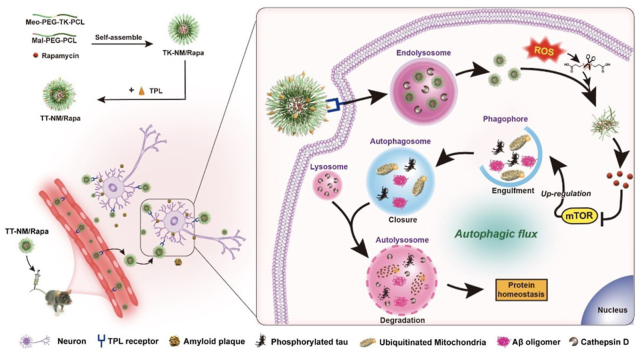
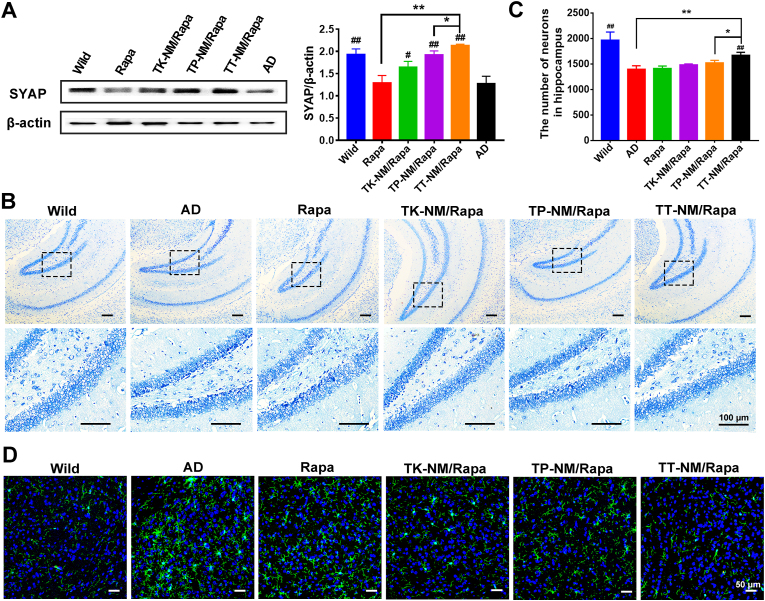
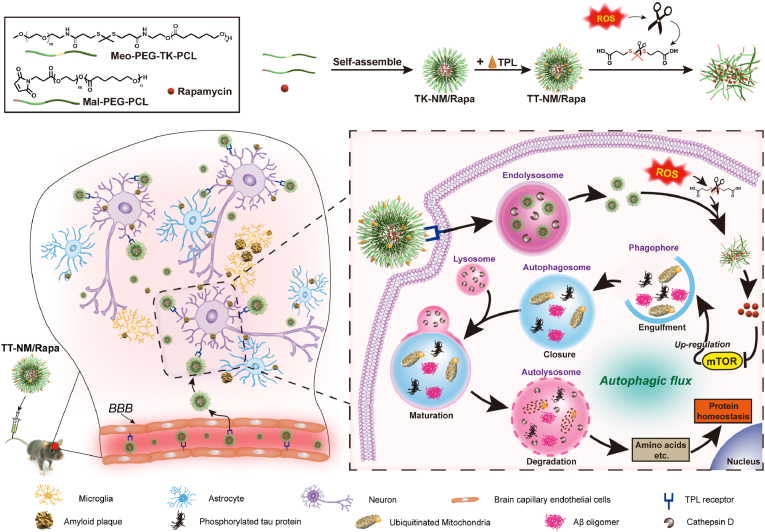
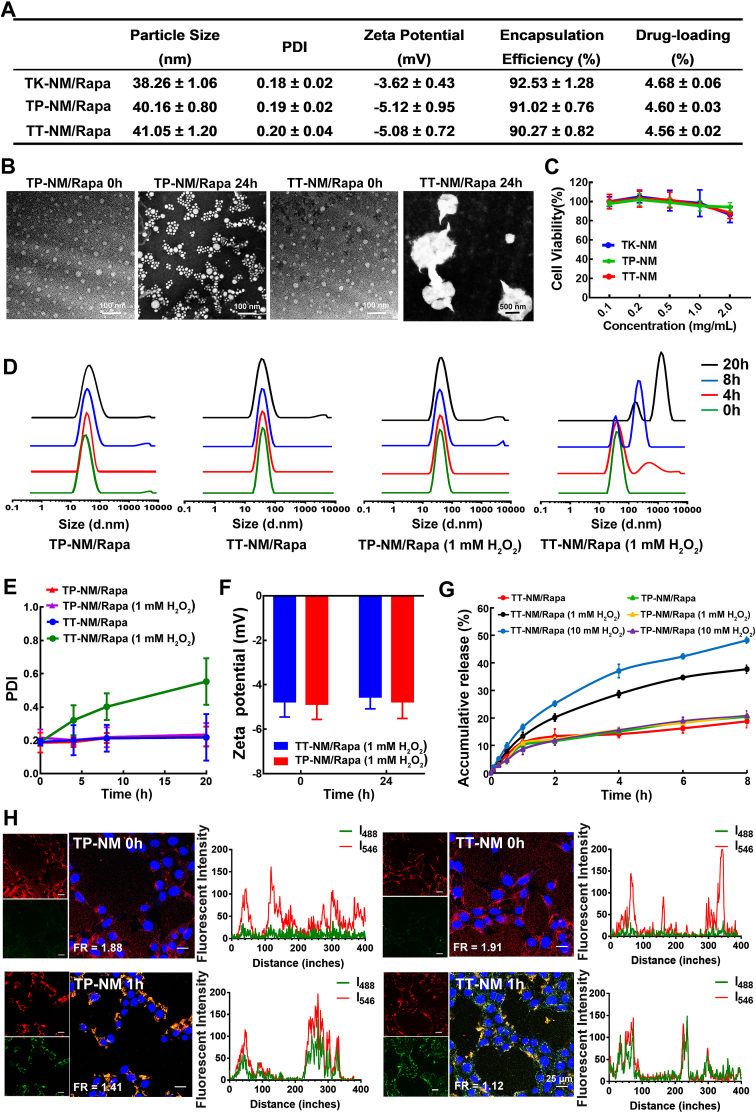
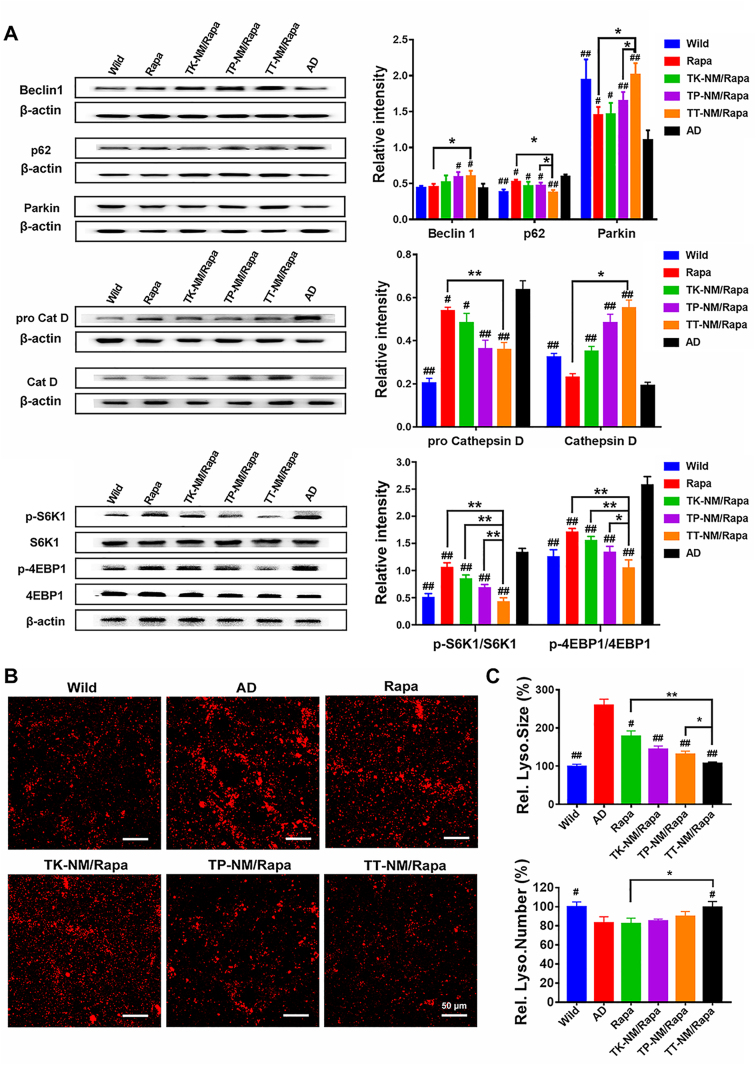
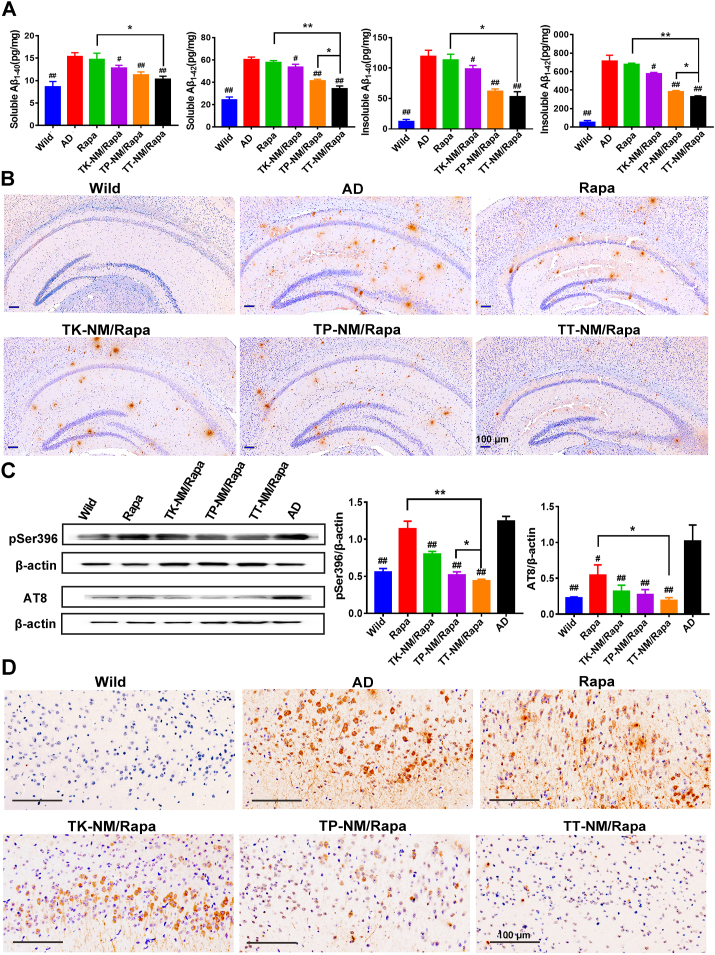
Compromised autophagy and defective lysosomal clearance significantly contribute to impaired neuronal proteostasis, which represents a hallmark of Alzheimer's disease (AD) and other age-related neurodegenerative disorders. Growing evidence has implicated that modulating autophagic flux, instead of inducing autophagosome formation alone, would be more reliable to rescue neuronal proteostasis. Concurrently, selectively enhancing drug concentrations in the leision areas, instead of the whole brain, will maximize therapeutic efficacy while reduing non-selective autophagy induction. Herein, we design a ROS-responsive targeted micelle system (TT-NM/Rapa) to enhance the delivery efficiency of rapamycin to neurons in AD lesions guided by the fusion peptide TPL, and facilitate its intracellular release via ROS-mediated disassembly of micelles, thereby maximizing autophagic flux modulating efficacy of rapamycin in neurons. Consequently, it promotes the efficient clearance of intracellular neurotoxic proteins, β-amyloid and hyperphosphorylated tau proteins, and ameliorates memory defects and neuronal damage in 3 × Tg-AD transgenic mice. Our studies demonstrate a promising strategy to restore autophagic flux and improve neuronal proteostasis by rationally-engineered nano-systems for delaying the progression of AD.
自噬受损和溶酶体清除功能缺陷显著导致神经元蛋白质稳态受损,这是阿尔茨海默病(AD)和其他与年龄相关的神经退行性疾病的一个标志。越来越多的证据表明,调节自噬通量,而不是单独诱导自噬体形成,对于挽救神经元蛋白质稳态将更可靠。同时,选择性地提高病变区域而非整个大脑中的药物浓度,将在降低非选择性自噬诱导的同时最大化治疗效果。在此,我们设计了一种ROS响应靶向胶束系统(TT-NM/Rapa),以提高雷帕霉素在融合肽TPL引导下向AD病变中神经元的递送效率,并通过ROS介导的胶束拆解促进其细胞内释放,从而最大化雷帕霉素对神经元自噬通量的调节功效。因此,它促进细胞内神经毒性蛋白、β-淀粉样蛋白和过度磷酸化tau蛋白的有效清除,并改善3×Tg-AD转基因小鼠的记忆缺陷和神经元损伤。我们的研究证明了一种有前景的策略,即通过合理设计的纳米系统恢复自噬通量并改善神经元蛋白质稳态,以延缓AD的进展。