Reproductive Medicine Unit, Department of Mother and Child, San Paolo Hospital Medical School, ASST Santi Paolo e Carlo, 20142 via di Rudinì, 8 -, Milano, Italy.
Istituto di Medicina Aerospaziale "A. Mosso", Aeronautica Militare, Milano, Italy.
Reprod Biol Endocrinol. 2022 Jan 4;20(1):6. doi: 10.1186/s12958-021-00876-0.
Moving from the correlation between insulin-resistance and PCOS, metformin has been administered in some PCOS women improving ovulatory and metabolic functions and decreasing androgen levels. Inconsistency and unpredictability of response to metformin limit its extensive use. Aim of this study was to identify reliable predictors of response to metformin therapy for weight loss and reduction in plasma androgen levels using ANNs (artificial neural networks).
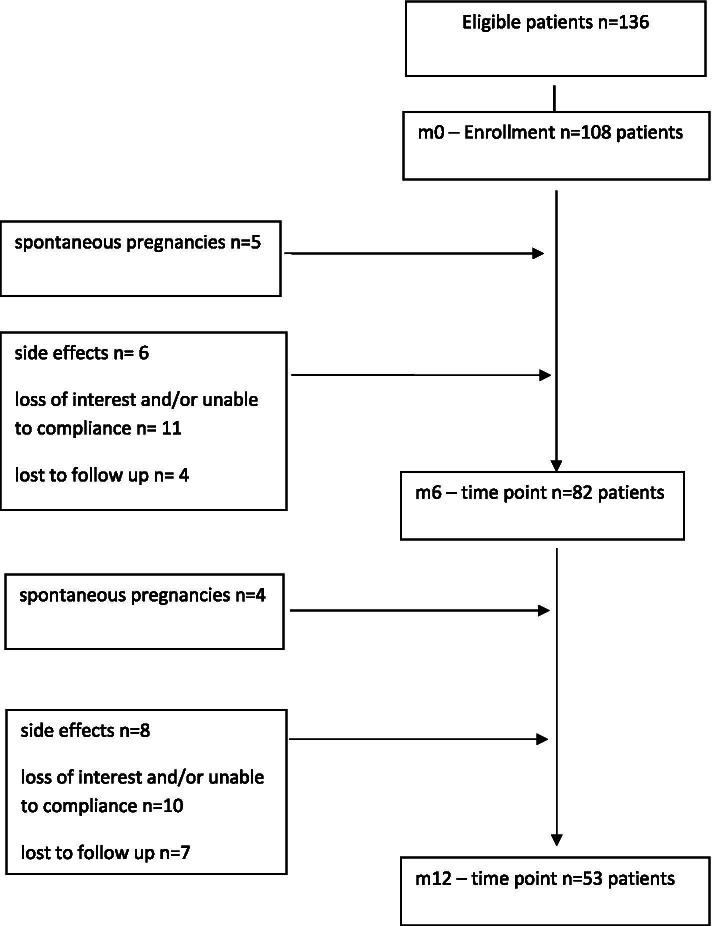
One hundred eight consecutive women with PCOS (ESHRE/ASRM 2003 Rotterdam criteria) treated with metformin 1500 mg/day, at inclusion and every 6 months underwent to a complete clinical, endocrine/metabolic assessment and ultrasonographic evaluation. Therapy outcomes were BMI reduction (≥1 kg/m) in overweight/obese and free-androgen-index (FAI) decrease (≥1%) in hyperandrogenemic women. Semantic connectivity maps (SCMs) were obtained through Auto-CM, a fourth generation ANN, to compare patients' baseline clinical features to the treatment outcomes. Multivariate logistic regression analysis was used to assess the major predictor in drop-out patients and the associated risk.
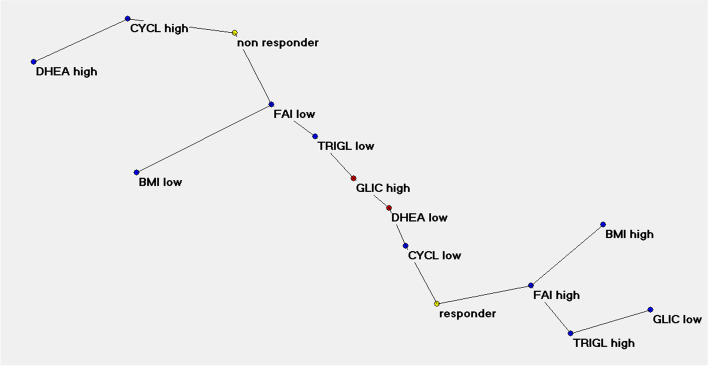
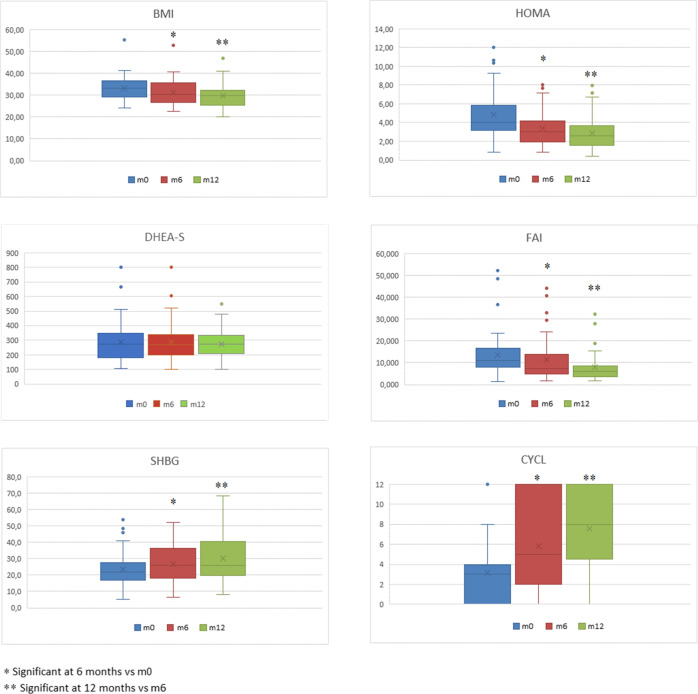
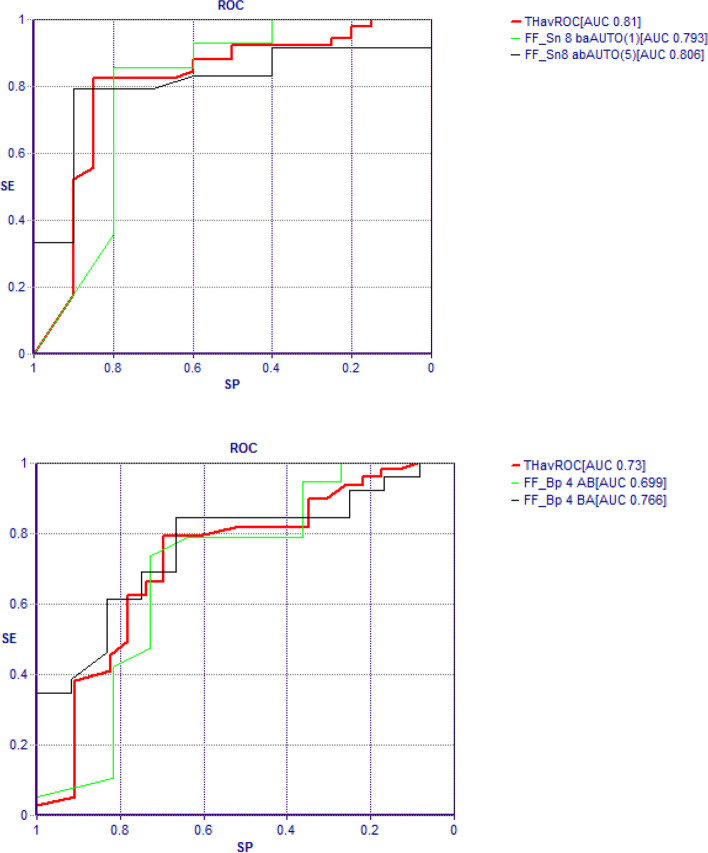
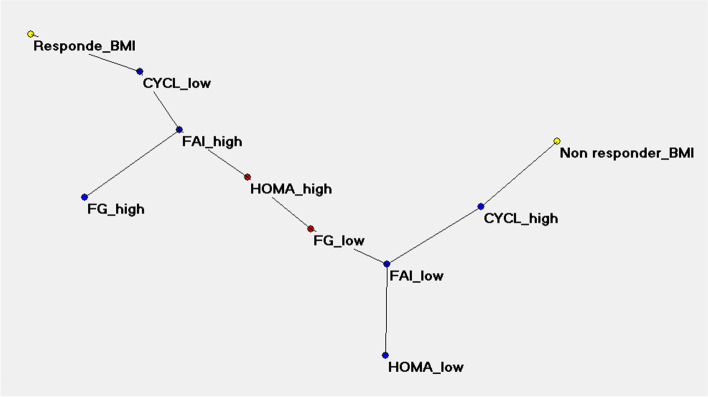
At 6 months 54 out of 103 (52,4%) obese patients showed BMI reduction and 45 out of 89 (50,6%) hyperandrogenemic women showed FAI decrease. The further response rates at 12 months were 30,6 and 47%, respectively. SCMs showed a clear polarization for both the outcomes with elevated accuracy. Treatment responsiveness resulted strictly related to oligo-amenorrhea and hyperandrogenemia at baseline. In addition, lower serum testosterone levels at baseline were found to be the major predictor of treatment discontinuation.
In women with PCOS, menstrual pattern imbalance and ovarian androgens excess are the best predictors of metformin response. They may pave the way for a rethinking of the criteria for evaluating hyperandrogenism in order to better define the large population included in the diagnosis of PCOS. Baseline plasma testosterone level can serve as a sensitive marker to predict treatment compliance.
从胰岛素抵抗与多囊卵巢综合征之间的相关性出发,二甲双胍已被应用于一些多囊卵巢综合征女性,以改善排卵和代谢功能并降低雄激素水平。二甲双胍的反应不一致和不可预测性限制了其广泛应用。本研究旨在使用人工神经网络(ANNs)识别二甲双胍治疗多囊卵巢综合征女性体重减轻和血浆雄激素水平降低的可靠预测因子。
108 例符合 ESHRE/ASRM 2003 鹿特丹标准的多囊卵巢综合征女性连续接受二甲双胍 1500mg/天治疗,在入组时和每 6 个月进行一次完整的临床、内分泌/代谢评估和超声评估。治疗结果为超重/肥胖患者体重指数(BMI)降低(≥1kg/m)和高雄激素血症患者游离雄激素指数(FAI)降低(≥1%)。通过第四代 ANN Auto-CM 获取语义连接图(SCMs),将患者的基线临床特征与治疗结果进行比较。使用多变量逻辑回归分析评估脱落患者的主要预测因子及其相关风险。
在 6 个月时,103 例肥胖患者中有 54 例(52.4%)BMI 降低,89 例高雄激素血症患者中有 45 例(50.6%)FAI 降低。在 12 个月时,进一步的反应率分别为 30.6%和 47%。SCMs 对两种结果均显示出清晰的极化,准确性较高。治疗反应性与基线时的少卵泡和高雄激素血症密切相关。此外,基线时血清睾酮水平较低被发现是治疗中断的主要预测因子。
在多囊卵巢综合征女性中,月经模式失衡和卵巢雄激素过多是二甲双胍反应的最佳预测因子。它们可能为重新思考评估高雄激素血症的标准铺平道路,以便更好地定义包括在多囊卵巢综合征诊断中的大量人群。基线血浆睾酮水平可以作为预测治疗依从性的敏感标志物。