Immunology Outpatient Clinic, Vienna, Austria.
Doctoral School Molecular Biology and Biochemistry, Institute of Molecular Biosciences, University of Graz, Graz, Austria.
Front Immunol. 2021 Dec 20;12:747738. doi: 10.3389/fimmu.2021.747738. eCollection 2021.
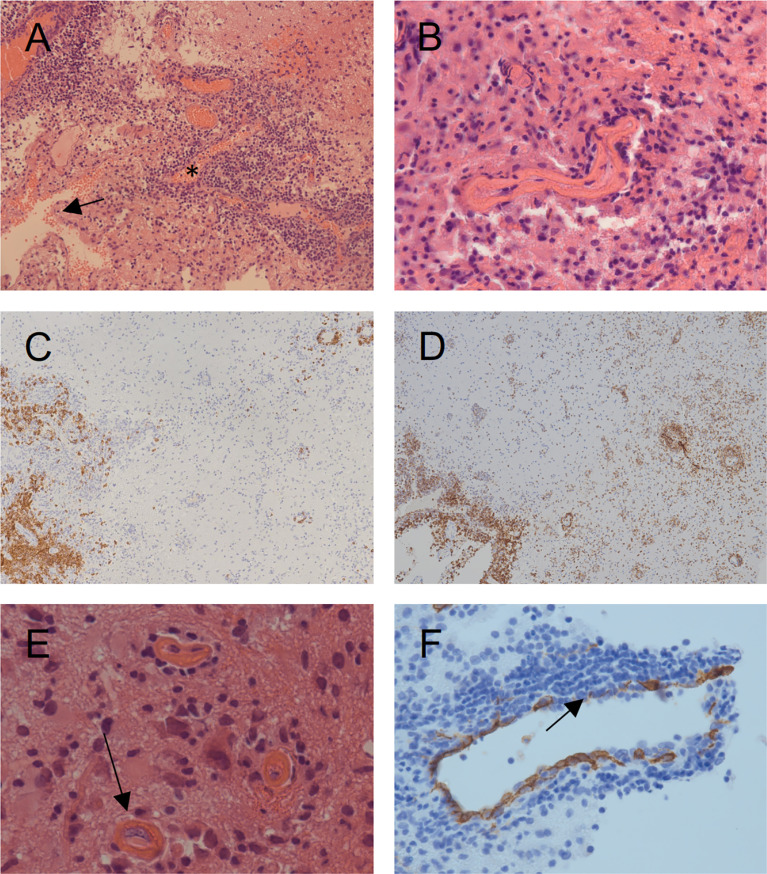
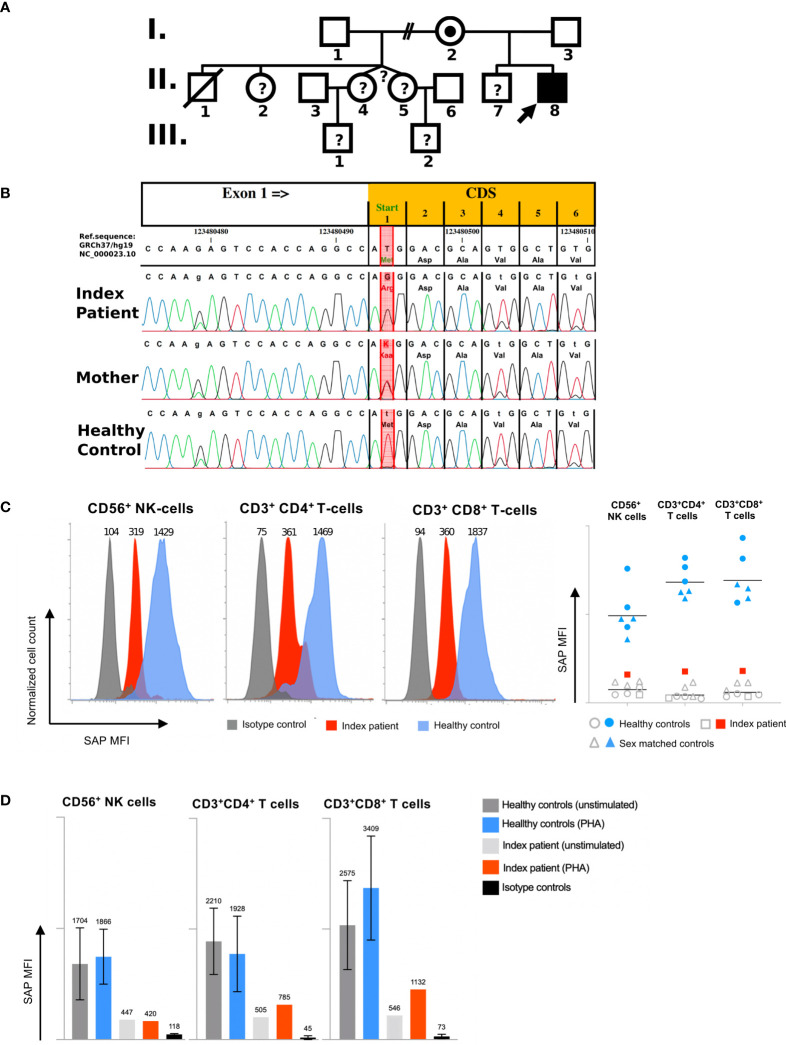
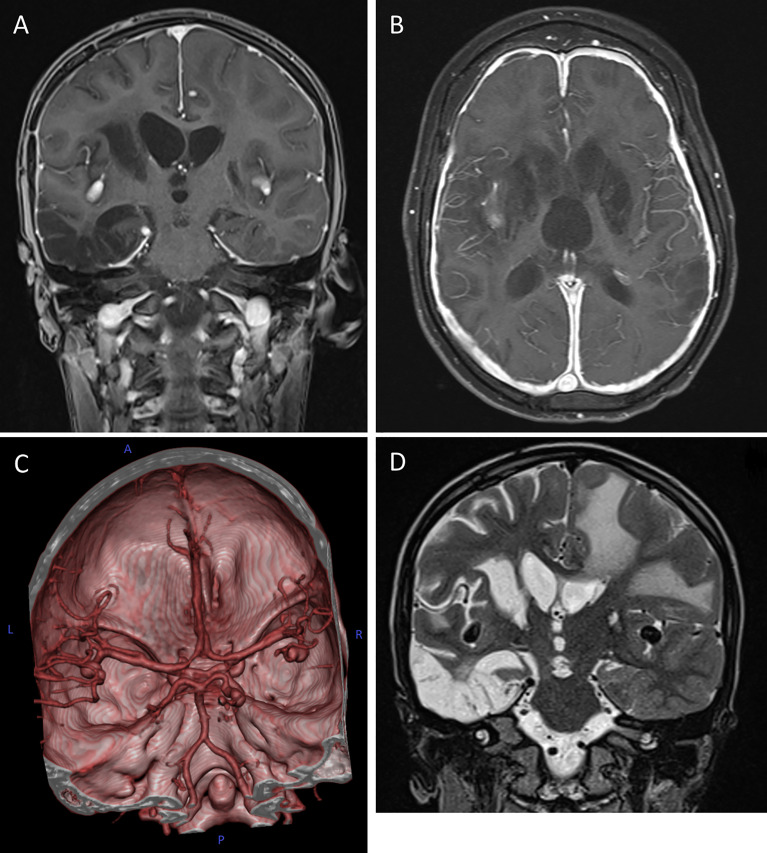
X-linked lymphoproliferative disease (XLP1) is a combined immunodeficiency characterized by severe immune dysregulation caused by mutations in the gene. Loss or dysfunction of SH2D1A is associated with the inability in clearing Epstein-Barr-Virus (EBV) infections. Clinical manifestation is diverse and ranges from life-threatening hemophagocytic lymphohistiocytosis (HLH) and fulminant infectious mononucleosis (FIM) to lymphoma and antibody deficiency. Rare manifestations include aplastic anemia, chronic gastritis and vasculitis. Herein, we describe the case of a previously healthy eight-year old boy diagnosed with XLP1 presenting with acute non-EBV acute meningoencephalitis with thrombotic occlusive vasculopathy. The patient developed multiple cerebral aneurysms leading to repeated intracerebral hemorrhage and severe cerebral damage. Immunological examination was initiated after development of a susceptibility to infections with recurrent bronchitis and one episode of severe pneumonia and showed antibody deficiency with pronounced IgG1-3-4 subclass deficiency. We could identify a novel hemizygous point mutation affecting the start codon. Basal levels of SAP protein seemed to be detectable in CD8 and CD4 T- and CD56 NK-cells of the patient what indicated an incomplete absence of SAP. In conclusion, we could demonstrate a novel mutation leading to deficient SAP protein expression and a rare clinical phenotype of non-EBV associated acute meningoencephalitis with thrombotic occlusive vasculopathy.
X 连锁淋巴组织增生性疾病(XLP1)是一种联合免疫缺陷症,其特征是由于基因发生突变而导致严重的免疫失调。SH2D1A 的缺失或功能障碍与清除 EBV 感染的能力丧失有关。临床表现多种多样,从危及生命的噬血细胞性淋巴组织细胞增生症(HLH)和暴发性传染性单核细胞增多症(FIM)到淋巴瘤和抗体缺陷症。罕见的表现包括再生障碍性贫血、慢性胃炎和血管炎。在此,我们描述了一例先前健康的 8 岁男孩,被诊断为 XLP1,表现为急性非 EBV 急性脑膜脑炎伴血栓闭塞性血管病。该患者发生多发性脑动脉瘤,导致反复脑出血和严重脑损伤。在反复发生支气管炎和一次严重肺炎后,开始进行免疫检查,显示出抗体缺陷,伴有明显的 IgG1-3-4 亚类缺陷。我们发现了一种新的半合子点突变,影响起始密码子。患者 CD8 和 CD4 T 细胞和 CD56 NK 细胞中 SAP 蛋白的基础水平似乎可以检测到,这表明 SAP 不完全缺失。总之,我们可以证明一种新的突变导致 SAP 蛋白表达缺陷和一种罕见的非 EBV 相关急性脑膜脑炎伴血栓闭塞性血管病的临床表型。