Proteomics Core, Cleveland Clinic, Cleveland, OH, 44195, USA.
Division of Cardiology, Department of Internal Medicine, Virginia Commonwealth University, Richmond, VA, 23298, USA.
Sci Rep. 2022 Jan 7;12(1):138. doi: 10.1038/s41598-021-03947-9.
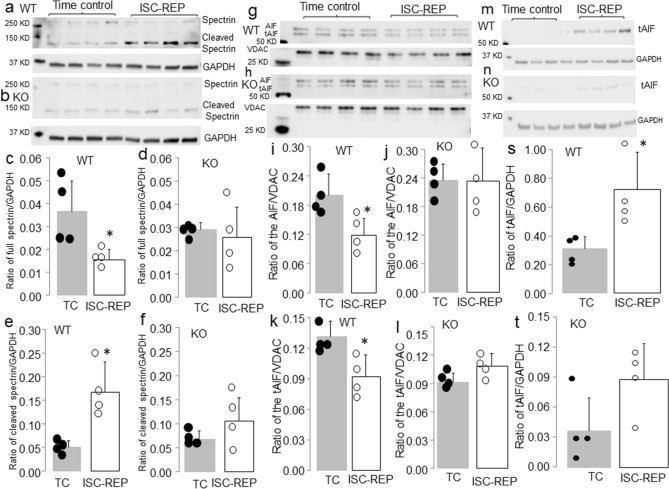
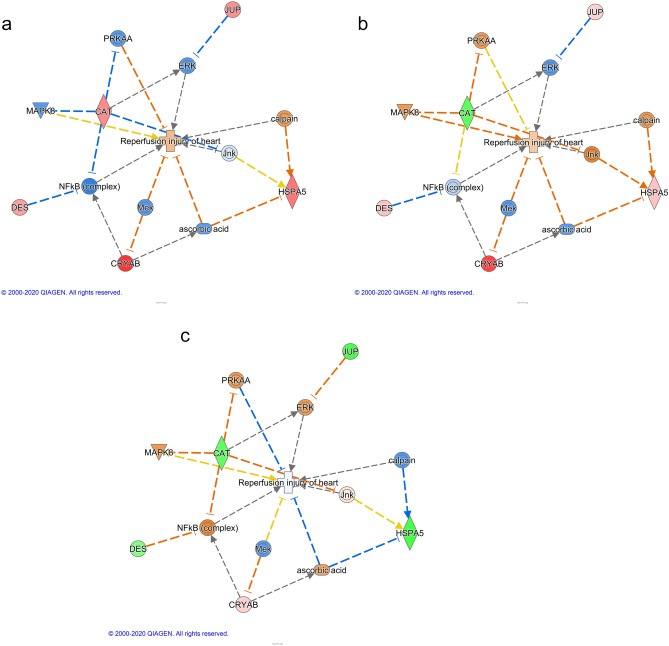
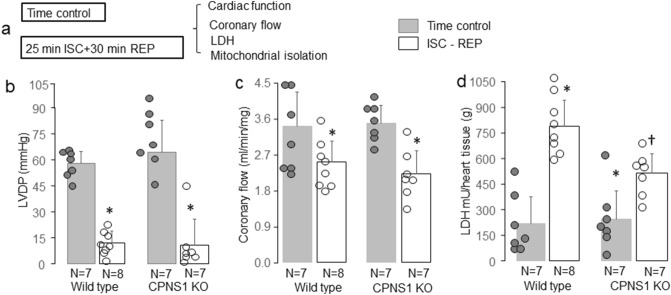
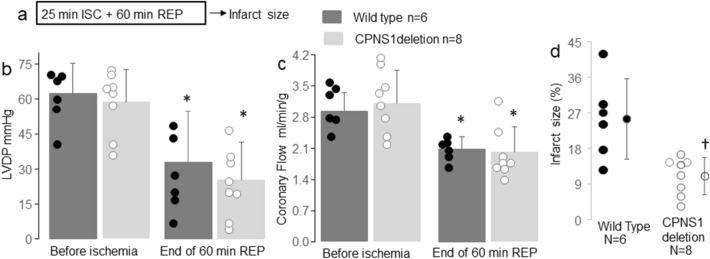
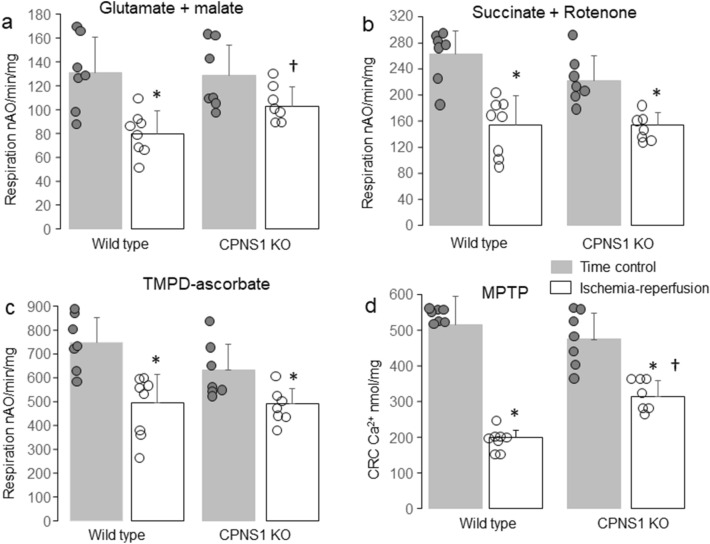
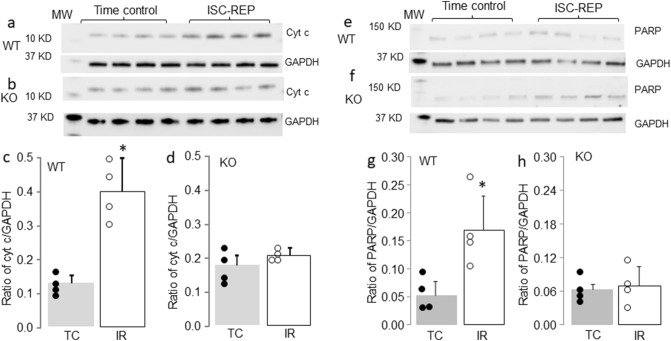
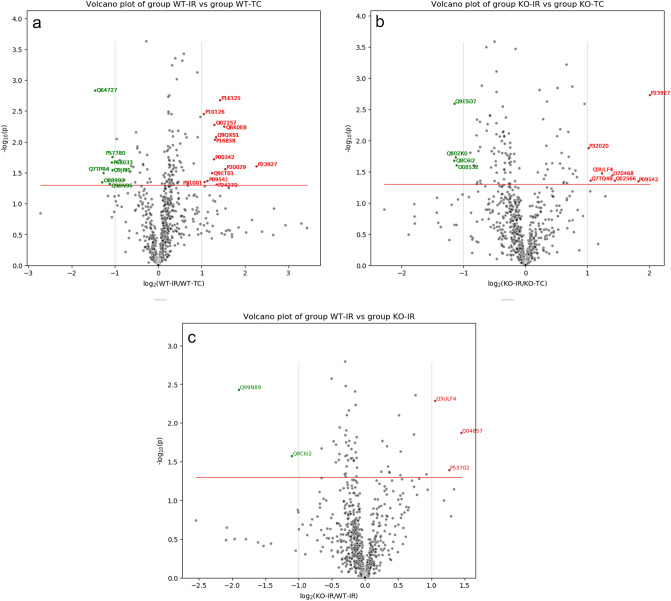
Calpain 1 and 2 (CPN1/2) are calcium-dependent cysteine proteases that exist in cytosol and mitochondria. Pharmacologic inhibition of CPN1/2 decreases cardiac injury during ischemia (ISC)-reperfusion (REP) by improving mitochondrial function. However, the protein targets of CPN1/2 activation during ISC-REP are unclear. CPN1/2 include a large subunit and a small regulatory subunit 1 (CPNS1). Genetic deletion of CPNS1 eliminates the activities of both CPN1 and CPN2. Conditional cardiomyocyte specific CPNS1 deletion mice were used in the present study to clarify the role of CPN1/2 activation in mitochondrial damage during ISC-REP with an emphasis on identifying the potential protein targets of CPN1/2. Isolated hearts from wild type (WT) or CPNS1 deletion mice underwent 25 min in vitro global ISC and 30 min REP. Deletion of CPNS1 led to decreased cytosolic and mitochondrial calpain 1 activation compared to WT. Cardiac injury was decreased in CPNS1 deletion mice following ISC-REP as shown by the decreased infarct size compared to WT. Compared to WT, mitochondrial function was improved in CPNS1 deletion mice following ischemia-reperfusion as shown by the improved oxidative phosphorylation and decreased susceptibility to mitochondrial permeability transition pore opening. HO generation was also decreased in mitochondria from deletion mice following ISC-REP compared to WT. Deletion of CPNS1 also resulted in less cytochrome c and truncated apoptosis inducing factor (tAIF) release from mitochondria. Proteomic analysis of the isolated mitochondria showed that deletion of CPNS1 increased the content of proteins functioning in regulation of mitochondrial calcium homeostasis (paraplegin and sarcalumenin) and complex III activity. These results suggest that activation of CPN1 increases cardiac injury during ischemia-reperfusion by impairing mitochondrial function and triggering cytochrome c and tAIF release from mitochondria into cytosol.
钙蛋白酶 1 和 2(CPN1/2)是存在于细胞质和线粒体中的钙依赖性半胱氨酸蛋白酶。CPN1/2 的药理学抑制可通过改善线粒体功能来减少缺血(ISC)-再灌注(REP)期间的心脏损伤。然而,ISC-REP 期间 CPN1/2 激活的蛋白质靶标尚不清楚。CPN1/2 包括一个大亚基和一个小调节亚基 1(CPNS1)。CPNS1 的基因缺失消除了 CPN1 和 CPN2 的活性。本研究使用条件性心肌细胞特异性 CPNS1 缺失小鼠来阐明 ISC-REP 期间线粒体损伤中 CPN1/2 激活的作用,重点是确定 CPN1/2 的潜在蛋白质靶标。来自野生型(WT)或 CPNS1 缺失小鼠的分离心脏经历了 25 分钟的体外全 ISC 和 30 分钟的 REP。与 WT 相比,CPNS1 缺失导致细胞质和线粒体钙蛋白酶 1 激活减少。CPNS1 缺失小鼠的心脏损伤在 ISC-REP 后减少,与 WT 相比,梗死面积减小。与 WT 相比,CPNS1 缺失小鼠的线粒体功能在缺血-再灌注后得到改善,表现为氧化磷酸化改善和线粒体通透性转换孔开放的易感性降低。ISC-REP 后,与 WT 相比,缺失小鼠的线粒体中 HO 的产生也减少。CPNS1 的缺失还导致从线粒体释放的细胞色素 c 和截断的凋亡诱导因子(tAIF)减少。分离线粒体的蛋白质组学分析表明,CPNS1 的缺失增加了在线粒体钙稳态调节(截瘫蛋白和肌质网钙结合蛋白)和复合物 III 活性中起作用的蛋白质的含量。这些结果表明,CPN1 的激活通过损害线粒体功能和触发细胞色素 c 和 tAIF 从线粒体释放到细胞质中,增加了缺血再灌注期间的心脏损伤。