Desale Smita Eknath, Chinnathambi Subashchandrabose
Neurobiology Group, Division of Biochemical Sciences, CSIR-National Chemical Laboratory, Dr. Homi Bhabha Road, Pune, 411008,, India.
Academy of Scientific and Innovative Research (AcSIR), Ghaziabad, 201002,, India.
Mol Biomed. 2021 Feb 9;2(1):4. doi: 10.1186/s43556-021-00028-1.
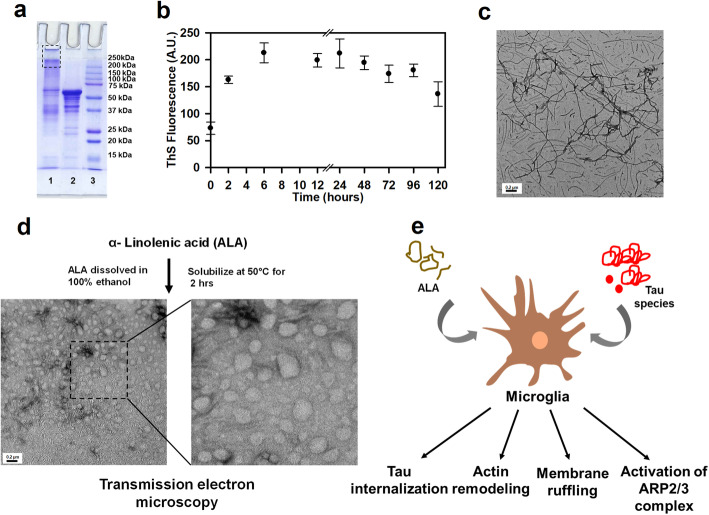
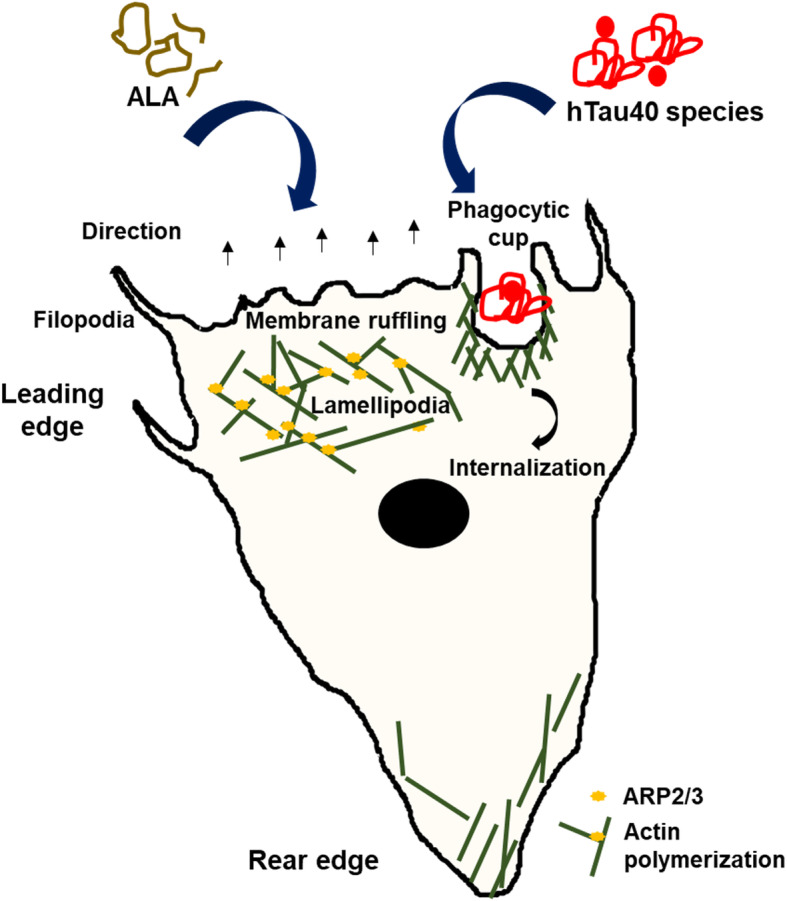
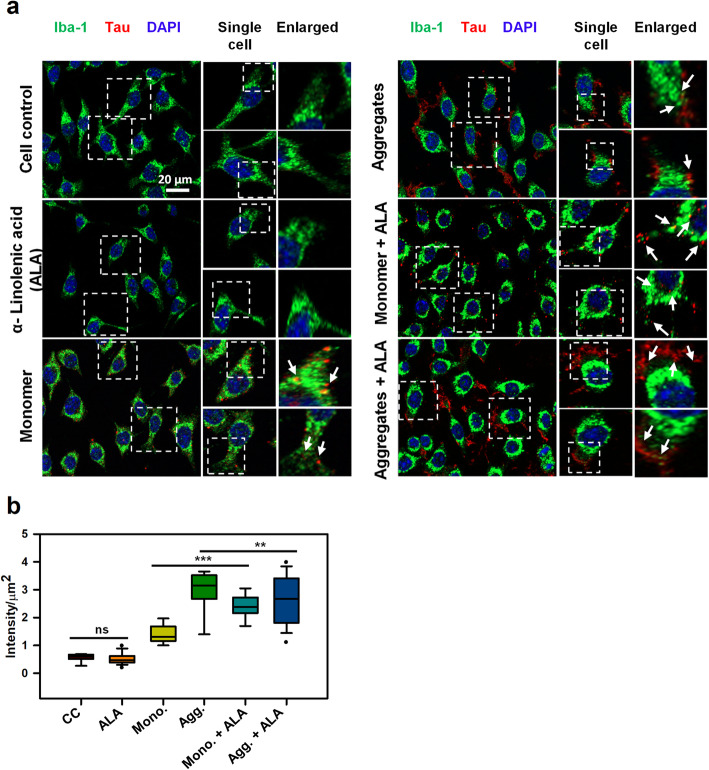
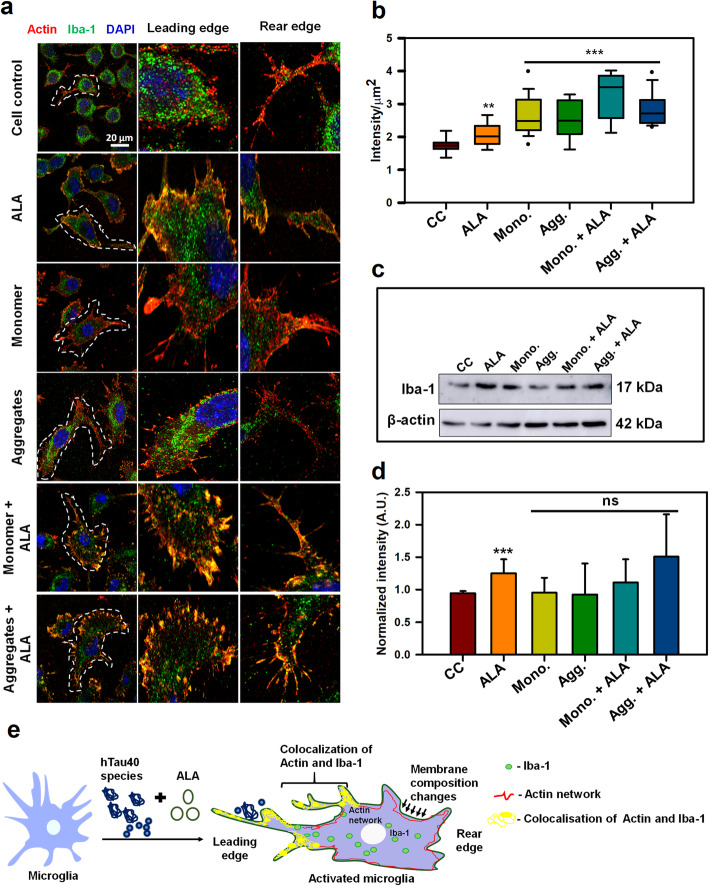
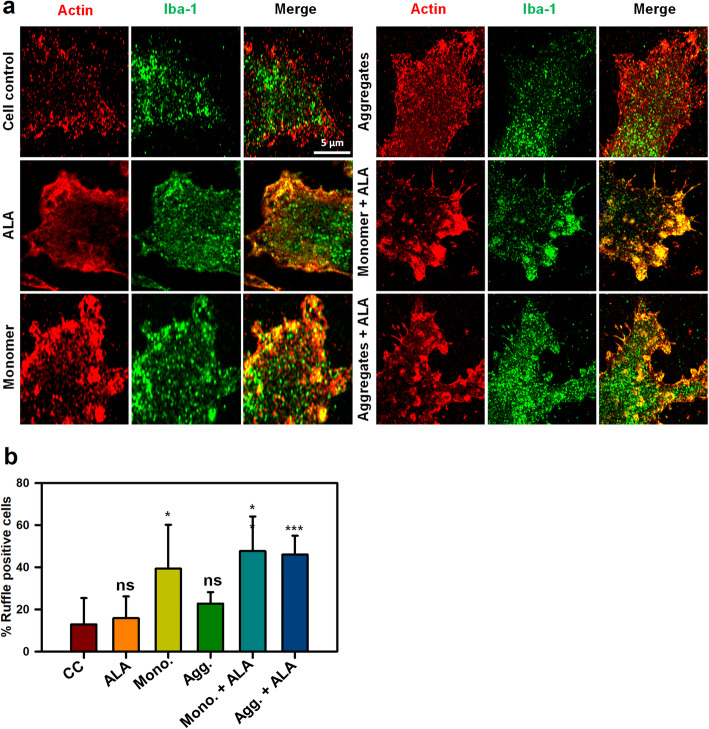
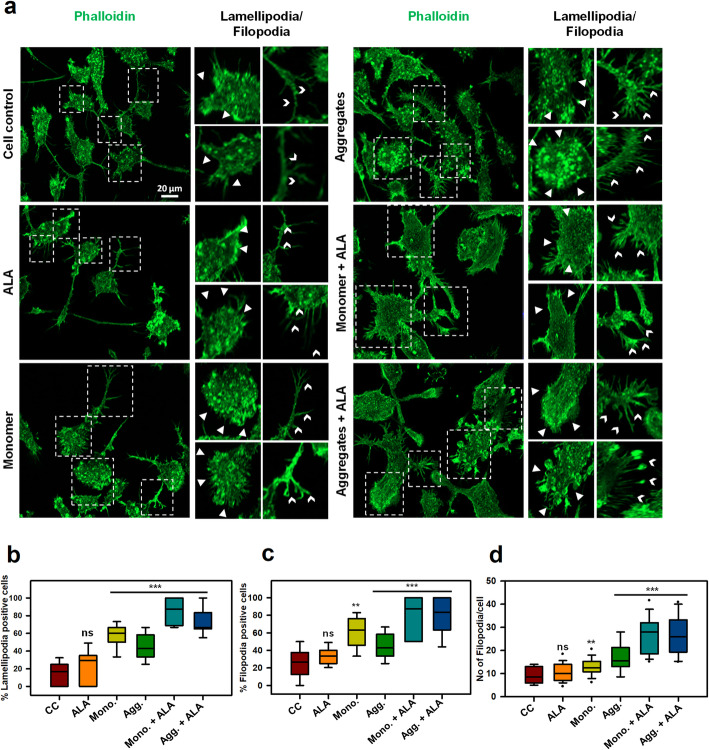
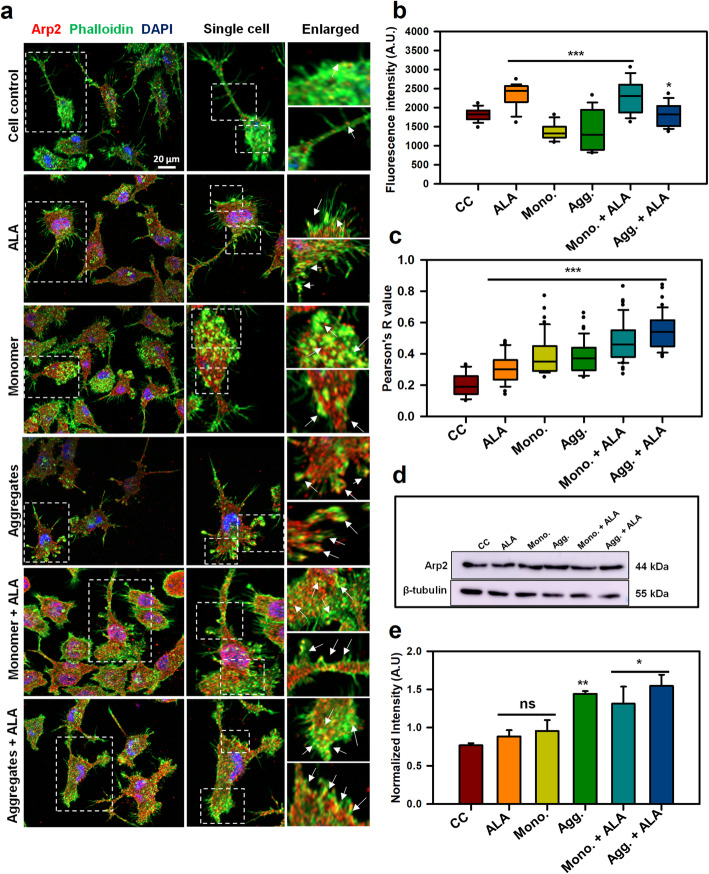
Alzheimer's disease (AD) is known by characteristic features, extracellular burden of amyloid-β and intracellular neuronal Tau. Microglia, the innate immune cell of the brain has the ability to clear the burden of accumulated proteins via phagocytosis. But the excessive proinflammatory cytokine production, altered cellular signaling and actin remodeling hampers the process of migration and phagocytosis by microglia. Actin remodeling is necessary to initiate the chemotactic migration of microglia towards the target and engulf it. The formation of lamellipodia, filopodia, membrane ruffling and rapid turnover of F-actin is necessary to sense the extracellular target by the cells. Omega-3 fatty acids, are known to impose anti-inflammatory phenotype of microglia by enhancing its ability for migration and phagocytosis. But the role of omega-3 fatty acids in cellular actin remodeling, which is the basis of cellular functions such as migration and phagocytosis, is not well understood. Here, we have focused on the effect of dietary supplement of α-linolenic acid (ALA) on extracellular Tau internalization and assisted actin polymerization for the process. ALA is found to induce membrane ruffling and phagocytic cup formation along with cytoskeletal rearrangement. ALA also enhances the localization of Arp2/3 complex at the leading edge and its colocalization with F-actin to induce the actin polymerization. The excessive actin polymerization might help the cell to protrude forward and perform its migration. The results suggest that dietary supplement of ALA could play a neuroprotective role and slow down the AD pathology.
阿尔茨海默病(AD)以其特征性表现而闻名,即细胞外的β淀粉样蛋白沉积和细胞内的神经元 Tau 蛋白。小胶质细胞作为大脑的固有免疫细胞,具有通过吞噬作用清除积聚蛋白质负担的能力。但是,过度的促炎细胞因子产生、细胞信号改变和肌动蛋白重塑会阻碍小胶质细胞的迁移和吞噬过程。肌动蛋白重塑对于启动小胶质细胞向靶标的趋化性迁移并吞噬它是必要的。片状伪足、丝状伪足、膜皱褶的形成以及 F-肌动蛋白的快速周转对于细胞感知细胞外靶标是必要的。已知ω-3 脂肪酸通过增强小胶质细胞的迁移和吞噬能力来赋予其抗炎表型。但是,ω-3 脂肪酸在细胞肌动蛋白重塑中的作用,而肌动蛋白重塑是迁移和吞噬等细胞功能的基础,目前尚不清楚。在这里,我们专注于膳食补充α-亚麻酸(ALA)对细胞外 Tau 内化的影响以及在此过程中对肌动蛋白聚合的辅助作用。发现 ALA 可诱导膜皱褶和吞噬杯形成以及细胞骨架重排。ALA 还增强了 Arp2/3 复合物在前缘的定位及其与 F-肌动蛋白的共定位,以诱导肌动蛋白聚合。过度的肌动蛋白聚合可能有助于细胞向前突出并进行迁移。结果表明,膳食补充 ALA 可能发挥神经保护作用并减缓 AD 病理进程。