Iacobazzi Rosa Maria, Arduino Ilaria, Di Fonte Roberta, Lopedota Angela Assunta, Serratì Simona, Racaniello Giuseppe, Bruno Viviana, Laquintana Valentino, Lee Byung-Chul, Silvestris Nicola, Leonetti Francesco, Denora Nunzio, Porcelli Letizia, Azzariti Amalia
Laboratory of Experimental Pharmacology, IRCCS Istituto Tumori "Giovanni Paolo II", 70124 Bari, Italy.
Department of Pharmacy-Pharmaceutical Sciences, University of Bari, 70125 Bari, Italy.
Cancers (Basel). 2021 Dec 21;14(1):5. doi: 10.3390/cancers14010005.
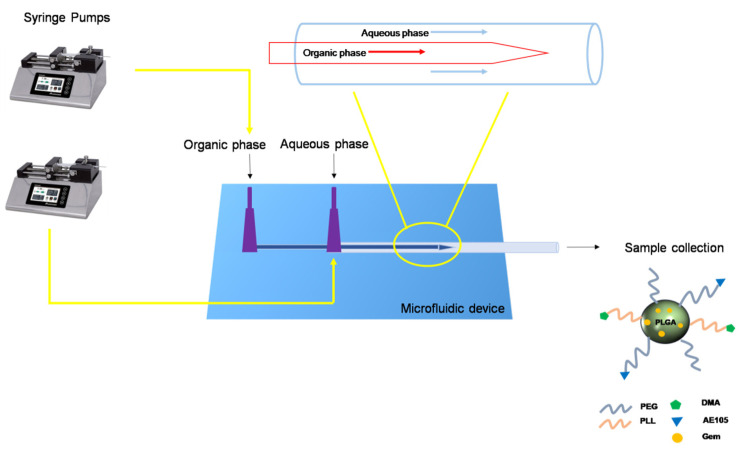
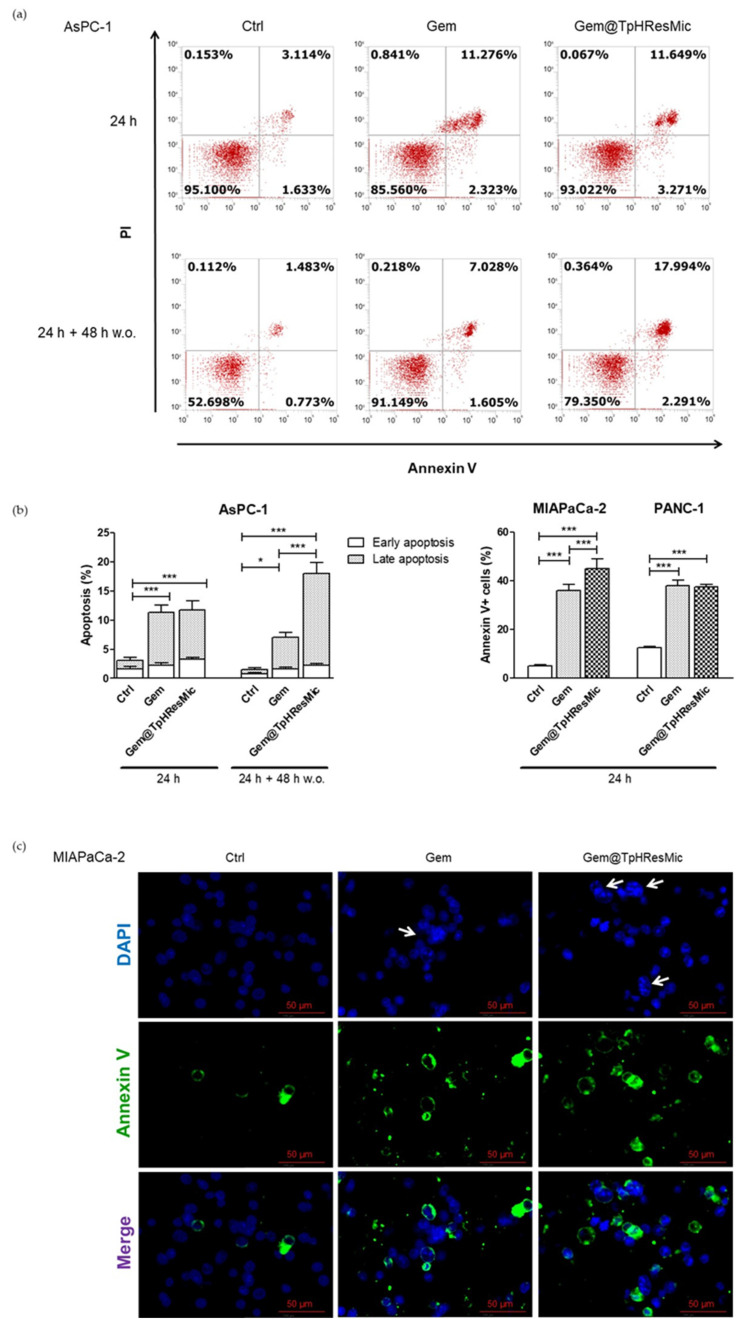
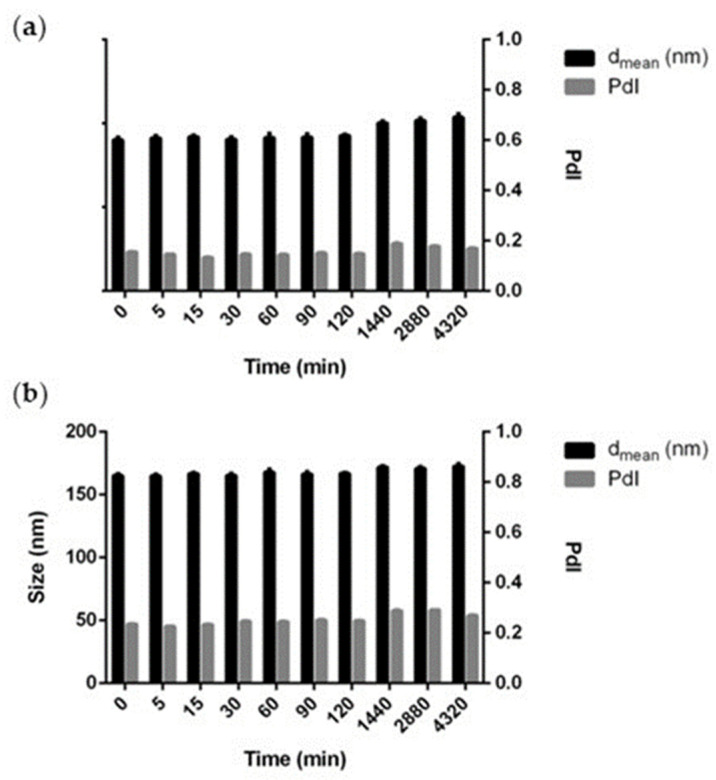
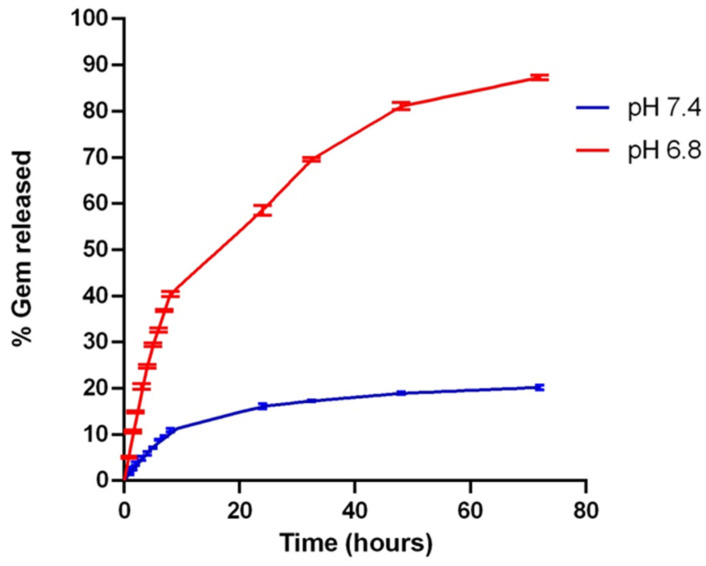
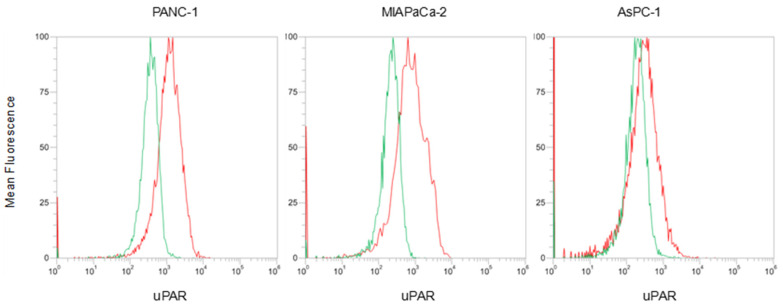
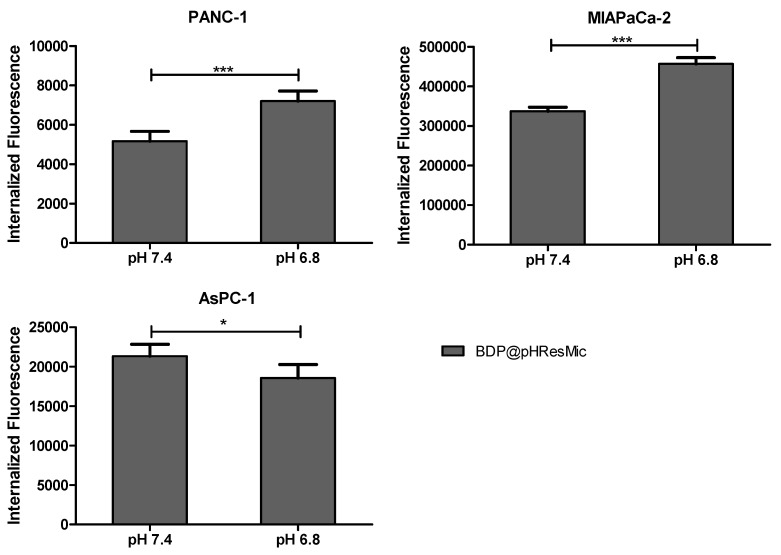
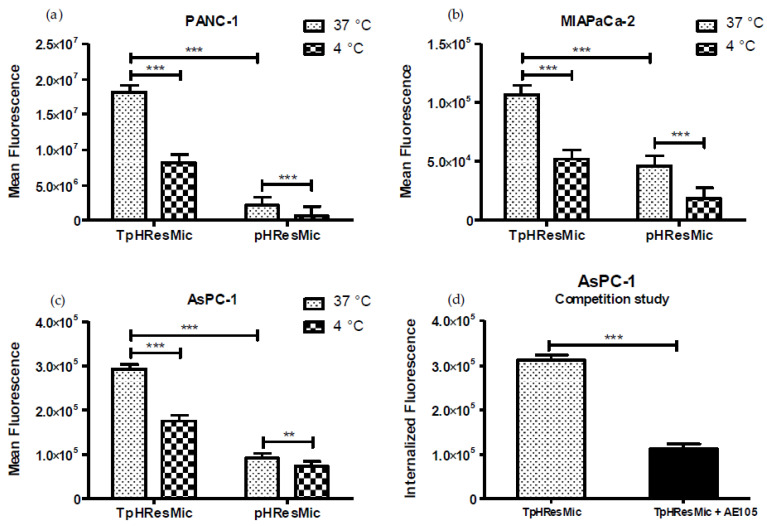
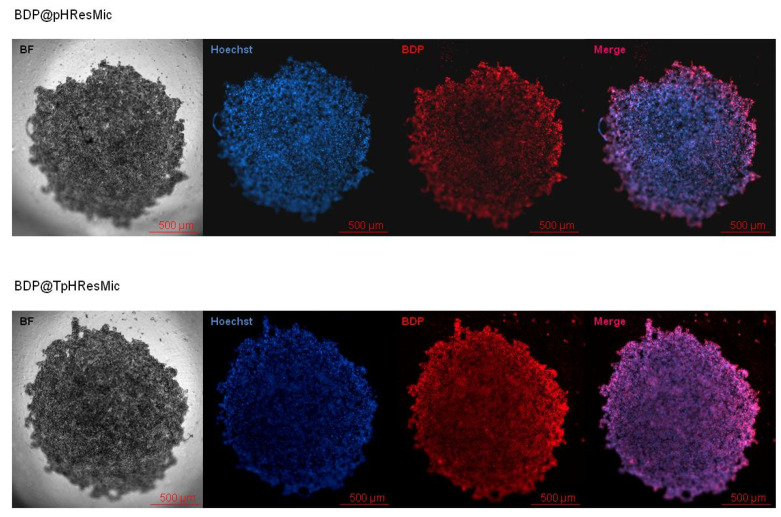
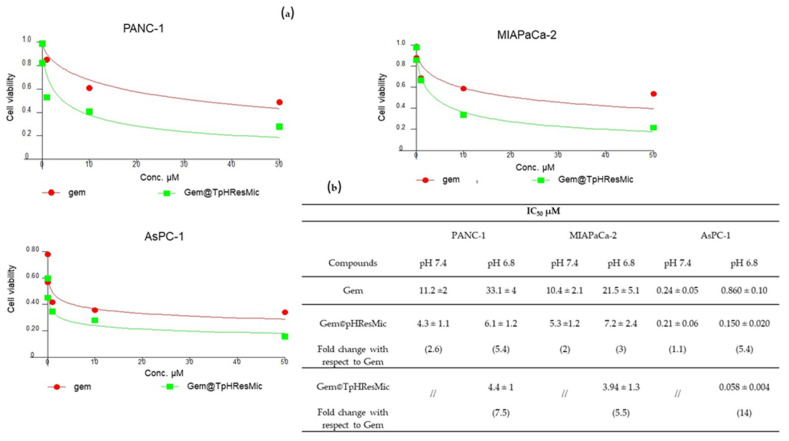
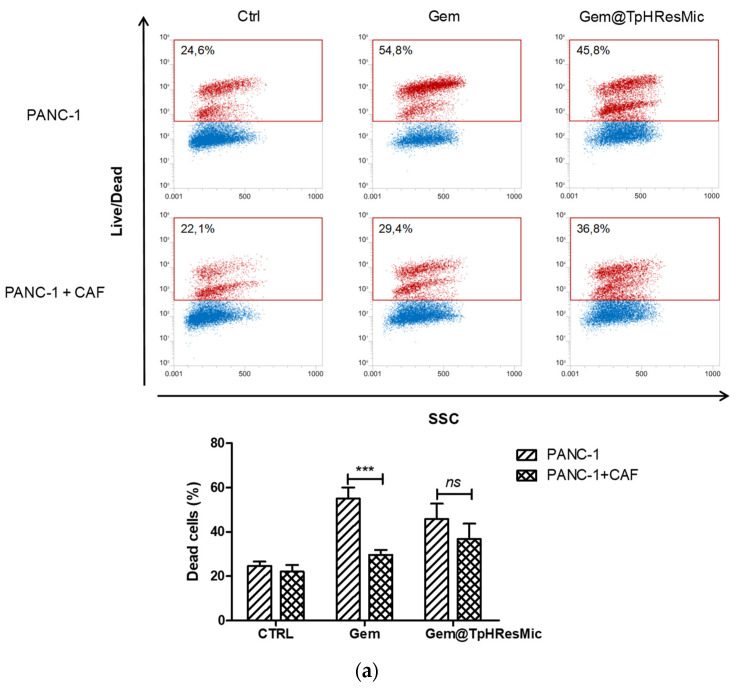
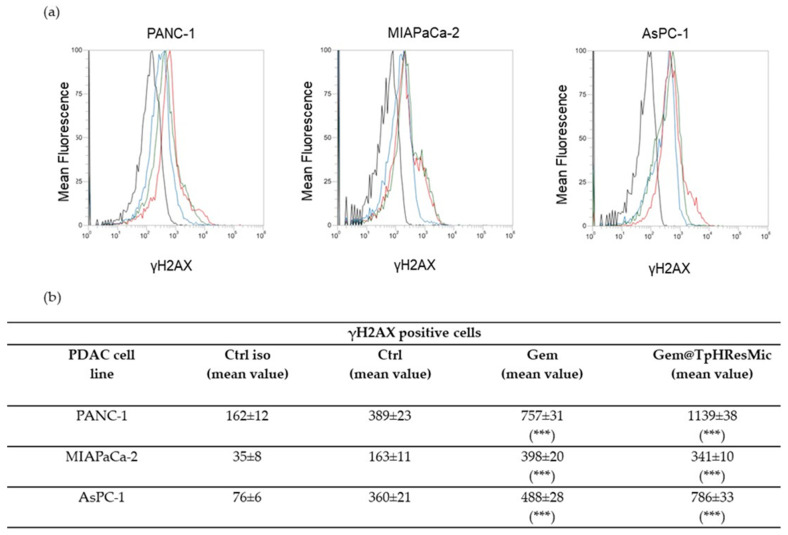
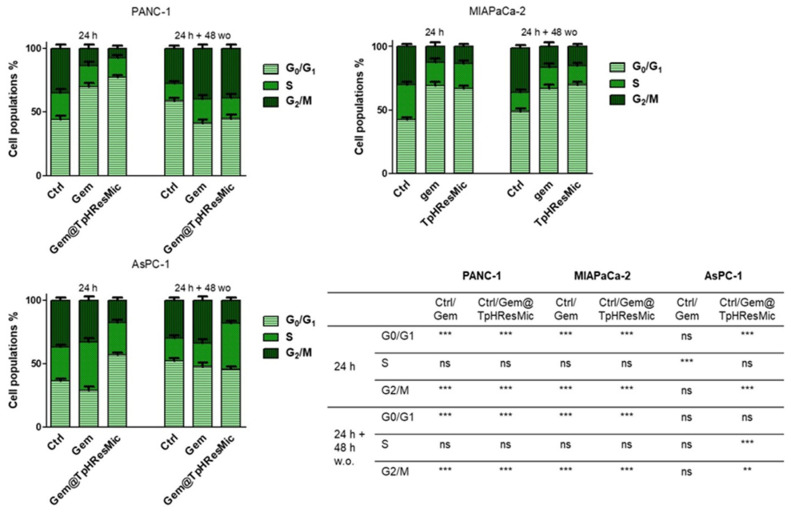
Pancreatic ductal adenocarcinoma (PDAC) represents a great challenge to the successful delivery of the anticancer drugs. The intrinsic characteristics of the PDAC microenvironment and drugs resistance make it suitable for therapeutic approaches with stimulus-responsive drug delivery systems (DDSs), such as pH, within the tumor microenvironment (TME). Moreover, the high expression of uPAR in PDAC can be exploited for a drug receptor-mediated active targeting strategy. Here, a pH-responsive and uPAR-targeted Gemcitabine (Gem) DDS, consisting of polymeric micelles (Gem@TpHResMic), was formulated by microfluidic technique to obtain a preparation characterized by a narrow size distribution, good colloidal stability, and high drug-encapsulation efficiency (EE%). The Gem@TpHResMic was able to perform a controlled Gem release in an acidic environment and to selectively target uPAR-expressing tumor cells. The Gem@TpHResMic displayed relevant cellular internalization and greater antitumor properties than free Gem in 2D and 3D models of pancreatic cancer, by generating massive damage to DNA, in terms of H2AX phosphorylation and apoptosis induction. Further investigation into the physiological model of PDAC, obtained by a co-culture of tumor spheroids and cancer-associated fibroblast (CAF), highlighted that the micellar system enhanced the antitumor potential of Gem, and was demonstrated to overcome the TME-dependent drug resistance. In vivo investigation is warranted to consider this new DDS as a new approach to overcome drug resistance in PDAC.
胰腺导管腺癌(PDAC)对成功递送抗癌药物构成了巨大挑战。PDAC微环境的内在特征和耐药性使其适合采用刺激响应性药物递送系统(DDS)进行治疗,例如肿瘤微环境(TME)内的pH值。此外,PDAC中uPAR的高表达可用于药物受体介导的主动靶向策略。在此,通过微流控技术制备了一种由聚合物胶束组成的pH响应性和uPAR靶向吉西他滨(Gem)DDS(Gem@TpHResMic),以获得具有窄尺寸分布、良好胶体稳定性和高药物包封率(EE%)的制剂。Gem@TpHResMic能够在酸性环境中实现Gem的可控释放,并选择性地靶向表达uPAR的肿瘤细胞。在胰腺癌的二维和三维模型中,Gem@TpHResMic表现出相关的细胞内化作用,并且比游离Gem具有更强的抗肿瘤特性,通过在H2AX磷酸化和诱导凋亡方面对DNA造成大量损伤。通过肿瘤球体与癌症相关成纤维细胞(CAF)共培养获得的PDAC生理模型的进一步研究强调,胶束系统增强了Gem的抗肿瘤潜力,并被证明克服了TME依赖性耐药性。有必要进行体内研究,将这种新的DDS视为克服PDAC耐药性的一种新方法。