Słupska Monika, Syguła Ewa, Komarnicki Piotr, Szulczewski Wiesław, Stopa Roman
Institute of Agricultural Engineering, Wrocław University of Environmental and Life Sciences, 37 Chełmońskiego Str., 51-630 Wroclaw, Poland.
Department of Applied Bioeconomy, Wrocław University of Environmental and Life Sciences, 37a Chełmońskiego Str., 51-630 Wroclaw, Poland.
Materials (Basel). 2021 Dec 25;15(1):139. doi: 10.3390/ma15010139.
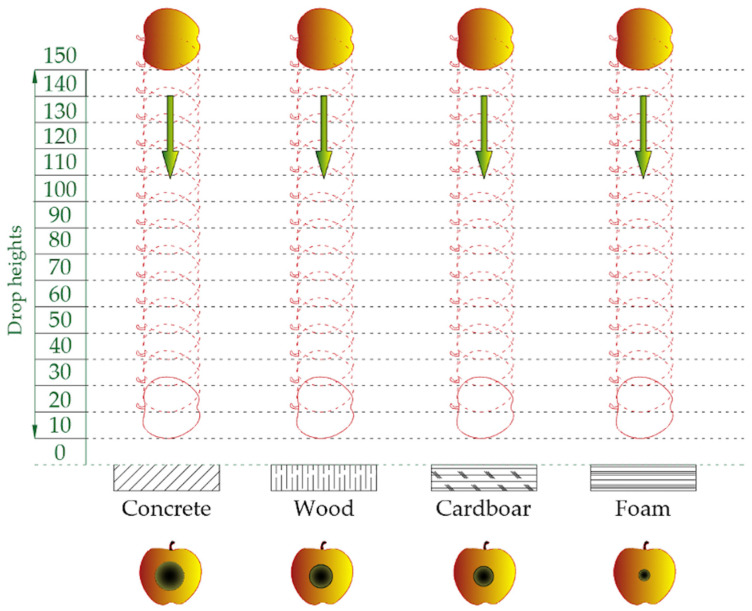
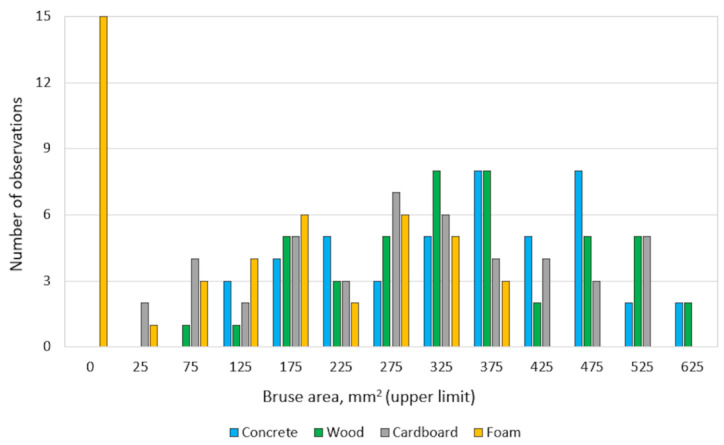
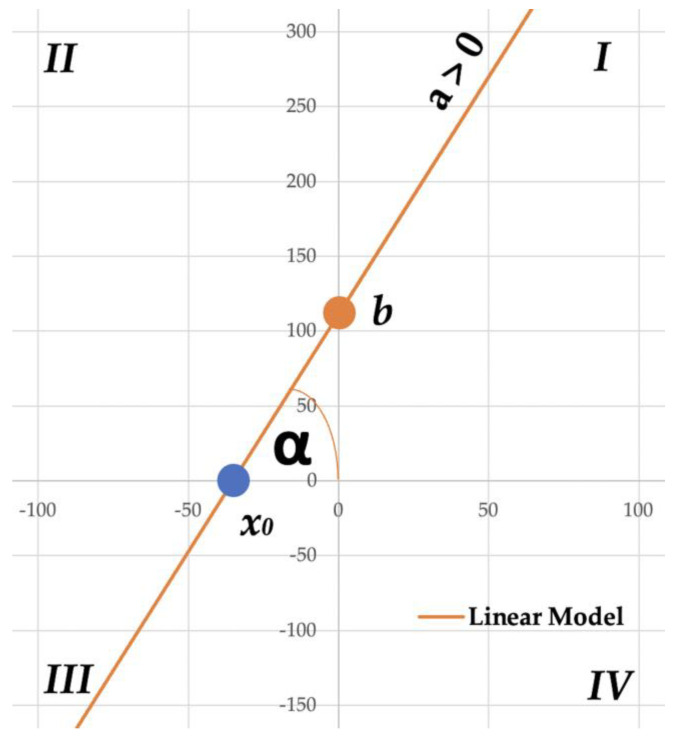
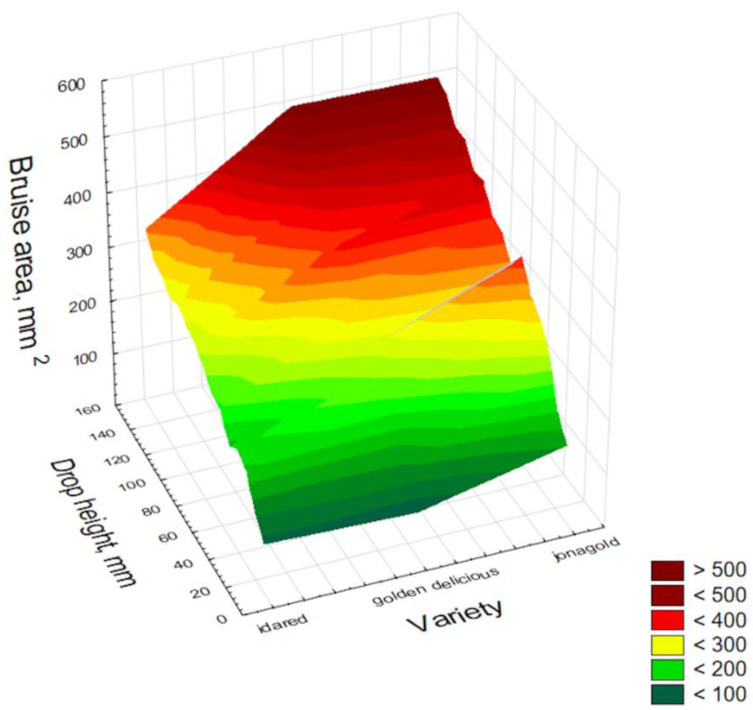
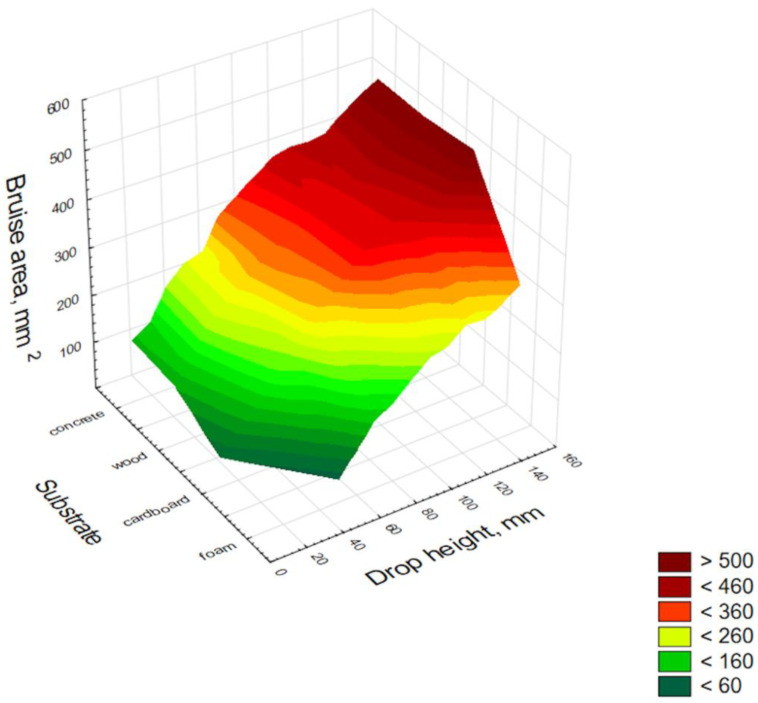
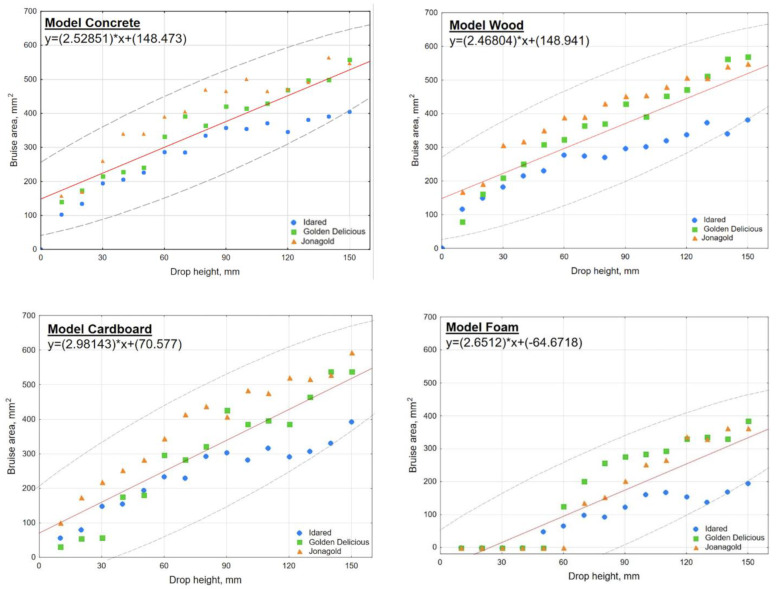
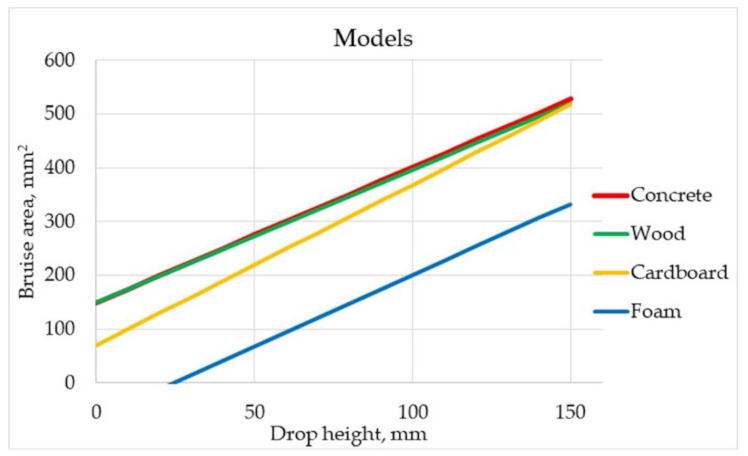
From the producers' point of view, there is no universal and quick method to predict bruise area when dropping an apple from a certain height onto a certain type of substrate. In this study the authors presented a very simple method to estimate bruise volume based on drop height and substrate material. Three varieties of apples were selected for the study: Idared, Golden Delicious, and Jonagold. Their weight, turgor, moisture, and sugar content were measured to determine morphological differences. In the next step, fruit bruise volumes were determined after a free fall test from a height of 10 to 150 mm in 10 mm increments. Based on the results of the research, linear regression models were performed to predict bruise volume on the basis of the drop height and type of substrate on which the fruit was dropped. Wood and concrete represented the stiffest substrates and it was expected that wood would respond more subtly during the free fall test. Meanwhile, wood appeared to react almost identically to concrete. Corrugated cardboard minimized bruising at the lowest discharge heights, but as the drop height increased, the cardboard degraded and the apple bruising level reached the results as for wood and concrete. Contrary to cardboard, the foam protected apples from bruising up to a drop height of 50 mm and absorbed kinetic energy up to the highest drop heights. Idared proved to be the most resistant to damage, while Golden Delicious was medium and Jonagold was least resistant to damage. Numerical models are a practical tool to quickly estimate bruise volume with an accuracy of about 75% for collective models (including all cultivars dropped on each of the given substrate) and 93% for separate models (including single cultivar dropped on each of the given substrate).
从生产者的角度来看,当把苹果从一定高度掉落到某种类型的基质上时,没有通用且快速的方法来预测瘀伤面积。在本研究中,作者提出了一种基于掉落高度和基质材料来估算瘀伤体积的非常简单的方法。选择了三个苹果品种进行研究:艾达红、金冠和乔纳金。测量了它们的重量、膨压、水分和糖分含量,以确定形态差异。下一步,在从10至150毫米的高度以10毫米的增量进行自由落体试验后,确定果实的瘀伤体积。根据研究结果,建立了线性回归模型,以基于果实掉落的高度和基质类型来预测瘀伤体积。木材和混凝土代表最坚硬的基质,预计木材在自由落体试验中反应会更细微。与此同时,木材的反应似乎与混凝土几乎相同。瓦楞纸板在最低掉落高度时可使瘀伤最小化,但随着掉落高度增加,纸板会降解,苹果的瘀伤程度达到与木材和混凝土相同的结果。与纸板相反,泡沫在掉落高度达到50毫米时能保护苹果不被瘀伤,并在最高掉落高度时吸收动能。事实证明,艾达红最耐损伤,金冠次之,乔纳金最不耐损伤。数值模型是一种实用工具,对于集体模型(包括掉落在每种给定基质上的所有品种),可快速估算瘀伤体积,准确率约为75%;对于单独模型(包括掉落在每种给定基质上的单个品种),准确率为93%。