Majder-Łopatka Małgorzata, Węsierski Tomasz, Ankowski Artur, Ratajczak Kamil, Duralski Dominik, Piechota-Polanczyk Aleksandra, Polanczyk Andrzej
Institute of Safety Engineering, The Main School of Fire Service, 52/54 Slowackiego Street, 01-629 Warsaw, Poland.
Faculty of Safety Engineering and Civil Protection, The Main School of Fire Service, 52/54 Slowackiego Street, 01-629 Warsaw, Poland.
Materials (Basel). 2021 Dec 29;15(1):248. doi: 10.3390/ma15010248.
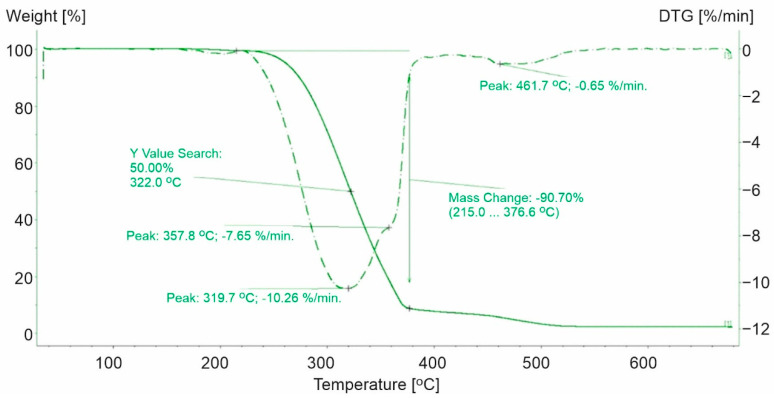
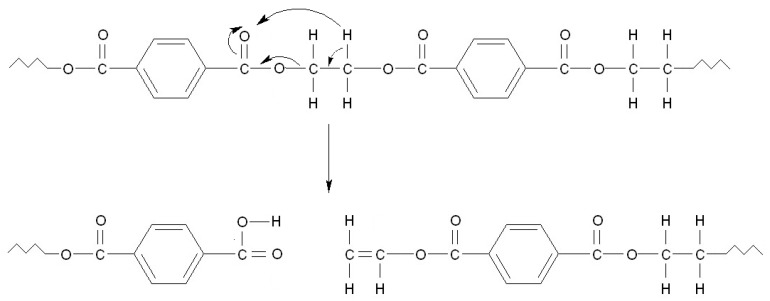
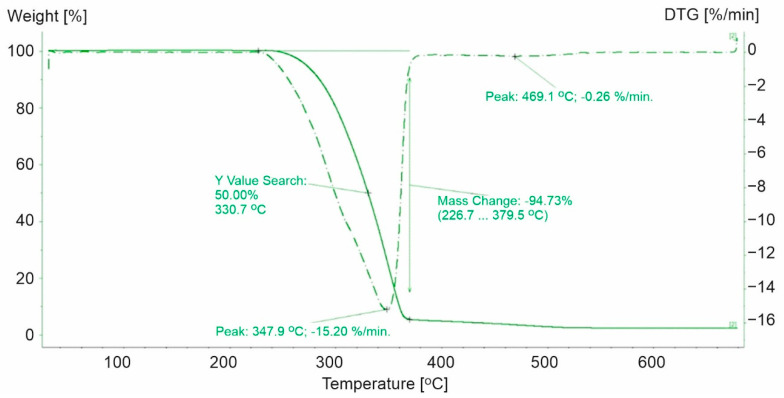
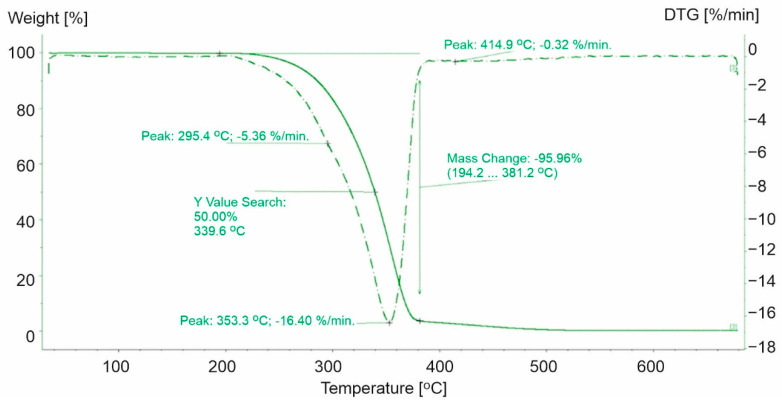
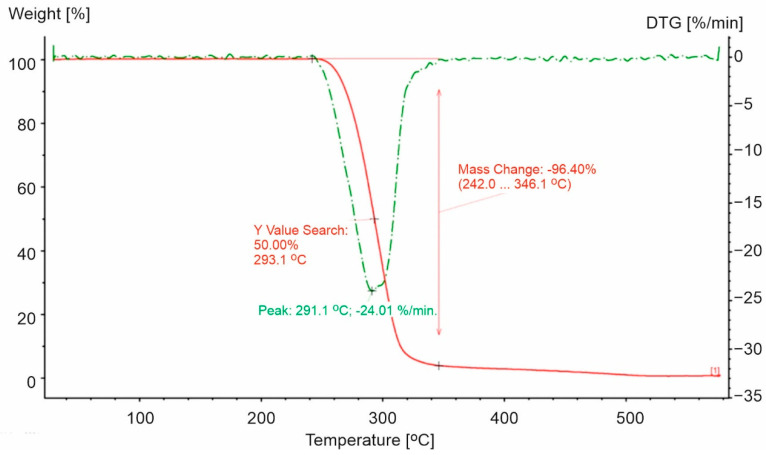
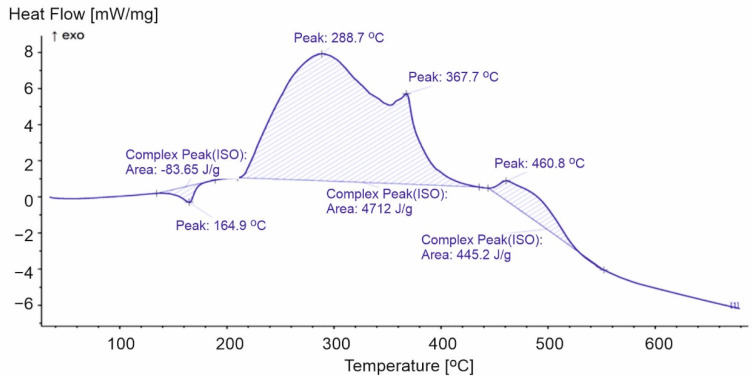
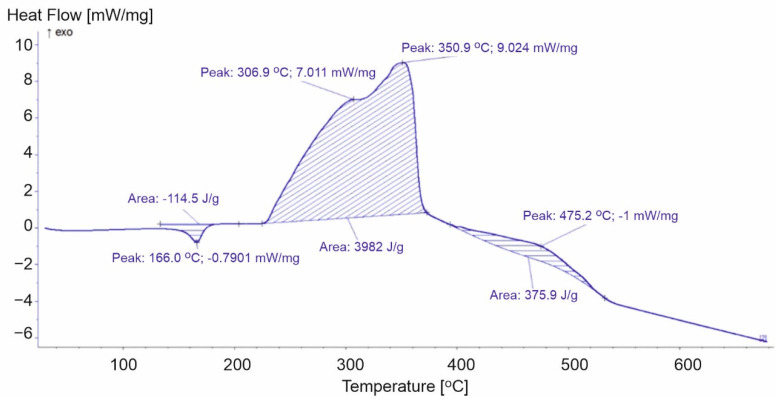
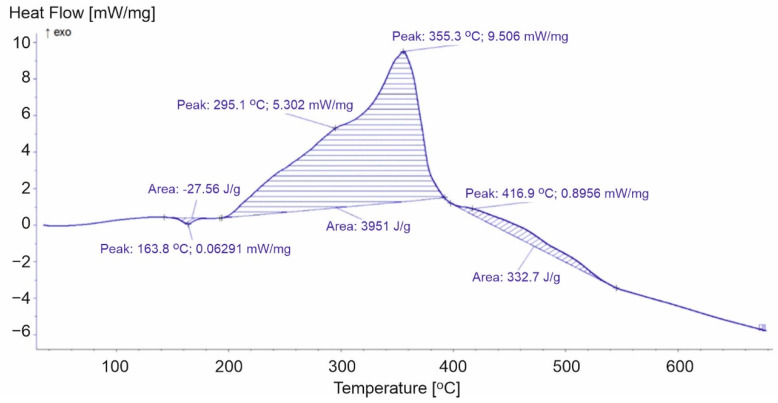
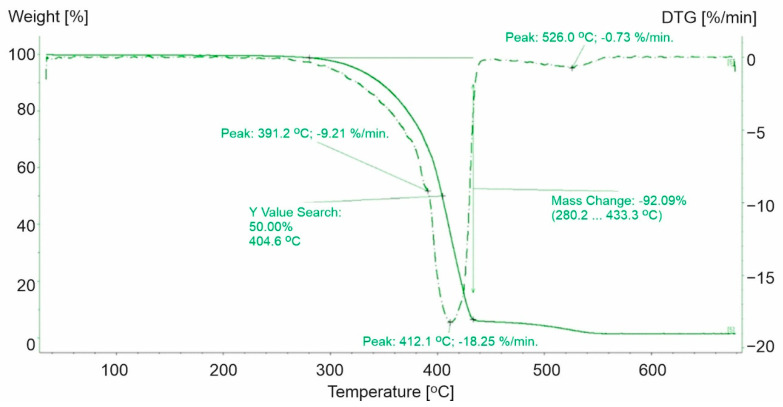
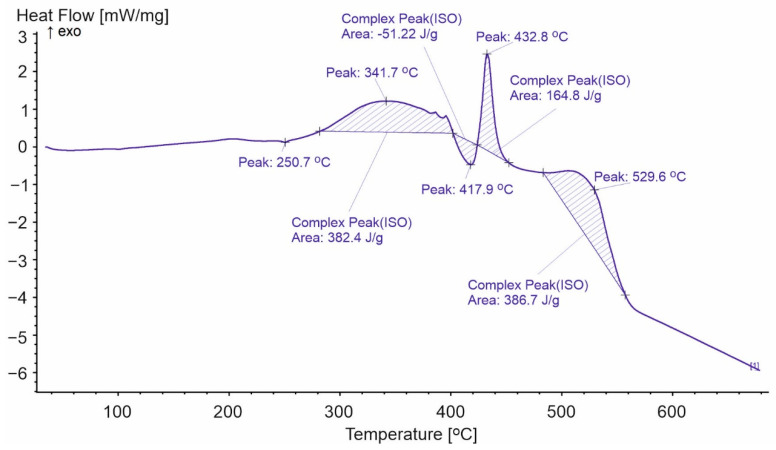
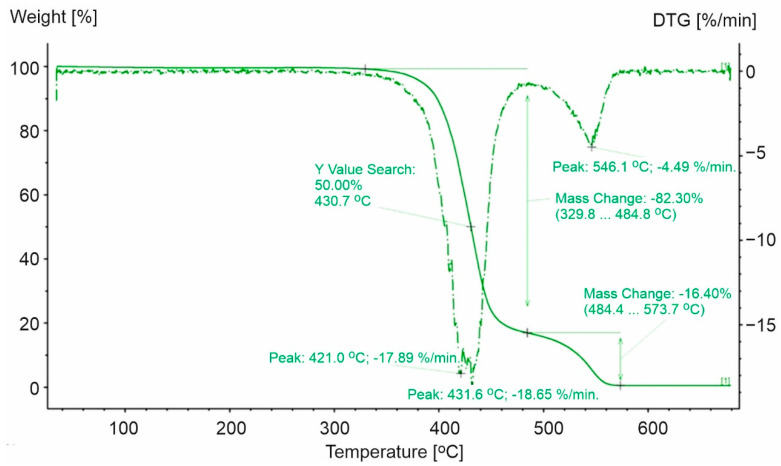
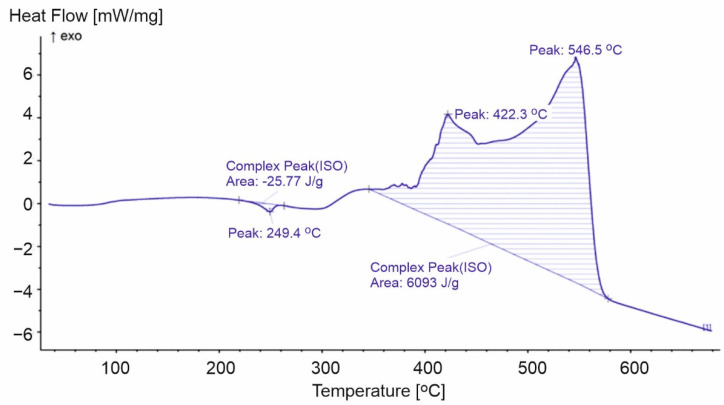
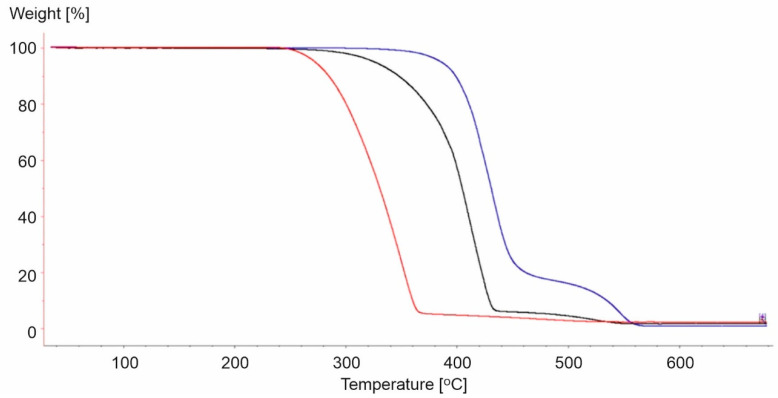
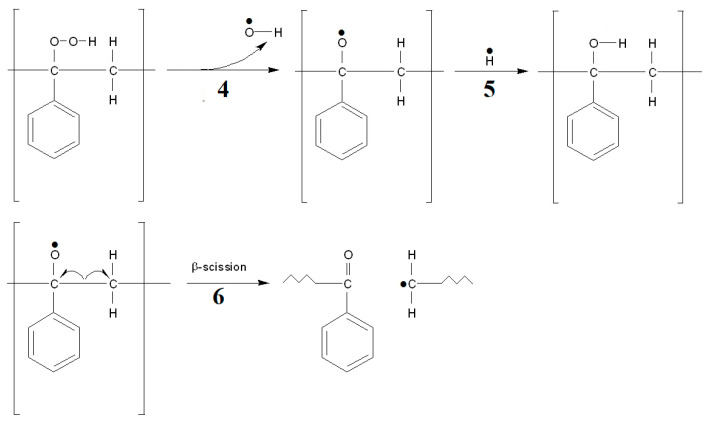
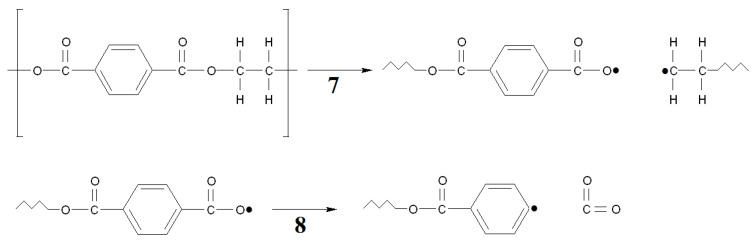
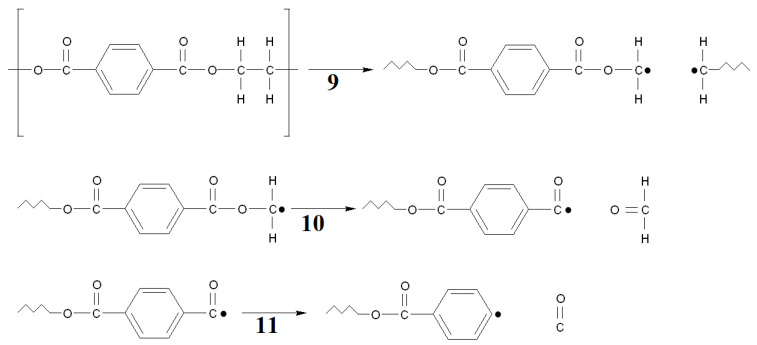
Fires in landfills, where used plastic packaging waste is discarded, have shown how great a fire hazard these types of materials pose. In this study, the course of thermo-oxidation of samples made of polypropylene (PP), polystyrene (PS), and polyethylene terephthalate (PET) based plastics was determined. Based on an analysis of the dissociation energy of bonds between atoms in a polymer molecule, the mechanisms responsible for the character and course of degradation were observed. It was found that the degradation rate of PP and PS could be a result of the stability of C-H bonds on the tertiary carbon atom. In the case of PS, due to facilitated intramolecular hydrogen transfer, stabilization of hydroperoxide, and formation of a stable tertiary alcohol molecule, the onset of degradation is shifted towards higher temperatures than in the case of PP. Notably, the PP fragmentation occurs to a greater extent due to the easier course of β-scission. In addition, it was found that during a fire, the least amount of heat would be generated by thermo-oxidation of PS-based plastics. This is a result of the formation of a styrene molecule during decomposition that, due to the high stability of bonds in the aromatic ring, escapes from the combustion zone without oxidation. It has been proven that the greatest thermal effect accompanies PET decomposition, during which a phenyl radical is produced, where the C-H bonds break more easily in comparison with the bonds of an intact ring.
在丢弃废旧塑料包装废弃物的垃圾填埋场发生的火灾,已表明这类材料构成的火灾危险有多大。在本研究中,测定了由聚丙烯(PP)、聚苯乙烯(PS)和聚对苯二甲酸乙二酯(PET)基塑料制成的样品的热氧化过程。基于对聚合物分子中原子间键解离能的分析,观察到了导致降解特征和过程的机制。发现PP和PS的降解速率可能是叔碳原子上C-H键稳定性的结果。对于PS,由于分子内氢转移更容易、氢过氧化物稳定以及形成稳定的叔醇分子,其降解起始温度比PP的情况更高。值得注意的是,由于β-断裂过程更容易,PP的碎片化程度更大。此外,发现火灾期间,基于PS的塑料热氧化产生的热量最少。这是分解过程中形成苯乙烯分子的结果,由于芳环中键的高稳定性,苯乙烯分子在不被氧化的情况下从燃烧区逸出。已证明PET分解伴随着最大的热效应,在此过程中会产生苯基自由基,与完整环的键相比,其中的C-H键更容易断裂。