Dobrotă Dan, Racz Sever-Gabriel, Oleksik Mihaela, Rotaru Ionela, Tomescu Mădălin, Simion Carmen Mihaela
Faculty of Engineering, University Lucian Blaga of Sibiu, Str. Emil Cioran Nr. 4, 550025 Sibiu, Romania.
Sensors (Basel). 2021 Dec 22;22(1):28. doi: 10.3390/s22010028.
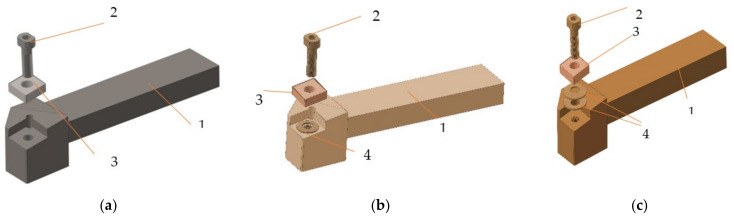
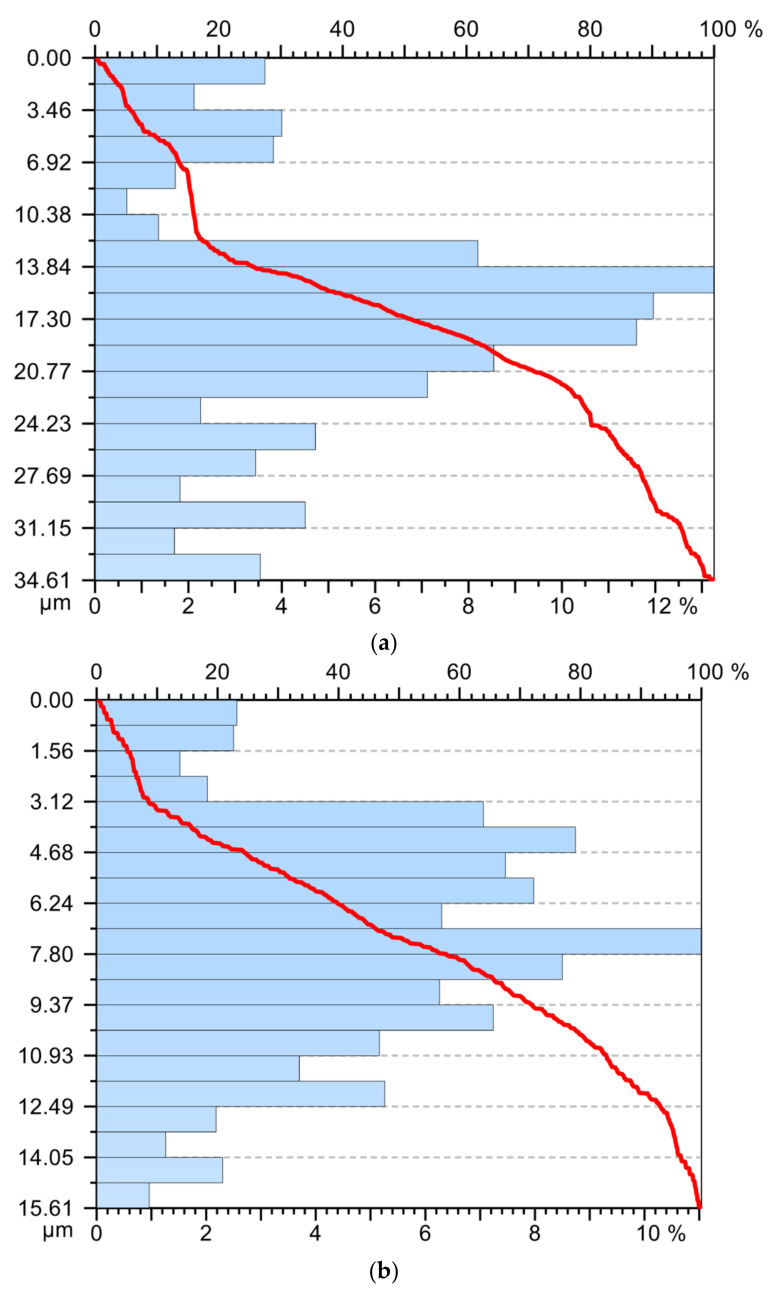
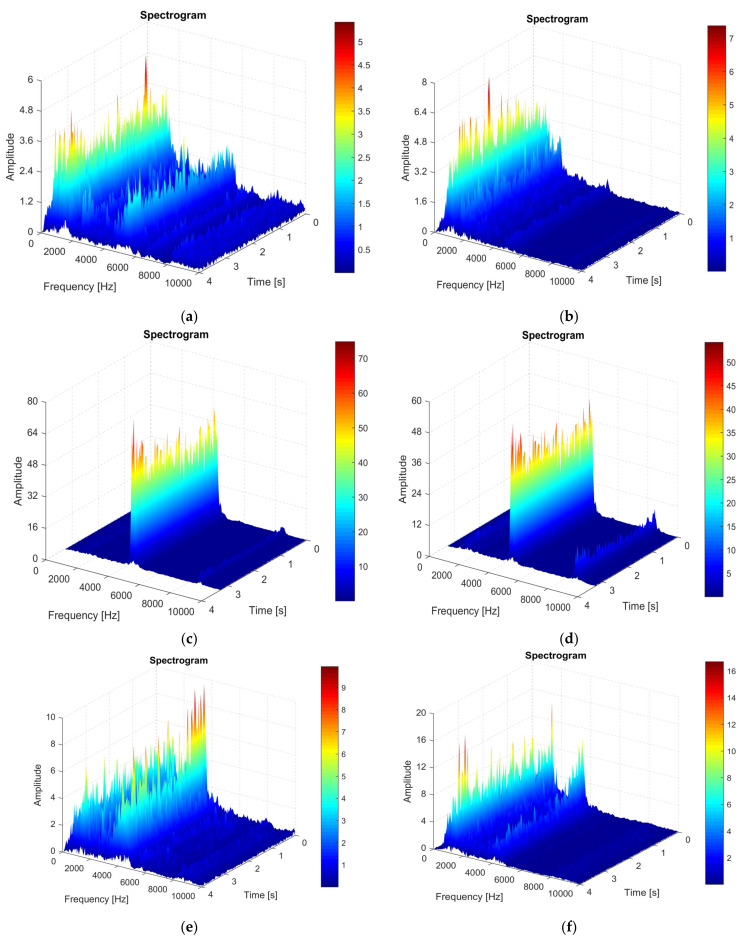
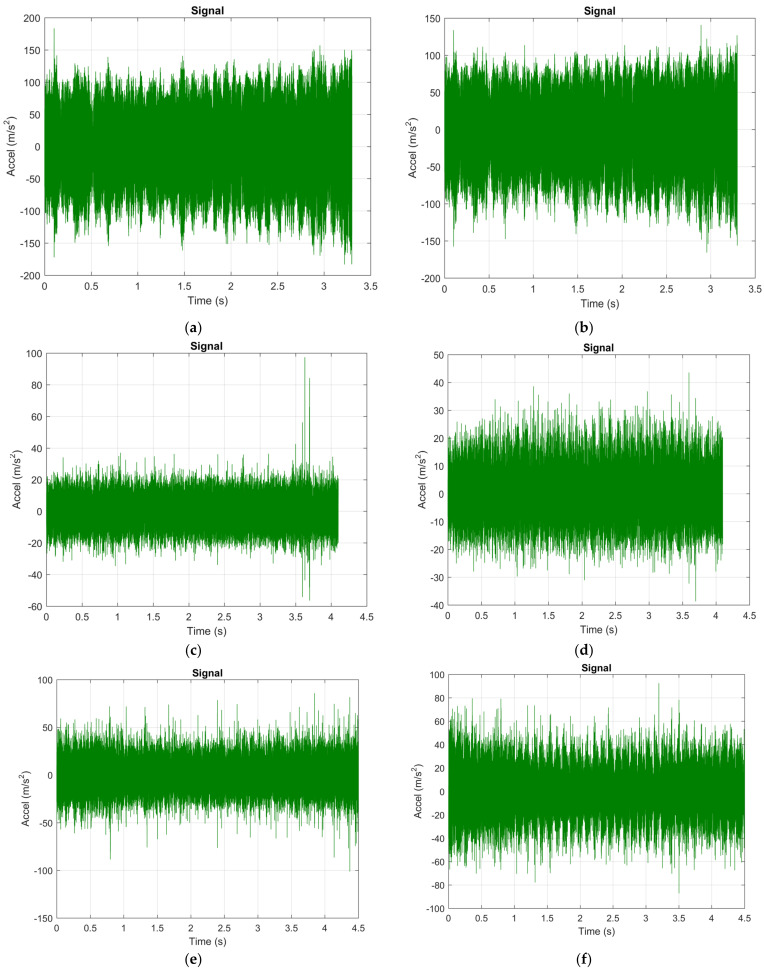
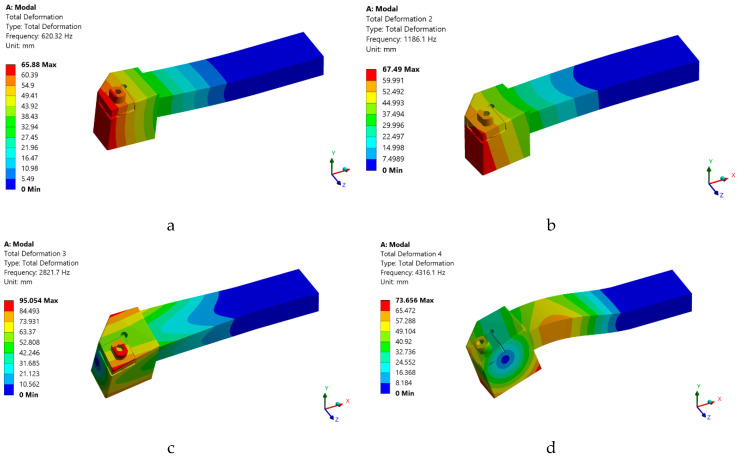
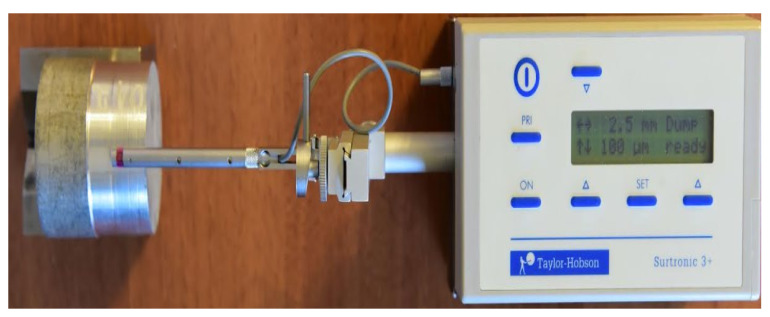
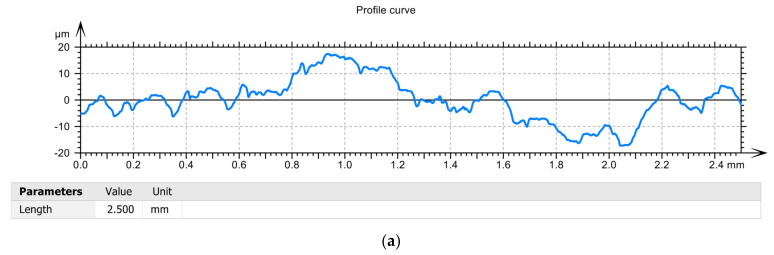
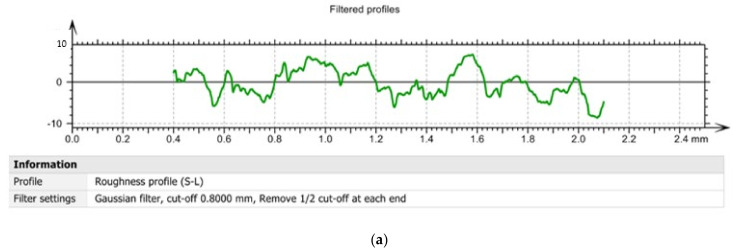
The processing of aluminum alloys in optimal conditions is a problem that has not yet been fully resolved. The research carried out so far has proposed various intelligent tools, but which cannot be used in the presence of cooling-lubricating fluids. The objective of the research carried out in the paper was to design intelligent tools that would allow a control of the vibrations of the tool tip and to determine a better roughness of the processed surfaces. The designed intelligent tools can be used successfully in the processing of aluminum alloys, not being sensitive to coolants-lubricants. In the research, the processing by longitudinal turning of a semi-finished product with a diameter Ø = 55 mm of aluminum alloy A2024-T3510 was considered. Two constructive variants of smart tools were designed, realized, and used, and the obtained results were compared with those registered for the tools in the classic constructive variant. The analysis of vibrations that occur during the cutting process was performed using the following methods: Fast Fourier Transform (FFT); Short-Time Fourier-Transformation (STFT); the analysis of signal of vibrations. A vibration analysis was also performed by modeling using the Finite Element Method (FEM). In the last part of the research, an analysis of the roughness of the processed surfaces, was carried out and a series of diagrams were drawn regarding curved profiles; filtered profiles; Abbott-Firestone curve. Research has shown that the use of smart tools in the proposed construction variants is a solution that can be used in very good conditions for processing aluminum alloys, in the presence of cooling-lubrication fluids.
在最佳条件下加工铝合金是一个尚未完全解决的问题。迄今为止所进行的研究提出了各种智能工具,但在有冷却润滑液的情况下无法使用。本文所开展研究的目的是设计智能工具,以控制刀尖振动并确定加工表面更好的粗糙度。所设计的智能工具能够成功用于铝合金加工,对冷却润滑剂不敏感。在研究中,考虑了对直径Ø = 55 mm的铝合金A2024 - T3510半成品进行纵向车削加工。设计、实现并使用了两种智能工具的结构变体,并将所得结果与经典结构变体工具的记录结果进行了比较。使用以下方法对切削过程中出现的振动进行了分析:快速傅里叶变换(FFT);短时傅里叶变换(STFT);振动信号分析。还通过有限元方法(FEM)建模进行了振动分析。在研究的最后部分,对加工表面的粗糙度进行了分析,并绘制了一系列关于曲线轮廓、滤波轮廓、阿伯特 - 费尔斯通曲线的图表。研究表明,在所提出的结构变体中使用智能工具是一种可在有冷却润滑液的情况下非常良好地用于加工铝合金的解决方案。