School of Chinese Materia Medica, Shenyang Pharmaceutical University, Shenyang 110016, China.
School of Pharmacy, Bozhou Vocational and Technical College, Bozhou 236000, China.
Molecules. 2021 Dec 21;27(1):25. doi: 10.3390/molecules27010025.
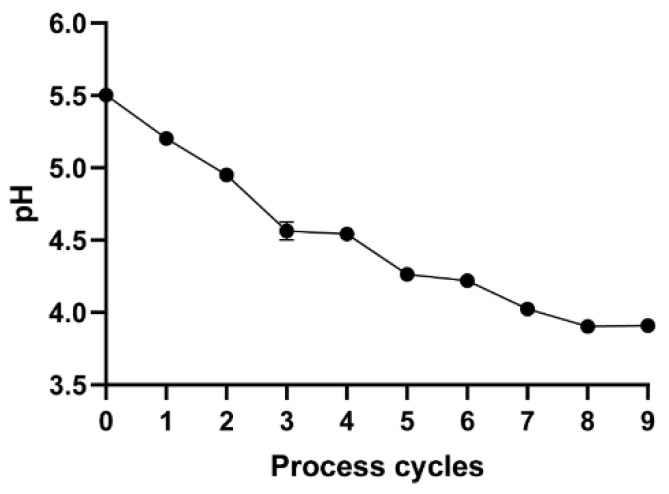
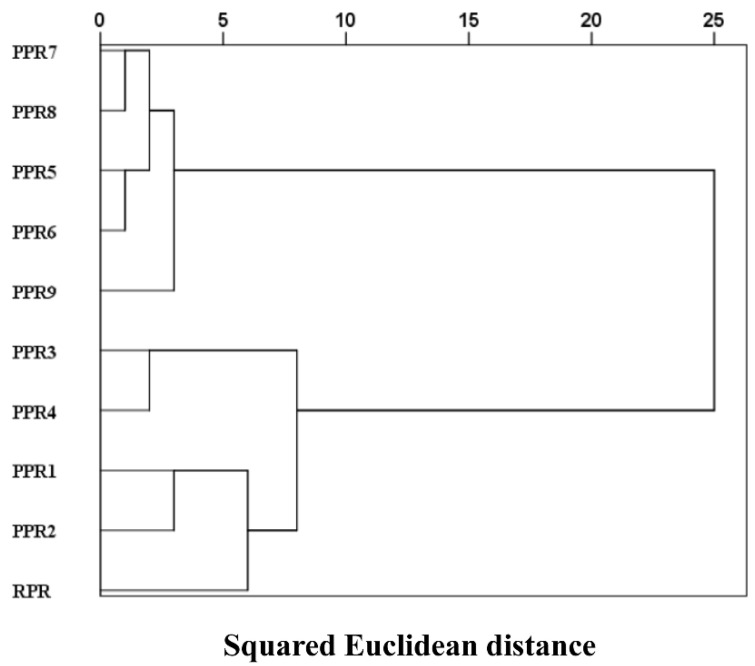
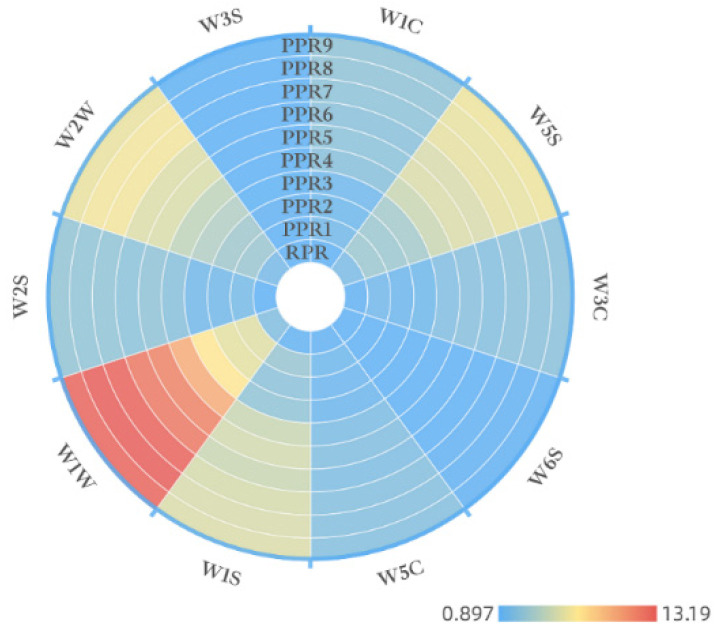
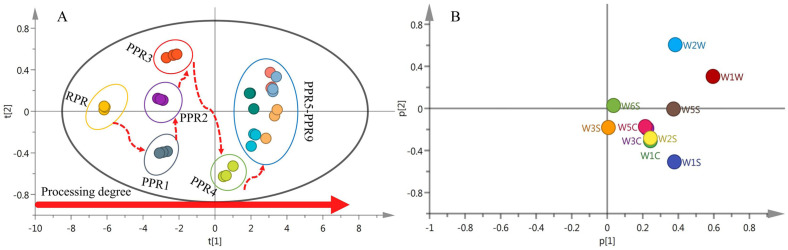
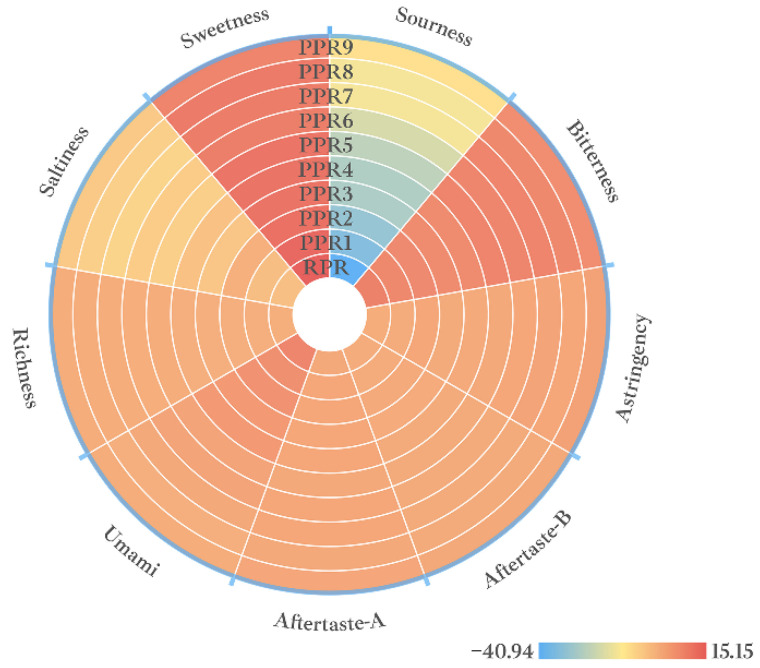
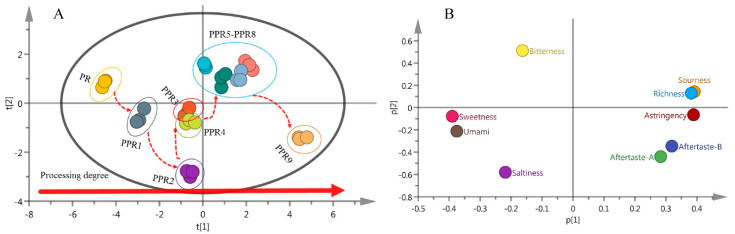
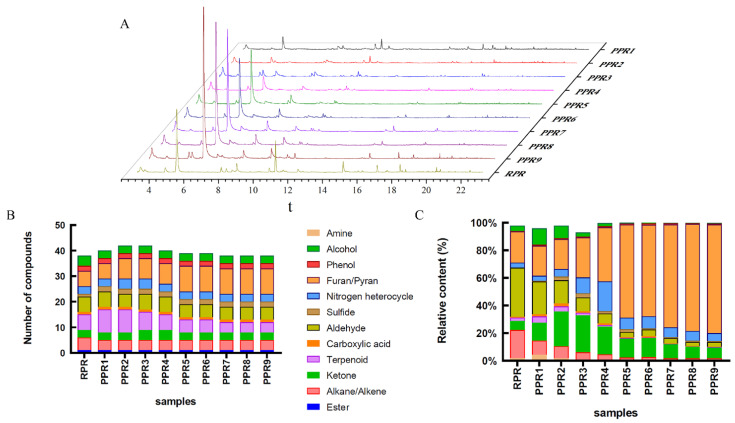
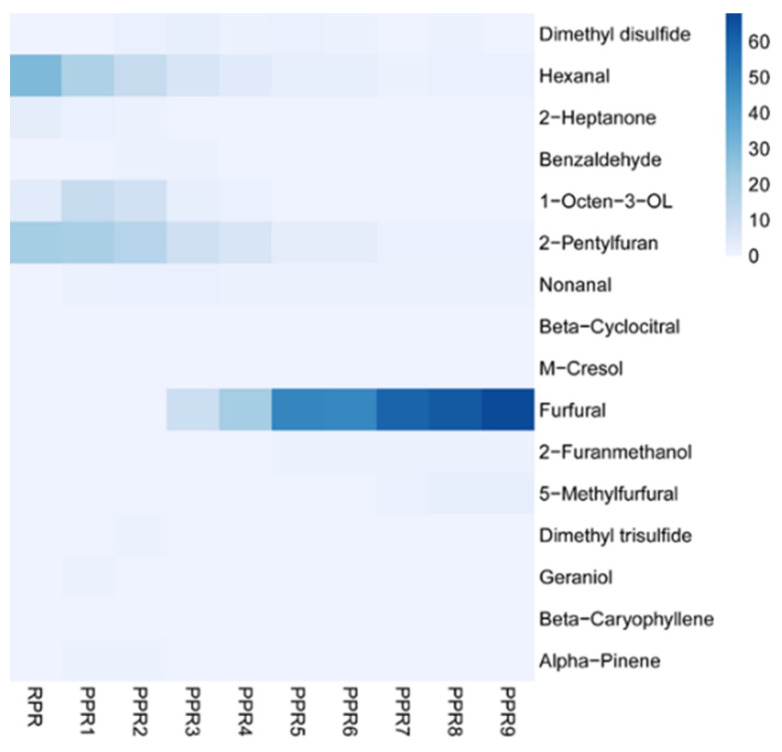
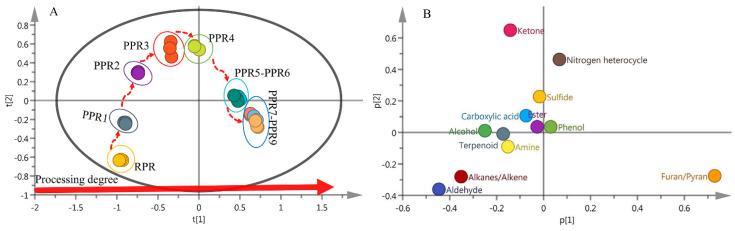
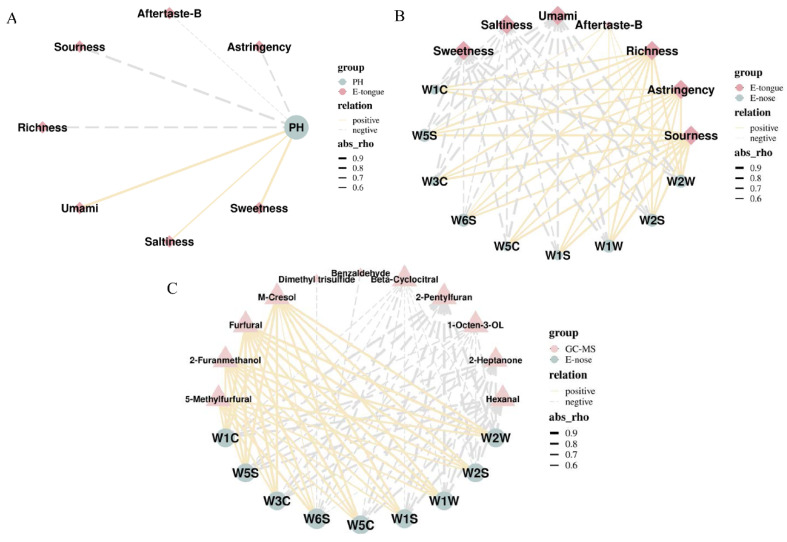
The importance of monitoring key aroma compounds as food characteristics to solve sample classification and authentication is increasing. The rhizome of (PR, Huangjing in Chinese) has great potential to serve as an ingredient of functional foods owing to its tonic effect and flavor properties. In this study, we aimed to characterize and classify PR samples obtained from different processing levels through their volatile profiles and flavor properties by using electronic nose, electronic tongue, and headspace gas chromatography-mass spectrometry. Nine flavor indicators (four odor indicators and five taste indicators) had a strong influence on the classification ability, and a total of 54 volatile compounds were identified in all samples. The traditional Chinese processing method significantly decreased the contents of aldehydes and alkanes, while more ketones, nitrogen heterocycles, alcohols, terpenoids, sulfides, and furans/pyrans were generated in the processing cycle. The results confirmed the potential applicability of volatile profiles and flavor properties for classification of PR samples, and this study provided new insights for determining the processing level in food and pharmaceutical industries based on samples with specific flavor characteristics.
监测关键香气化合物作为食品特征的重要性,以解决样品分类和鉴定问题,日益受到重视。(PR,中文名为黄精)的根茎因其滋补作用和风味特性,极有潜力作为功能性食品的成分。本研究旨在通过电子鼻、电子舌和顶空气相色谱-质谱联用技术,对不同加工水平的 PR 样品的挥发性成分和风味特性进行特征分析和分类。9 种风味指标(4 种气味指标和 5 种味觉指标)对分类能力有很强的影响,在所有样品中共鉴定出 54 种挥发性化合物。传统的中国加工方法显著降低了醛类和烷烃的含量,而在加工过程中产生了更多的酮类、氮杂环化合物、醇类、萜类、硫化物和呋喃/吡喃。研究结果证实了挥发性成分和风味特性在 PR 样品分类中的潜在适用性,为基于具有特定风味特征的样品,在食品和制药行业中确定加工水平提供了新的见解。