Microbial Chemistry, Department of Chemistry - Ångström, Uppsala University, Box 523, SE 751 20, Uppsala, Sweden.
Microb Cell Fact. 2022 Jan 10;21(1):8. doi: 10.1186/s12934-021-01735-8.
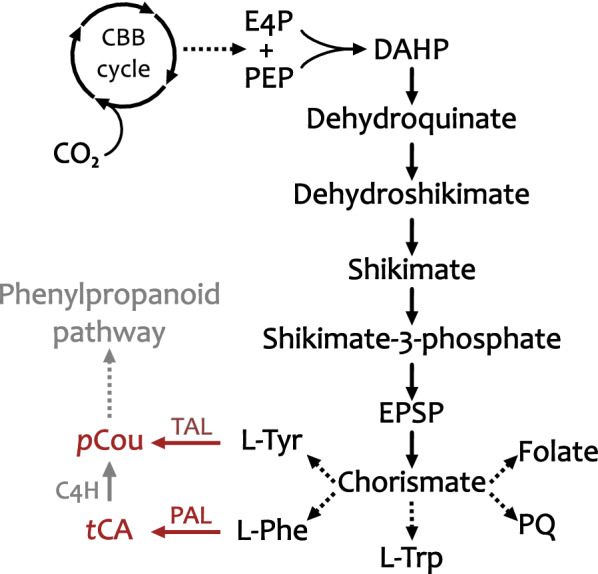
Phenylpropanoids represent a diverse class of industrially important secondary metabolites, synthesized in plants from phenylalanine and tyrosine. Cyanobacteria have a great potential for sustainable production of phenylpropanoids directly from CO, due to their photosynthetic lifestyle with a fast growth compared to plants and the ease of generating genetically engineered strains. This study focuses on photosynthetic production of the starting compounds of the phenylpropanoid pathway, trans-cinnamic acid and p-coumaric acid, in the unicellular cyanobacterium Synechocystis sp. PCC 6803 (Synechocystis).
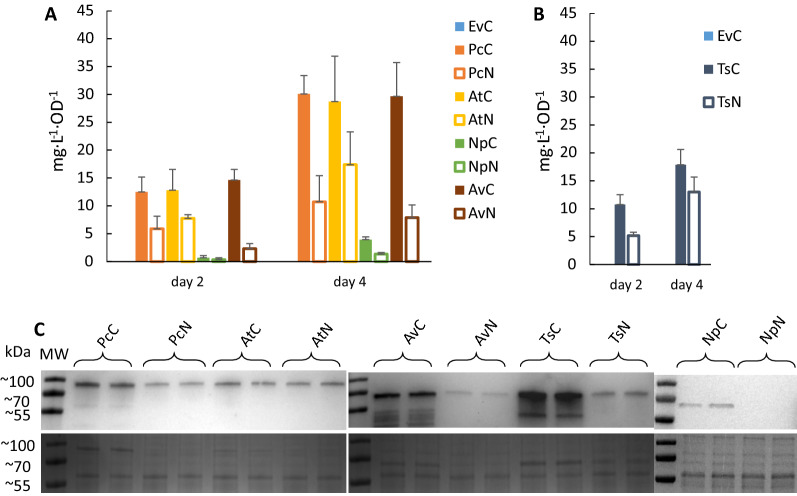
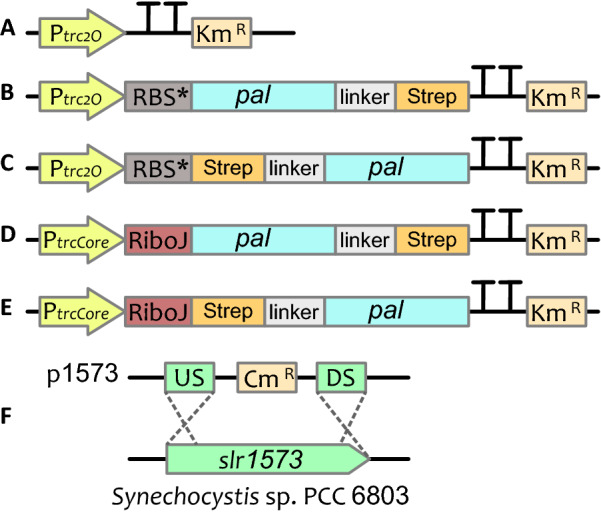
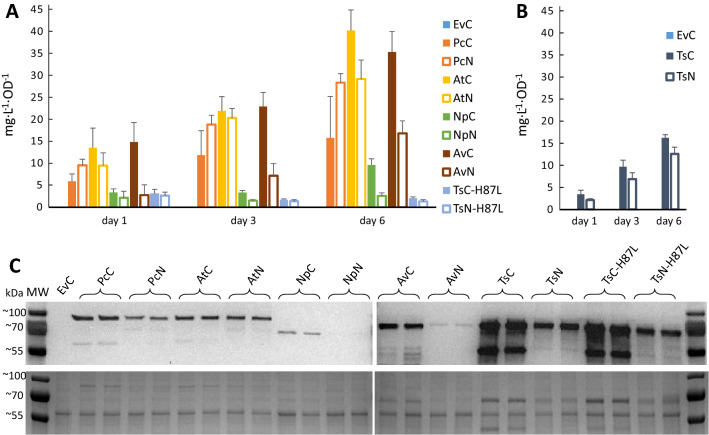
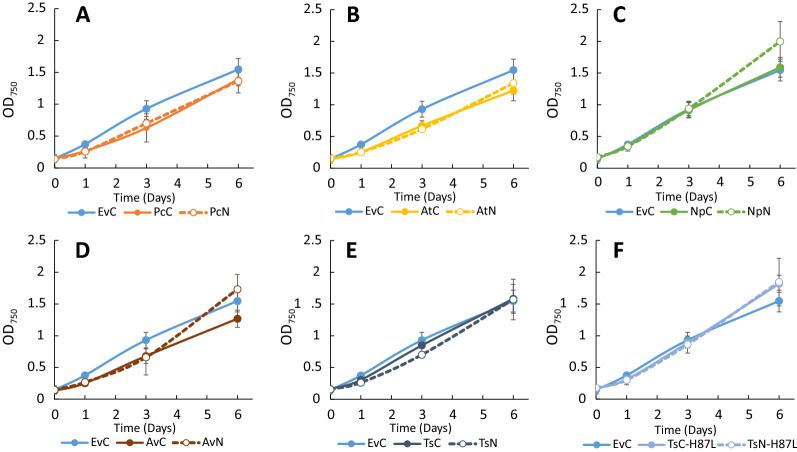
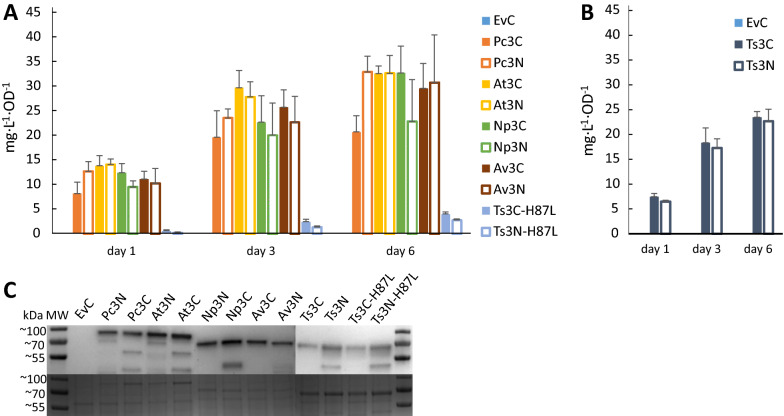
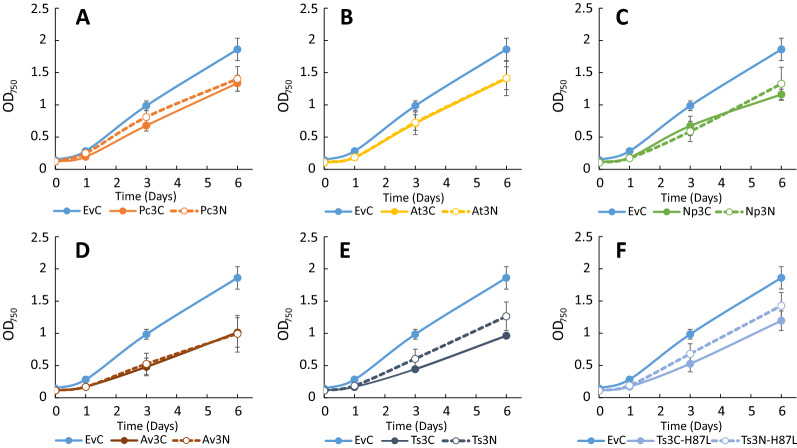
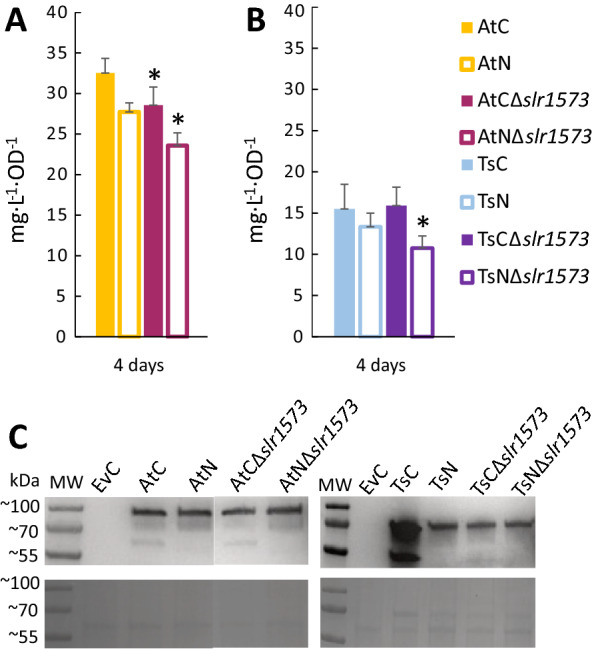
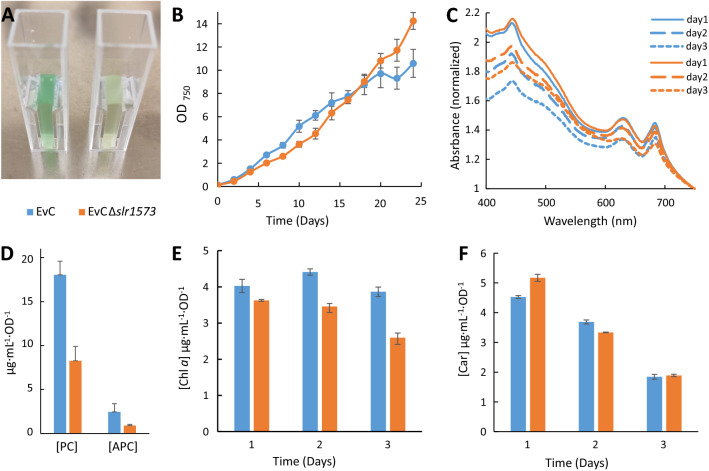
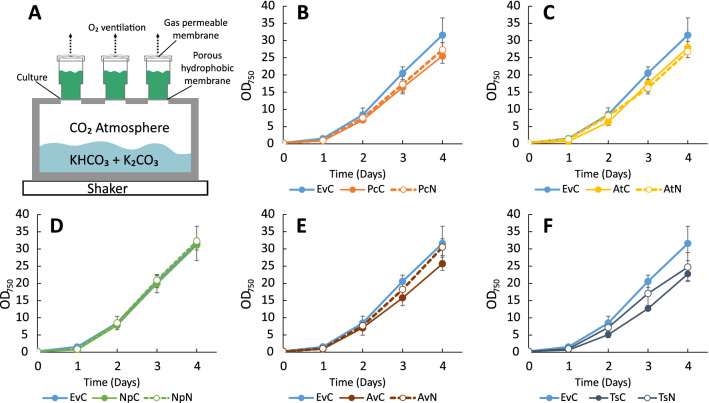
A selected set of phenylalanine ammonia lyase (PAL) enzymes from different organisms was overexpressed in Synechocystis, and the productivities of the resulting strains compared. To further improve the titer of target compounds, we evaluated the use of stronger expression cassettes for increasing PAL protein levels, as well as knock-out of the laccase gene slr1573, as this was previously reported to prevent degradation of the target compounds in the cell. Finally, to investigate the effect of growth conditions on the production of trans-cinnamic and p-coumaric acids from Synechocystis, cultivation conditions promoting rapid, high density growth were tested. Comparing the different PALs, the highest specific titer was achieved for the strain AtC, expressing PAL from Arabidopsis thaliana. A subsequent increase of protein level did not improve the productivity. Production of target compounds in strains where the slr1573 laccase had been knocked out was found to be lower compared to strains with wild type background, and the Δslr1573 strains exhibited a strong phenotype of slower growth rate and lower pigment content. Application of a high-density cultivation system for the growth of production strains allowed reaching the highest total titers of trans-cinnamic and p-coumaric acids reported so far, at around 0.8 and 0.4 g L, respectively, after 4 days.
Production of trans-cinnamic acid, unlike that of p-coumaric acid, is not limited by the protein level of heterologously expressed PAL in Synechocystis. High density cultivation led to higher titres of both products, while knocking out slr1573 did not have a positive effect on production. This work contributes to capability of exploiting the primary metabolism of cyanobacteria for sustainable production of plant phenylpropanoids.
苯丙烷类化合物是一类具有广泛工业应用价值的重要次生代谢产物,可由植物中的苯丙氨酸和酪氨酸合成。与植物相比,蓝细菌具有光合作用的生活方式,生长速度快,并且易于生成基因工程菌株,因此在可持续地直接从 CO 生产苯丙烷类化合物方面具有巨大潜力。本研究侧重于在单细胞蓝细菌集胞藻 PCC 6803(集胞藻)中进行苯丙烷途径起始化合物反式肉桂酸和对香豆酸的光合作用生产。
在集胞藻中过表达了来自不同生物体的一组选定的苯丙氨酸氨裂解酶(PAL)酶,并比较了由此产生的菌株的生产力。为了进一步提高目标化合物的产量,我们评估了使用更强的表达盒来增加 PAL 蛋白水平,以及敲除 laccase 基因 slr1573,因为先前的研究报道该基因会防止细胞内目标化合物的降解。最后,为了研究生长条件对集胞藻中反式肉桂酸和对香豆酸生产的影响,测试了促进快速、高密度生长的培养条件。比较不同的 PAL,表达来自拟南芥的 PAL 的菌株 AtC 实现了最高的比产率。随后增加蛋白水平并没有提高生产力。与野生型背景的菌株相比,敲除 slr1573 的菌株中目标化合物的产量较低,并且Δ slr1573 菌株表现出生长速度较慢和色素含量较低的强烈表型。应用高密度培养系统进行生产菌株的生长,可以达到迄今为止报道的最高的反式肉桂酸和对香豆酸总产量,分别约为 0.8 和 0.4 g/L,4 天后。
与对香豆酸不同,反式肉桂酸的生产不受集胞藻中异源表达 PAL 的蛋白水平限制。高密度培养导致两种产物的产量更高,而敲除 slr1573 对生产没有积极影响。这项工作有助于利用蓝细菌的初级代谢物进行可持续地生产植物苯丙烷类化合物的能力。