Department of Biomedical Engineering, Faculty of Engineering, Tel Aviv University, Tel Aviv, Israel.
Principal Research Scientist/Nursing and President, Association for the Advancement of Wound Care (AAWC), Abbott Northwestern Hospital, part of Allina Health, Minneapolis, MN, USA.
Int Wound J. 2022 Oct;19(6):1339-1348. doi: 10.1111/iwj.13728. Epub 2022 Jan 12.
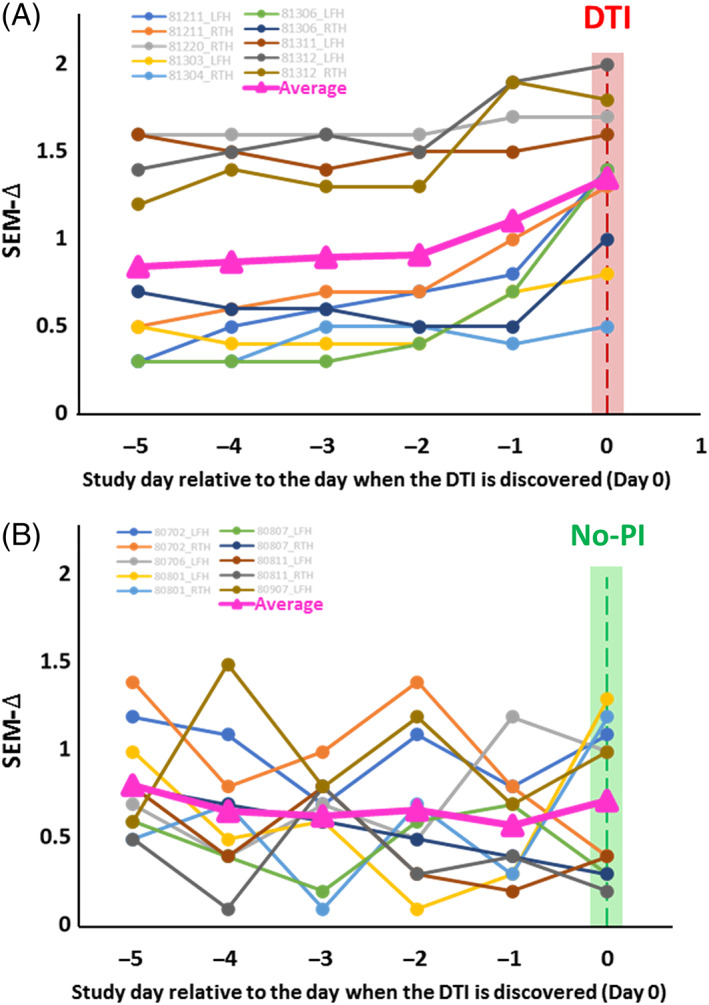
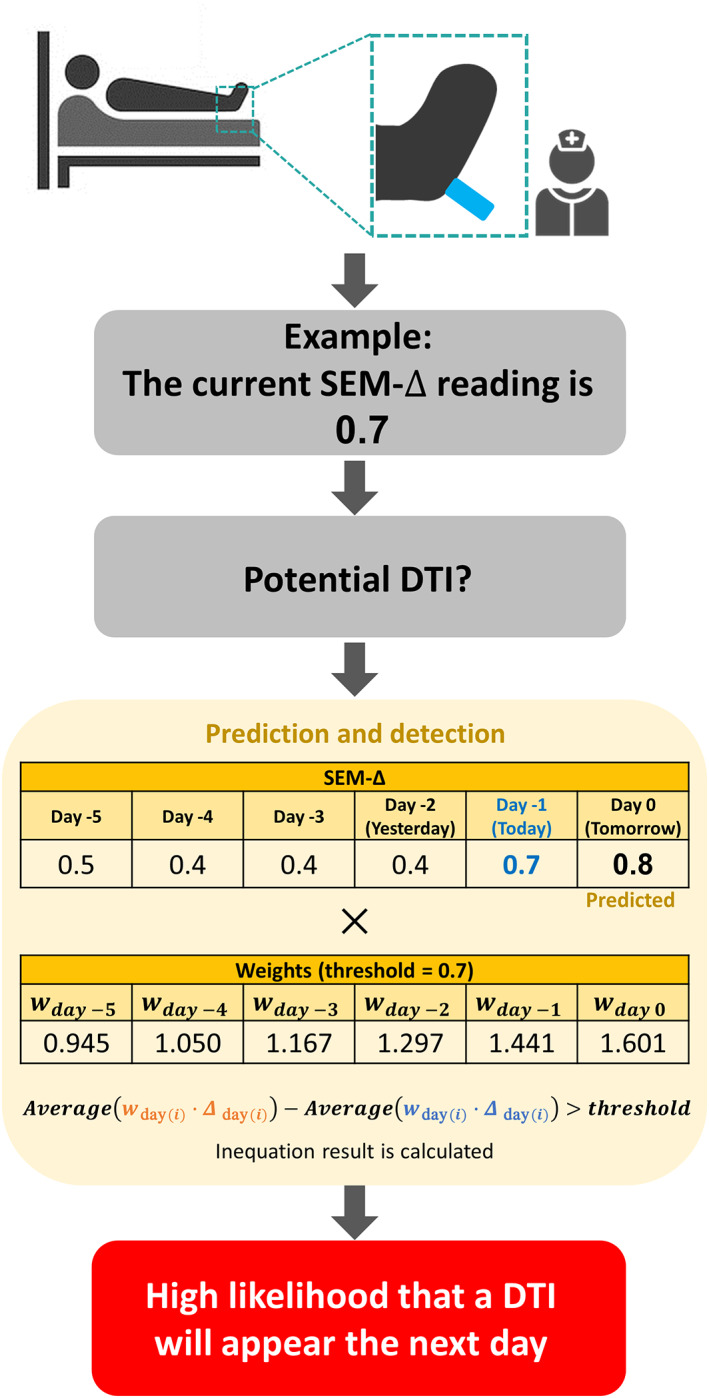
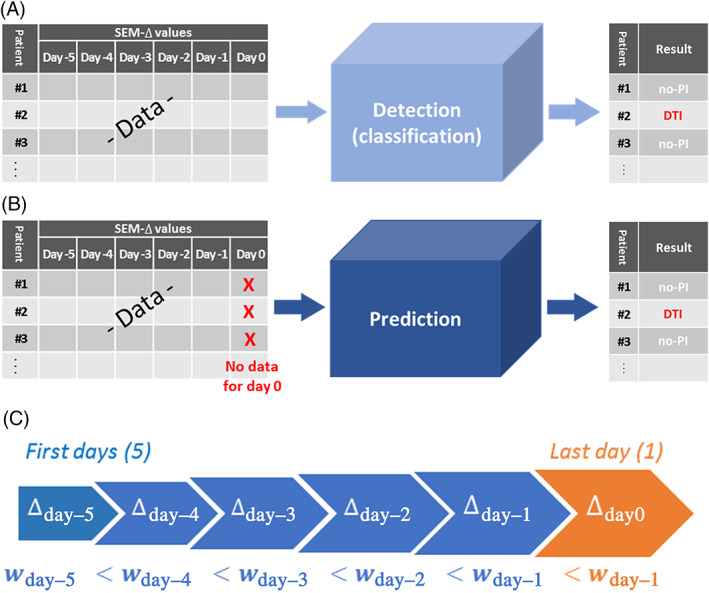
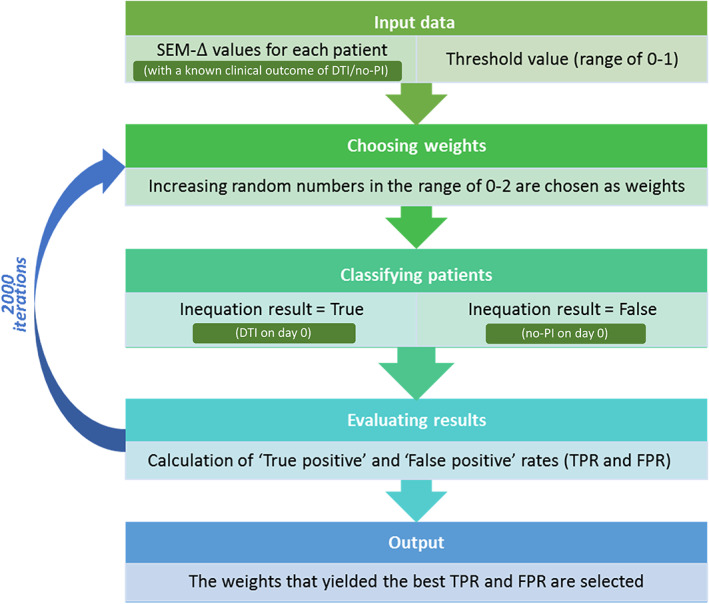
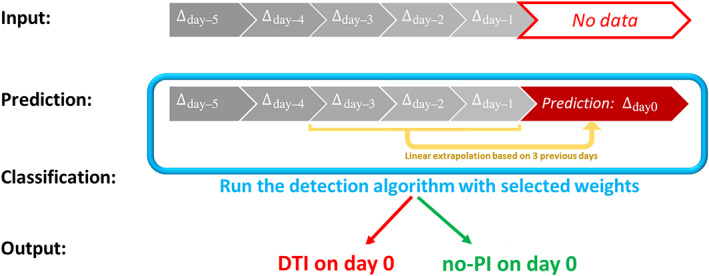
Sub-epidermal moisture is an established biophysical marker of pressure ulcer formation based on biocapacitance changes in affected soft tissues, which has been shown to facilitate early detection of these injuries. Artificial intelligence shows great promise in wound prevention and care, including in automated analyses of quantitative measures of tissue health such as sub-epidermal moisture readings acquired over time for effective, patient-specific, and anatomical-site-specific pressure ulcer prophylaxis. Here, we developed a novel machine learning algorithm for early detection of heel deep tissue injuries, which was trained using a database comprising six consecutive daily sub-epidermal moisture measurements recorded from 173 patients in acute and post-acute care settings. This algorithm was able to achieve strong predictive power in forecasting heel deep tissue injury events the next day, with sensitivity and specificity of 77% and 80%, respectively, revealing the clinical potential of artificial intelligence-powered technology for hospital-acquired pressure ulcer prevention. The current work forms the scientific basis for clinical implementation of machine learning algorithms that provide effective, early, and anatomy-specific preventive interventions to minimise the occurrence of hospital-acquired pressure ulcers based on routine tissue health status measurements.
皮下水分是基于受影响软组织的生物电容变化来确定压力性溃疡形成的既定生物物理标志物,它已被证明有助于这些损伤的早期检测。人工智能在伤口预防和护理方面显示出巨大的前景,包括对组织健康的定量测量(如随着时间的推移获得的皮下水分读数)进行自动分析,以实现有效的、针对患者的和解剖部位特异性的压力性溃疡预防。在这里,我们开发了一种用于早期检测脚跟深部组织损伤的新型机器学习算法,该算法使用一个数据库进行训练,该数据库包含来自急性和康复期护理环境中的 173 名患者的六个连续日常皮下水分测量值。该算法能够在预测第二天脚跟深部组织损伤事件方面具有很强的预测能力,敏感性和特异性分别为 77%和 80%,这揭示了人工智能驱动技术在预防医院获得性压力性溃疡方面的临床潜力。目前的工作为临床实施机器学习算法提供了科学依据,这些算法可基于常规组织健康状况测量,提供有效的、早期的和解剖部位特异性的预防干预措施,以最大程度地减少医院获得性压力性溃疡的发生。