Department of Medicine, Qingdao University, Qingdao, China.
Clinical Research Team of Spine and Spinal Cord Diseases, Medical Research Center, Affiliated Hospital of Jining Medical University, Jining, China.
Sci Rep. 2022 Jan 19;12(1):957. doi: 10.1038/s41598-022-05021-4.
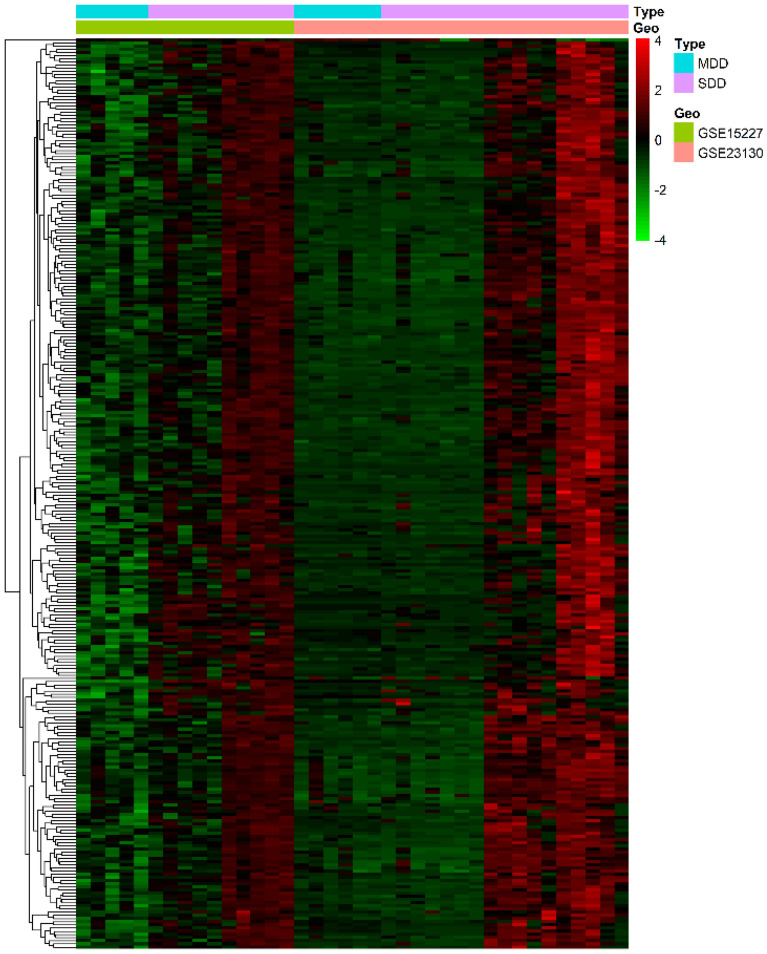
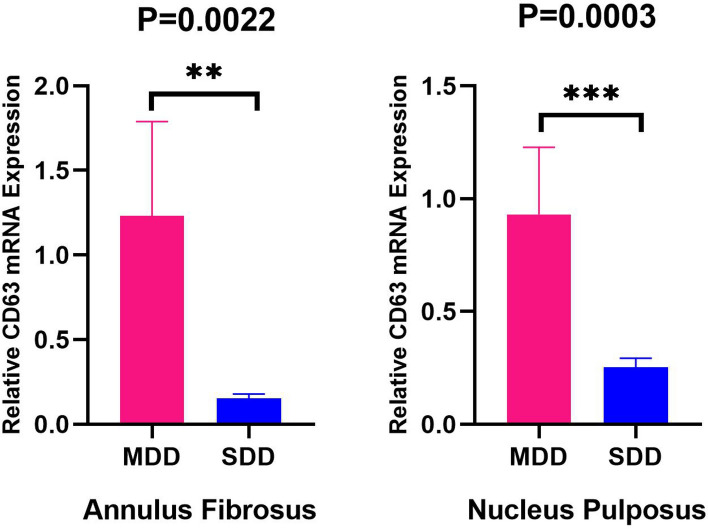
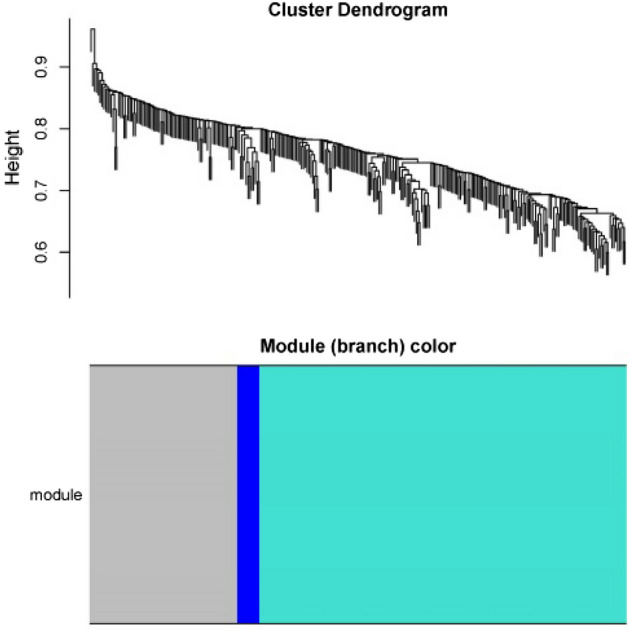
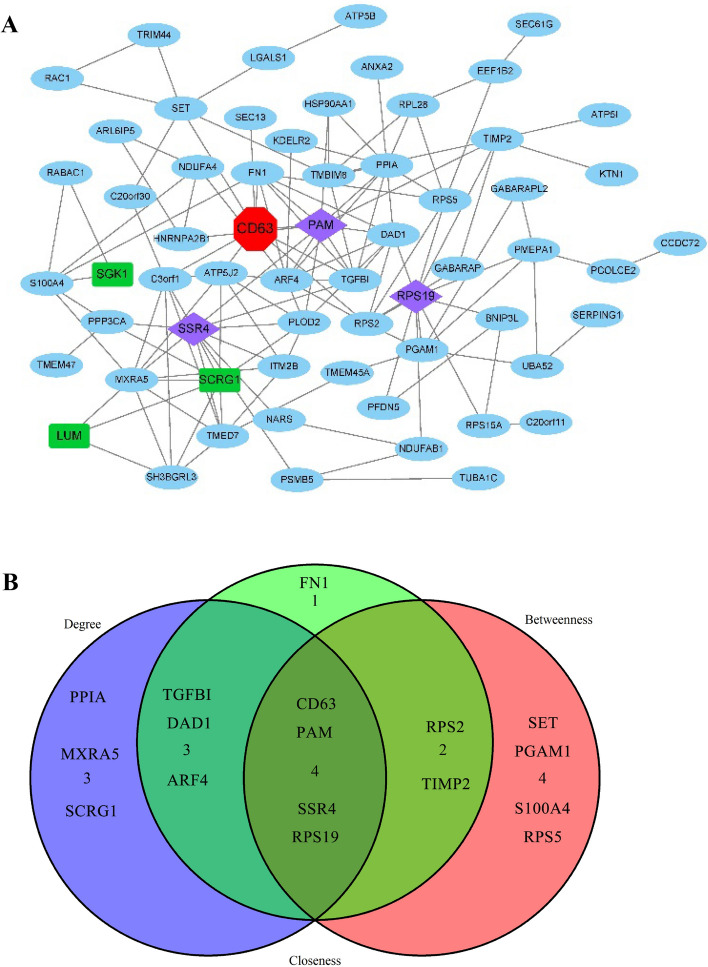
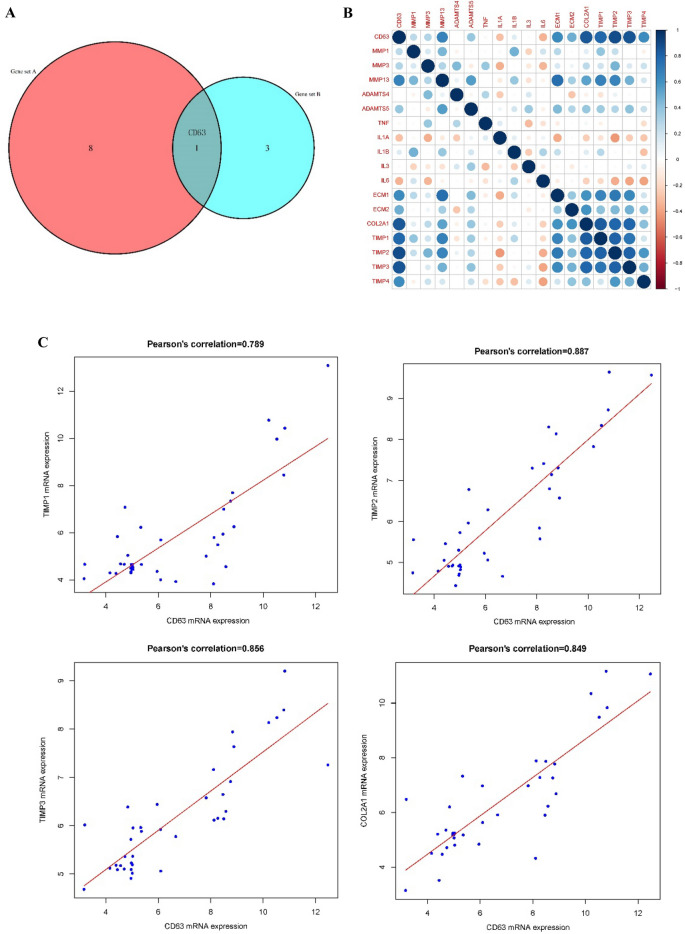
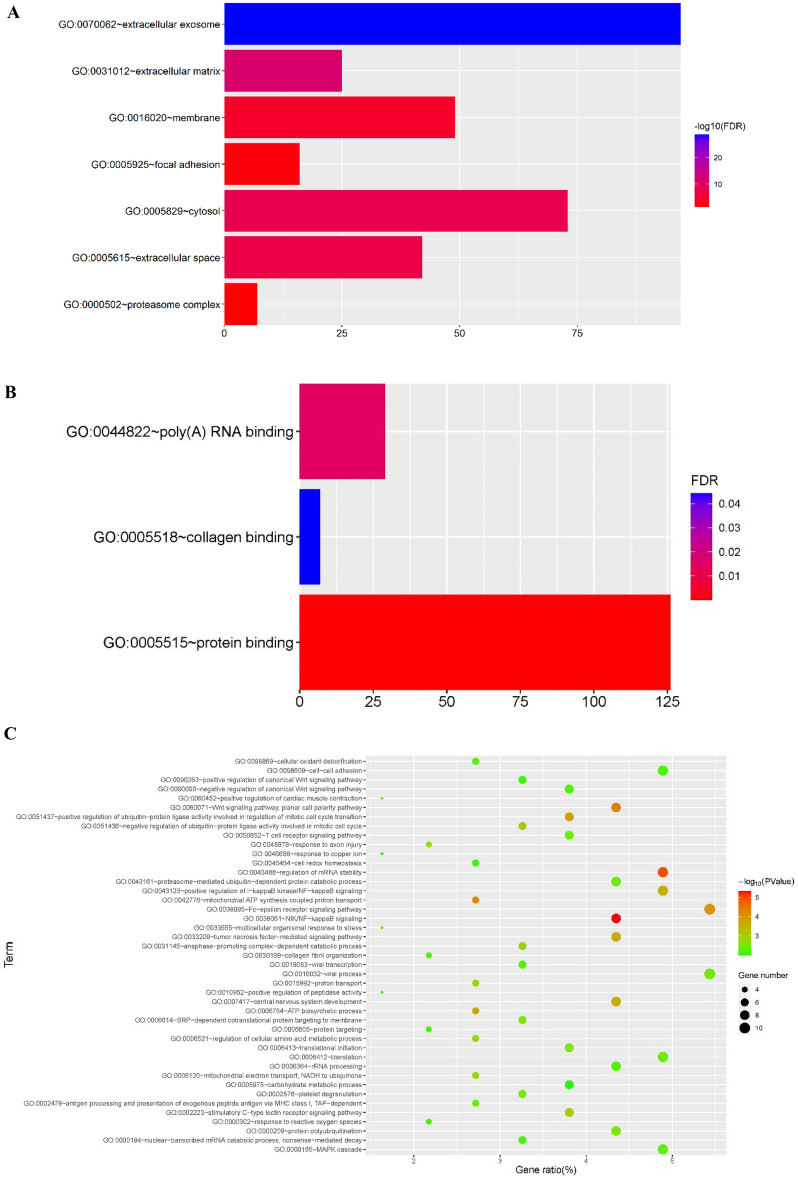
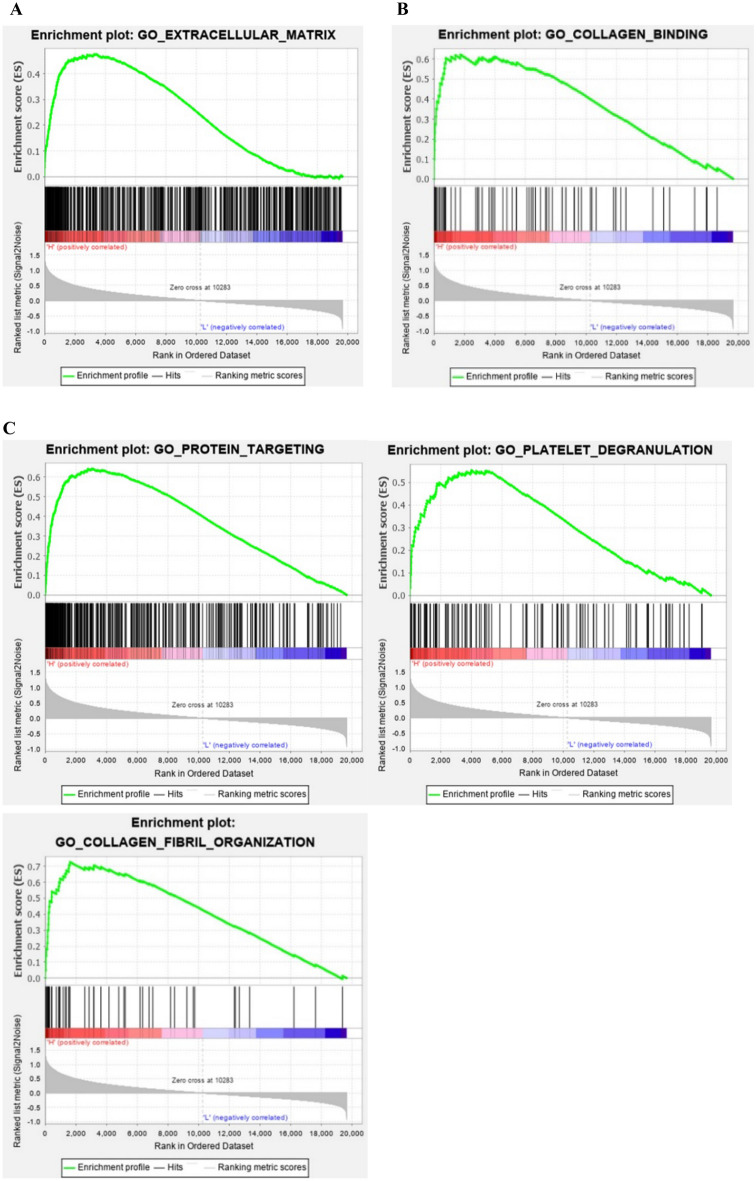
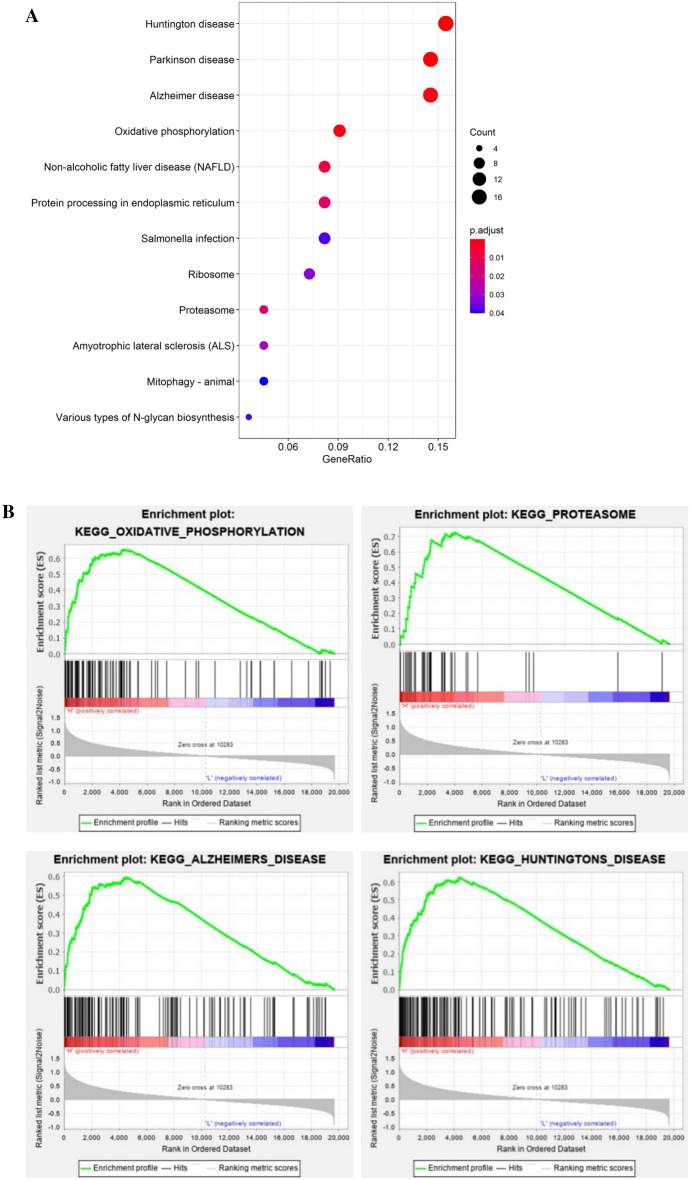
Understanding molecular mechanisms of intervertebral disc degeneration (IDD) and providing a novel target for the treatment of IDD have important implications. We sought to explore a new promising gene target for the treatment of IDD. This study integrated 19,678 genes of 38 IDD patients from two gene datasets. Differentially Expressed Genes (DEGs) of annulus fibrosus were analyzed in groups with mild disc degeneration (MDD) and severe disc degeneration (SDD). We screened the hub gene through biological information technology (bioinformatic) methods. Then, we further validated the hub gene using annulus fibrosus and nucleus pulposus tissues from 12 patients with qRT-PCR. In addition, we explored its underlying molecular mechanism with GO, KEGG and GSEA. Through multiple screening bioinformatics methods, the hub gene CD63 was identified. The qRT-PCR explored that CD63 decreased significantly in SDD group compared to that in MDD group (P < 0.001). The GO, KEGG and GSEA of CD63 explored significant enrichment of the molecular features (P < 0.001), including the cellular component (Extracellular matrix, P < 0.001), the molecular function (collagen binding, P < 0.001), the biological processes (protein targeting, collagen fibril organization and platelet degranulation, P < 0.001) and the signaling pathways. Our research explored and validated a new regulatory gene, CD63 for different degrees of IDD. A new novel form of therapeutic target for IDD may be developed.
了解椎间盘退变(IDD)的分子机制,并为 IDD 的治疗提供新的靶点具有重要意义。我们试图探索一种治疗 IDD 的新的有前途的基因靶点。本研究整合了两个基因数据集来自 38 名 IDD 患者的 19678 个基因。分析了轻度椎间盘退变(MDD)和重度椎间盘退变(SDD)组纤维环中的差异表达基因(DEG)。我们通过生物信息技术(bioinformatic)方法筛选出核心基因。然后,我们使用来自 12 名患者的 qRT-PCR 进一步验证了核心基因纤维环和髓核组织。此外,我们还通过 GO、KEGG 和 GSEA 探讨了其潜在的分子机制。通过多种筛选生物信息学方法,确定了核心基因 CD63。qRT-PCR 探讨了 SDD 组 CD63 明显低于 MDD 组(P<0.001)。CD63 的 GO、KEGG 和 GSEA 探讨了分子特征的显著富集(P<0.001),包括细胞成分(细胞外基质,P<0.001)、分子功能(胶原结合,P<0.001)、生物过程(蛋白靶向、胶原纤维组织和血小板脱颗粒,P<0.001)和信号通路。我们的研究探索并验证了一个新的调节基因 CD63,用于不同程度的 IDD。可能会开发出一种治疗 IDD 的新的新型治疗靶点。