Department of Otorhinolaryngology, Weifang People's Hospital Weifang Shandong, Weifang 261041, Shandong, China.
Contrast Media Mol Imaging. 2022 Jan 4;2022:5002754. doi: 10.1155/2022/5002754. eCollection 2022.
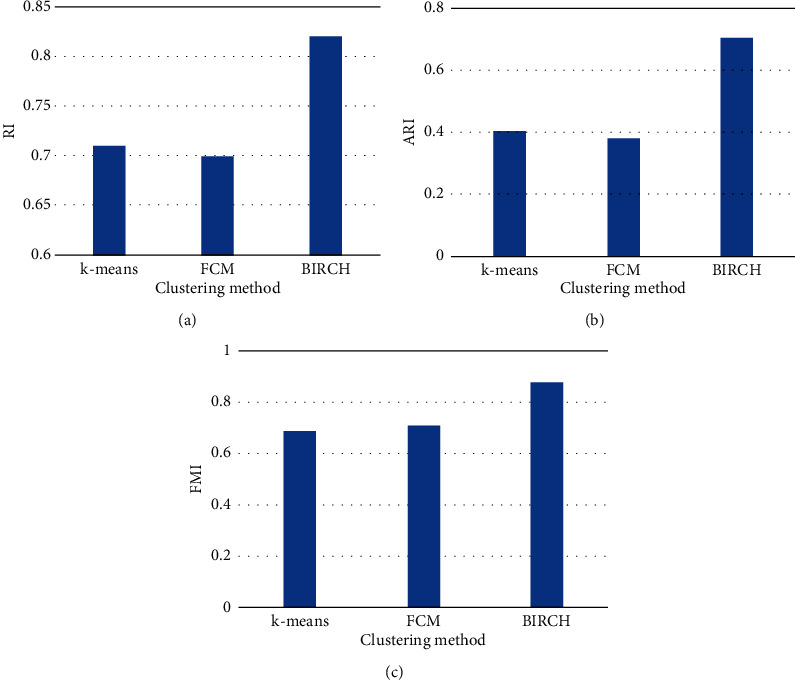
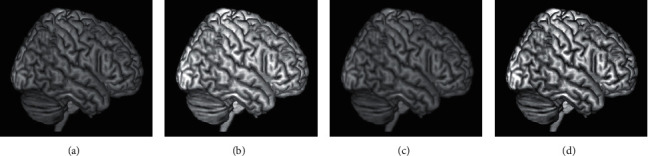
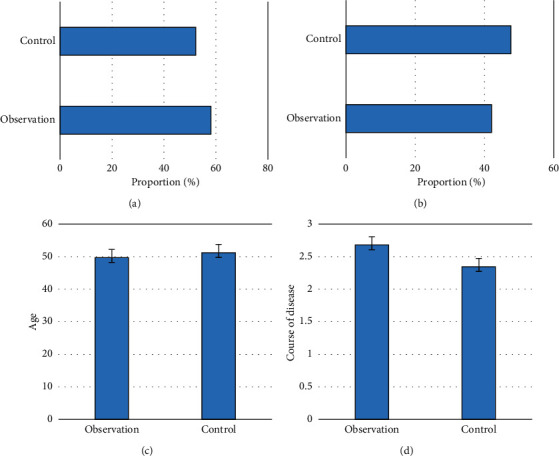
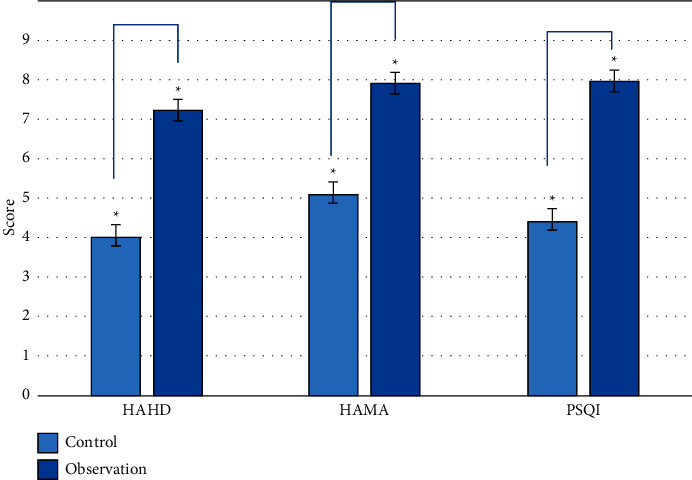
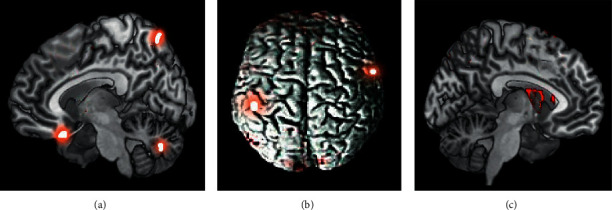
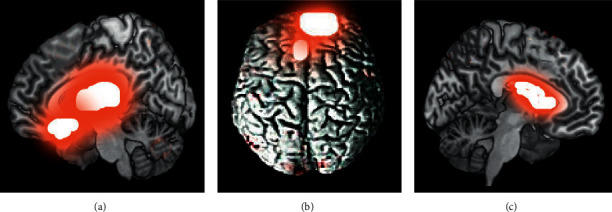
The balanced iterative reducing and clustering using hierarchies (BIRCH) method was adopted to optimize the results of the resting-state functional magnetic resonance imaging (RS-fMRI) to analyze the changes in the brain function of patients with chronic pain accompanied by poor emotion or abnormal sleep quality in this study, so as to provide data support for the prevention and treatment of clinical chronic pain with poor emotion or sleep quality. 159 patients with chronic pain who visited the hospital were selected as the research objects, and they were grouped according to the presence or absence of abnormalities in emotion and sleep. The patients without poor emotion and sleep quality were set as the control group (60 cases), and the patients with the above symptoms were defined in the observation group (90 cases). The brain function was detected by RS-fMRI technology based on the BIRCH algorithm. The results showed that the rand index (RI), adjustment of RI (ARI), and Fowlkes-Mallows index (FMI) results in the k-means, flow cytometry (FCM), and BIRCH algorithms were 0.82, 0.71, and 0.88, respectively. The scores of Hamilton Depression Scale (HAHD), Hamilton Anxiety Scale (HAMA), and Pittsburgh Sleep Quality Index (PSQI) were 7.26 ± 3.95, 7.94 ± 3.15, and 8.03 ± 4.67 in the observation group and 4.03 ± 1.95, 5.13 ± 2.35, and 4.43 ± 2.07 in the control group; the higher proportion of RS-fMRI was with abnormal brain signal connections. A score of 7 or more meant that the number of brain abnormalities was more than 90% and that of less than 7 was less than 40%, showing a statistically obvious difference in contrast ( < 0.05). Therefore, the BIRCH clustering algorithm showed reliable value in the optimization of RS-fMRI images, and RS-fMRI showed high application value in evaluating the emotion and sleep quality of patients with chronic pain.
采用平衡迭代缩减聚类层次算法(BIRCH)对静息态功能磁共振成像(RS-fMRI)的结果进行优化,分析伴有情绪不良或睡眠质量异常的慢性疼痛患者脑功能变化,为临床慢性疼痛伴情绪不良或睡眠质量异常的防治提供数据支持。选取我院收治的 159 例慢性疼痛患者为研究对象,根据其情绪及睡眠是否异常进行分组,无不良情绪及睡眠质量者设为对照组(60 例),有上述症状者定义为观察组(90 例)。基于 BIRCH 算法的 RS-fMRI 技术对脑功能进行检测。结果显示,k-means、流式聚类(FCM)和 BIRCH 算法的 rand 指数(RI)、RI 调整值(ARI)、Fowlkes-Mallows 指数(FMI)分别为 0.82、0.71、0.88;观察组的汉密尔顿抑郁量表(HAMD)、汉密尔顿焦虑量表(HAMA)、匹兹堡睡眠质量指数量表(PSQI)评分分别为 7.26±3.95、7.94±3.15、8.03±4.67,对照组为 4.03±1.95、5.13±2.35、4.43±2.07;观察组的 RS-fMRI 显示异常脑信号连接的比例更高,评分在 7 分及以上表示脑异常数占比超过 90%,评分在 7 分以下表示脑异常数占比低于 40%,差异有统计学意义( < 0.05)。因此,BIRCH 聚类算法对 RS-fMRI 图像优化有可靠的价值,RS-fMRI 对评估慢性疼痛患者的情绪及睡眠质量有较高的应用价值。