Sotoudeh Nazli, Noormohammadi Zahra, Habibi-Anbouhi Mahdi, Kazemi-Lomedasht Fatemeh, Behdani Mahdi
Department of Biology, Science and Research Branch, Islamic Azad University, Tehran, Iran.
National Cell Bank of Iran, Pasteur Institute of Iran, Tehran, Iran.
Iran J Basic Med Sci. 2021 Sep;24(9):1264-1271. doi: 10.22038/IJBMS.2021.57774.12851.
Cytotoxic T-lymphocyte-associated protein-4 (CTLA-4) is the most important human immune checkpoint that modulates T cells activity and brings about immune-homeostasis. Accordingly, checkpoint inhibitor cancer therapy has been approved as a growing method to block over-expressed immune checkpoints, such as CTLA-4 receptors. Considering the competitive characteristics of single-domain antibodies with monoclonal antibodies, we tried to develop a camelid Nanobody against human CTLA-4.
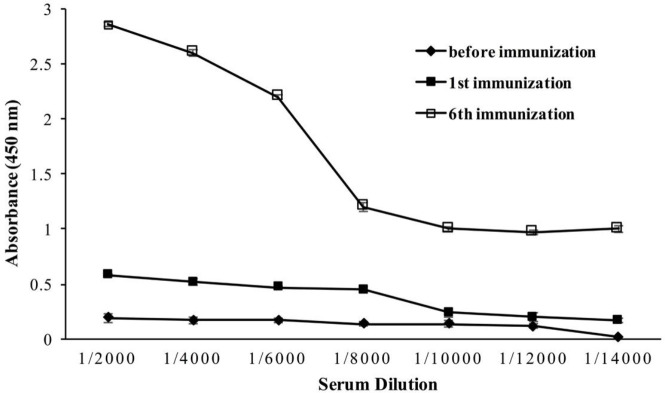
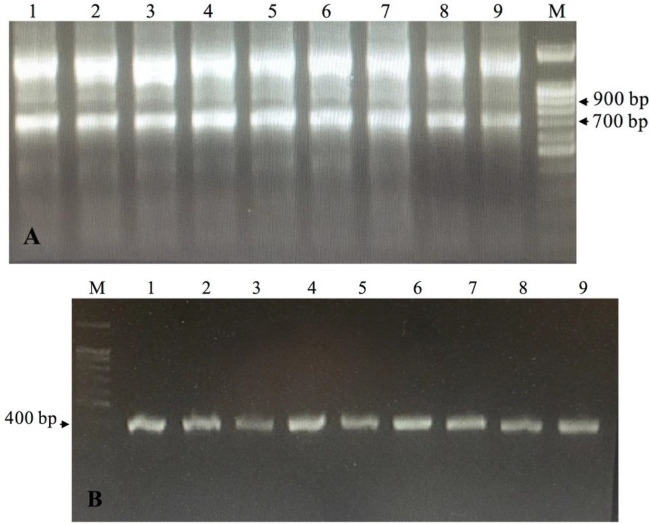
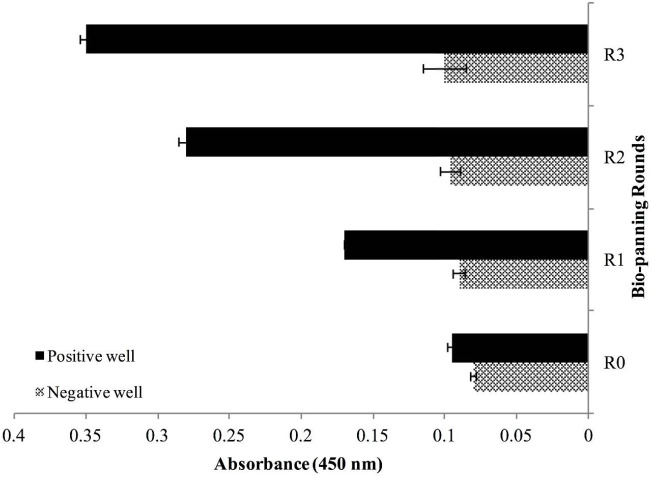
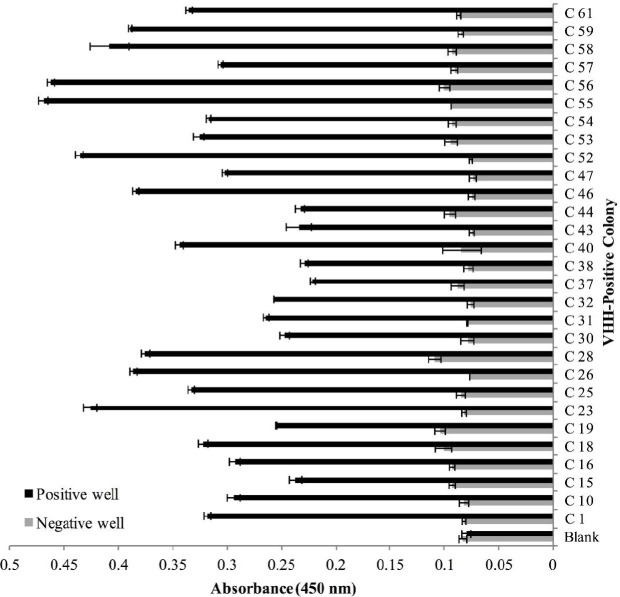
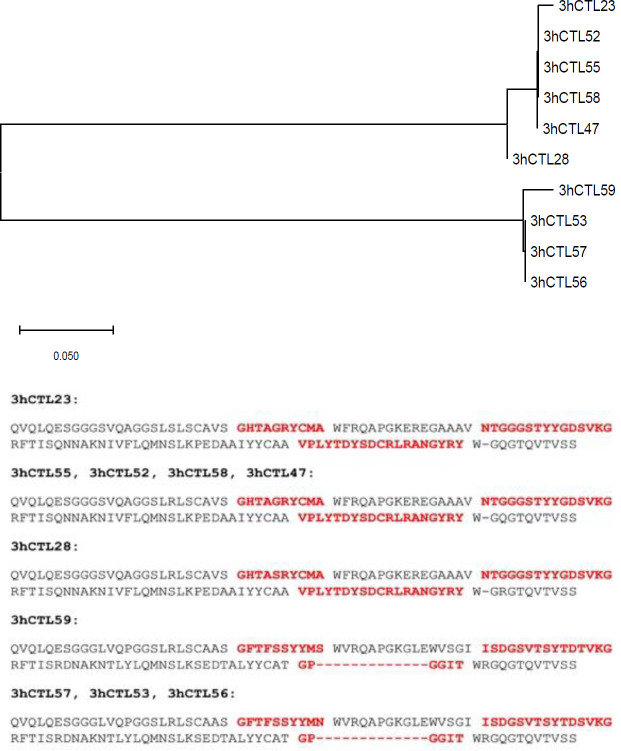
We have constructed the VHH gene library by using immunized-camel peripheral blood mononuclear cells and carrying out the Nested-PCR technique. VHH-library was screened by phage display technique and specific nanobodies against CTLA-4 protein were selected and amplified with bio-panning steps. Stronger binders were screened by Periplasmic Extract-ELISA, followed by estimating the complexity of the library. Specific anti-CTLA-4 Nanobody and 3hCTL55, with longer CDR3 and a higher binding rate, were selected for more assays.
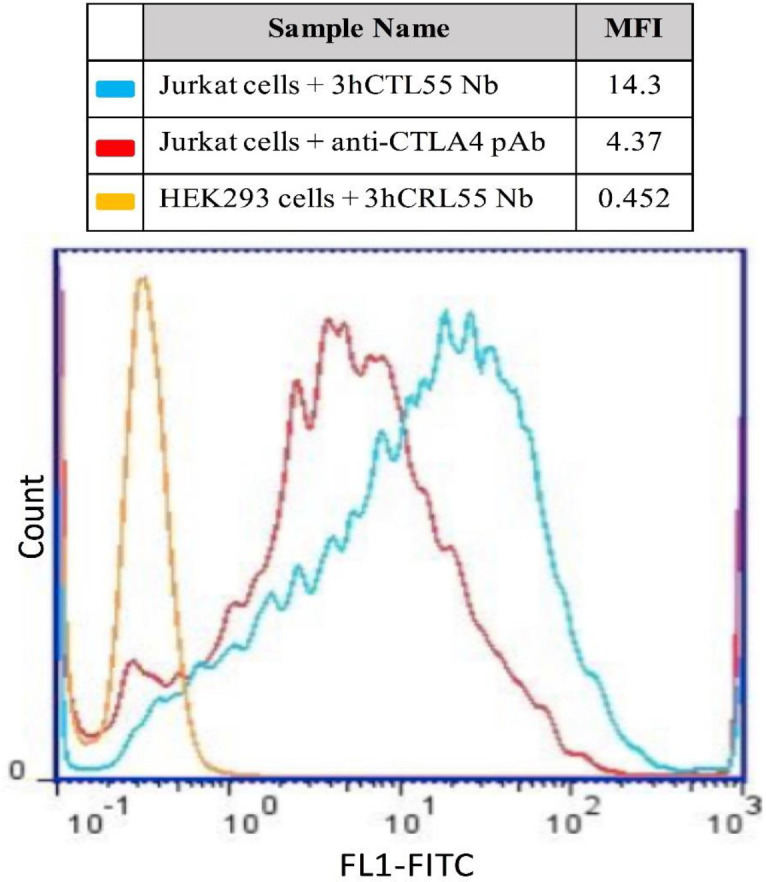
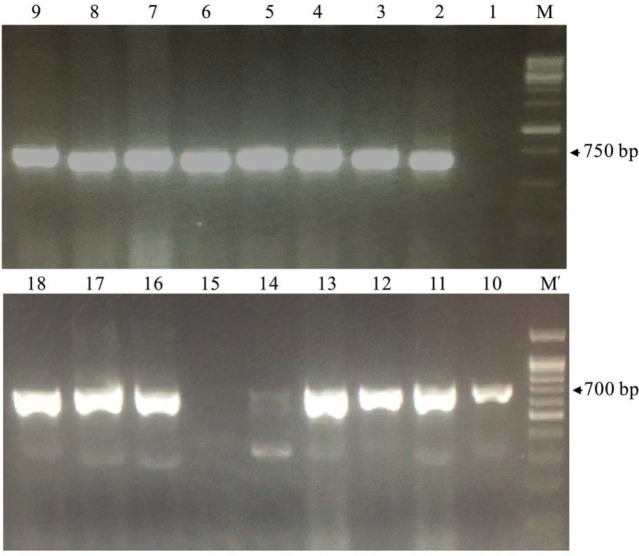
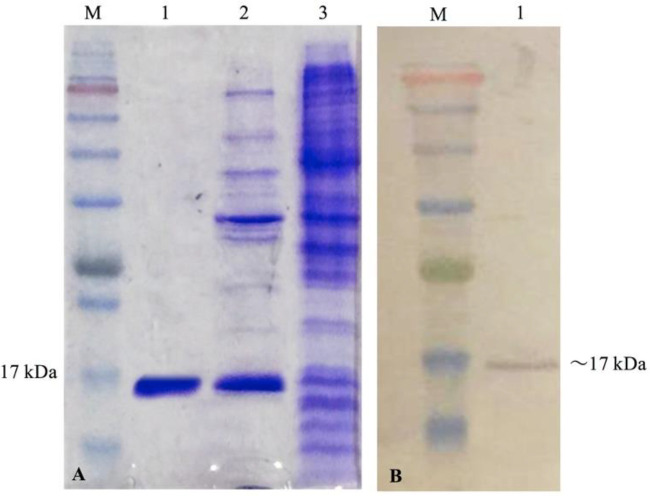
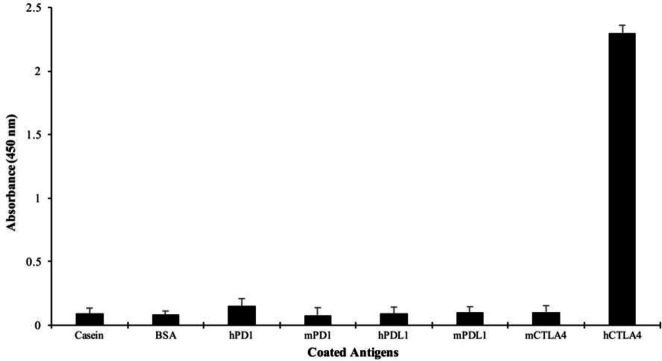
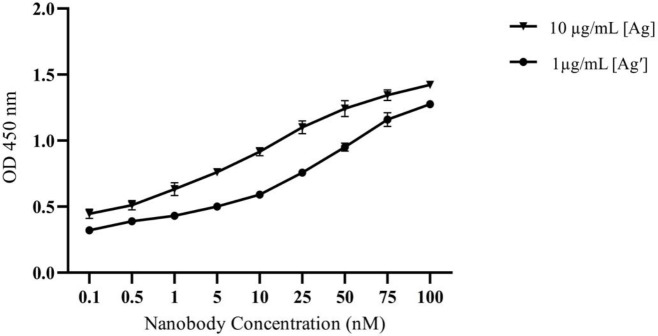
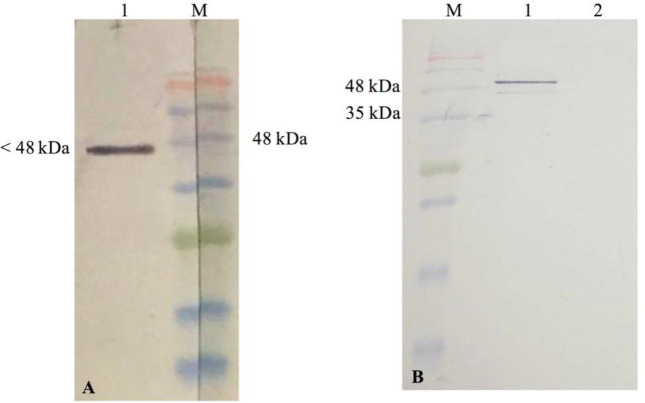
Results revealed the existence of two different clones in the library with 10 binders. In comparison with seven different antigens, using the ELISA technique confirmed the specificity of Nanobody 3hCTL55 against human CTLA-4 antigen. We calculated Nanobody 3hCTL55 affinity for human CTLA-4 antigen at 50×10 M, approximately. Performing western blot and Flow-cytometry techniques showed that Nanobody 3hCTL55 was able to specifically detect and attach both commercial human CTLA-4 protein and human CTLA-4 antigen on the cell surface and in the cell lysate.
Taken together, this developed camelid-specific anti-CTLA-4 Nanobody 3hCTL55, selected from a high-quality immune library by phage display technique, may be effective for further study about cancer diagnosis and cancer-therapy purposes.
细胞毒性T淋巴细胞相关蛋白4(CTLA-4)是调节T细胞活性并实现免疫稳态的最重要的人类免疫检查点。因此,检查点抑制剂癌症疗法已被批准作为一种越来越常用的方法,用于阻断过度表达的免疫检查点,如CTLA-4受体。考虑到单域抗体与单克隆抗体的竞争特性,我们试图开发一种针对人类CTLA-4的骆驼科纳米抗体。
我们通过使用免疫骆驼的外周血单核细胞并进行巢式PCR技术构建了VHH基因文库。通过噬菌体展示技术筛选VHH文库,并通过生物淘选步骤选择并扩增针对CTLA-4蛋白的特异性纳米抗体。通过周质提取物ELISA筛选更强的结合物,随后评估文库的复杂性。选择具有更长互补决定区3(CDR3)和更高结合率的特异性抗CTLA-4纳米抗体和3hCTL55进行更多分析。
结果显示文库中存在两个不同的克隆,有10个结合物。与七种不同抗原相比,使用ELISA技术证实了纳米抗体3hCTL55对人类CTLA-4抗原的特异性。我们计算出纳米抗体3hCTL55对人类CTLA-4抗原的亲和力约为50×10⁻⁹M。进行蛋白质印迹和流式细胞术技术表明,纳米抗体3hCTL55能够特异性检测并附着商业人类CTLA-4蛋白以及细胞表面和细胞裂解物中的人类CTLA-4抗原。
综上所述,通过噬菌体展示技术从高质量免疫文库中筛选出的这种已开发的骆驼科特异性抗CTLA-4纳米抗体3hCTL55,可能对癌症诊断和癌症治疗目的的进一步研究有效。