Zhang Zhe, Wang Xing, Yang Linlin, Yang Linquan, Ma Huijuan
Hebei Key Laboratory of Metabolic Diseases, Hebei General Hospital, Shijiazhuang 050051, P.R. China.
Department of Endocrinology, Hebei General Hospital, Shijiazhuang 050051, P.R. China.
Iran J Basic Med Sci. 2021 Oct;24(10):1358-1365. doi: 10.22038/IJBMS.2021.56771.12677.
Liraglutide, a well-established drug for treating diabetes mellitus (DM), has recently gained attention for its cardiovascular benefits in diabetes via multiple cellular activities; however, whether liraglutide improves myocardial damage by inhibiting pyroptosis and the mechanisms of these potential effects remain unknown.
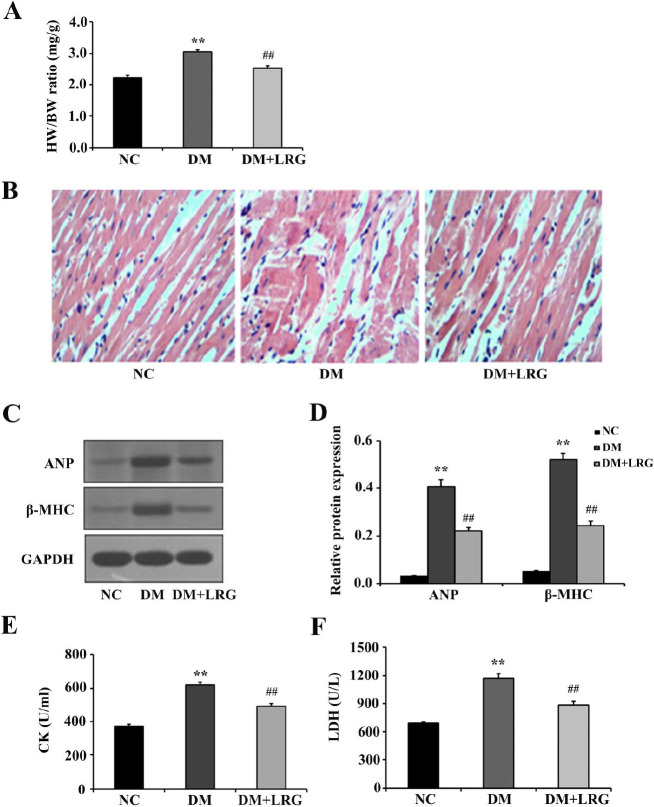
In this study, high-fat diet feeding and low-dose streptozotocin (STZ) injection were used to construct a rat DM model. Rats with fasting blood glucose (FBG) levels >16.7 mmol/l received subcutaneous injections of liraglutide (0.2 mg/kg) for 4 weeks. Metabolic parameters, the heart weight/body weight (HW/BW) ratio, and histopathology were examined. Protein levels of inflammatory, pyroptosis, and NOD-like receptor protein 3 (NLRP3) inflammasome markers were assessed via Western blotting. In studies, a sirtuin 1 (Sirt1) inhibitor (EX 527, 200 nM) and an AMP-activated protein kinase (AMPK) inhibitor (compound C, 20 µM) were used to inhibit Sirt1 and AMPK pathways, respectively.
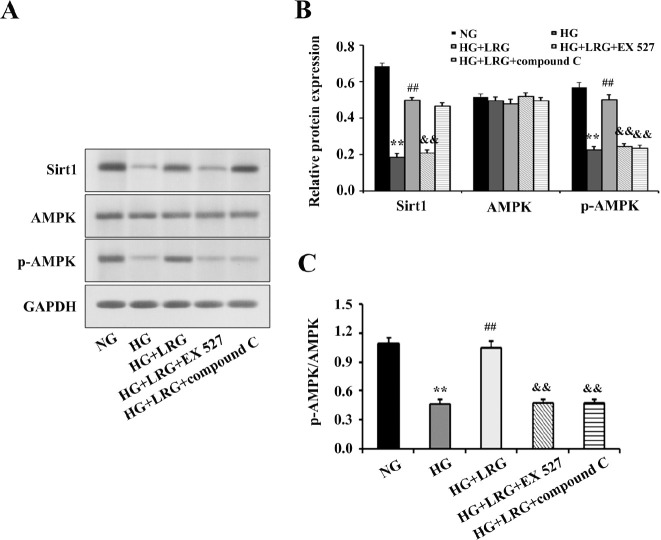
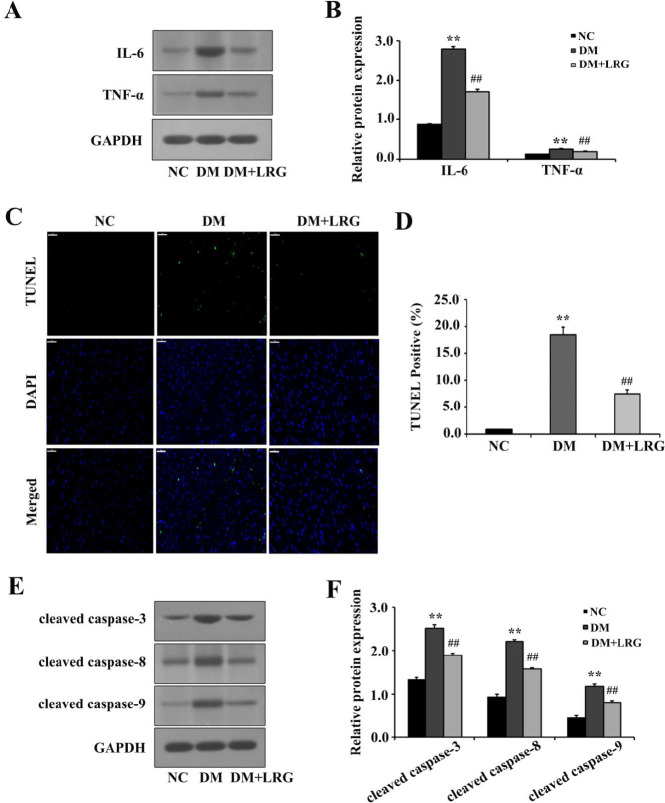
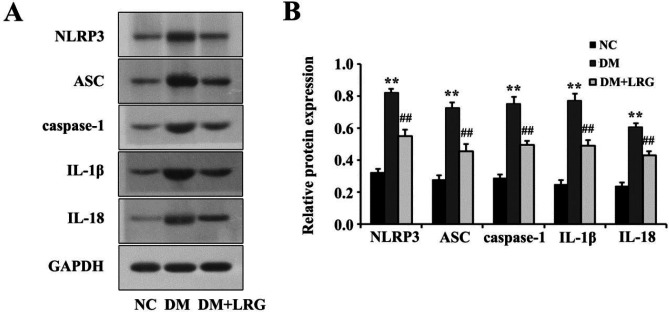
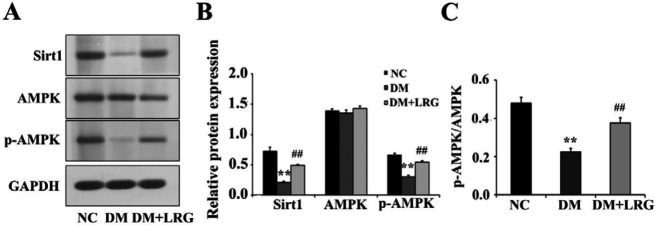
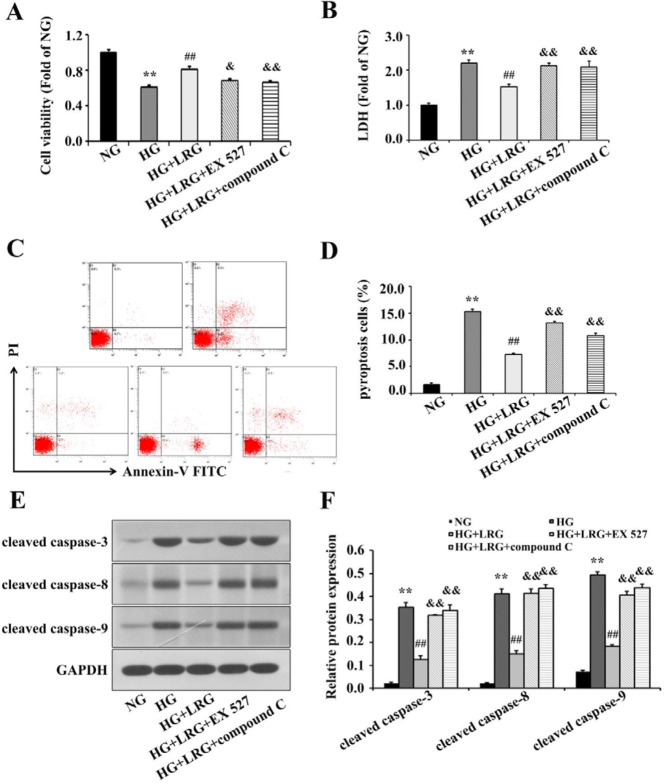
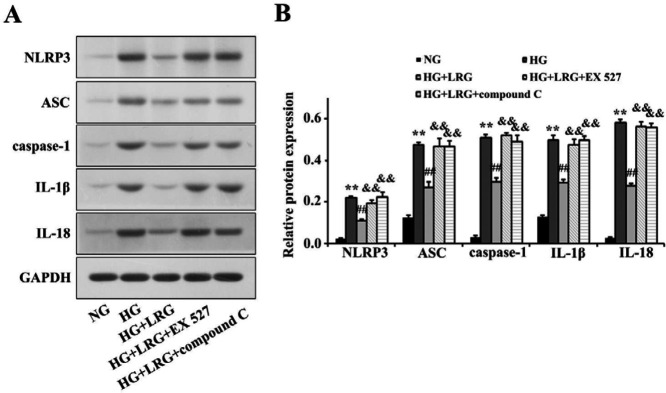
Liraglutide significantly attenuated cardiac hypertrophy, pathological changes, inflammation, pyroptosis, and NLRP3 inflammasome activation, accompanied by increased Sirt1 and AMPK activation. Consistent with the results, liraglutide attenuated high glucose (HG)-induced pyroptosis and NLRP3 inflammasome activation along with enhanced Sirt1 and AMPK activation. After blockade of Sirt1 and AMPK signaling, the protective effect of liraglutide was restrained. Notably, EX 527 abolished the stimulatory effect of liraglutide on Sirt1 and AMPK signaling, whereas compound C blunted AMPK signaling without affecting Sirt1 signaling.
Liraglutide may protect against myocardial damage by activating the Sirt1/AMPK signaling pathways to inhibit cellular pyroptosis in DM.
利拉鲁肽是一种成熟的治疗糖尿病(DM)的药物,最近因其通过多种细胞活动对糖尿病患者心血管系统的益处而受到关注;然而,利拉鲁肽是否通过抑制细胞焦亡改善心肌损伤以及这些潜在作用的机制尚不清楚。
在本研究中,采用高脂饮食喂养和低剂量链脲佐菌素(STZ)注射构建大鼠糖尿病模型。空腹血糖(FBG)水平>16.7 mmol/l的大鼠皮下注射利拉鲁肽(0.2 mg/kg),持续4周。检测代谢参数、心脏重量/体重(HW/BW)比值和组织病理学。通过蛋白质免疫印迹法评估炎症、细胞焦亡和NOD样受体蛋白3(NLRP3)炎性小体标志物的蛋白质水平。在体外研究中,分别使用沉默调节蛋白1(Sirt1)抑制剂(EX 527,200 nM)和AMP活化蛋白激酶(AMPK)抑制剂(化合物C,20 μM)抑制Sirt1和AMPK信号通路。
利拉鲁肽显著减轻心脏肥大、病理变化、炎症、细胞焦亡和NLRP3炎性小体激活,同时Sirt1和AMPK激活增加。与体外结果一致,利拉鲁肽减轻高糖(HG)诱导的细胞焦亡和NLRP3炎性小体激活,同时增强Sirt1和AMPK激活。阻断Sirt1和AMPK信号后,利拉鲁肽的保护作用受到抑制。值得注意的是,EX 527消除了利拉鲁肽对Sirt1和AMPK信号的刺激作用,而化合物C减弱了AMPK信号,而不影响Sirt1信号。
利拉鲁肽可能通过激活Sirt1/AMPK信号通路抑制糖尿病患者的细胞焦亡,从而预防心肌损伤。