National Center for Advancing Translational Sciences (NCATS), 9800 Medical Center Drive, Rockville, Maryland 20850, United States.
Office of the Dean, College of Sciences, Old Dominion University, Norfolk, Virginia 23529, United States.
J Chem Inf Model. 2022 Mar 14;62(5):1249-1258. doi: 10.1021/acs.jcim.1c01188. Epub 2022 Feb 1.
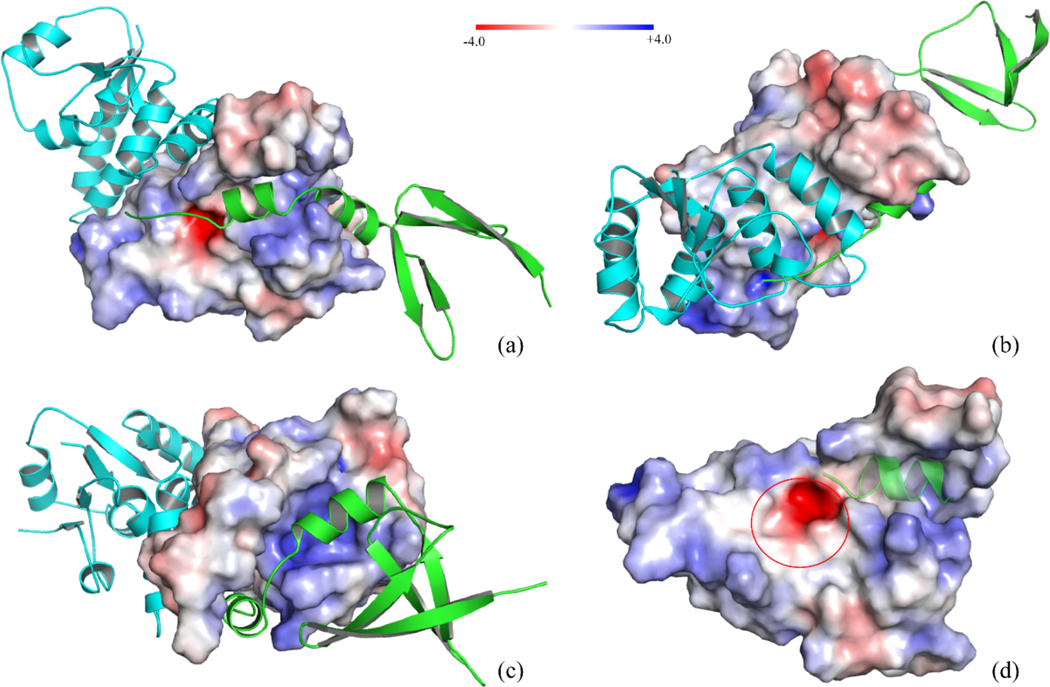
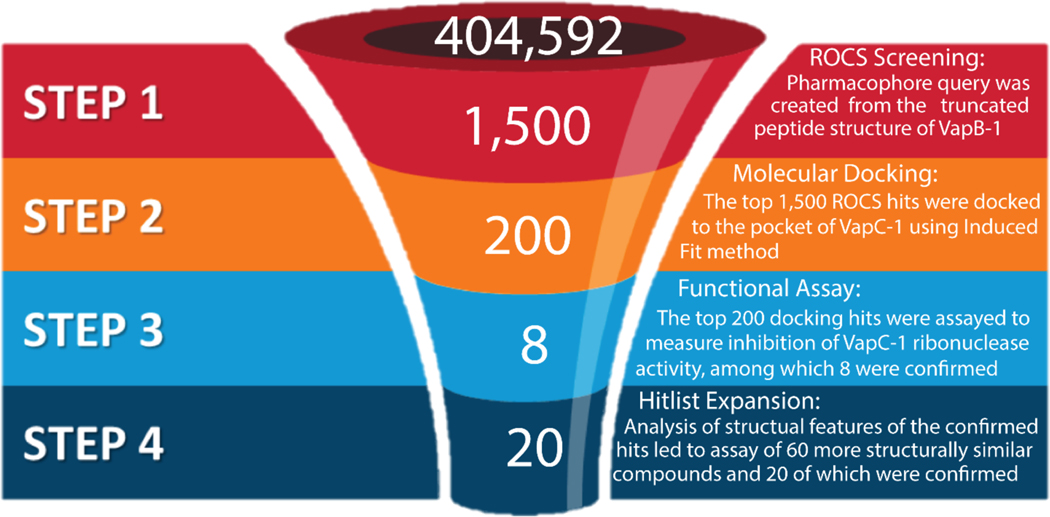
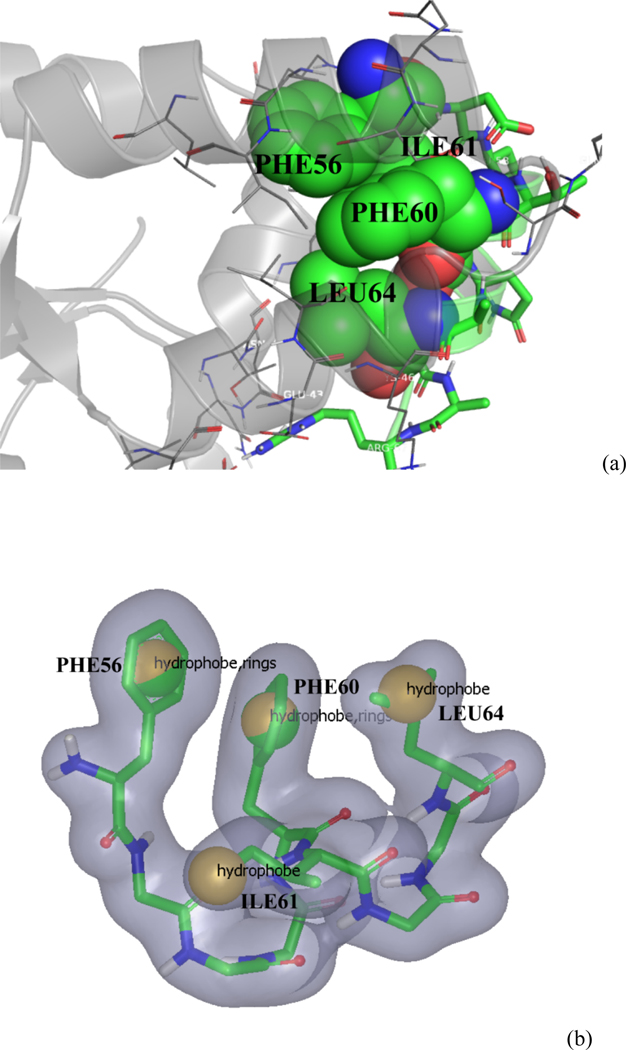
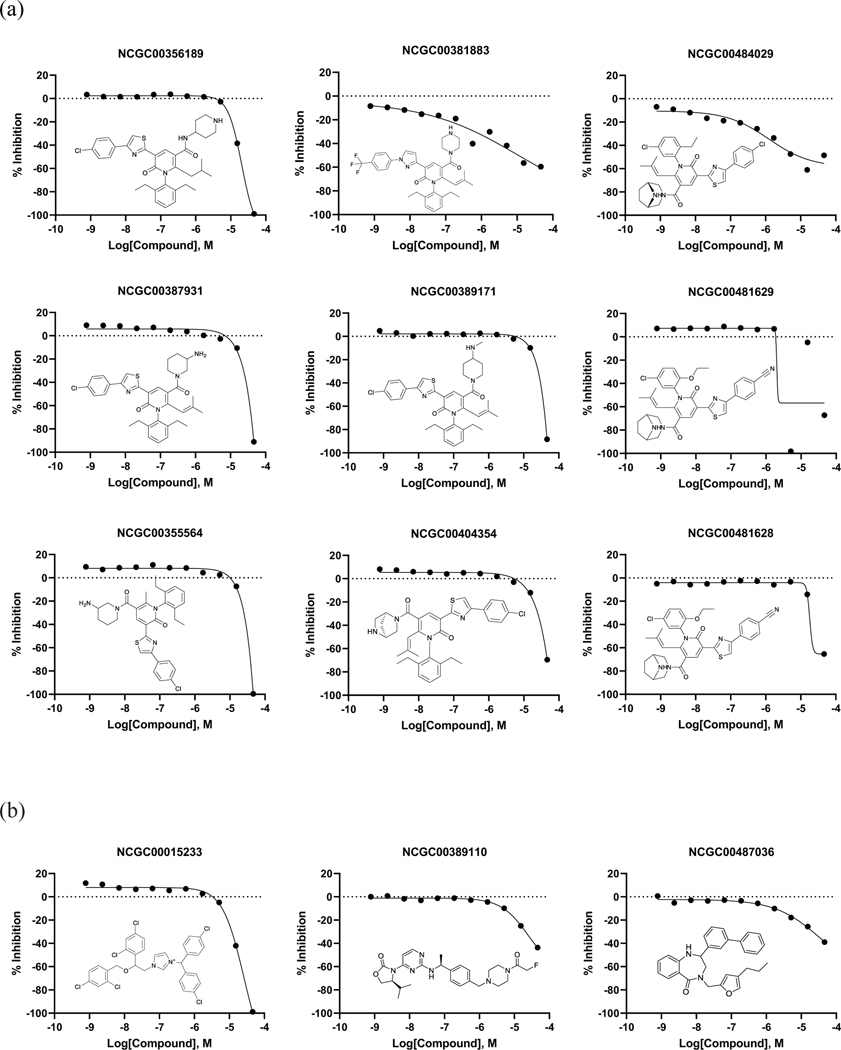
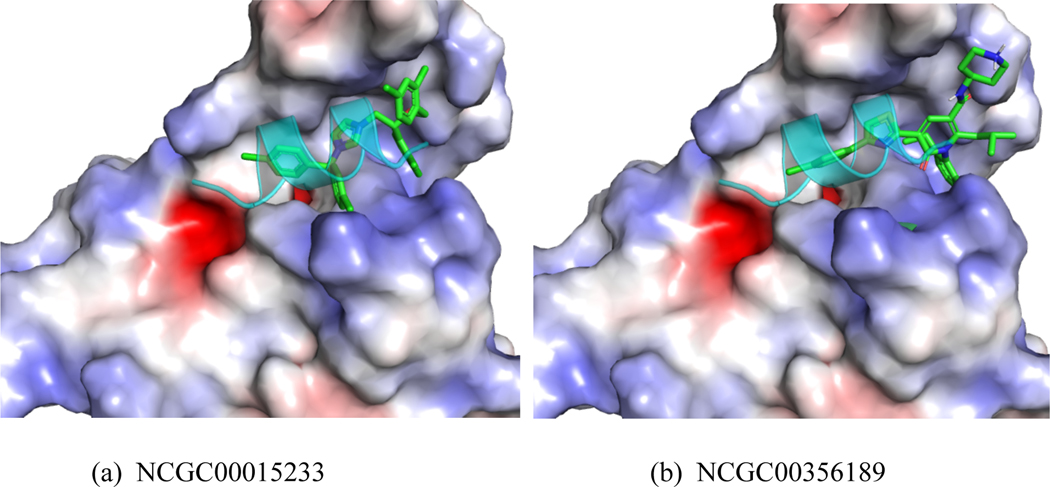
Nontypeable (NTHi) are clinically important Gram-negative bacteria that are responsible for various human mucosal diseases, including otitis media (OM). Recurrent OM caused by NTHi is common, and infections that recur less than 2 weeks following antimicrobial therapy are largely attributable to the recurrence of the same strain of bacteria. Toxin-antitoxin (TA) modules encoded by bacteria enable rapid responses to environmental stresses and are thought to facilitate growth arrest, persistence, and tolerance to antibiotics. The locus of NTHi encodes a type II TA system, comprising the ribonuclease toxin VapC1 and its cognate antitoxin VapB1. The activity of VapC1 has been linked to the survival of NTHi during antibiotic treatment both and . Therefore, inhibitors of VapC1 might serve as adjuvants to antibiotics, preventing NTHi from entering growth arrest and surviving; however, none have been reported to date. A truncated VapB1 peptide from a crystal structure of the VapBC-1 complex was used to generate pharmacophore queries to facilitate a scaffold hopping approach for the identification of small-molecule VapC1 inhibitors. The National Center for Advancing Translational Sciences small-molecule library was virtually screened using the shape-based method rapid overlay of chemical structures (ROCS), and the top-ranking hits were docked into the VapB1 binding pocket of VapC1. Two hundred virtual screening hits with the best docking scores were selected and tested in a biochemical VapC1 activity assay, which confirmed eight compounds as VapC1 inhibitors. An additional 60 compounds were selected with structural similarities to the confirmed VapC1 inhibitors, of which 20 inhibited VapC1 activity. Intracellular target engagement of five inhibitors was indicated by the destabilization of VapC1 within bacterial cells from a cellular thermal shift assay; however, no impact on bacterial growth was observed. Thus, this virtual screening and scaffold hopping approach enabled the discovery of VapC1 ribonuclease inhibitors that might serve as starting points for preclinical development.
不可分型流感嗜血杆菌(NTHi)是一种重要的临床革兰氏阴性细菌,可引起多种人类黏膜疾病,包括中耳炎(OM)。由 NTHi 引起的复发性 OM 很常见,且在抗菌治疗后不到 2 周内再次发生的感染在很大程度上归因于同一株细菌的再次感染。细菌编码的毒素-抗毒素(TA)模块可使细菌快速应对环境压力,被认为有助于生长停滞、持续存在和对抗生素的耐受。NTHi 的 基因座编码一个 II 型 TA 系统,包括核糖核酸酶毒素 VapC1 和其同源抗毒素 VapB1。VapC1 的活性已被证明与 NTHi 在抗生素治疗期间的存活有关,包括 和 。因此,VapC1 的抑制剂可能作为抗生素的佐剂,防止 NTHi 进入生长停滞并存活;然而,迄今为止尚未有报道。从 VapBC-1 复合物的晶体结构中使用截断的 VapB1 肽生成药效团查询,以促进小分子 VapC1 抑制剂的支架跳跃方法的识别。使用基于形状的快速化学结构重叠(ROCS)方法对国家转化科学促进中心小分子文库进行虚拟筛选,将排名最高的命中物对接进入 VapC1 的 VapB1 结合口袋。选择了 200 个具有最佳对接分数的虚拟筛选命中物,并在 VapC1 活性测定中进行了测试,其中 8 种化合物被确认为 VapC1 抑制剂。根据与已确认的 VapC1 抑制剂的结构相似性,选择了另外 60 种化合物,其中 20 种抑制了 VapC1 的活性。通过细胞热转移测定法,在细菌细胞内使 VapC1 不稳定,表明五种抑制剂的细胞内靶标结合;然而,没有观察到对细菌生长的影响。因此,这种虚拟筛选和支架跳跃方法能够发现 VapC1 核糖核酸酶抑制剂,它们可能成为临床前开发的起点。