NCATS Chemical Genomics Center, National Center for Advancing Translational Sciences, National Institutes of Health, 9800 Medical Center Drive, Rockville, Maryland, 20850, United States.
Center for Integrative Chemical Biology and Drug Discovery, Division of Chemical Biology and Medicinal Chemistry, Eshelman School of Pharmacy, University of North Carolina School of Medicine, Chapel Hill, 27599, North Carolina, United States.
Sci Rep. 2017 Oct 6;7(1):12758. doi: 10.1038/s41598-017-12630-x.
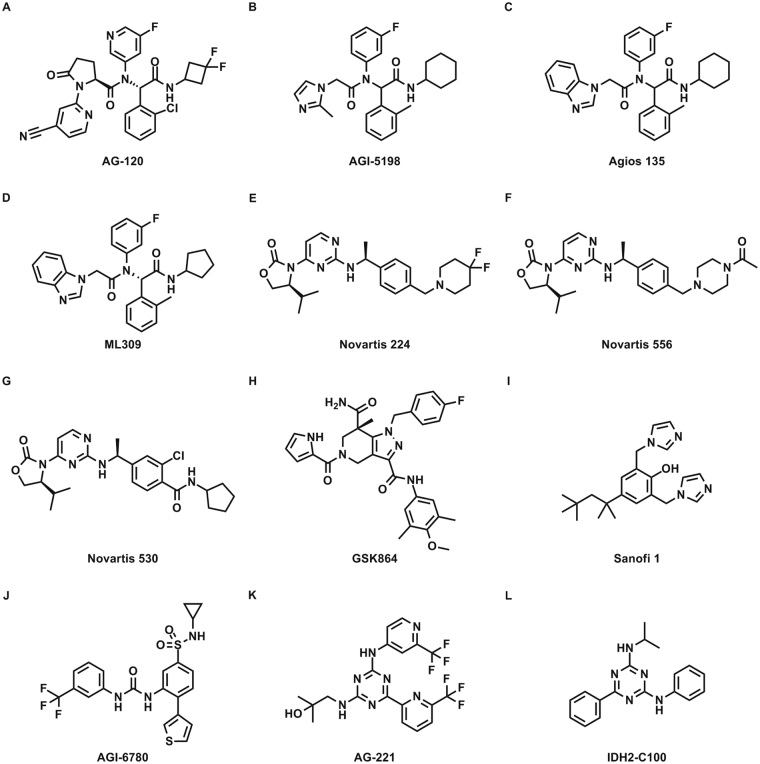
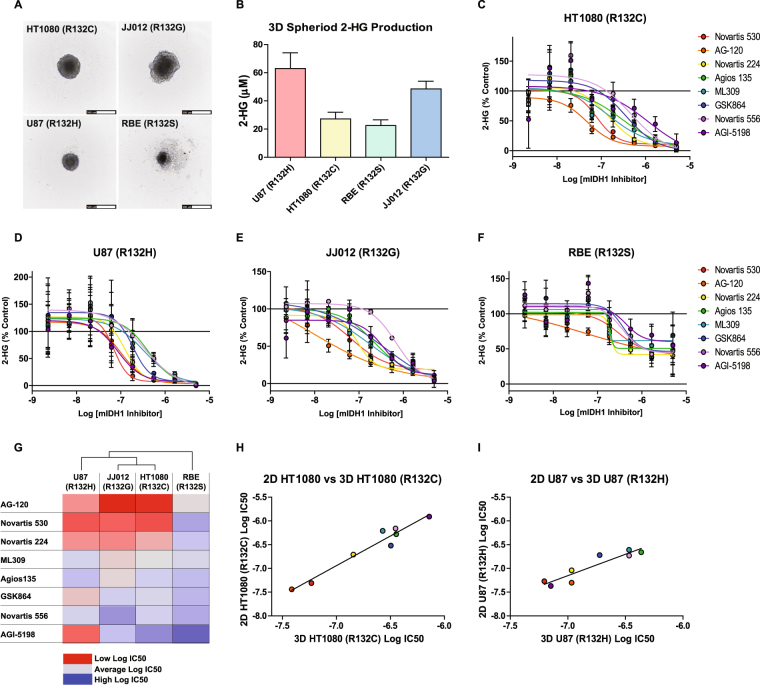
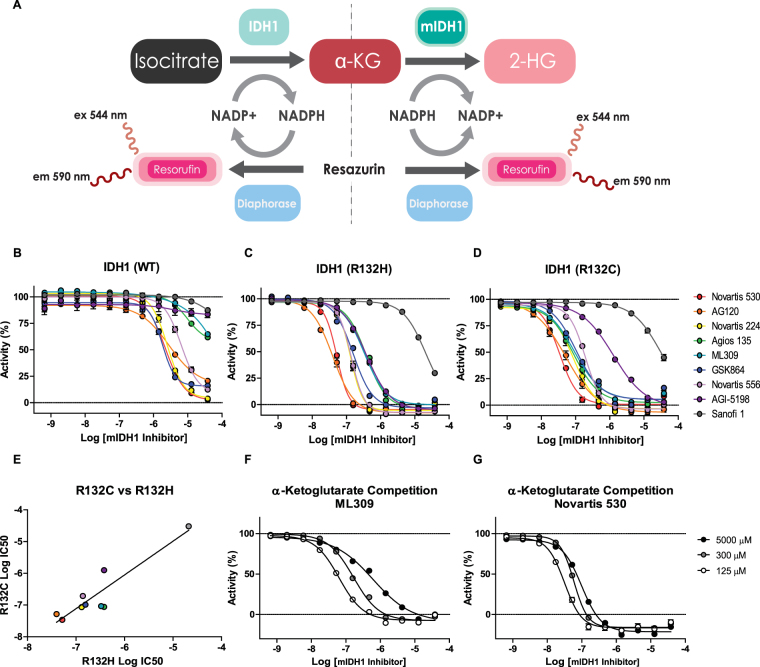
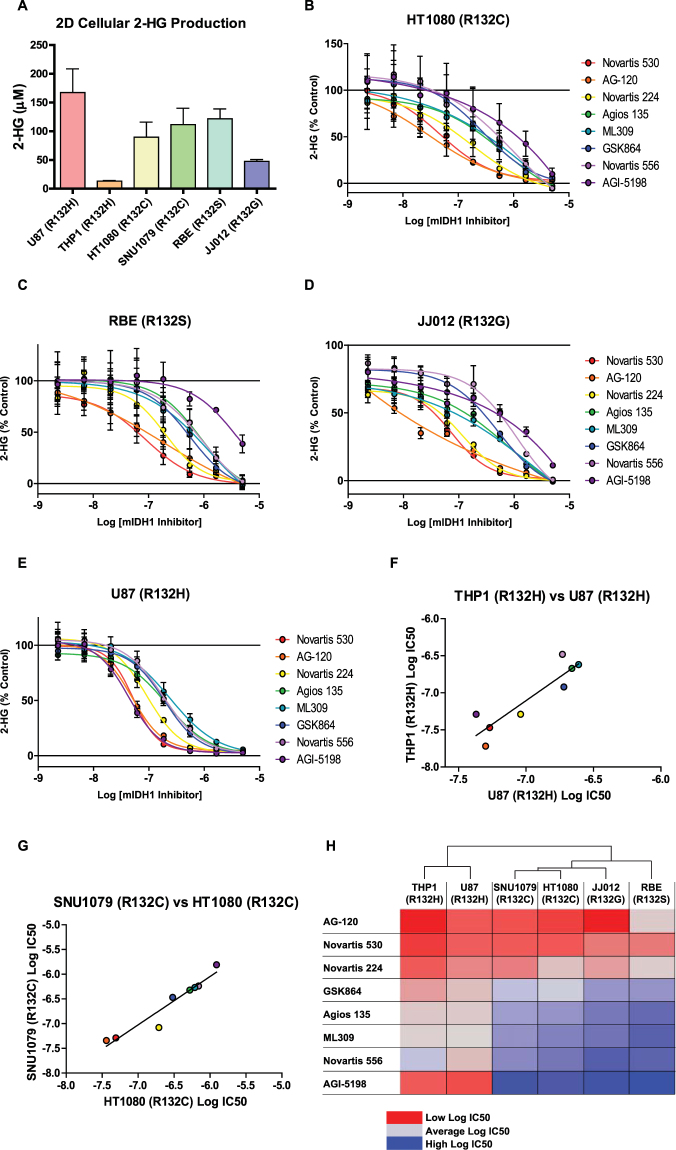
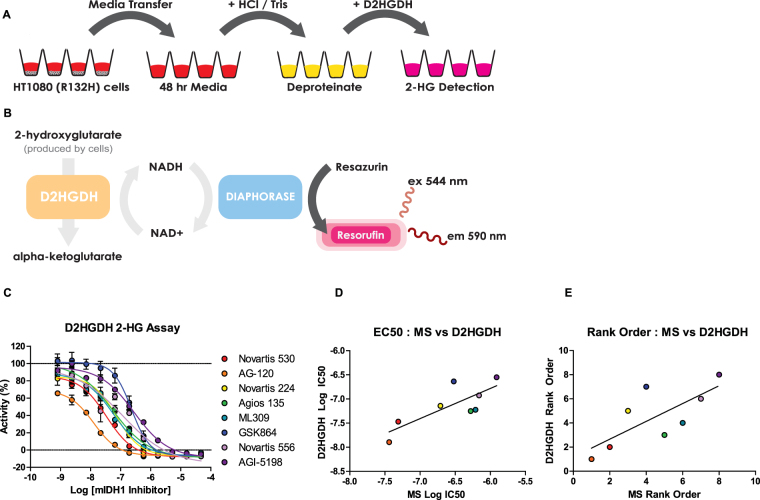
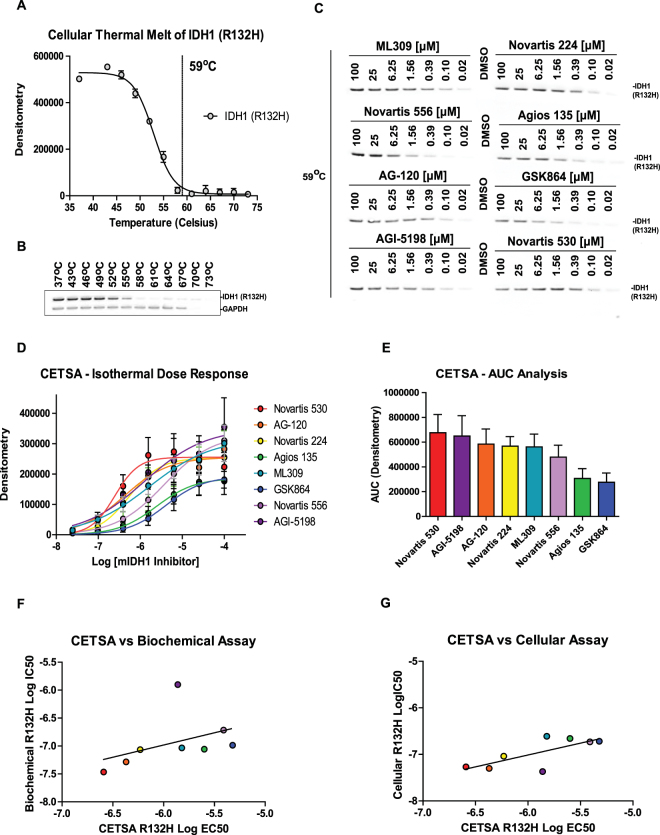
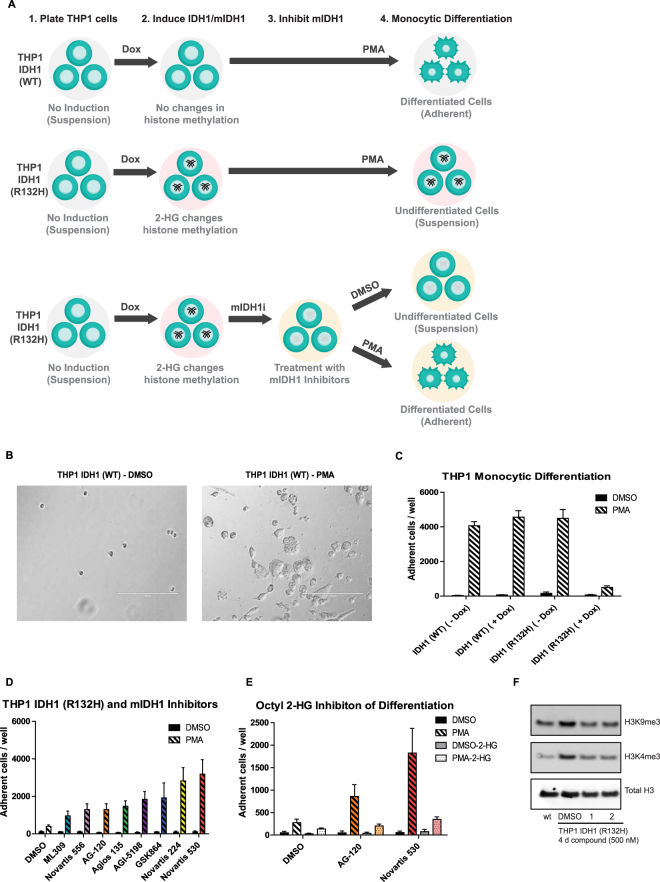
Isocitrate dehydrogenase 1 and 2 (IDH1 and IDH2) are key metabolic enzymes that are mutated in a variety of cancers to confer a gain-of-function activity resulting in the accumulation of an oncometabolite, D-2-hydroxyglutarate (2-HG). Accumulation of 2-HG can result in epigenetic dysregulation and a block in cellular differentiation, suggesting these mutations play a role in neoplasia. Based on its potential as a cancer target, a number of small molecule inhibitors have been developed to specifically inhibit mutant forms of IDH (mIDH1 and mIDH2). We present a comprehensive suite of in vitro preclinical drug development assays that can be used as a tool-box to identify lead compounds for mIDH drug discovery programs, as well as what we believe is the most comprehensive publically available dataset on the top mIDH inhibitors. This involved biochemical, cell-based, and tier-one ADME techniques.
异柠檬酸脱氢酶 1 和 2(IDH1 和 IDH2)是关键的代谢酶,在多种癌症中发生突变,赋予其功能获得性活性,导致致癌代谢物 D-2-羟戊二酸(2-HG)的积累。2-HG 的积累可导致表观遗传失调和细胞分化受阻,提示这些突变在肿瘤发生中起作用。基于其作为癌症靶点的潜力,已经开发了许多小分子抑制剂来特异性抑制突变形式的 IDH(mIDH1 和 mIDH2)。我们提出了一套全面的体外临床前药物开发测定法,可以用作工具包,以确定 mIDH 药物发现计划的先导化合物,以及我们认为是关于顶级 mIDH 抑制剂的最全面的公开可用数据集。这涉及生化、基于细胞和一级 ADME 技术。