Laboratory of Malaria Immunology and Vaccinology, National Institute of Allergy and Infectious Diseases, National Institutes of Health, Bethesda, United States.
Malaria Research and Training Center, University of Sciences, Techniques, and Technologies of Bamako, Bamako, Mali.
Elife. 2022 Feb 1;11:e76264. doi: 10.7554/eLife.76264.
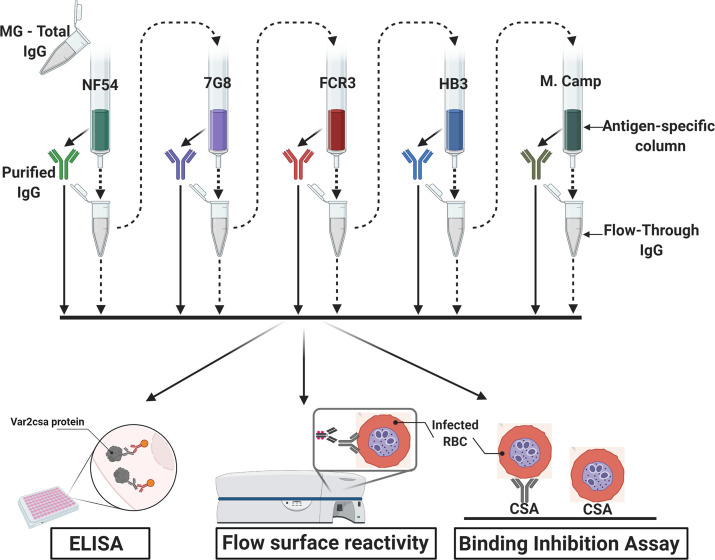
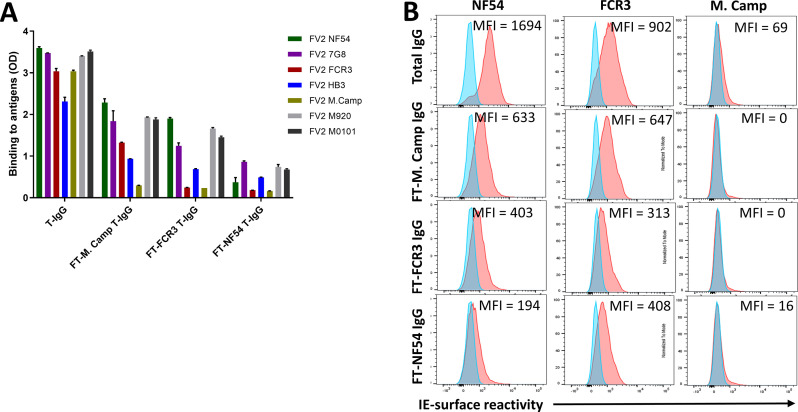
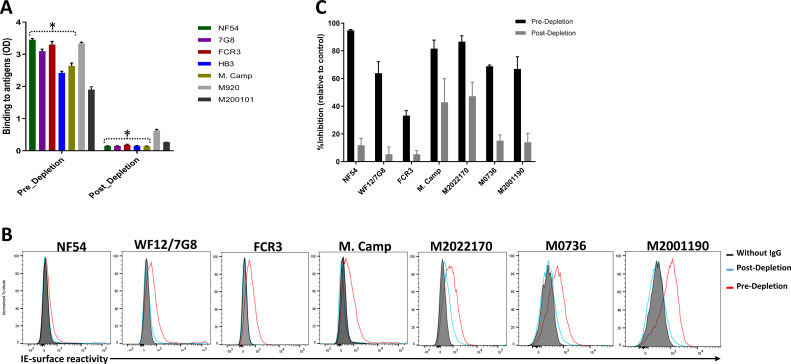
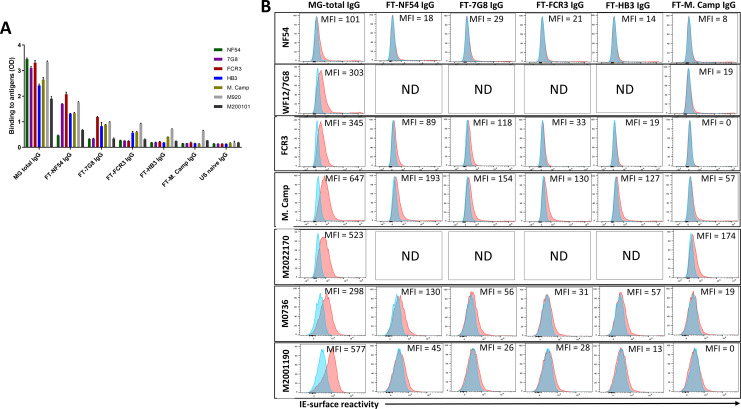
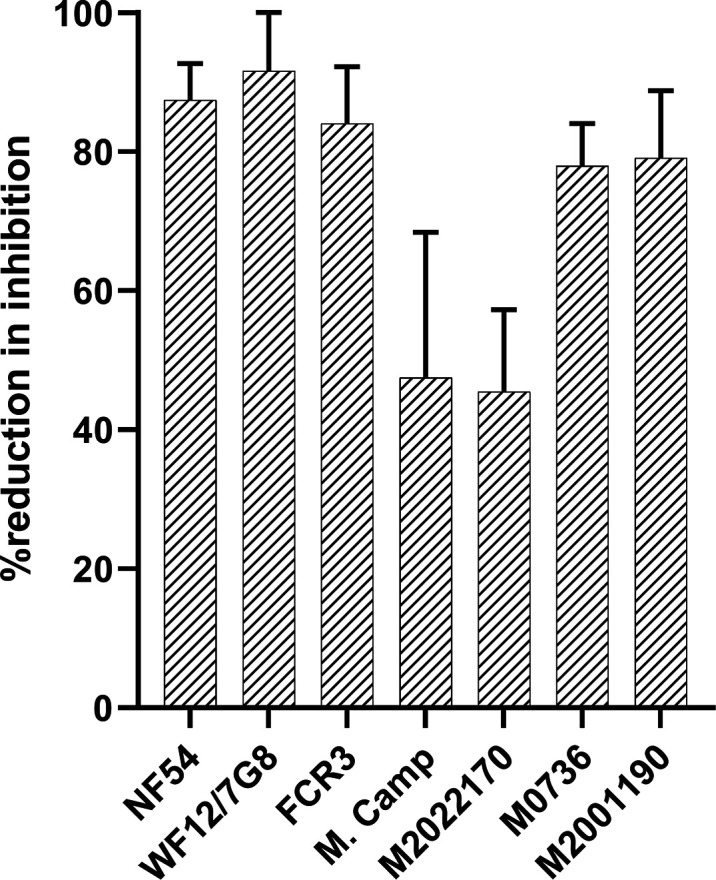
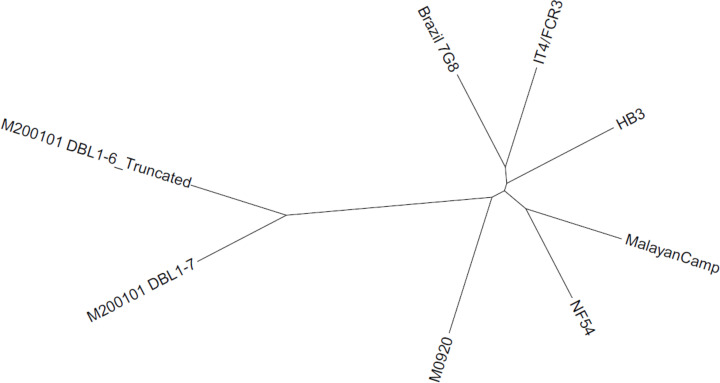
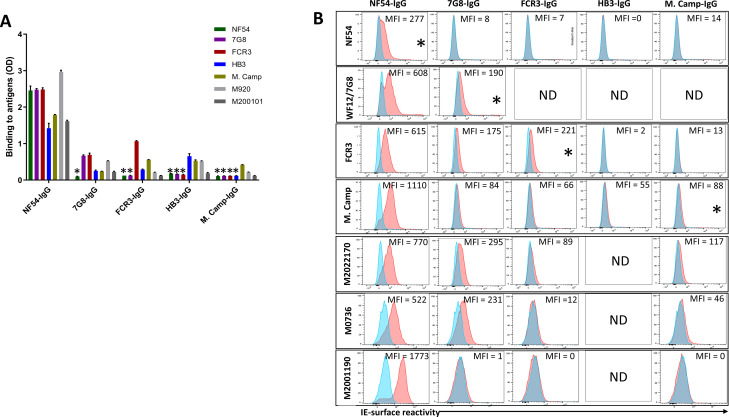
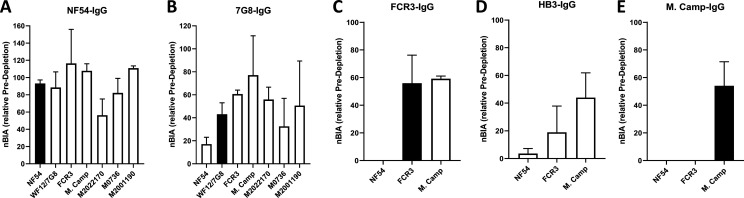
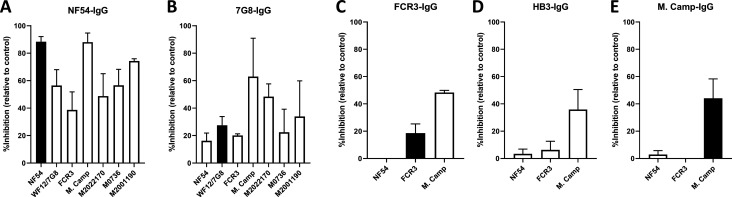
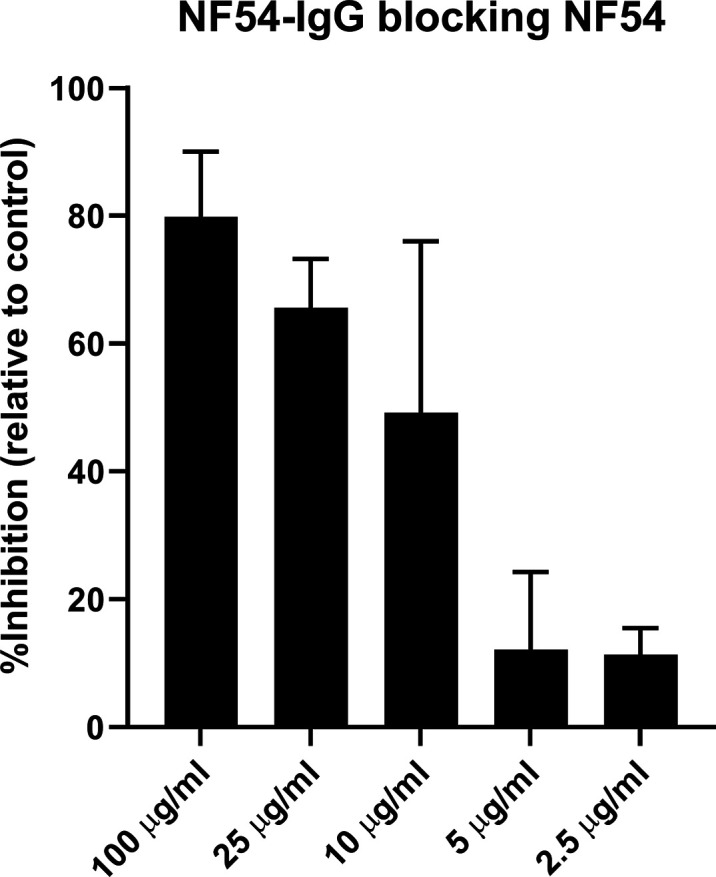
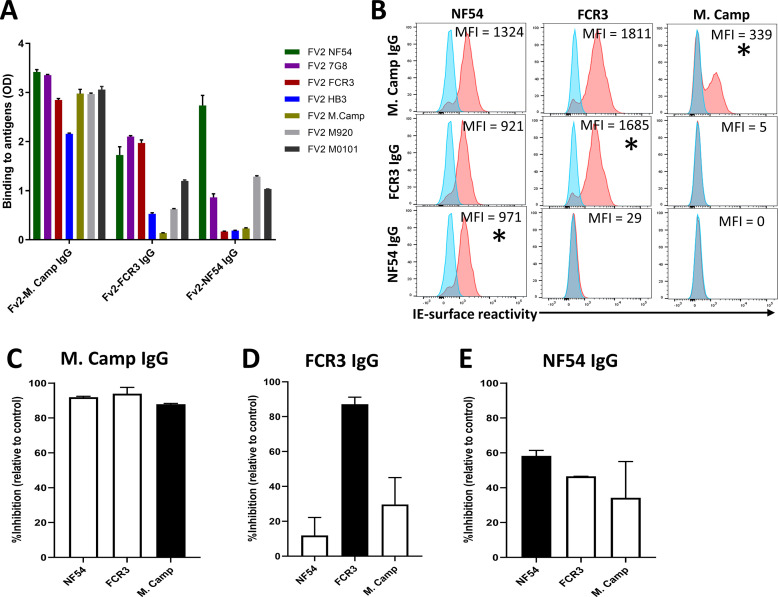
Placental malaria (PM) is a deadly syndrome most frequent and severe in first pregnancies. PM results from accumulation of -infected erythrocytes (IE) that express the surface antigen VAR2CSA and bind to chondroitin sulfate A (CSA) in the placenta. Women become PM-resistant over successive pregnancies as they develop anti-adhesion and anti-VAR2CSA antibodies, supporting VAR2CSA as the leading PM-vaccine candidate. However, the first VAR2CSA subunit vaccines failed to induce broadly neutralizing antibody and it is known that naturally acquired antibodies target both variant-specific and conserved epitopes. It is crucial to determine whether effective vaccines will require incorporation of many or only a single VAR2CSA variants. Here, IgG from multigravidae was sequentially purified on five full-length VAR2CSA ectodomain variants, thereby depleting IgG reactivity to each. The five VAR2CSA variants purified ~0.7% of total IgG and yielded both strain-transcending and strain-specific reactivity to VAR2CSA and IE-surface antigen. In two independent antibody purification/depletion experiments with permutated order of VAR2CSA variants, IgG purified on the first VAR2CSA antigen displayed broad cross-reactivity to both recombinant and native VAR2CSA variants, and inhibited binding of all isolates to CSA. IgG remaining after depletion on all variants showed significantly reduced binding-inhibition activity compared to initial total IgG. These findings demonstrate that a single VAR2CSA ectodomain variant displays conserved epitopes that are targeted by neutralizing (or binding-inhibitory) antibodies shared by multiple parasite strains, including maternal isolates. This suggests that a broadly effective PM-vaccine can be achieved with a limited number of VAR2CSA variants.
胎盘疟疾 (PM) 是一种致命的综合征,在首次妊娠中最为常见和严重。PM 是由于表达表面抗原 VAR2CSA 的感染红细胞 (IE) 积累,以及与胎盘上的硫酸软骨素 A (CSA) 结合引起的。随着女性在连续妊娠中产生抗粘附和抗 VAR2CSA 抗体,她们会对 PM 产生抗性,这支持了 VAR2CSA 作为主要的 PM 疫苗候选物。然而,第一批 VAR2CSA 亚单位疫苗未能诱导广泛中和抗体,并且已知天然获得的抗体针对变体特异性和保守表位。确定有效的疫苗是否需要包含许多或仅单个 VAR2CSA 变体至关重要。在这里,多胎妇女的 IgG 依次在五个全长 VAR2CSA 外显子变体上进行纯化,从而耗尽了对每个变体的 IgG 反应性。五个 VAR2CSA 变体纯化了约 0.7%的总 IgG,并产生了对 VAR2CSA 和 IE 表面抗原的菌株跨越和菌株特异性反应。在两个具有 VAR2CSA 变体排列顺序置换的独立抗体纯化/耗尽实验中,在第一个 VAR2CSA 抗原上纯化的 IgG 对重组和天然 VAR2CSA 变体均显示出广泛的交叉反应性,并抑制了所有分离株与 CSA 的结合。与初始总 IgG 相比,耗尽所有变体后剩余的 IgG 显示出明显降低的结合抑制活性。这些发现表明,单个 VAR2CSA 外显子变体显示出保守表位,这些表位被多个寄生虫株(包括母体分离株)的中和(或结合抑制)抗体靶向。这表明可以用有限数量的 VAR2CSA 变体来实现广泛有效的 PM 疫苗。