OMFS-IMPATH Research Group, Department of Imaging and Pathology, KU Leuven, Leuven, Belgium.
Department of Oral and Maxillofacial Surgery, University Hospitals Leuven, Leuven, Belgium.
J Orthop Surg Res. 2022 Feb 2;17(1):68. doi: 10.1186/s13018-022-02960-6.
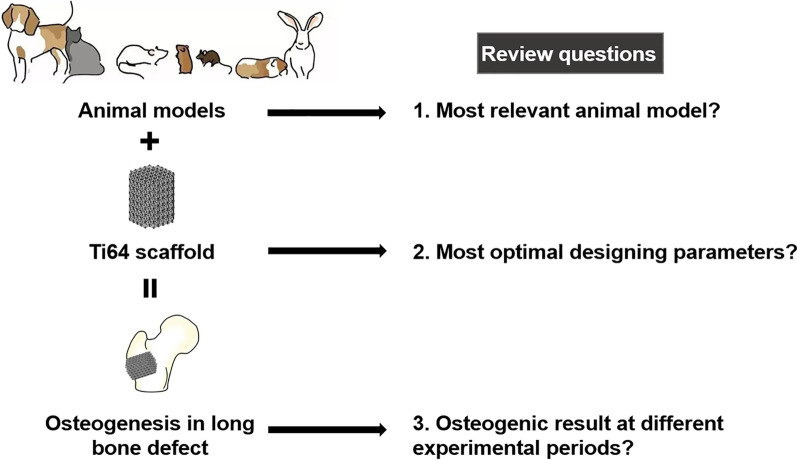
Titanium and its alloys have been widely employed for bone tissue repair and implant manufacturing. The rapid development of three-dimensional (3D) printing technology has allowed fabrication of porous titanium scaffolds with controllable microstructures, which is considered to be an effective method for promoting rapid bone formation and decreasing bone absorption. The purpose of this systematic review was to evaluate the osteogenic potential of 3D-printed porous Ti6Al4V (Ti64) scaffold for repairing long bone defects in animal models and to investigate the influential factors that might affect its osteogenic capacity.
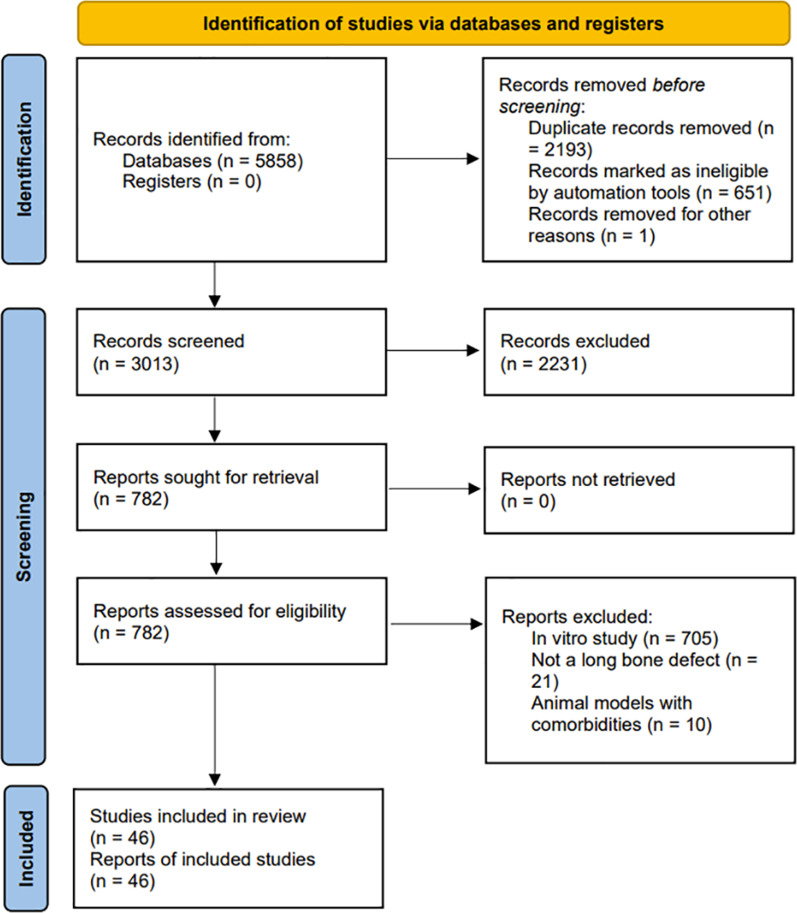
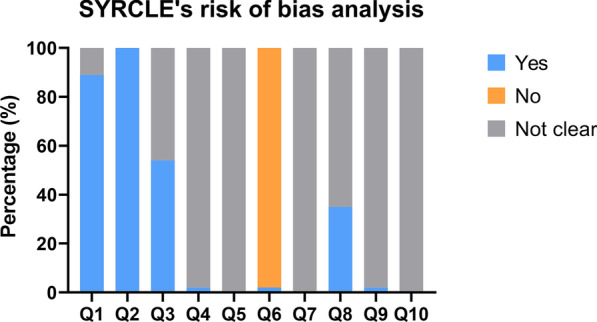
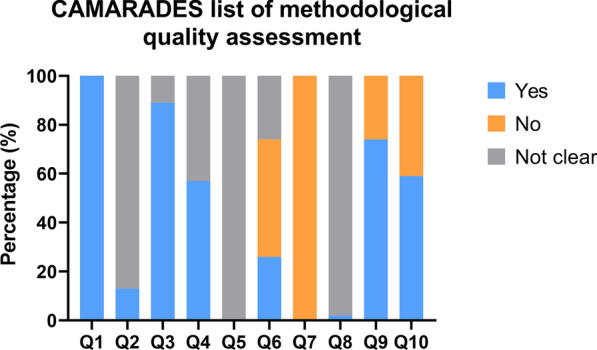
Electronic literature search was conducted in the following databases: PubMed, Web of Science, and Embase up to September 2021. The SYRCLE's tool and the modified CAMARADES list were used to assess the risk of bias and methodological quality, respectively. Due to heterogeneity of the selected studies in relation to protocol and outcomes evaluated, a meta-analysis could not be performed.
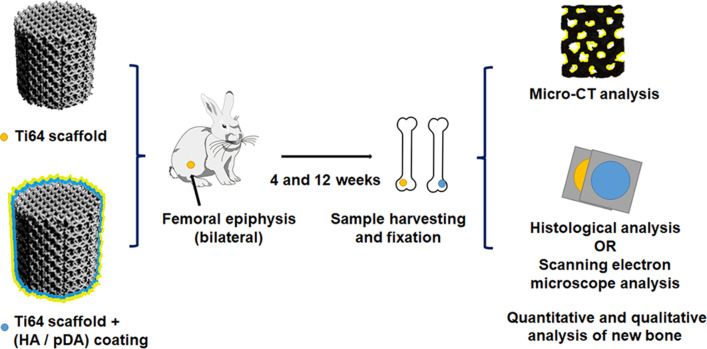
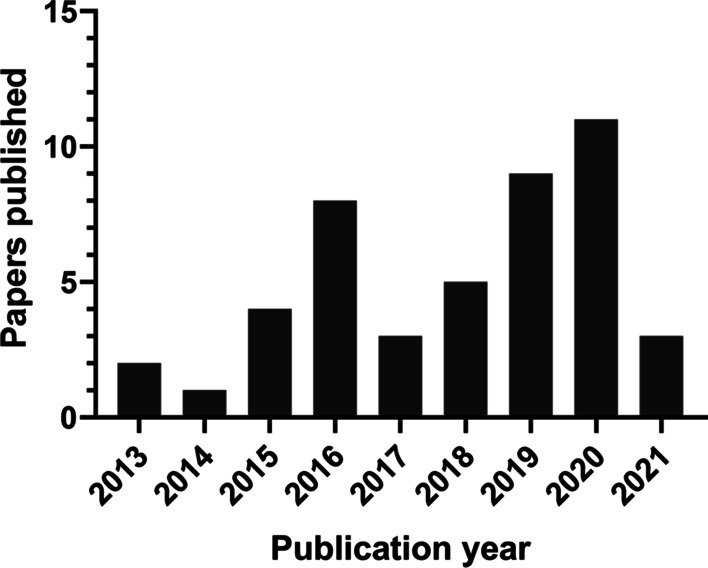
The initial search revealed 5858 studies. Only 46 animal studies were found to be eligible based on the inclusion criteria. Rabbit was the most commonly utilized animal model. A pore size of around 500-600 µm and porosity of 60-70% were found to be the most ideal parameters for designing the Ti64 scaffold, where both dodecahedron and diamond pores optimally promoted osteogenesis. Histological analysis of the scaffold in a rabbit model revealed that the maximum bone area fraction reached 59.3 ± 8.1% at weeks 8-10. Based on micro-CT assessment, the maximum bone volume fraction was found to be 34.0 ± 6.0% at weeks 12.
Ti64 scaffold might act as a promising medium for providing sufficient mechanical support and a stable environment for new bone formation in long bone defects. Trail registration The study protocol was registered in the PROSPERO database under the number CRD42020194100.
钛及其合金已广泛应用于骨组织修复和植入物制造。三维(3D)打印技术的快速发展使得具有可控微观结构的多孔钛支架得以制造,这被认为是促进快速骨形成和减少骨吸收的有效方法。本系统评价的目的是评估 3D 打印多孔 Ti6Al4V(Ti64)支架修复动物模型长骨缺损的成骨潜力,并研究可能影响其成骨能力的影响因素。
电子文献检索在以下数据库中进行:PubMed、Web of Science 和 Embase,截至 2021 年 9 月。使用 SYRCLE 工具和改良的 CAMARADES 清单分别评估偏倚风险和方法学质量。由于所选研究在方案和评估结果方面存在异质性,因此无法进行荟萃分析。
最初的搜索显示有 5858 项研究。仅根据纳入标准发现 46 项动物研究符合条件。兔子是最常用的动物模型。发现孔径约为 500-600 μm 和孔隙率为 60-70%是设计 Ti64 支架的最理想参数,其中十二面体和菱形孔最能促进成骨。在兔模型中对支架的组织学分析表明,第 8-10 周时最大骨面积分数达到 59.3±8.1%。基于微 CT 评估,第 12 周时最大骨体积分数为 34.0±6.0%。
Ti64 支架可能是一种有前途的介质,可为长骨缺损中提供足够的机械支撑和稳定的新骨形成环境。试验注册本研究方案在 PROSPERO 数据库中以编号 CRD42020194100 进行了注册。