Juárez-Vignon Whaley Juan José, Carrera-Muiños Aurelio, Hernandez-Gutierrez Karol Gema, Rodriguez-Cid Jerónimo Rafael, Otero-Cerdeira Maria Elisa, Garcia-Montes Vanessa
Oncology Department, Hospital Español, Mexico City, Mexico.
Faculty of Health Sciences, Universidad Anahuac Mexico, Mexico City, Mexico.
Case Rep Oncol. 2021 Dec 20;14(3):1799-1805. doi: 10.1159/000519969. eCollection 2021 Sep-Dec.
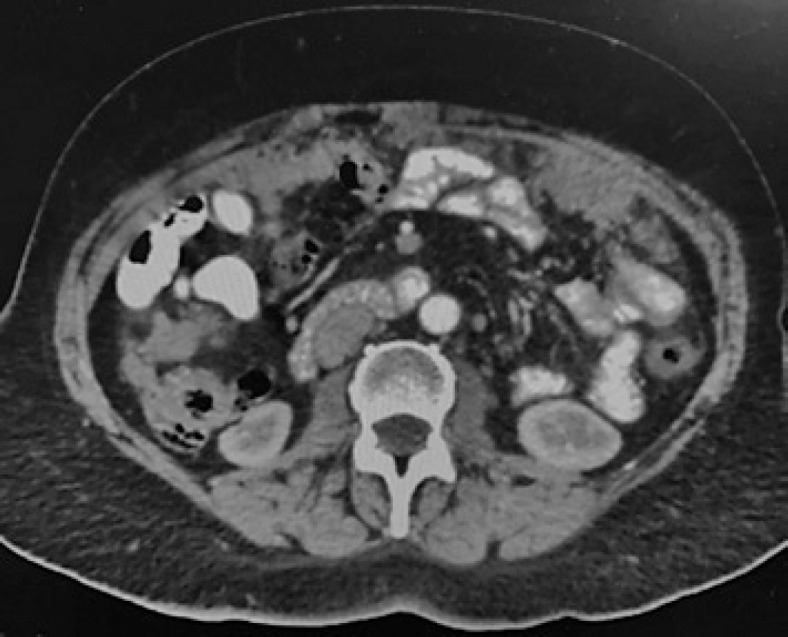
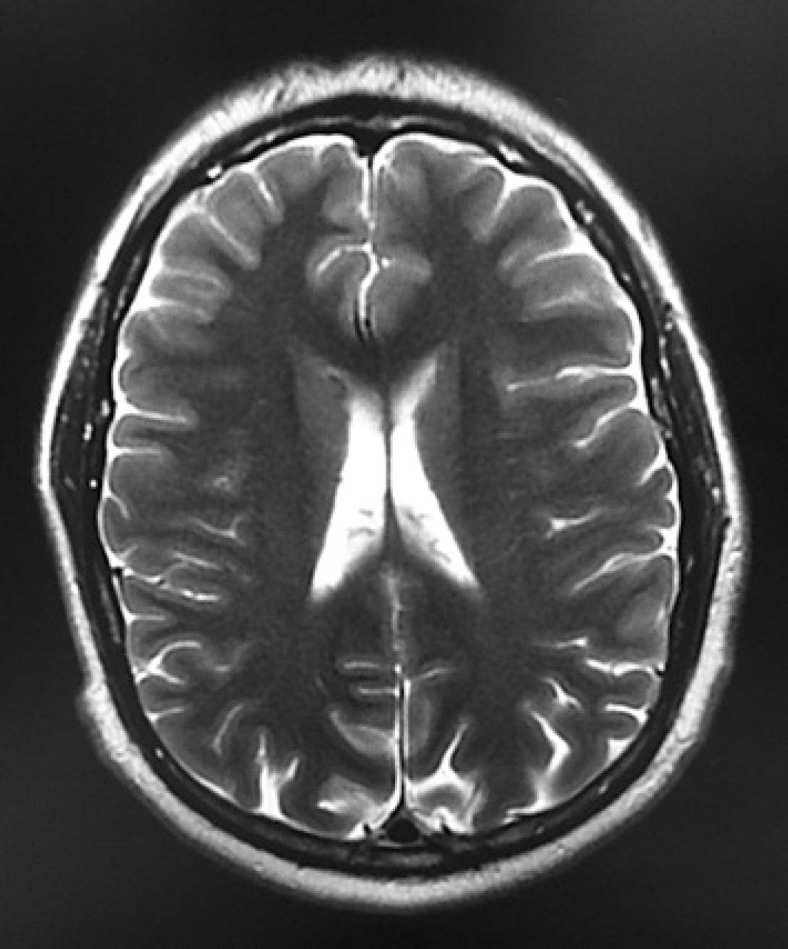
Paraneoplastic neurological syndromes (PNS) are rare presentations of an underlying oncological disease and more unusual during an oncological disease. They most likely present in small-cell lung carcinomas and thymomas, but present in <1% of the gynecological neoplasms. Acknowledging the pathophysiology is essential for management, explaining its clinical presentation, and future research. We present a patient with an underlying gynecological cancer that during her disease developed a PNS with an unusual autoantibody (anti-CV2/CRMP5) mediating the disease. We report a case of a 62-year-old female diagnosed with ovarian cancer who in the course of her disease developed neurological symptoms associated with cerebellar degeneration. After ruling out differential diagnoses such as metastases, a PNS was suspected and studied, in which anti-CV2/CRMP5 antibodies were positive. With her clinical presentation, radiological features, autoantibody positivity on cerebrospinal fluid, and an underlying oncological disease, cerebellar degeneration was diagnosed. The pathophysiology of PNS is not fully understood; therefore, its diagnosis and management are complex. Diagnosis is based on clinical presentation and specific antibodies associated. Unfortunately, patients have a bad prognosis and diminished quality of life, and therefore a multidisciplinary approach is needed. It is important to mention that the presentation of PNS does not mandatorily appear before the diagnosis of cancer, and multiple cases have been reported in which patients with an underlying oncological disease develop these syndromes. As medical oncologists and neurologists, we must consider and study these syndromes as a possible etiology in cases with an underlying cancer who develop neurological symptoms in the course of their disease.
副肿瘤性神经系统综合征(PNS)是潜在肿瘤性疾病的罕见表现,在肿瘤性疾病期间更为少见。它们最常见于小细胞肺癌和胸腺瘤,但在妇科肿瘤中的发生率<1%。了解其病理生理学对于管理、解释临床表现及未来研究至关重要。我们报告一例患有潜在妇科癌症的患者,在其疾病过程中发生了由一种不寻常自身抗体(抗CV2/CRMP5)介导的PNS。我们报告一例62岁女性,诊断为卵巢癌,在疾病过程中出现了与小脑变性相关的神经症状。在排除转移等鉴别诊断后,怀疑并研究了PNS,其中抗CV2/CRMP5抗体呈阳性。结合其临床表现、影像学特征、脑脊液自身抗体阳性及潜在的肿瘤性疾病,诊断为小脑变性。PNS的病理生理学尚未完全了解;因此,其诊断和管理较为复杂。诊断基于临床表现及相关的特异性抗体。不幸的是,患者预后不良且生活质量下降,因此需要多学科方法。需要提及的是,PNS并不一定在癌症诊断之前出现,已有多例报告显示患有潜在肿瘤性疾病的患者会发生这些综合征。作为肿瘤内科医生和神经科医生,我们必须在患有潜在癌症且在疾病过程中出现神经症状的病例中,将这些综合征视为可能的病因进行考虑和研究。