MOE Joint International Research Laboratory of Animal Health and Food Safety, College of Veterinary Medicine, Nanjing Agricultural University, Nanjing, China.
Shanghai Veterinary Research Institute, Chinese Academy of Agricultural Sciences, Shanghai, China.
PLoS Pathog. 2022 Feb 4;18(2):e1010294. doi: 10.1371/journal.ppat.1010294. eCollection 2022 Feb.
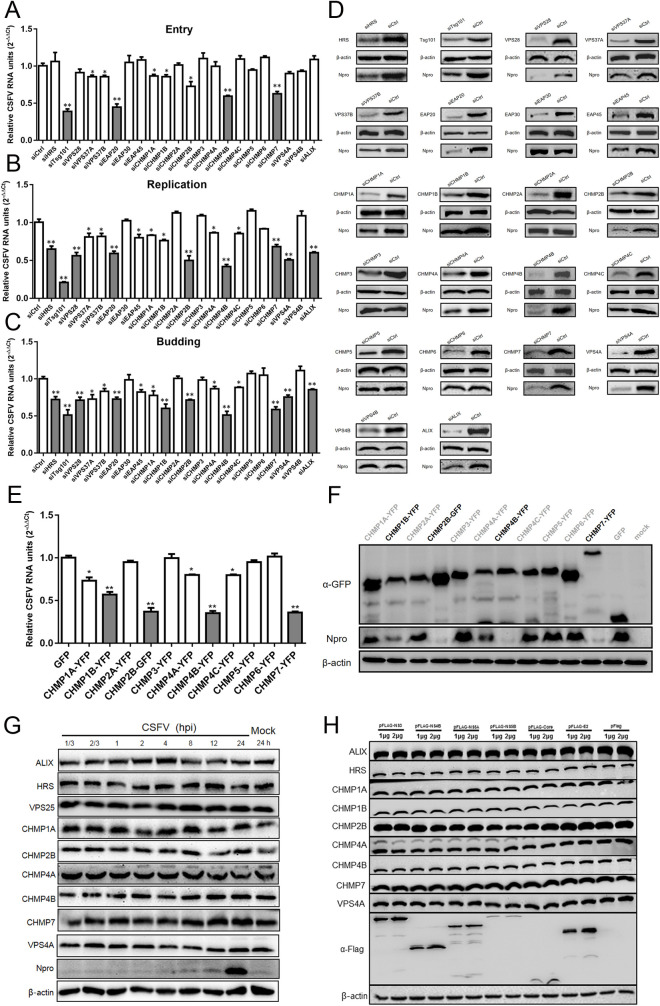
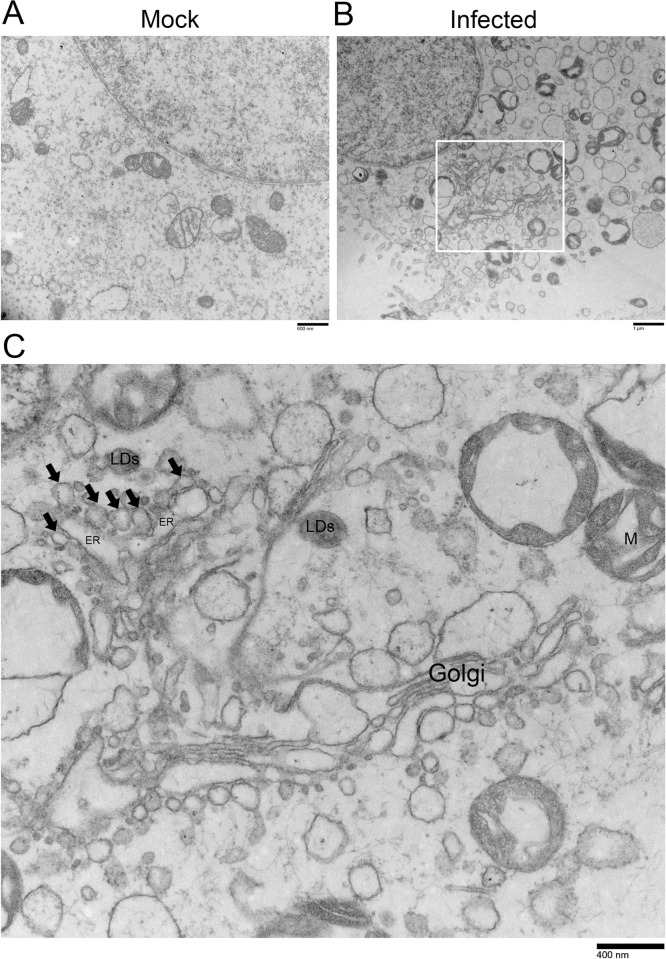
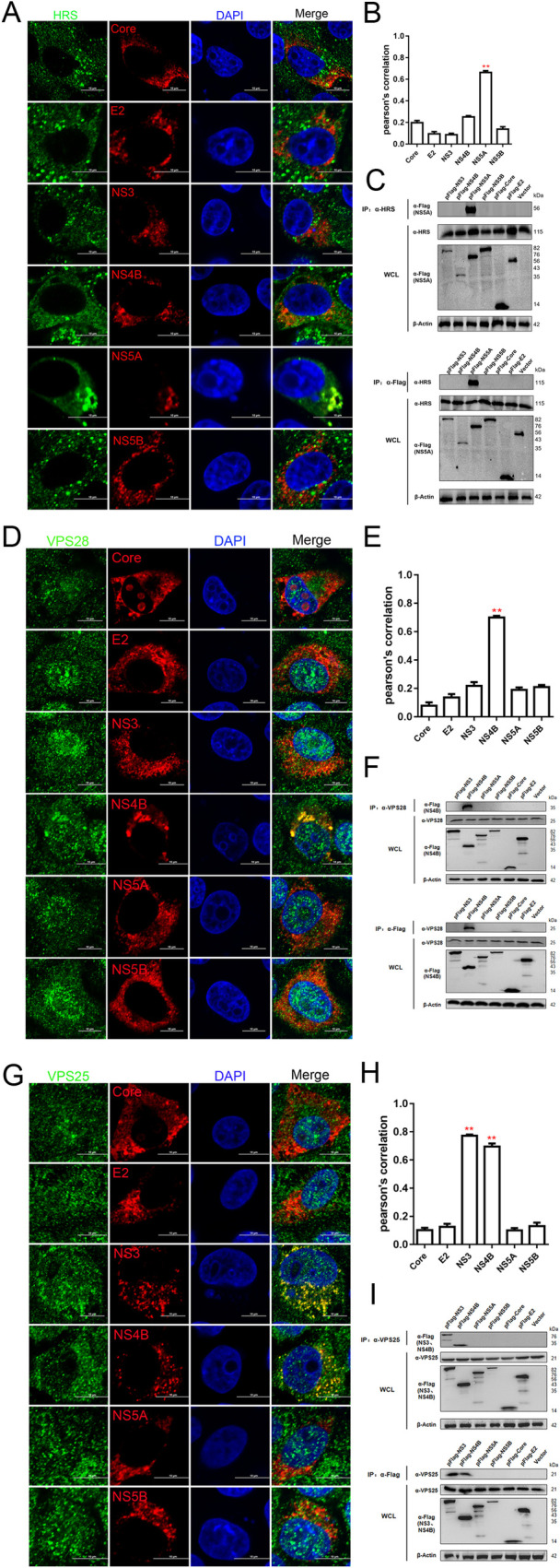
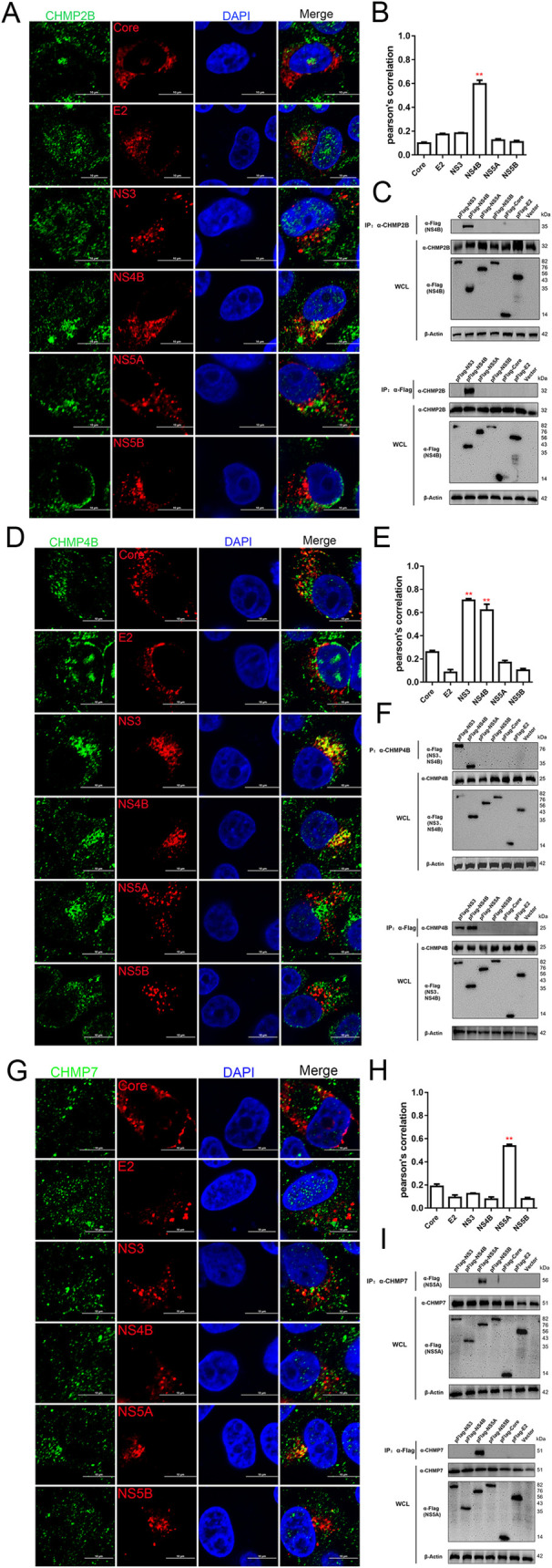
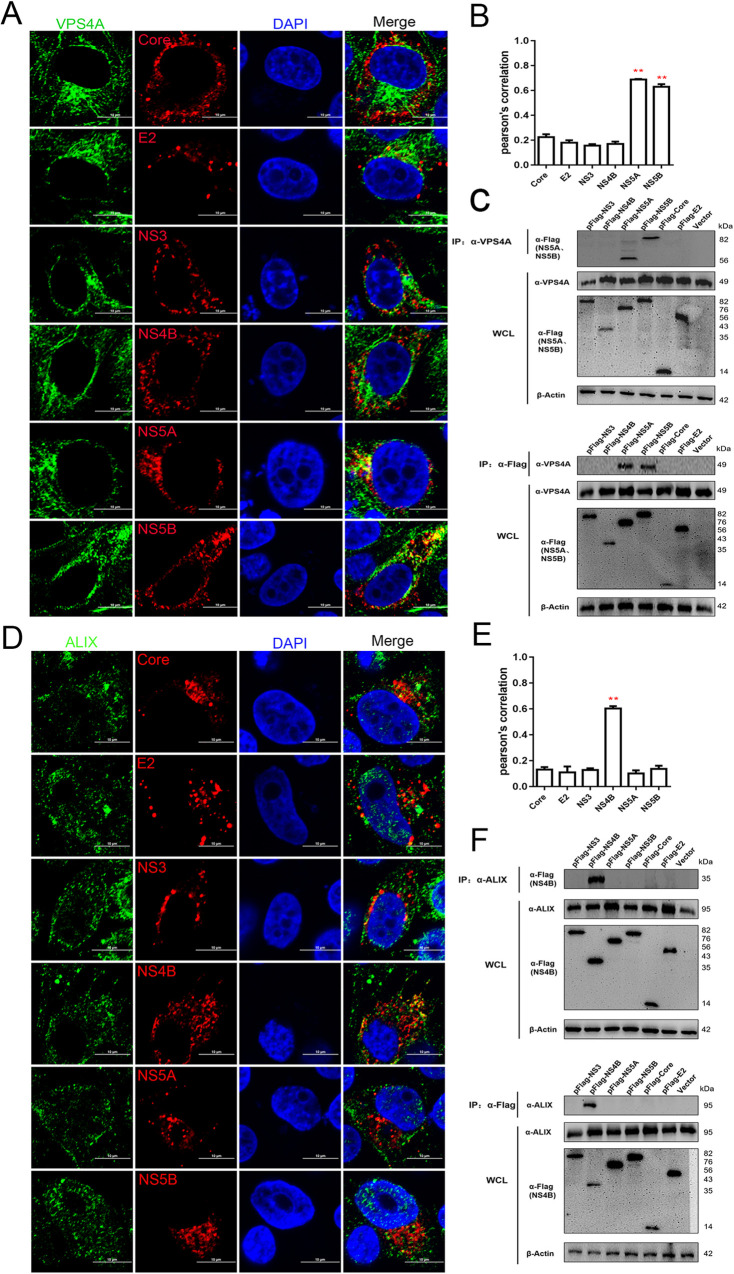
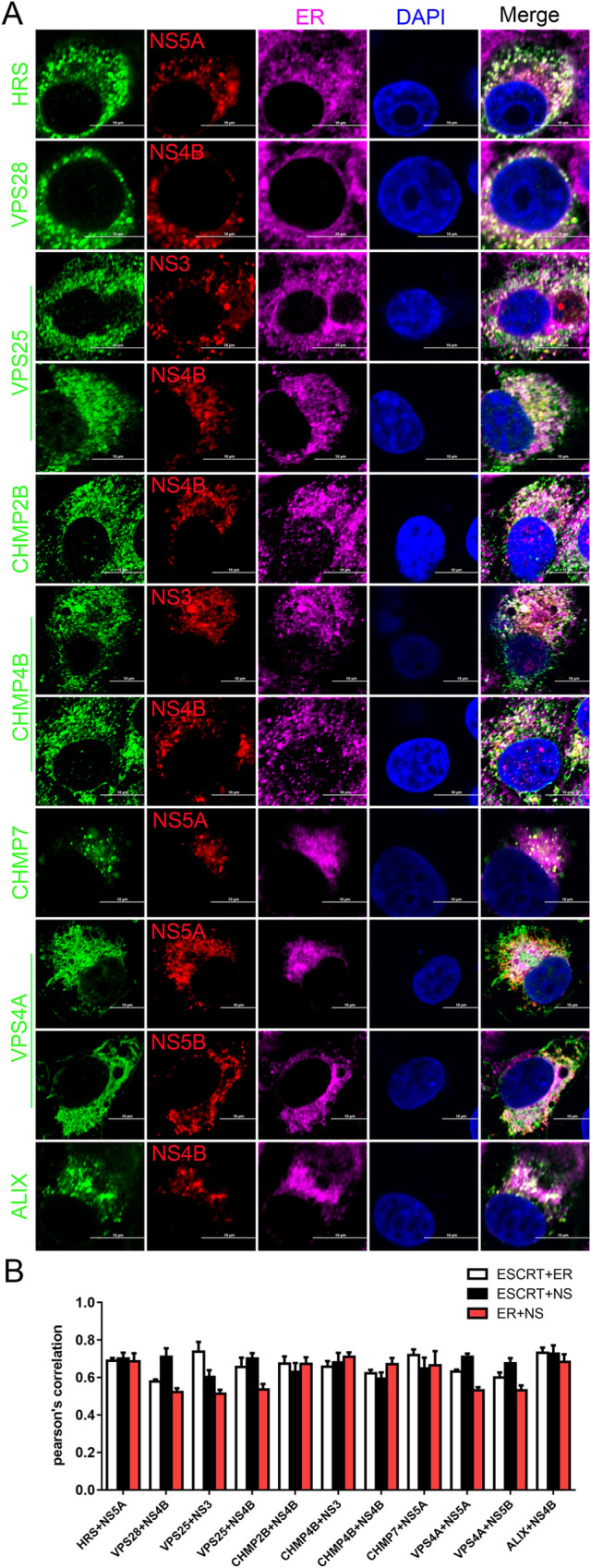
As the important molecular machinery for membrane protein sorting in eukaryotic cells, the endosomal sorting and transport complexes (ESCRT-0/I/II/III and VPS4) usually participate in various replication stages of enveloped viruses, such as endocytosis and budding. The main subunit of ESCRT-I, Tsg101, has been previously revealed to play a role in the entry and replication of classical swine fever virus (CSFV). However, the effect of the whole ESCRT machinery during CSFV infection has not yet been well defined. Here, we systematically determine the effects of subunits of ESCRT on entry, replication, and budding of CSFV by genetic analysis. We show that EAP20 (VPS25) (ESCRT-II), CHMP4B and CHMP7 (ESCRT-III) regulate CSFV entry and assist vesicles in transporting CSFV from Clathrin, early endosomes, late endosomes to lysosomes. Importantly, we first demonstrate that HRS (ESCRT-0), VPS28 (ESCRT-I), VPS25 (ESCRT-II) and adaptor protein ALIX play important roles in the formation of virus replication complexes (VRC) together with CHMP2B/4B/7 (ESCRT-III), and VPS4A. Further analyses reveal these subunits interact with CSFV nonstructural proteins (NS) and locate in the endoplasmic reticulum, but not Golgi, suggesting the role of ESCRT in regulating VRC assembly. In addition, we demonstrate that VPS4A is close to lipid droplets (LDs), indicating the importance of lipid metabolism in the formation of VRC and nucleic acid production. Altogether, we draw a new picture of cellular ESCRT machinery in CSFV entry and VRC formation, which could provide alternative strategies for preventing and controlling the diseases caused by CSFV or other Pestivirus.
作为真核细胞中膜蛋白分选的重要分子机制,内体分选和运输复合物(ESCRT-0/I/II/III 和 VPS4)通常参与包膜病毒的各种复制阶段,如内吞作用和出芽。ESCRT-I 的主要亚基 Tsg101 先前已被揭示在经典猪瘟病毒(CSFV)的进入和复制中发挥作用。然而,ESCRT 机制在 CSFV 感染中的整体作用尚未得到很好的定义。在这里,我们通过遗传分析系统地确定了 ESCRT 亚基对 CSFV 进入、复制和出芽的影响。我们表明,EAP20(VPS25)(ESCRT-II)、CHMP4B 和 CHMP7(ESCRT-III)调节 CSFV 的进入,并协助小泡将 CSFV 从网格蛋白、早期内体、晚期内体转运到溶酶体。重要的是,我们首次证明 HRS(ESCRT-0)、VPS28(ESCRT-I)、VPS25(ESCRT-II)和衔接蛋白 ALIX 与 CHMP2B/4B/7(ESCRT-III)和 VPS4A 一起在病毒复制复合物(VRC)的形成中发挥重要作用。进一步的分析表明,这些亚基与 CSFV 非结构蛋白(NS)相互作用,并定位在内质网,而不是高尔基体,这表明 ESCRT 在调节 VRC 组装中的作用。此外,我们证明 VPS4A 靠近脂滴(LDs),表明脂质代谢在 VRC 的形成和核酸产生中很重要。总之,我们描绘了 CSFV 进入和 VRC 形成中细胞 ESCRT 机制的新图景,这可为预防和控制由 CSFV 或其他瘟病毒引起的疾病提供替代策略。